
 William Henry Fox Talbot英格兰, 1800–1877
St. George's Chapel, Windsor
能看到吗?
目前未展出
《St. George's Chapel, Windsor》现在在哪里? 收藏方: 芝加哥藝術博物館, 芝加哥. 目前未展出. 核实 2026年9月29日.

芝加哥, 美國
仍属馆藏,只是目前没有展出。
- 核实
- 此状态始于
- 出处
- 博物馆
关于作品
William Henry Fox Talbot was one of the inventors of photography, developing the first positive-negative process. Although he did use his technique to produce portraits, the lengthy exposure time made it better suited to still lifes and architectural studies. Talbot received special permission to photograph inside the precincts of Windsor Castle (his half-sister was a lady in waiting to Queen Victoria, an avid supporter of photography). There he produced, among other images, this photograph of Saint George’s chapel, the castle’s place of worship.
芝加哥藝術博物館CC BY 4.0
作品信息
- 馆藏编号
- 1967.157
已收入目录
出处
- 芝加哥藝術博物館
- 图片: 芝加哥藝術博物館 — CC0
William Henry Fox Talbot当时的生活
完整生平1840–1841
Post: High Sheriff of Wiltshire
1840s
Photomechanics: the road to photogravure
In the 1840s Talbot turned to the photomechanical reproduction of pictures; this work led to photoglyphic engraving, the precursor of photogravure. Rendering a photograph in printer’s ink made editions cheaper and avoided the fading of early silver prints.
February 1841
Patents the calotype
Talbot obtained an English patent for the calotype process and sold licences at £20 each, later lowering the fee for amateurs to £4 while professionals paid up to £300 a year; scientists saw it as a hindrance to scientific freedom. He justified his rigour by the roughly £5,000 he had spent on photography; for science the method was free, and Talbot himself published the first known photomicrograph of a mineral crystal.
August 1841
First licence goes to the miniaturist Henry Collen
Having announced the calotype, in August Talbot licensed the miniature painter Henry Collen, who became the first professional calotypist. The most celebrated practitioners of the process were Hill & Adamson.
1842
Son born: Charles Henry Talbot
1844–1846
“The Pencil of Nature”, the first photobook, appears
Longman, Brown, Green & Longmans issued the book in separate parts: 24 prints, each pasted in by hand and accompanied by a short text. Talbot is regarded as the author of the first photographic book; scholars see in it the design of a new canon built on biblical rhetoric.


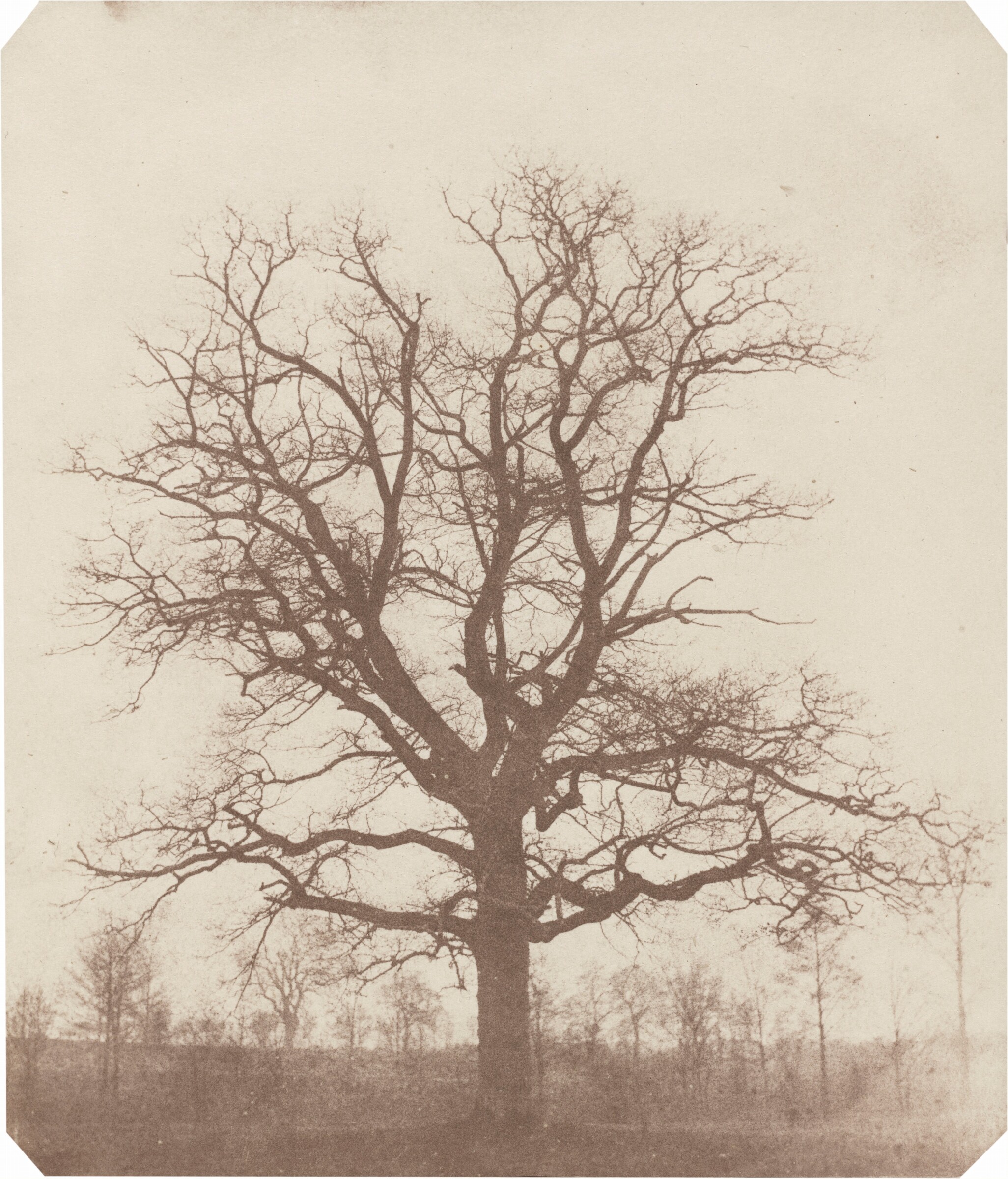
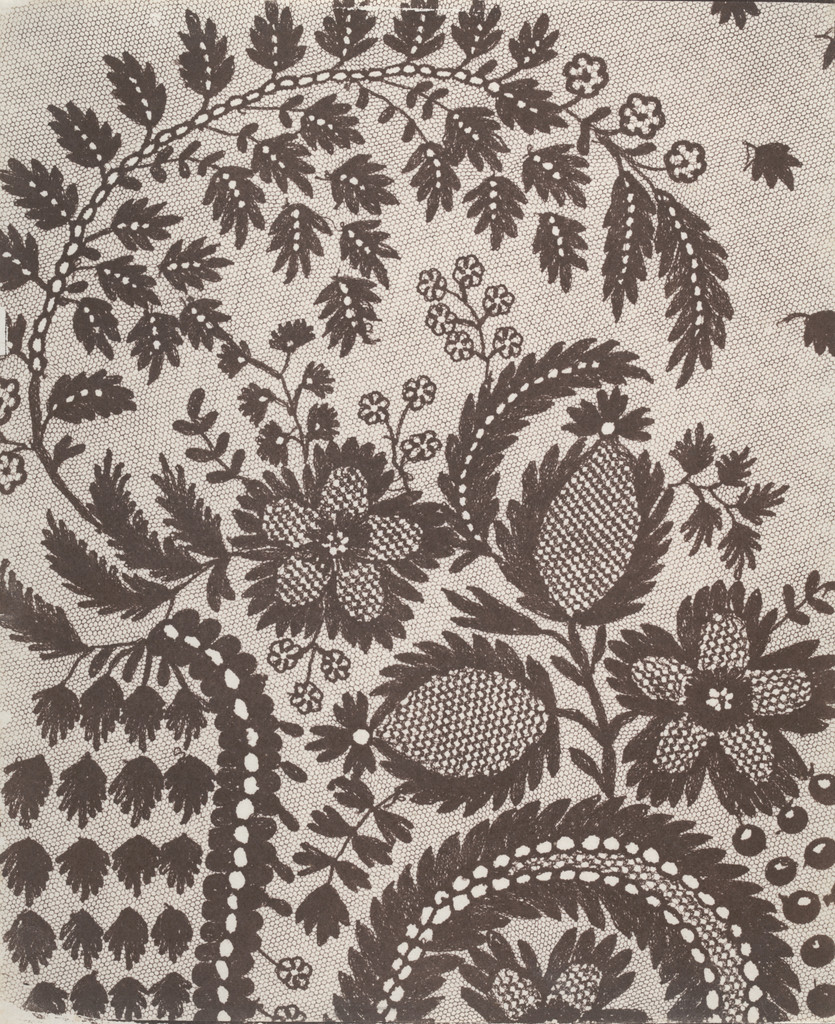

![[Group of Trees from the American Walnut], William Henry Fox Talbot, June 1, 1840](https://media.getty.edu/iiif/image/e2239044-50e4-44d2-be46-db53cdc317f1/full/!1200,1200/0/default.jpg)








