Gustave Doré法国, 1832–1883
Scottish Landscape

关于作品
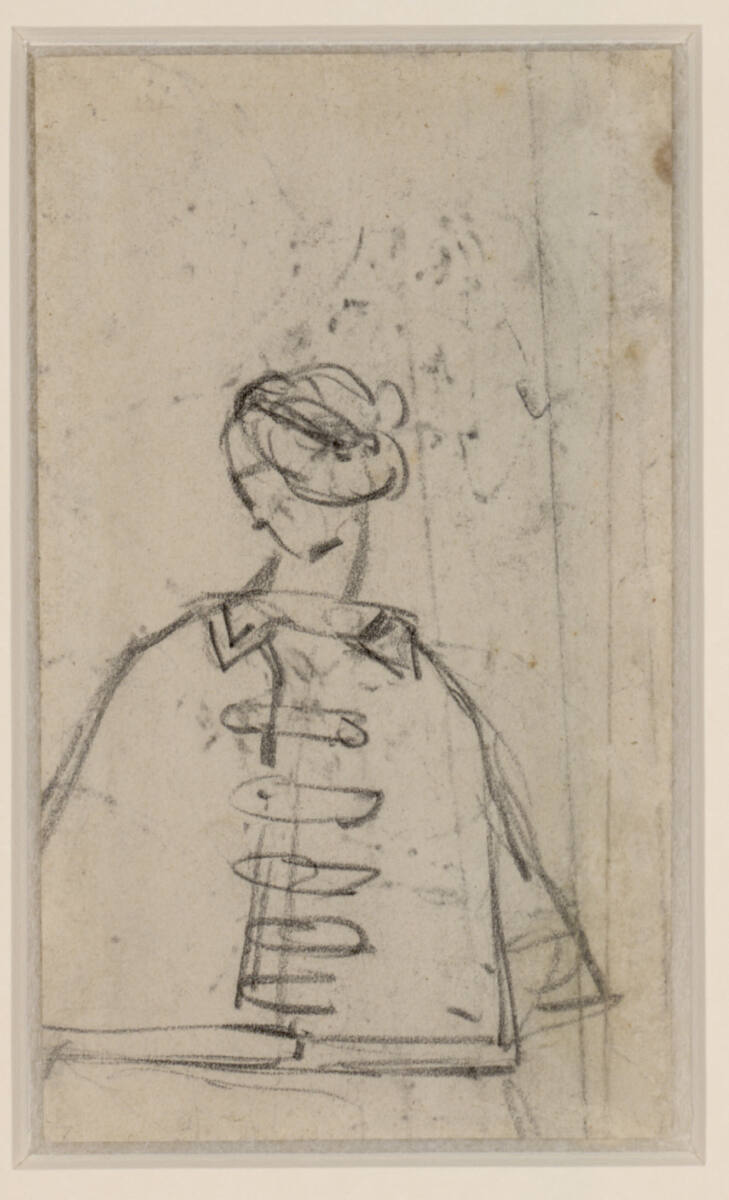
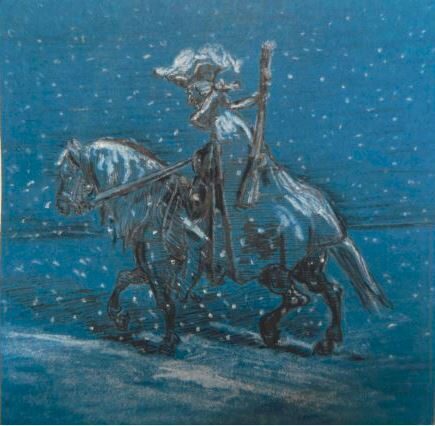
Doré visited Scotland in April, 1873, with plans to enjoy salmon fishing, but after several tries he abandoned fishing and preferred to occupy himself with his sketchbook. He drew landscapes of the Highlands, Aberdeenshire, Braemer, Balmoral, and Ballater, and in his travels experimented for the first time with the exclusive use of watercolor.
芝加哥藝術博物館CC BY 4.0
作品信息
- 馆藏编号
- 1970.593
已收入目录
出处
- 芝加哥藝術博物館: the museum's own open data · 6天前获取
- 图片: 芝加哥藝術博物館 — CC0
与此同时,在Gustave Doré的生活中
完整生平1870s
The engraving cycle “Versailles and Paris” and a history of Spain
In the 1870s Doré makes a cycle of engravings, “Versailles and Paris”, and illustrates an edition on the history of Spain.
1872
“London: A Pilgrimage” appears with 180 engravings
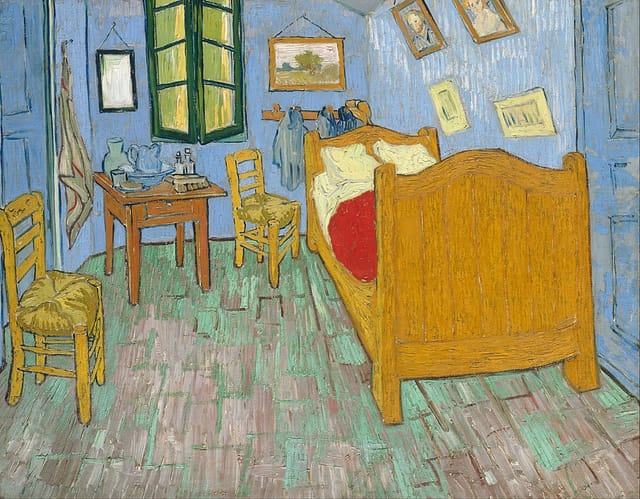
The book, a commercial success, is disliked by some British critics because it appears to focus on the poverty of parts of London: The Art Journal accuses Doré of “inventing rather than copying”, and the Westminster Review claims that he sets down the commonest, the vulgarest external features. The financial success brings Doré commissions from other British publishers, and the engravings impress Vincent van Gogh, who paints a version of the Prisoners' Round in 1890.
1873
A trip to Scotland: schooling in watercolour
According to the Musée de Grenoble, Doré develops his expertise as a watercolourist during a trip to Scotland in 1873.
1874–1879
87 illustrations for the Divine Comedy for the publisher Wolff
In 1874–79 Doré draws 87 illustrations for the three-volume edition of Dante's “Divine Comedy” published by Maurice Wolff in St Petersburg.