


Andy Warhol当时的生活
完整生平1961
遭利奥·卡斯特利拒绝
1961年,沃霍尔直接向收藏家罗伯特·斯卡尔出售绘画,吸引了大买家,但画商Ivan Karp仍未能为他找到画廊:利奥·卡斯特利认为他的作品与罗伊·利希滕斯坦过于相近,拒绝接纳。
1961
决定画钱
1961年12月参观克拉斯·奥尔登堡的装置作品《商店》后,沃霍尔沮丧地回到家,觉得自己的漫画画作不够新颖。他接受了Muriel Flatow以50美元给出的玩笑建议,去画自己最爱的东西,也就是钱,于是开始描绘美元纸钞。
1961–1962
Mastering silkscreen
Seeking technical advice, Warhol turned to Floriano Vecchi of Tiber Press, who showed him the basics of silkscreen printing: transferring designs to acetate, preparing screens and pulling ink with a squeegee. The experiments became a turning point and soon led to some of his earliest silkscreen works.
9 July 1962
Soup cans at the Ferus Gallery
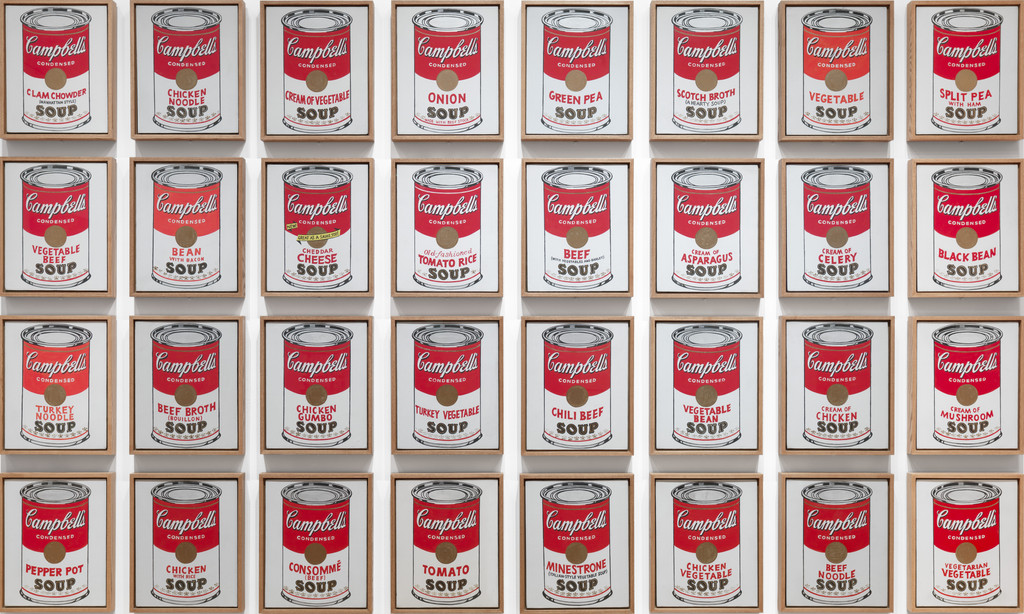
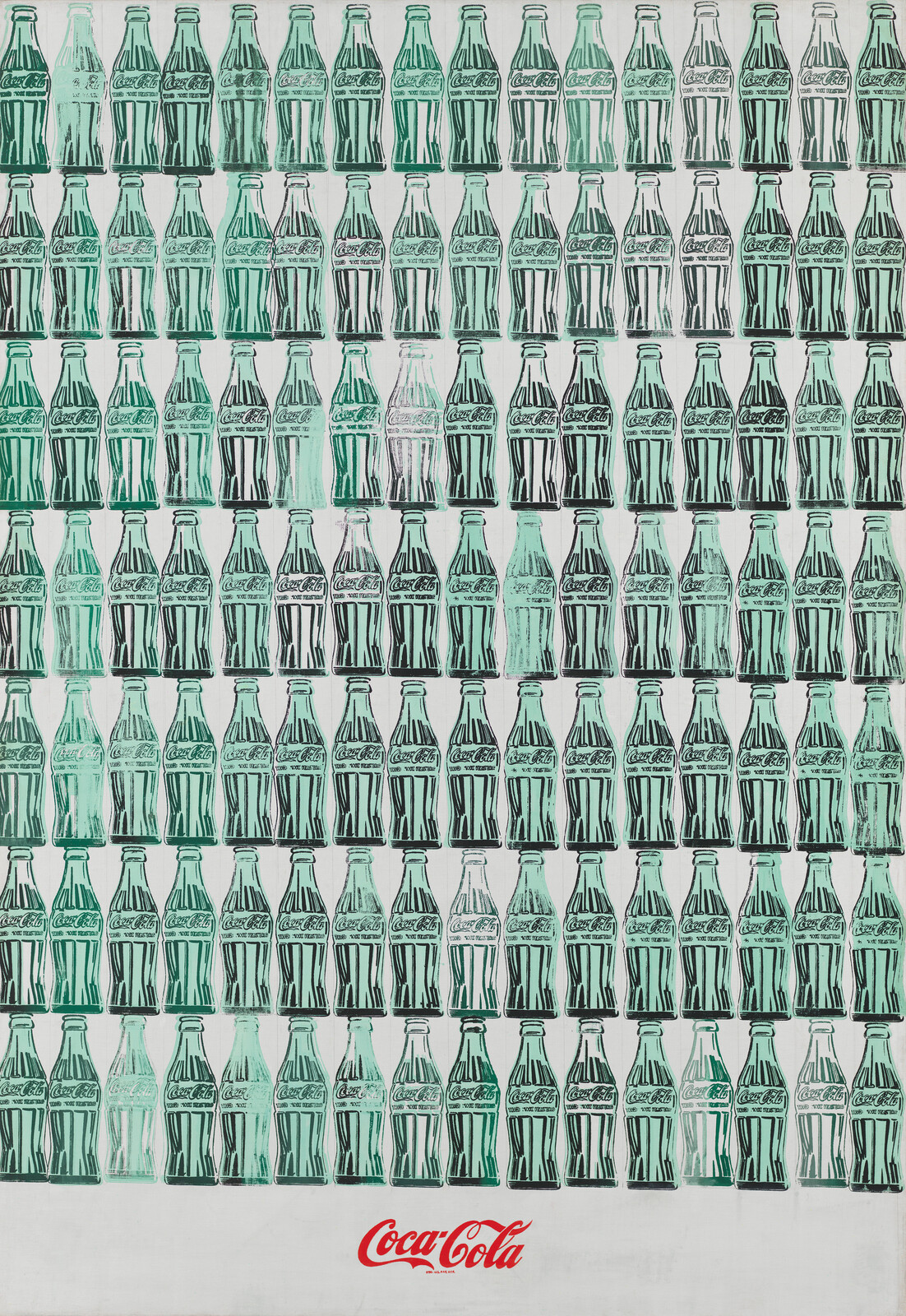
The Los Angeles dealer Irving Blum, surprised that Warhol had no gallery, offered him a solo show at the Ferus Gallery. Warhol sent 32 canvases, one for each variety of Campbell's soup; the exhibition opened on 9 July 1962 and marked his West Coast debut.
1962
“The New Realists” at the Sidney Janis Gallery
Invited by the dealer Sidney Janis, Warhol took part in the exhibition The New Realists, showing 200 Soup Cans, Big Campbell's Soup Can 19c (Beef Noodle) and Do It Yourself (Flowers). The show was widely seen as a turning point for the acceptance of Pop art: The New Yorker likened its effect on the New York art world to an “earthquake”.
6 November 1962
First solo Pop show in New York
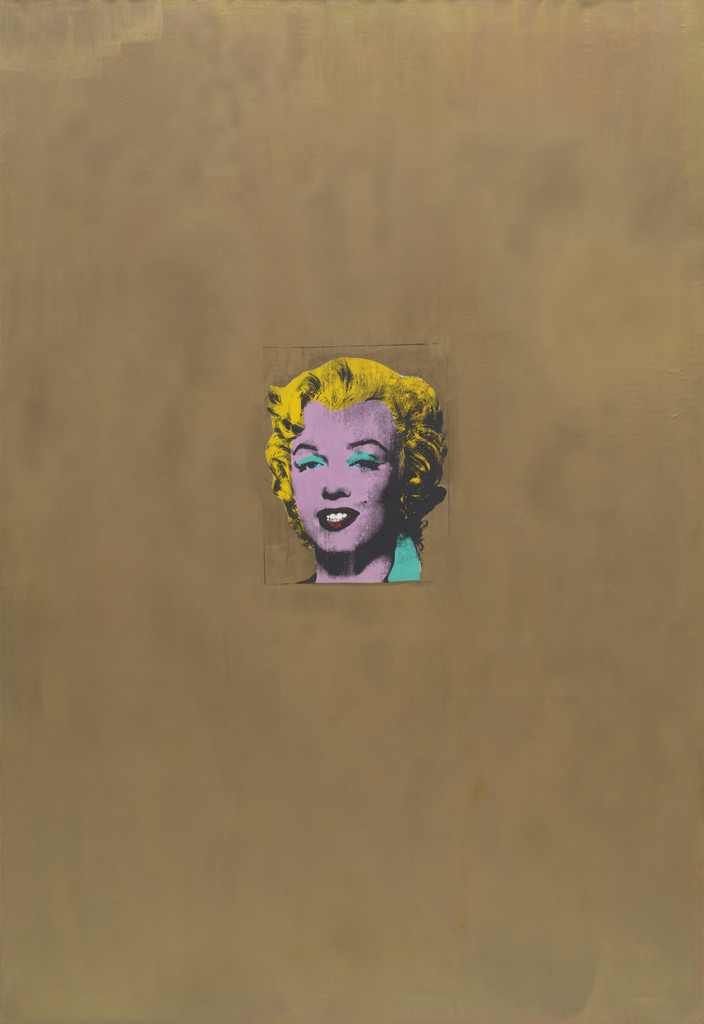
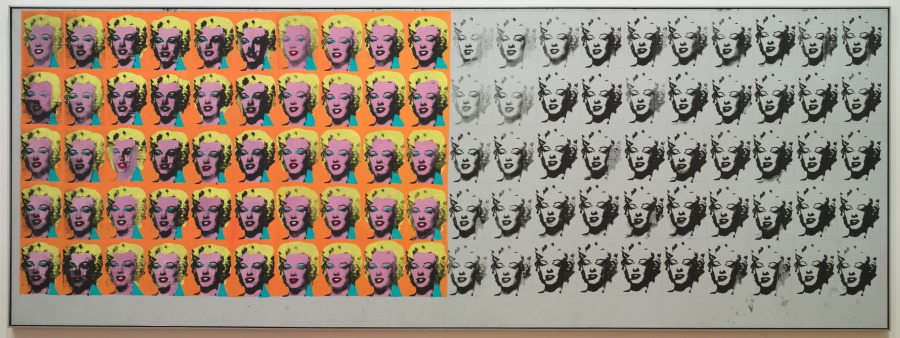
The filmmaker Emile de Antonio introduced Warhol to Eleanor Ward of the Stable Gallery, who agreed to a show in exchange for a painting of a two-dollar bill; the eighteen new works included Marilyn Monroe Twenty Times and Red Elvis. Michael Fried wrote in Art International that of all the painters working in the service of a popular iconography, Warhol was probably the most single-minded and the most spectacular.

![Liz #3 [Early Colored Liz], Andy Warhol, 1963](/api/img?u=https%3A%2F%2Fwww.artic.edu%2Fiiif%2F2%2F362c0c2a-4576-2207-4ba9-2b87e6d0bad0%2Ffull%2F1686%2C%2F0%2Fdefault.jpg)







