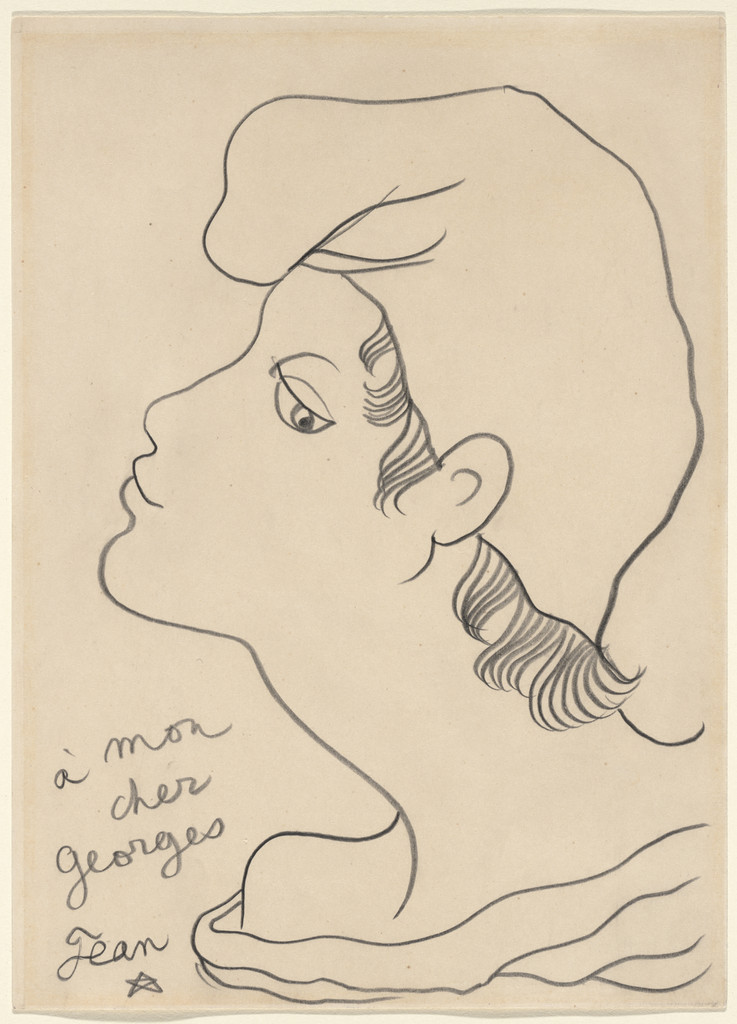
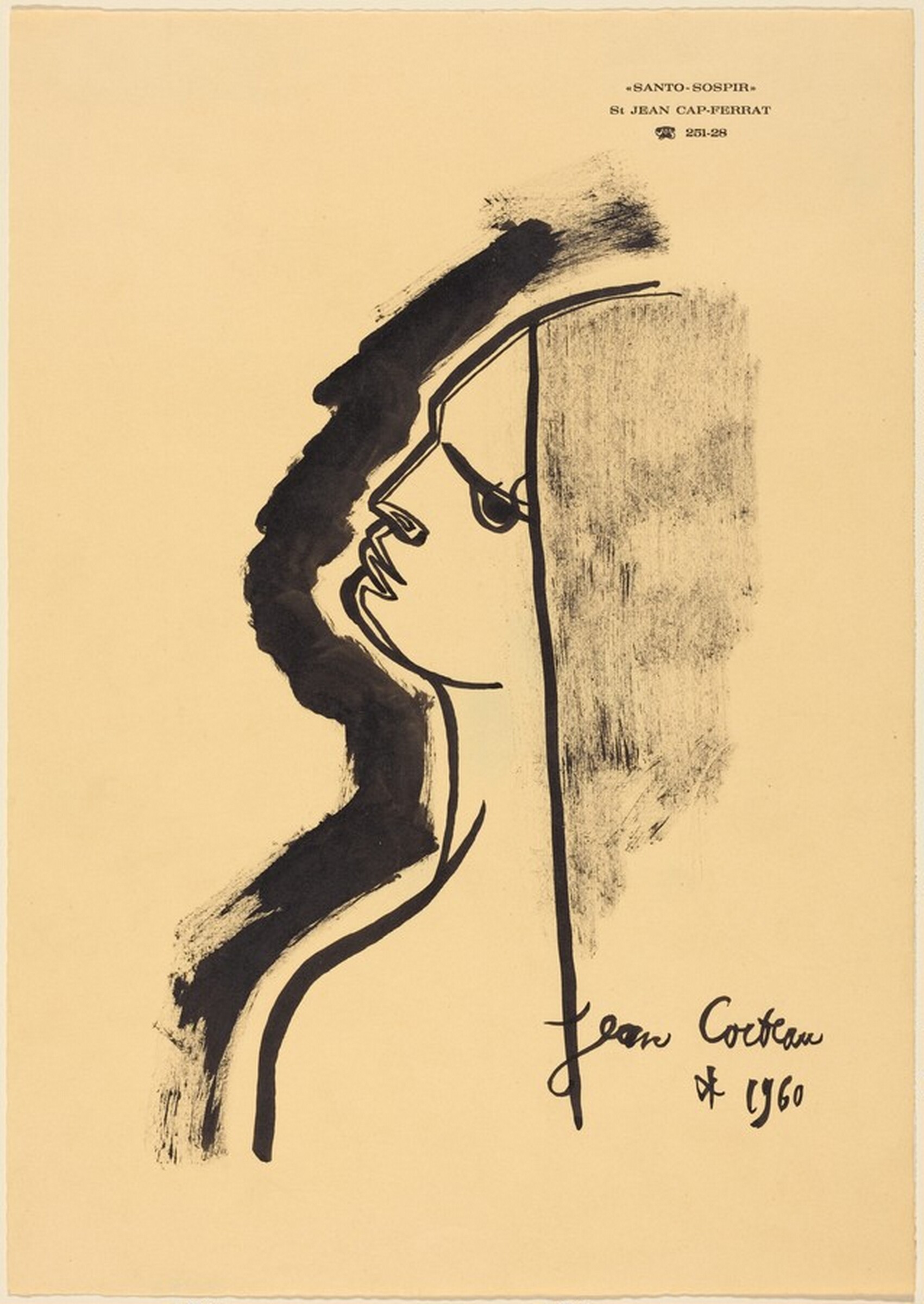
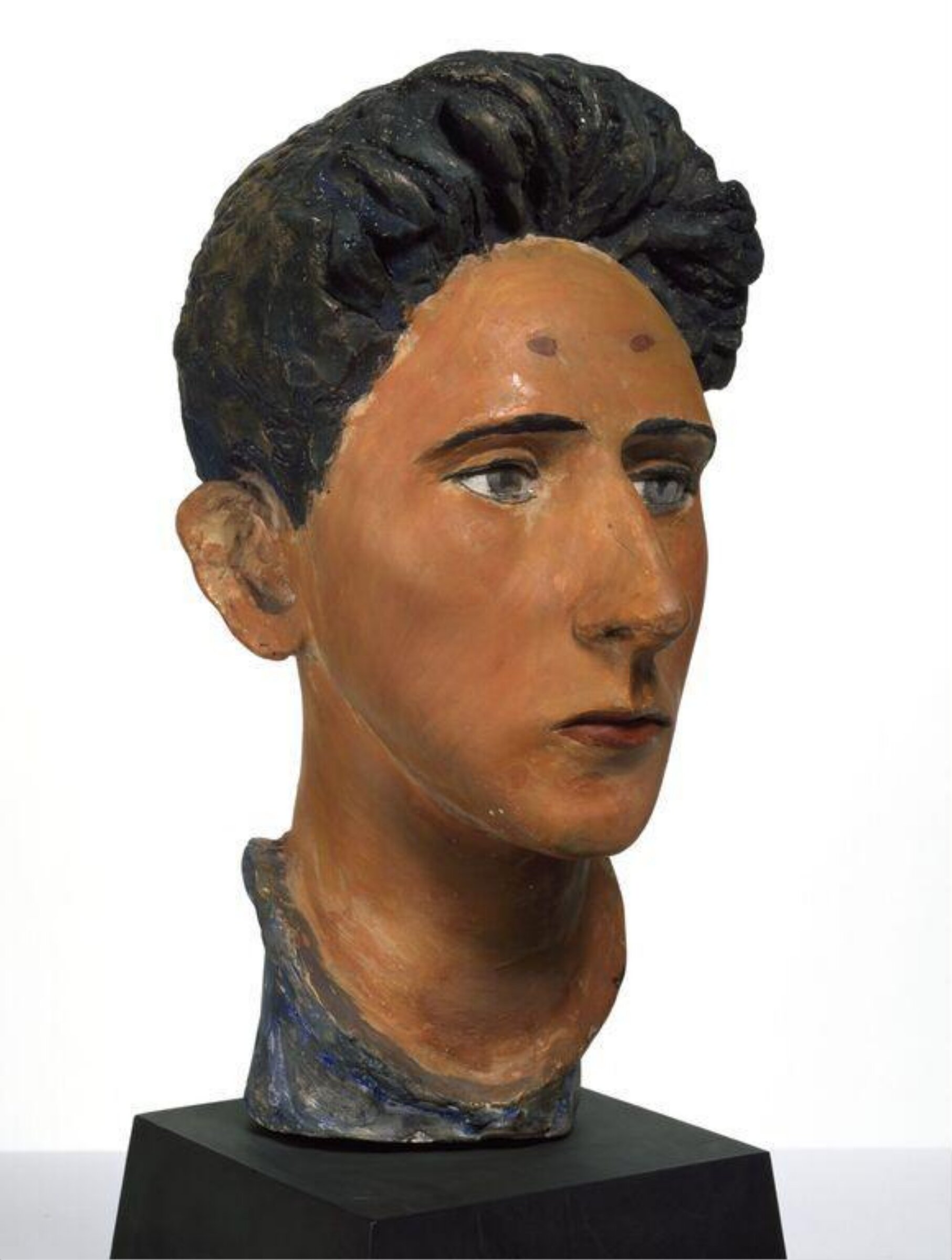
Jean Cocteau法国, 1889–1963
Nightmare (Cauchemar)
能看到吗?
目前未展出
《Nightmare (Cauchemar)》现在在哪里? 收藏方: 芝加哥藝術博物館, 芝加哥. 目前未展出. 核实 2026年9月29日.

芝加哥, 美國
仍属馆藏,只是目前没有展出。
- 核实
- 此状态始于
- 出处
- 博物馆
关于作品
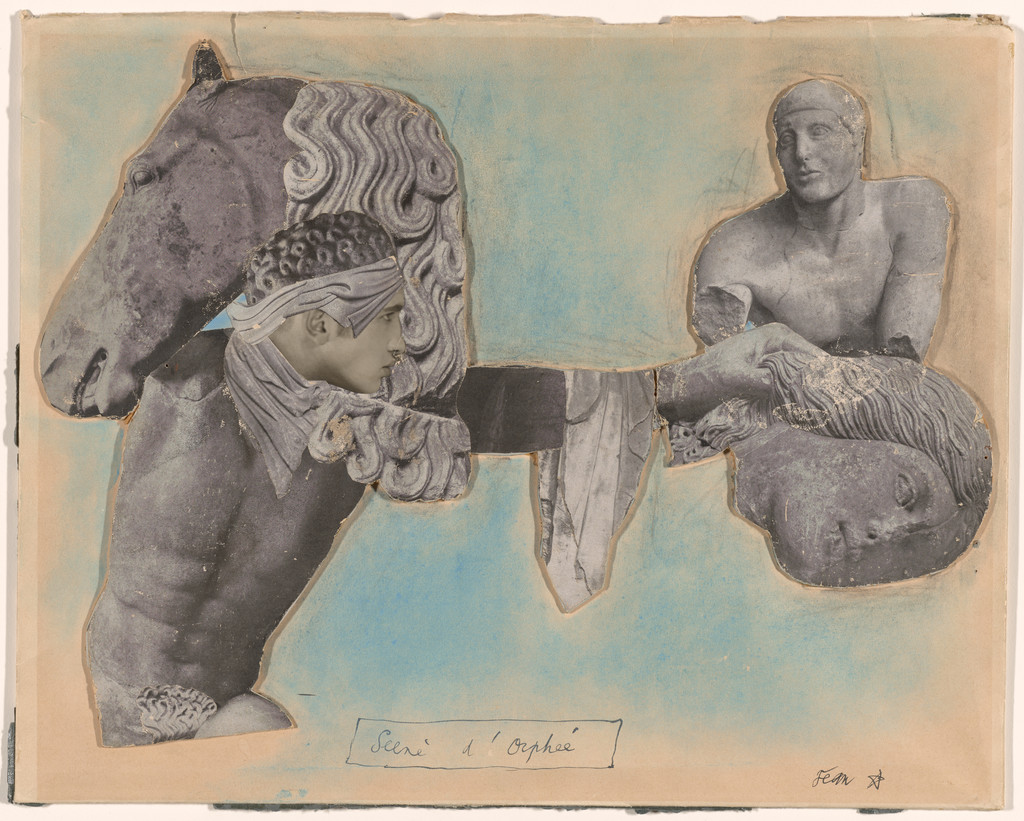
Cocteau is best known for his work as a writer and film director. He received his earliest notoriety for the 1917 ballet, Parade, that he produced for Diaghilev, with choreography by Leonide Massine, sets by Pablo Picasso, and music by Erik Satie. It was for this work that Guillaume Apollinaire, writing critically, coined the prophetic term "surreal." Cocteau saw himself as the invisible man who made the invisible world visible. Nightmare is clearly an image drawn from the subconscious, a condition that was exaggerated by Cocteau's addiction to opium, a drug he began using to abate his depression after the death in 1923 of his protege, the young novelist Raymond Radiguet. In Nightmare the dismembered hand and its exaggerated size bespeak the effect of opium on a keen and alert intellect in agony. The artist described these violently expressive drawings as "screams of suffering in slow motion."
芝加哥藝術博物館CC BY 4.0
作品信息
- 馆藏编号
- 1996.4
已收入目录
出处
- 芝加哥藝術博物館
- 图片: 芝加哥藝術博物館 — © the artist or rights holder
Jean Cocteau当时的生活
完整生平1918–1923
Friendship with Raymond Radiguet
In 1918 he met the poet Raymond Radiguet; they collaborated on literary projects and travelled together, and Cocteau helped him obtain exemption from military service, arranged for Grasset to publish his novel “Le Diable au corps,” and used his influence to have it awarded the “Nouveau Monde” prize.
early 1920s
Initiator of the composers’ group Les Six
Together with Erik Satie and with the support of the critic Henri Collet he initiated the group of young composers known as Les Six, modelled on the Russian “Mighty Handful”; Cocteau said the group was held together less by aesthetics than by ethics.
early 1920s
The bar Le Boeuf sur le Toit
In the early twenties he and other members of Les Six frequented the wildly popular bar Le Boeuf sur le Toit, whose name he had a hand in choosing; its popularity was due in no small measure to the presence of Cocteau and his friends.
1923
The death of Raymond Radiguet
There is disagreement over Cocteau’s reaction to Radiguet’s sudden death: some say he was stunned and despondent, others point out that he did not attend the funeral (he generally did not) and left Paris at once with Diaghilev for a performance of “Les Noces” by the Ballets Russes at Monte Carlo.
1923
Opium addiction
By Cocteau’s own account his opium addiction was only a coincidence, the result of a chance meeting with Louis Laloy, administrator of the Monte Carlo Opera; his opium use and his efforts to stop profoundly changed his literary style.
1926
The exhibition “Poésie plastique — objets, dessins”
“Orphée” was quickly followed by an exhibition of his drawings and “constructions” called “Poésie plastique — objets, dessins.”