ART WIKI32,963 件在展
地图藏品艺术家博物馆展览专栏
登录

ART WIKI

名作悬于何处,几时开门迎客。

馆藏:阿姆斯特丹国家博物馆、埃尔米塔日博物馆、大都會藝術博物館、丹麥國立美術館、俄羅斯博物館、蓋蒂別墅、国家美术馆、哈佛藝術博物館、赫尚博物馆和雕塑园、惠特尼美国艺术博物馆、克利夫蘭藝術博物館、卢浮宫博物馆、美国国立亚洲艺术博物馆、美國國家肖像畫廊、明尼阿波利斯美術館、普希金造型藝術博物館、史密森尼美國藝術博物館、特列季亚科夫画廊、维多利亚和阿尔伯特博物馆、現代藝術博物館、芝加哥藝術博物館、J·保羅·蓋蒂博物館、俄罗斯博物馆藏品国家目录(274 家博物馆)、Europeana(19 家博物馆)、维基数据(6 家博物馆)、Paris Musées(12 家博物馆)和Joconde(法国文化部博物馆数据库)(495 家博物馆)。图片版权归各权利人所有。

栏目

  • 地图
  • 搜索
  • 藏品
  • 名作
  • 此刻在展
  • 艺术家

更多

  • 博物馆与画廊
  • 展览
  • 专栏
  • 数据从何而来
  • 隐私与 Cookie
首页地图目录
  1. 藏品/
  2. 現代藝術博物館/
  3. Main Current (Hauptstrom)
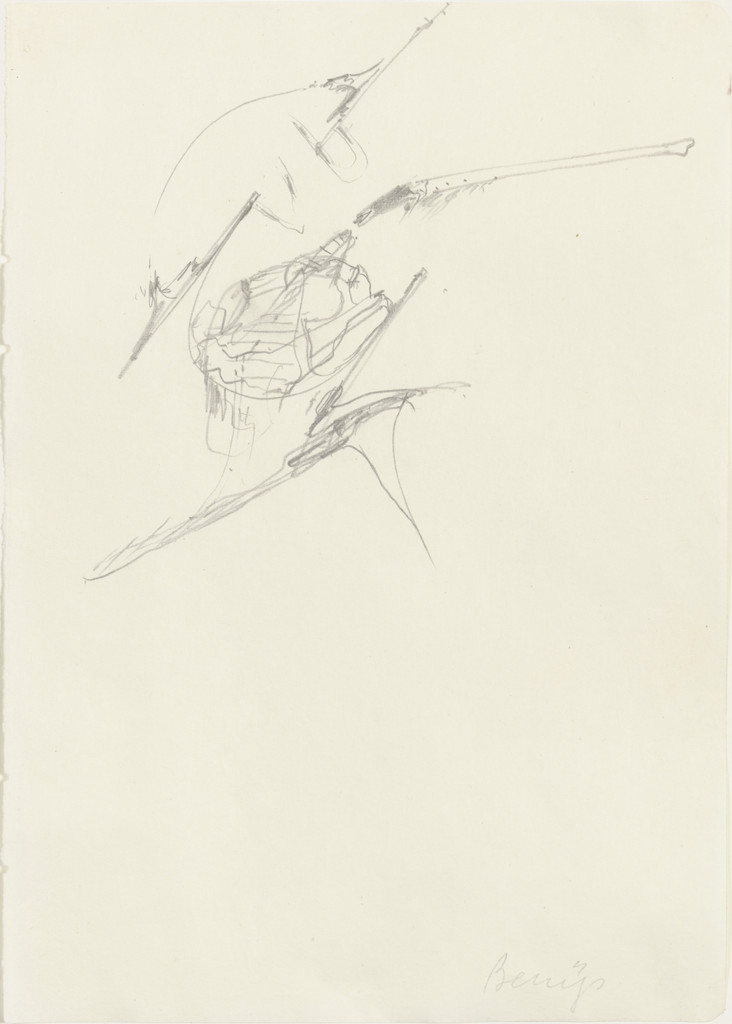
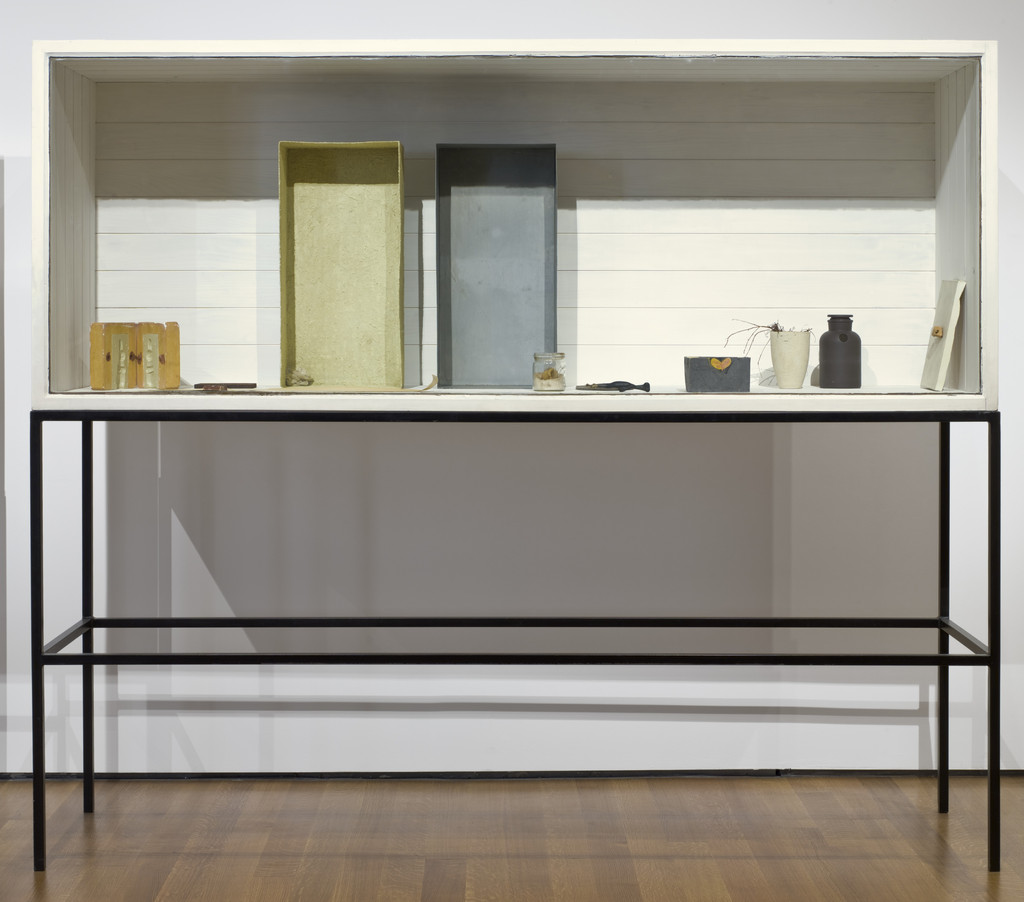
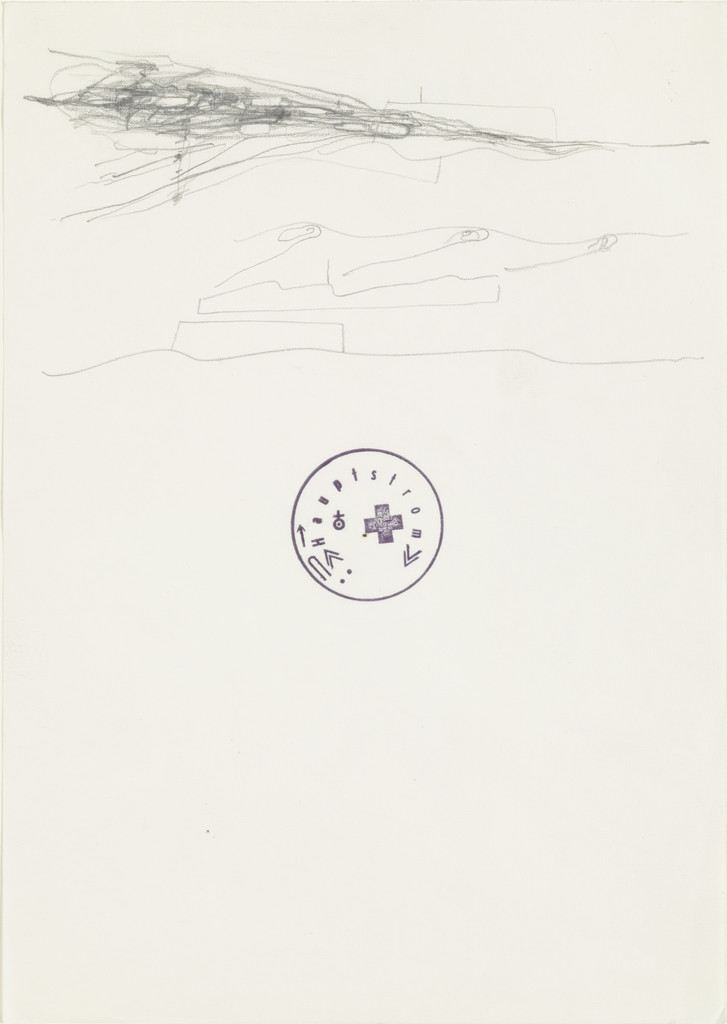
Main Current (Hauptstrom), Joseph Beuys, 1967
Joseph Beuys肖像Joseph Beuys德国, 1921–1986

Main Current (Hauptstrom)

1967 · Drawing

可否一睹真容?

眼下不见客

現代藝術博物館

纽约, 美國

仍属馆藏,只是目前没有展出。

核实
9天前
出处
博物馆
在地图上看博物馆页面

作品信息

1967 · 46岁
19211986
馆藏编号
1284.2005

已收入目录

素描与水彩铅笔战后艺术20 世纪

出处

  • 現代藝術博物館
  • 图片: 現代藝術博物館 — © the artist or rights holder

与此同时,在Joseph Beuys的生活中

完整生平
  1. 1960s

    Forms the idea of “social sculpture”

    Drawing on Novalis and Schiller and on Rudolf Steiner's ideas of social threefolding, Beuys developed the concept of social sculpture: society as a whole is one great work of art to which everyone can contribute creatively (“everyone is an artist”).

  2. 26 November 1965

    First solo exhibition in a private gallery

    The show opened with an action involving a dead hare: Beuys, his face covered in honey and gold leaf, murmured explanations of the drawings on the walls to the animal while viewers watched through the gallery window; some critics called the photograph with the hare a new Mona Lisa of the 20th century.

  3. 1967

    Founds a party made up of students

    In June 1967, during a student demonstration in West Berlin, a participant died after a clash with the police; in response Beuys created a political party made up solely of students, demanding student self-government and free admission to university for anyone who wished.

  4. 1968年6月27日–1968年10月6日

    Exhibition: 4. documenta

  5. 1969

    Calls teaching his greatest work

    In a 1969 Artforum interview with Willoughby Sharp, Beuys added to his famous statement that teaching is his greatest work of art: the rest is merely waste product and demonstration.
Joseph Beuys的更多作品

全部作品
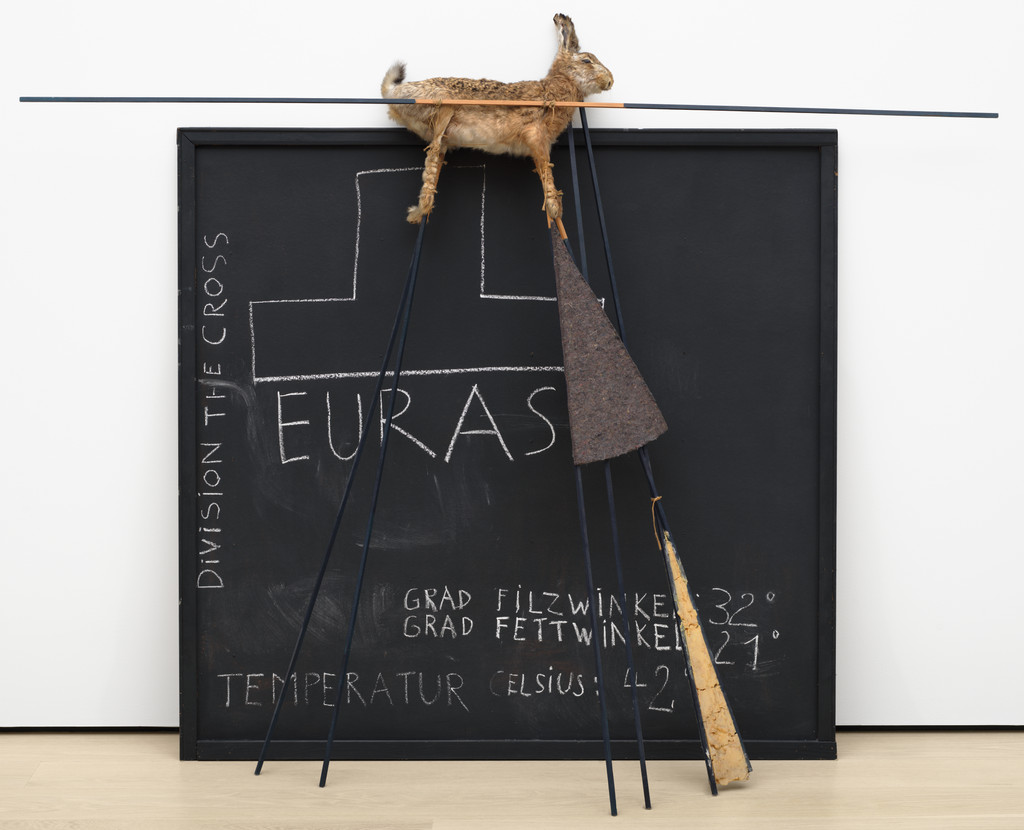
Eurasia Siberian Symphony 1963, Joseph Beuys, 1966

Eurasia Siberian Symphony 1963

1966 · 現代藝術博物館

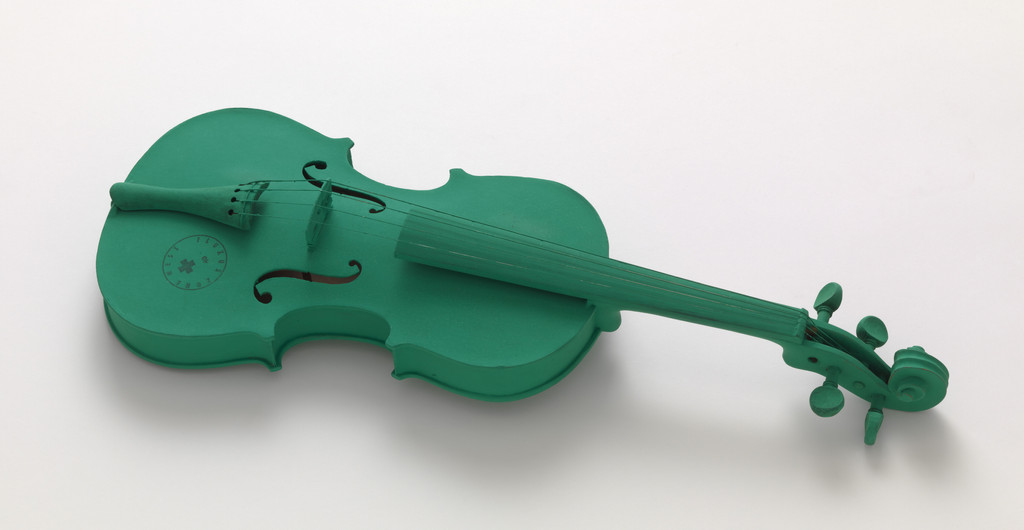
Green Violin (Grüne Geige), Joseph Beuys, Henning Christiansen, 1974

Green Violin (Grüne Geige)

1974 · 現代藝術博物館

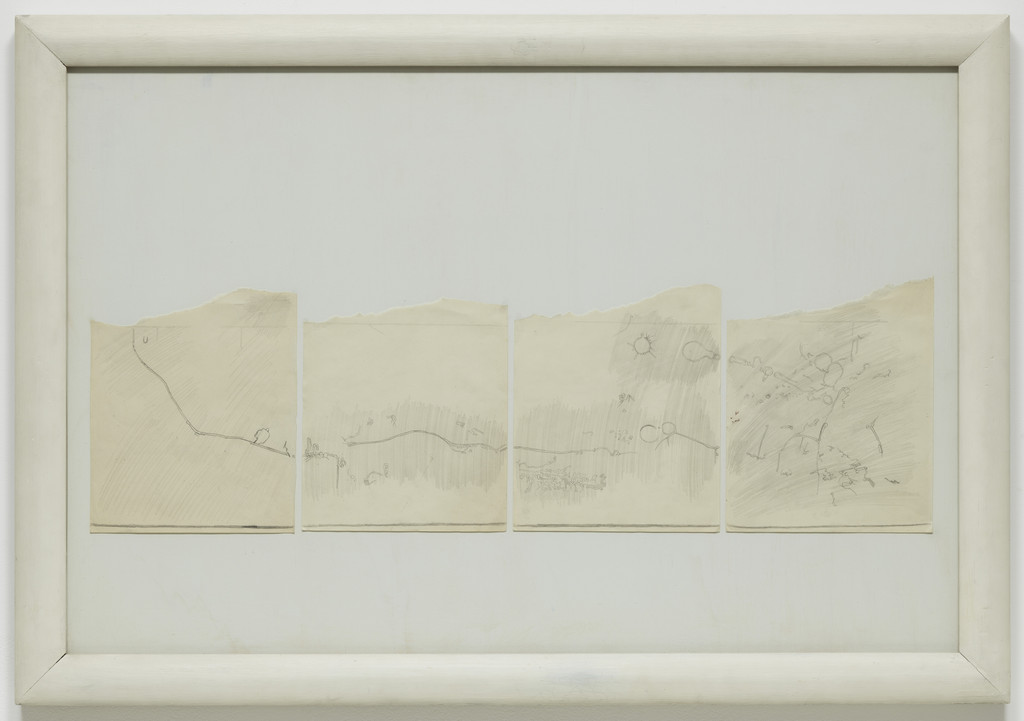
Untitled, Joseph Beuys, n.d.

Untitled

n.d. · 未展出 · 現代藝術博物館

Untitled, Joseph Beuys, 1947 and 1970s

Untitled

1947 and 1970s · 未展出 · 現代藝術博物館

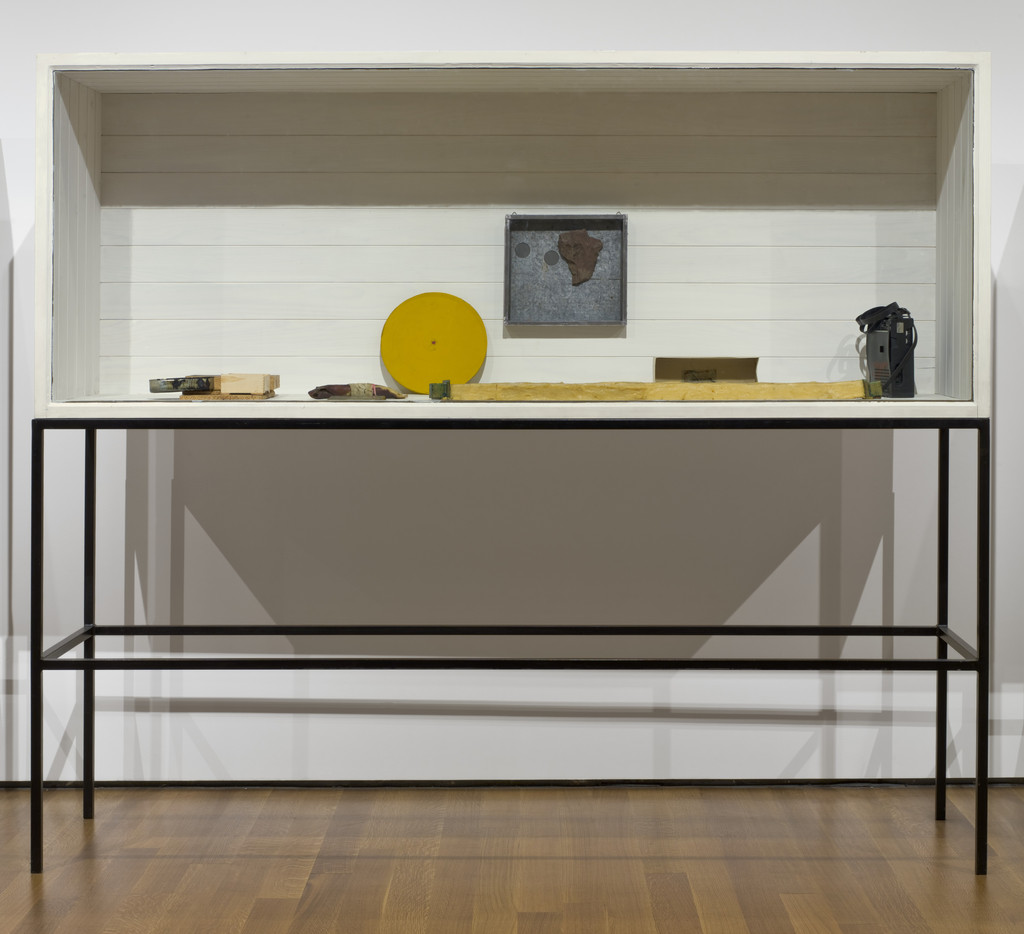
Untitled III, Joseph Beuys, 1948-81

Untitled III

1948-81 · 未展出 · 現代藝術博物館

Hind (Hirschkuh), Joseph Beuys, 1948, printed 1973-74

Hind (Hirschkuh)

1948, printed 1973-74 · 未展出 · 現代藝術博物館

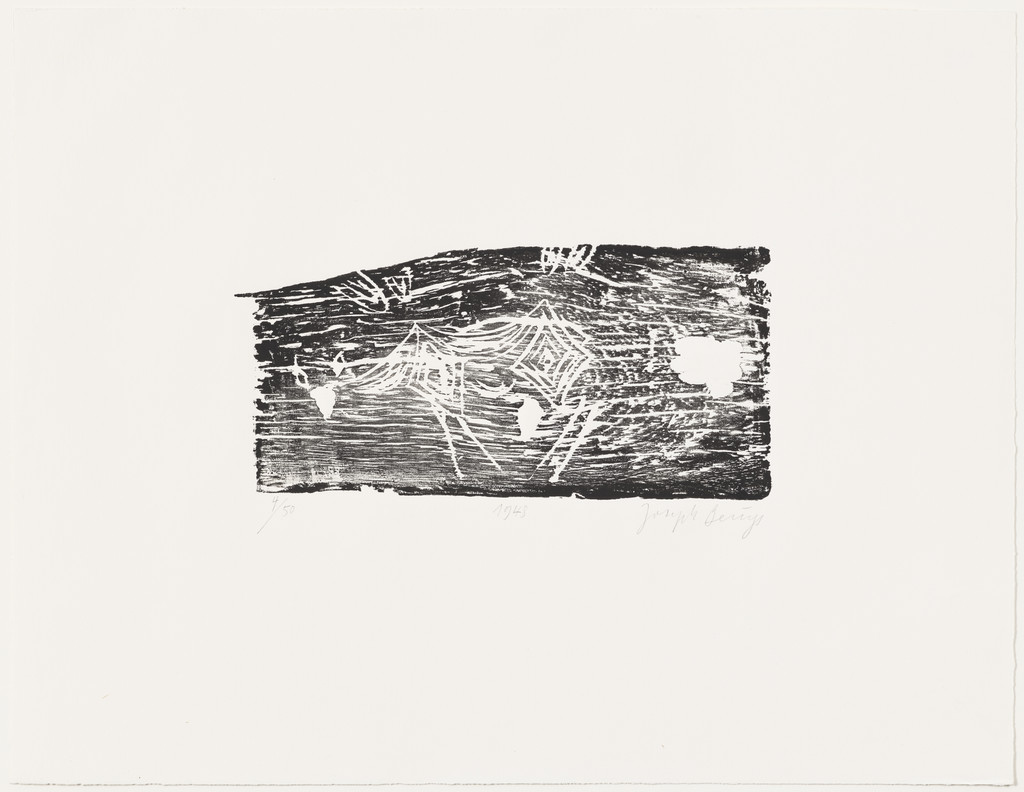
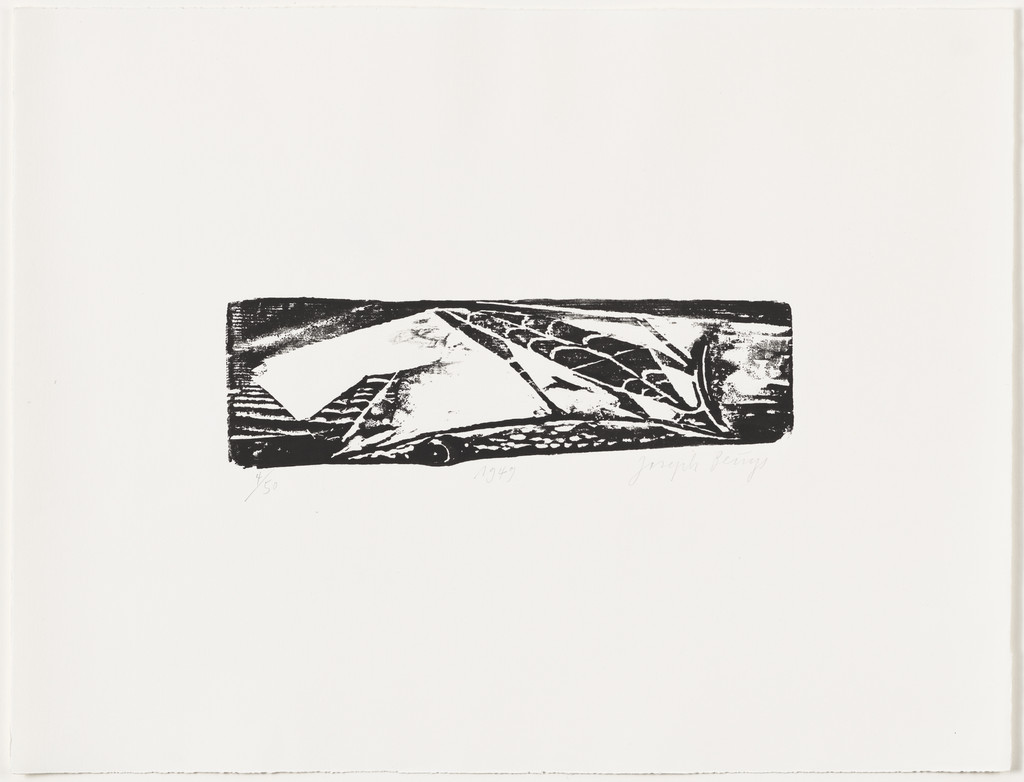
Shallows (Wattenmeer), Joseph Beuys, 1949,  printed 1973-74

Shallows (Wattenmeer)

1949, printed 1973-74 · 未展出 · 現代藝術博物館

Untitled V, Joseph Beuys, 1949-82

Untitled V

1949-82 · 未展出 · 現代藝術博物館

同馆近邻:現代藝術博物館

博物馆页面
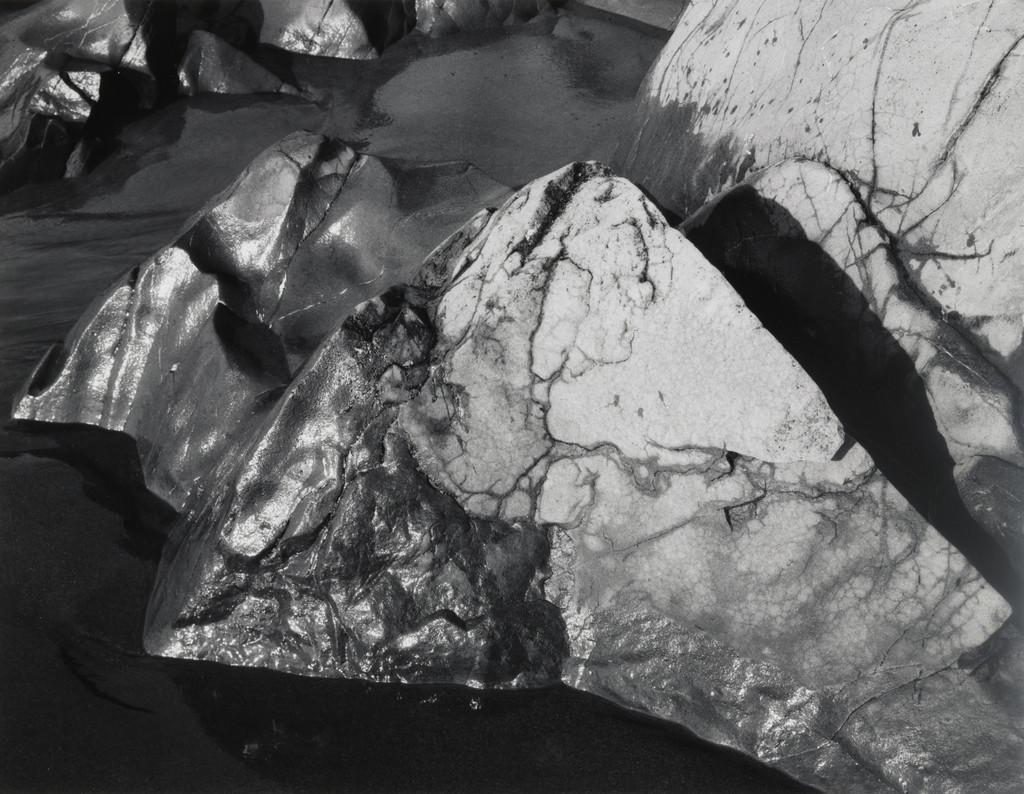
Rock, Bakers Beach, San Francisco, California, Ansel Adams, c. 1931

Ansel Adams

Rock, Bakers Beach, San Francisco, California, c. 1931

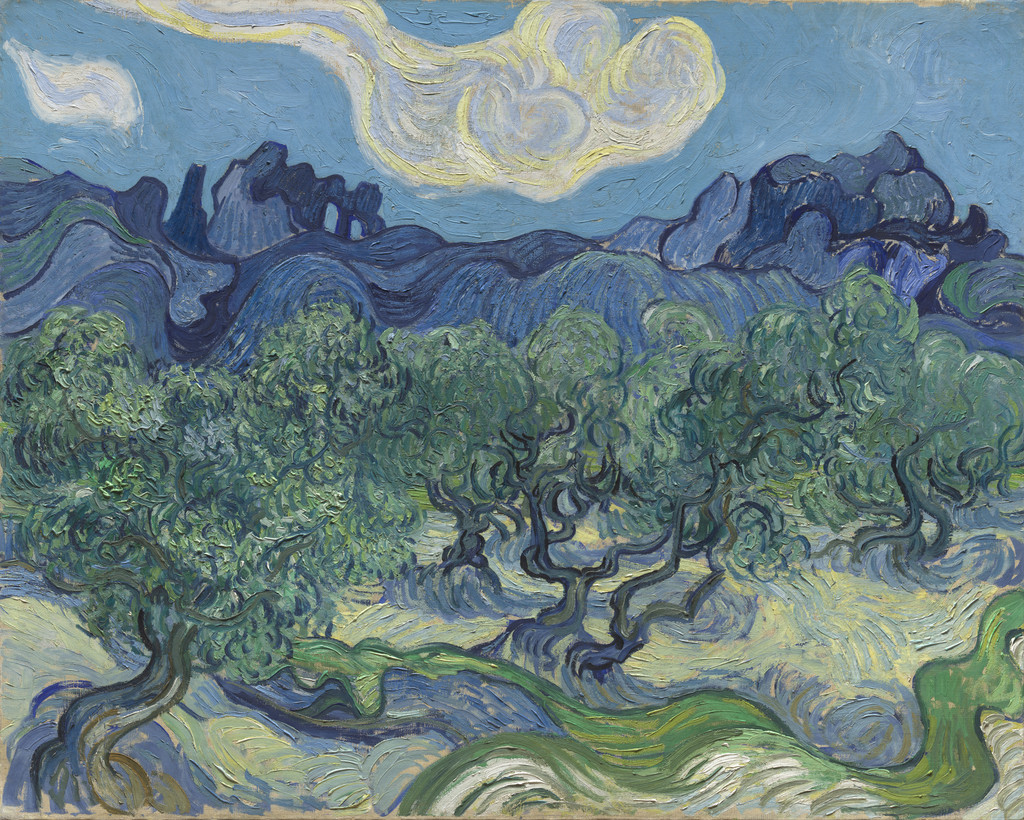
The Olive Trees, Vincent van Gogh, Saint Rémy, June-July 1889

Vincent van Gogh

The Olive Trees, Saint Rémy, June-July 1889

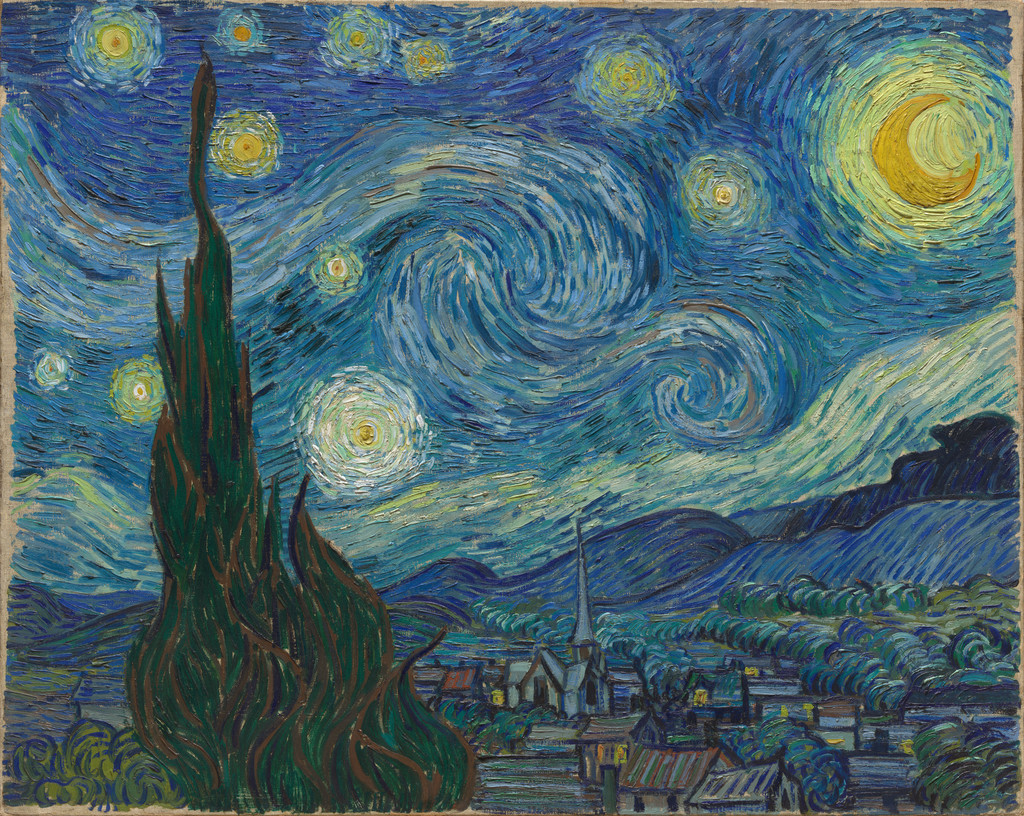
The Starry Night, Vincent van Gogh, Saint Rémy, June 1889

Vincent van Gogh

星夜, Saint Rémy, June 1889

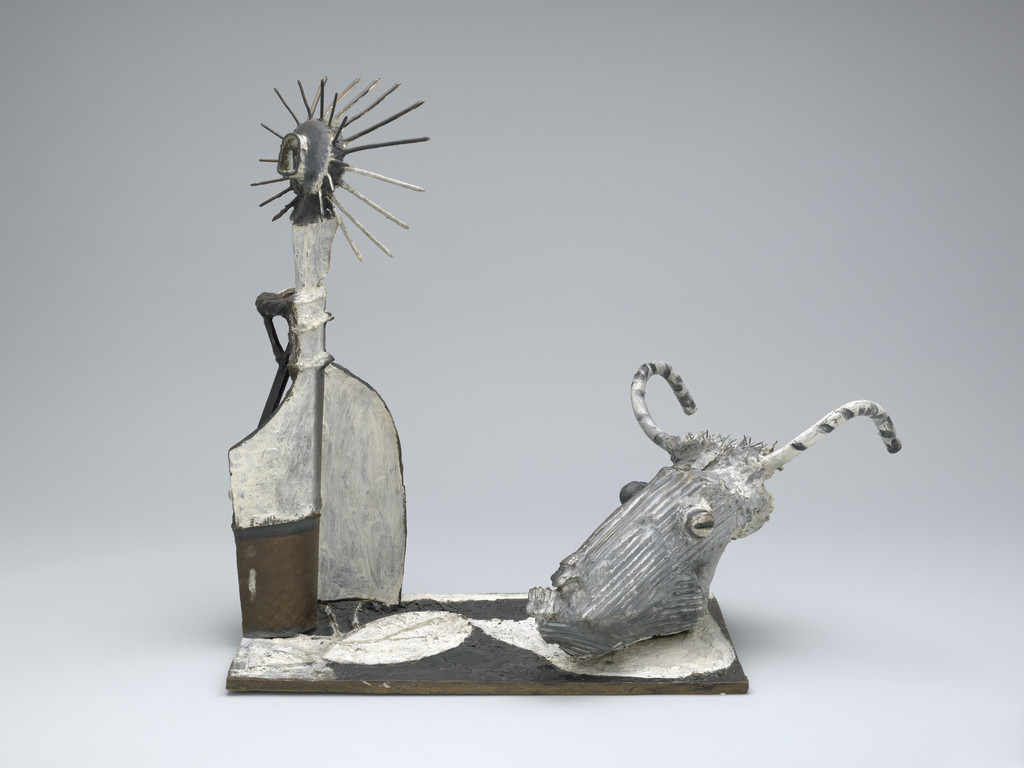
Goat Skull and Bottle, Pablo Picasso, Vallauris, 1951 (cast 1954)

Pablo Picasso

Goat Skull and Bottle, Vallauris, 1951 (cast 1954)

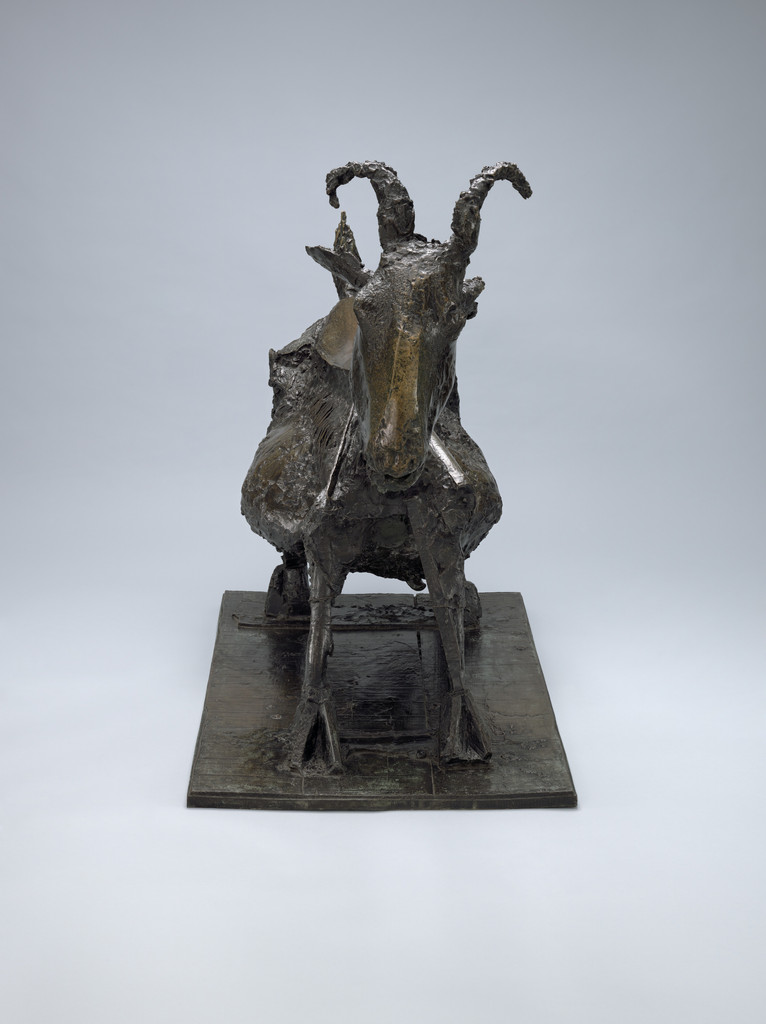
She-Goat, Pablo Picasso, Vallauris, 1950 (cast 1952)

Pablo Picasso

She-Goat, Vallauris, 1950 (cast 1952)

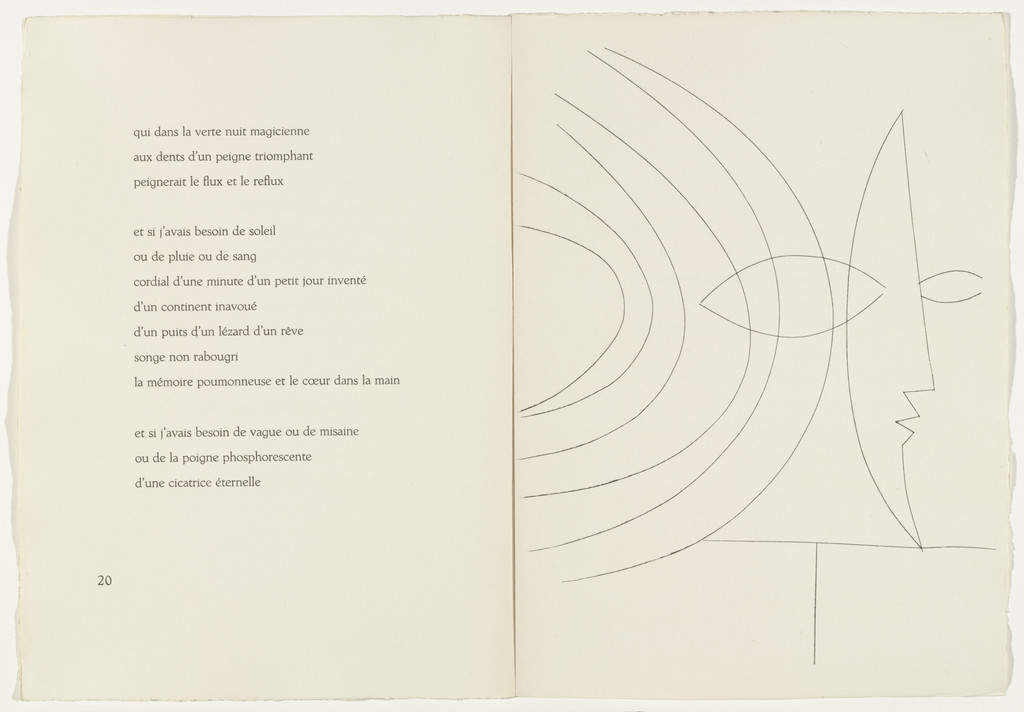
Face in Profile (plate, page 21) from Corps perdu, Pablo Picasso, 1949, published 1950

Pablo Picasso

Face in Profile (plate, page 21) from Corps perdu, 1949, published 1950

Coupling (plate, page 17) from Corps perdu, Pablo Picasso, 1949, published 1950

Pablo Picasso

Coupling (plate, page 17) from Corps perdu, 1949, published 1950

"Présence" (chapter title, page 13) from Corps perdu, Pablo Picasso, 1949, published 1950

Pablo Picasso

"Présence" (chapter title, page 13) from Corps perdu, 1949, published 1950