 Joseph Beuys德国, 1921–1986
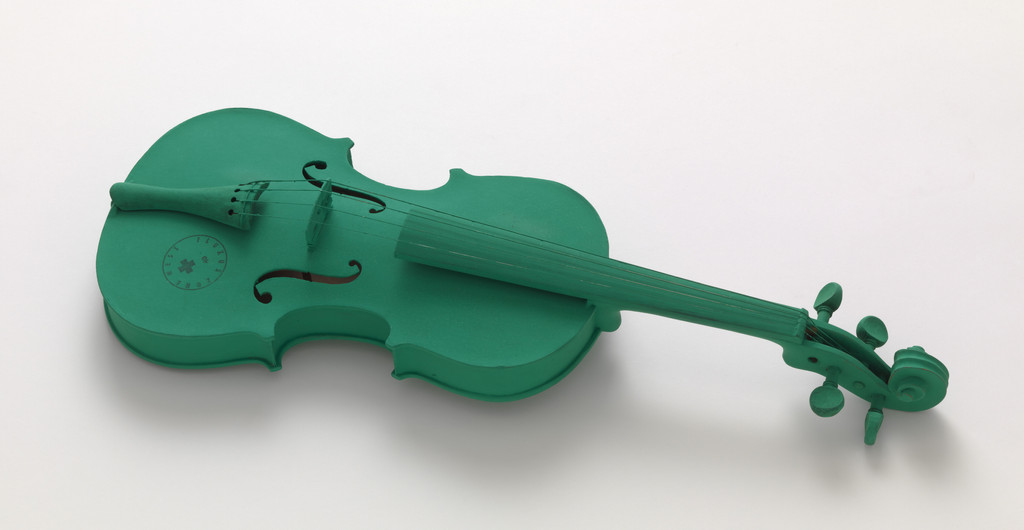
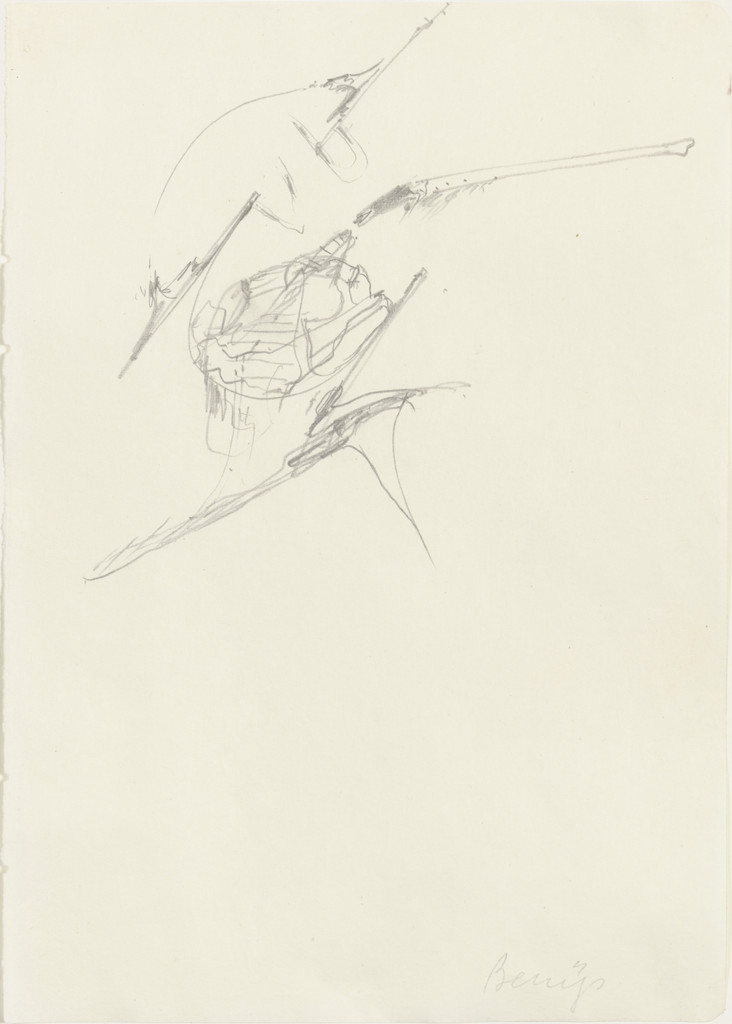
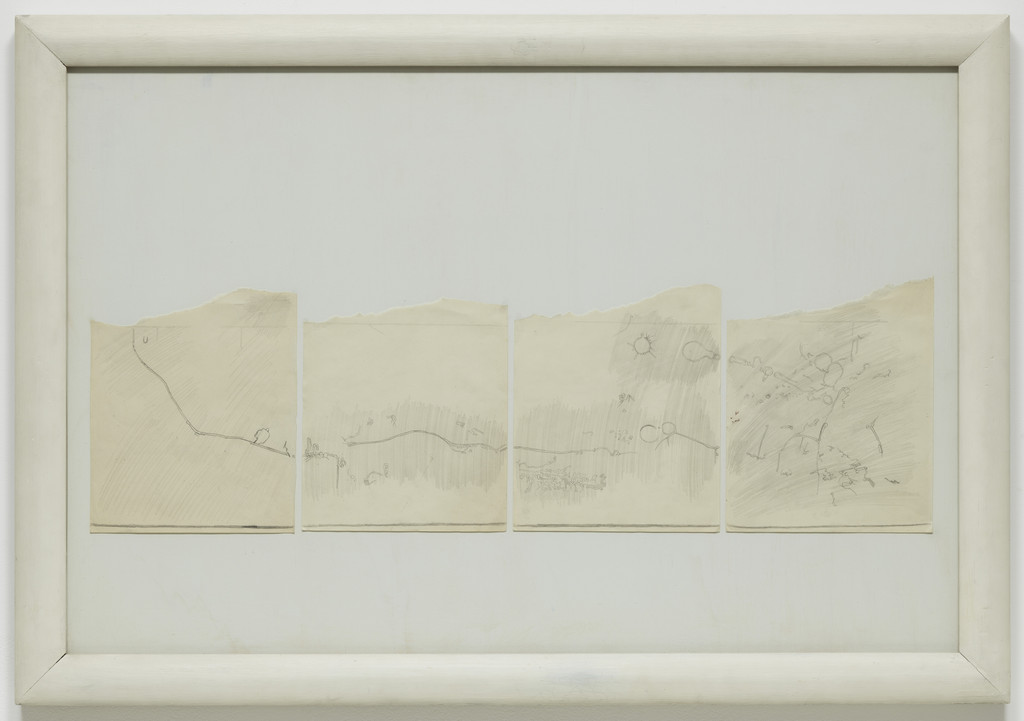
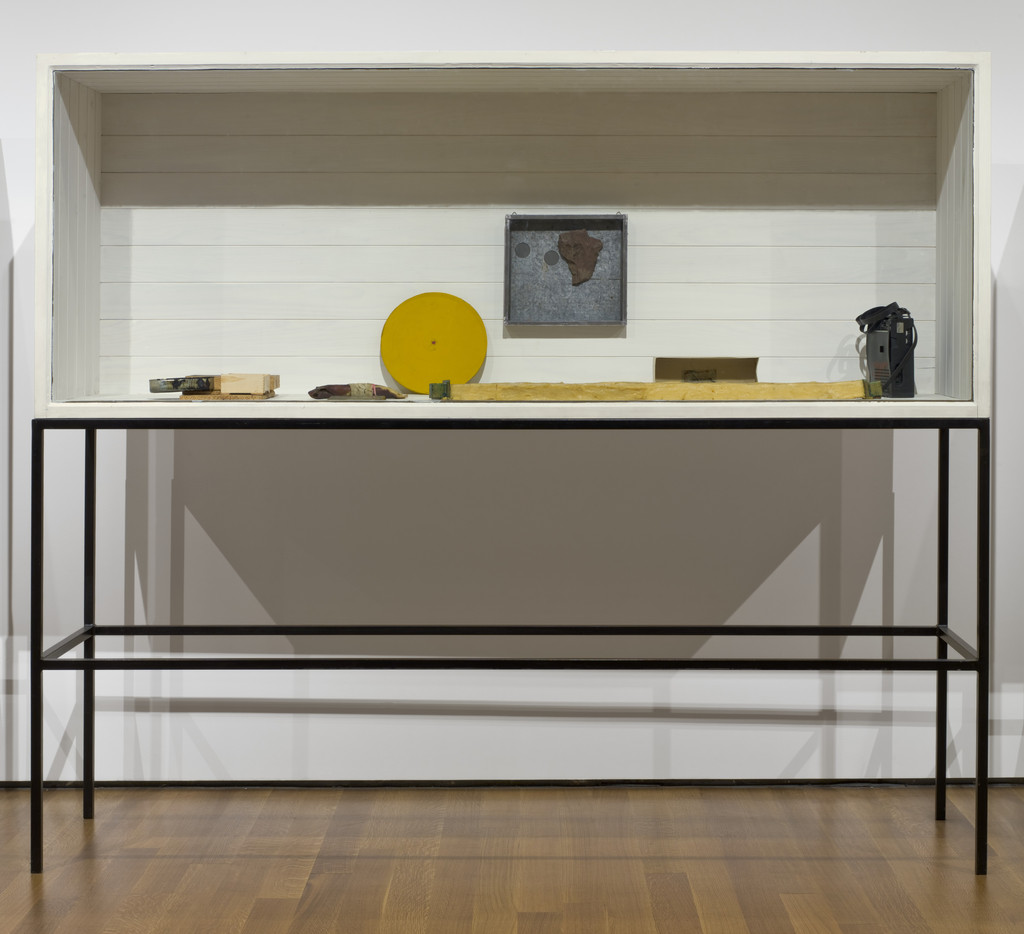
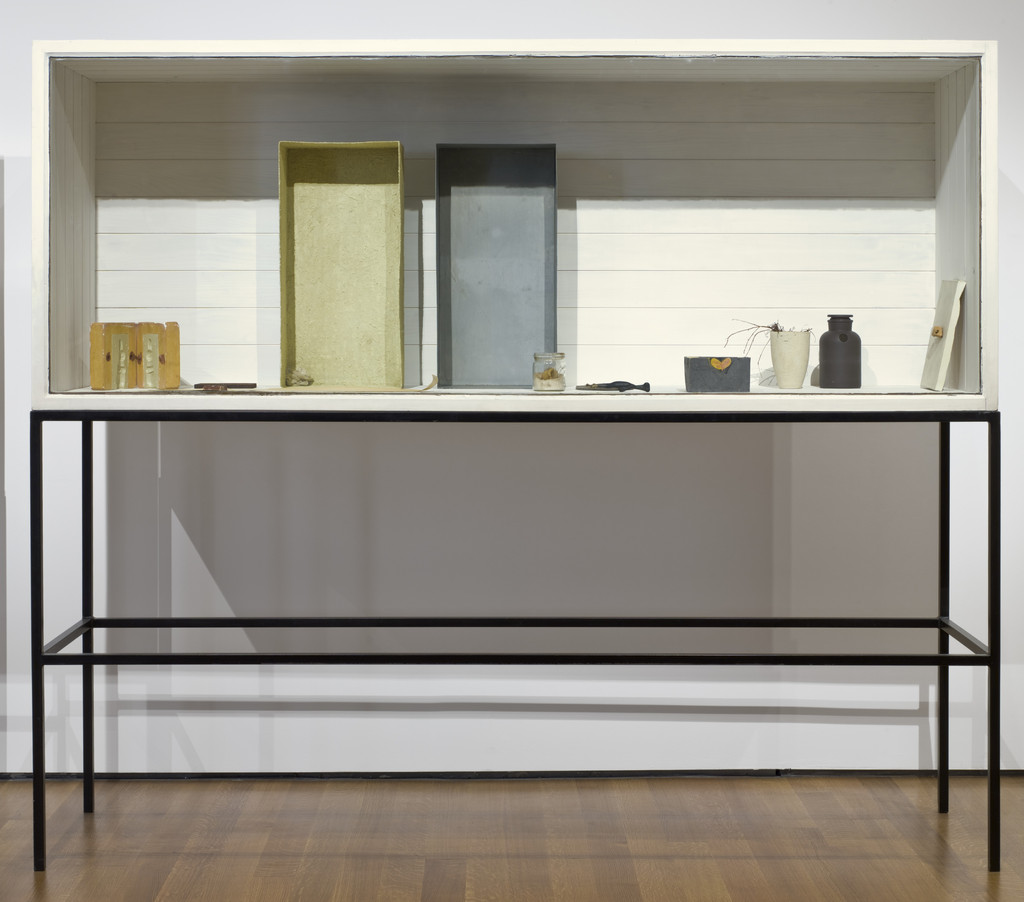
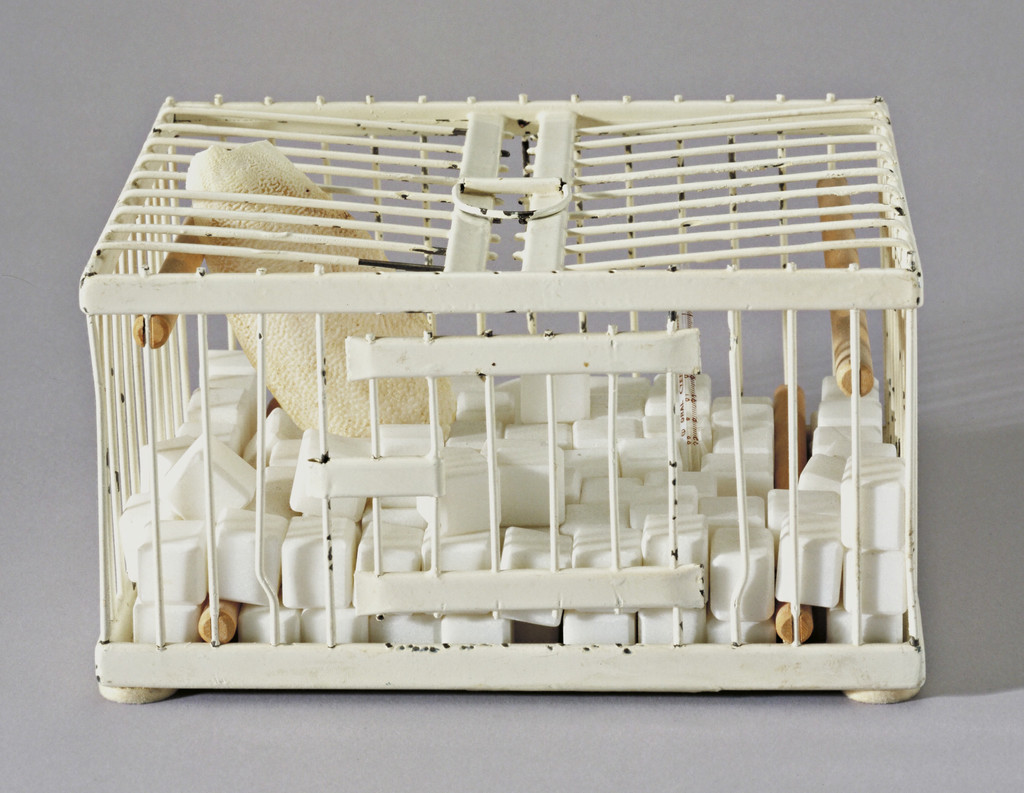
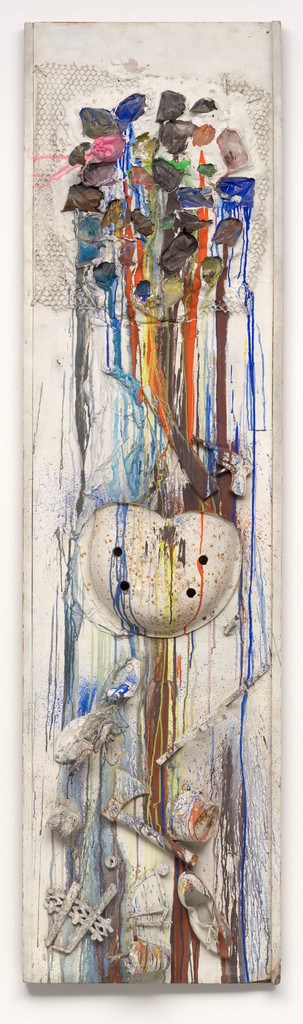
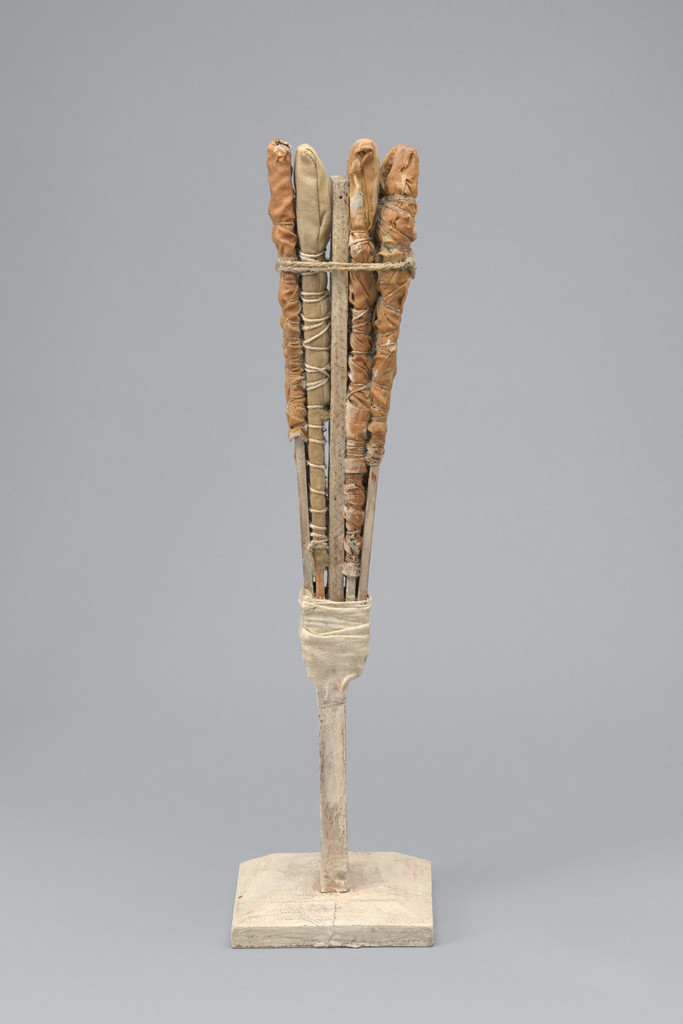
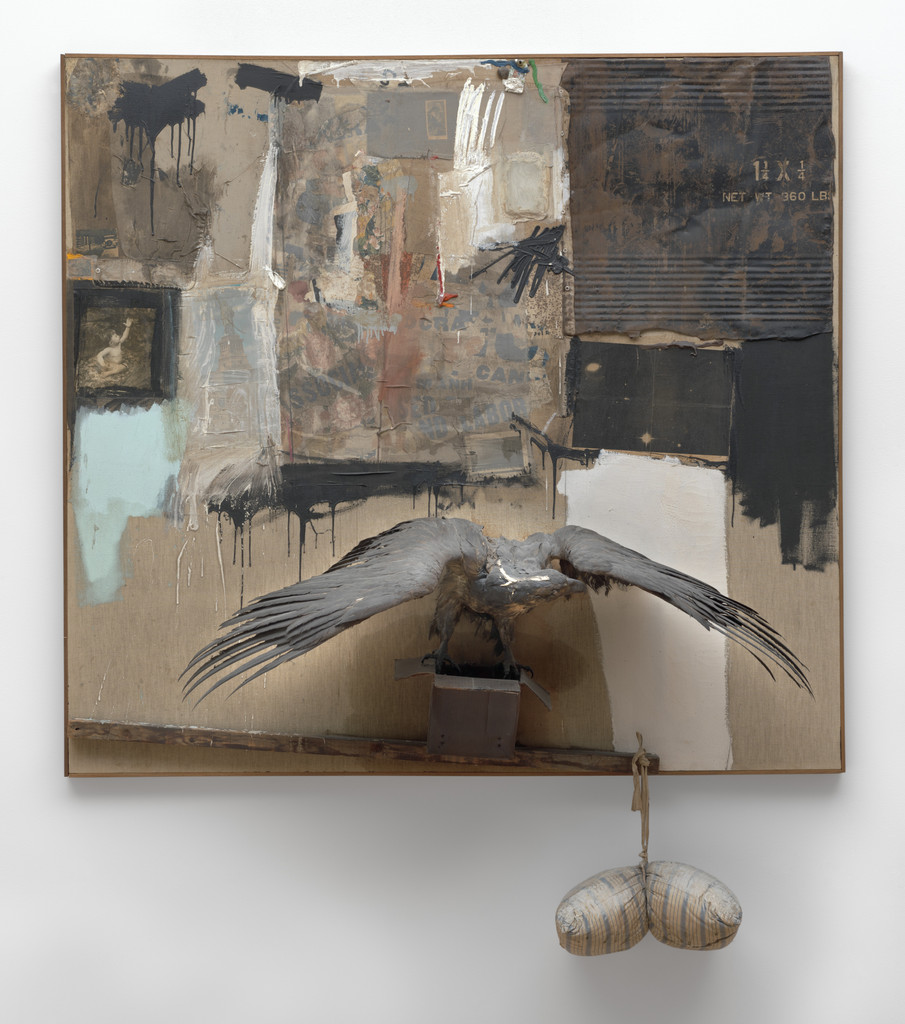
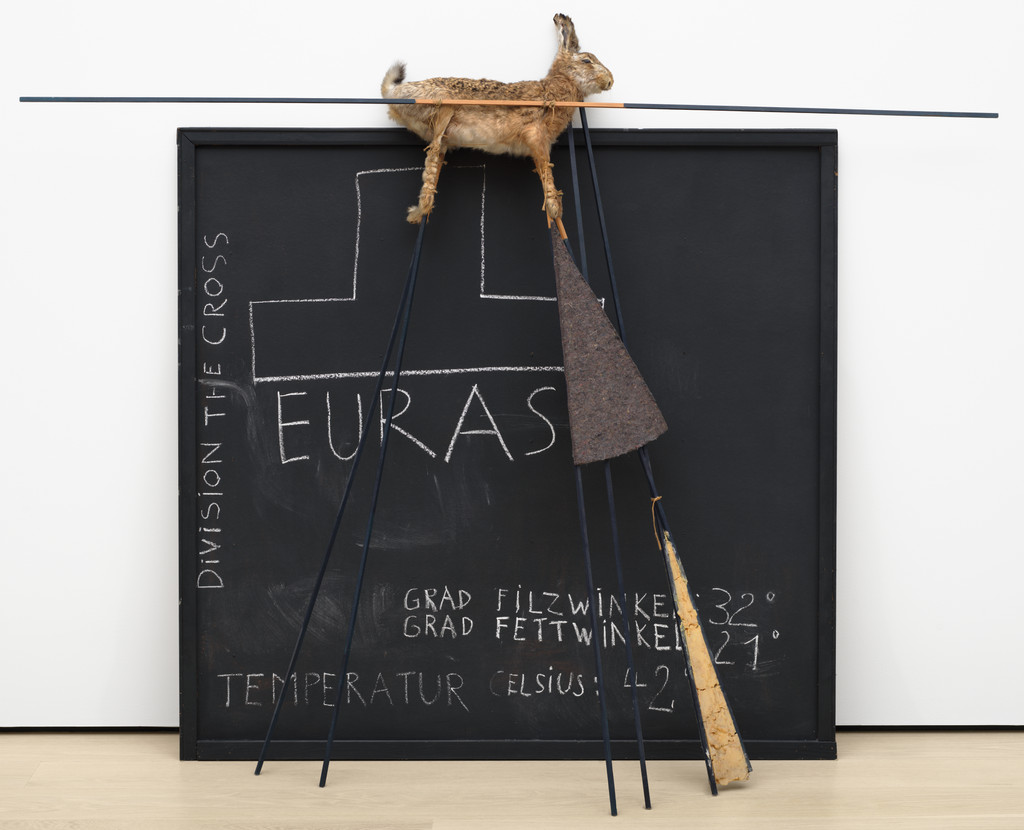
Eurasia Siberian Symphony 1963
能看到吗?
是,正在展出
《Eurasia Siberian Symphony 1963》现在在哪里? 現代藝術博物館, MoMA, 4层, 408, 纽约. 是,正在展出. 核实 2026年9月22日.

闭馆· 明天 10:30 开馆
正对公众展出。
- 核实
- 出处
- 博物馆
作品信息
- 馆藏编号
- 213.2000.a-b
已收入目录
出处
- 現代藝術博物館
- 图片: 現代藝術博物館 — © the artist or rights holder
Joseph Beuys当时的生活
完整生平1960s
Forms the idea of “social sculpture”
Drawing on Novalis and Schiller and on Rudolf Steiner's ideas of social threefolding, Beuys developed the concept of social sculpture: society as a whole is one great work of art to which everyone can contribute creatively (“everyone is an artist”).
1964
An action in Aachen: a punch in the face
At a festival at the Technical College in Aachen that coincided with the twentieth anniversary of the attempt on Hitler's life, students interrupted Beuys's action and one of them punched him in the face; a photograph of the artist with a bloodied nose and a raised arm circulated in the media and brought him wider public attention.
1964年6月28日–1964年10月6日
Exhibition: Documenta III
26 November 1965
First solo exhibition in a private gallery
The show opened with an action involving a dead hare: Beuys, his face covered in honey and gold leaf, murmured explanations of the drawings on the walls to the animal while viewers watched through the gallery window; some critics called the photograph with the hare a new Mona Lisa of the 20th century.
1967
Founds a party made up of students
In June 1967, during a student demonstration in West Berlin, a participant died after a clash with the police; in response Beuys created a political party made up solely of students, demanding student self-government and free admission to university for anyone who wished.
1968年6月27日–1968年10月6日
Exhibition: 4. documenta