![[Lacock Abbey], William Henry Fox Talbot, November 4, 1839](https://media.getty.edu/iiif/image/b3175c58-cd04-4c78-9c78-1eae3695aedb/full/!1200,1200/0/default.jpg)
 William Henry Fox Talbot英格兰, 1800–1877
[Lacock Abbey]
可否一睹真容?
眼下不见客
洛杉矶, 美國
仍属馆藏,只是目前没有展出。
- 核实
- 此状态始于
- 出处
- 博物馆
关于作品
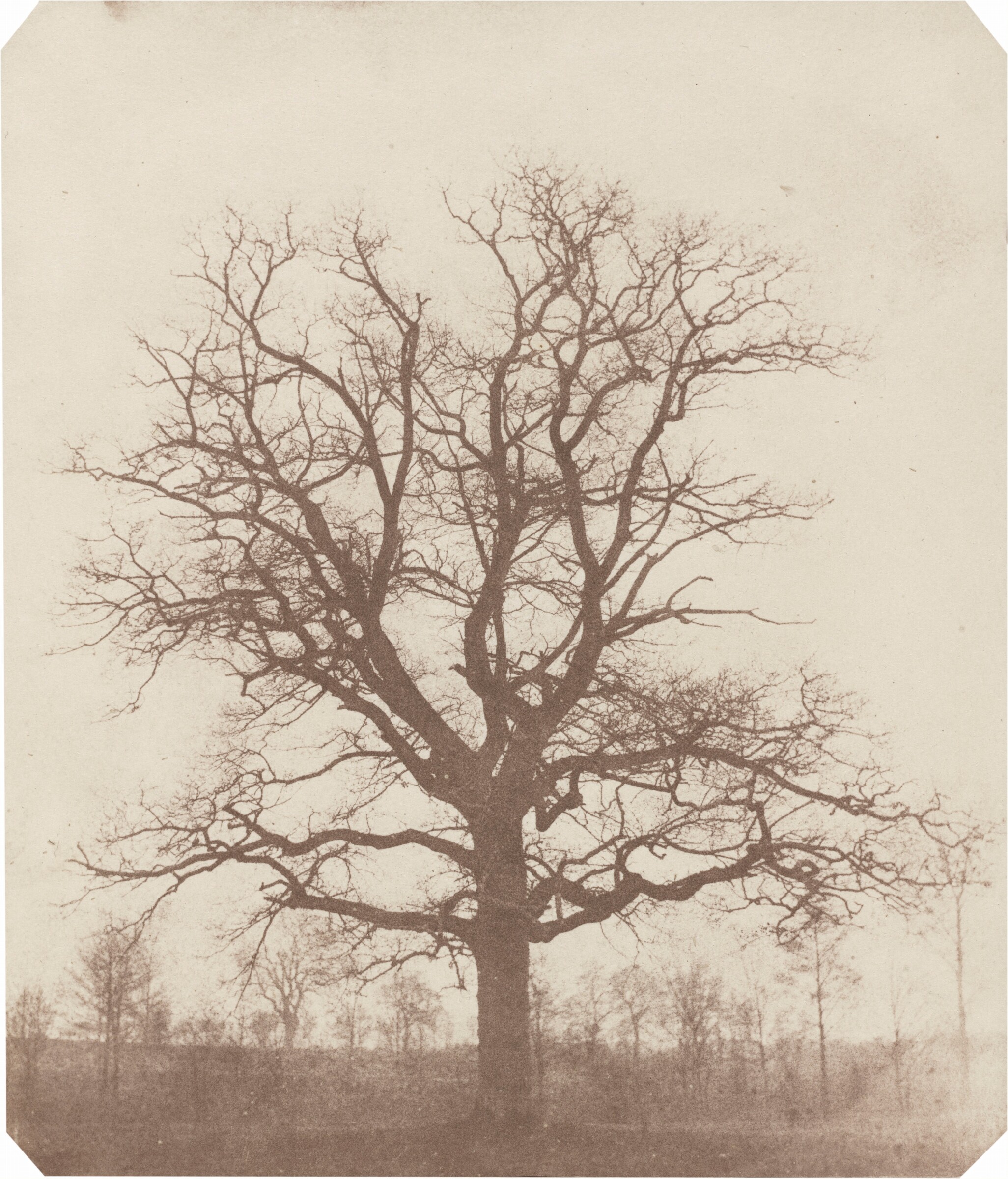
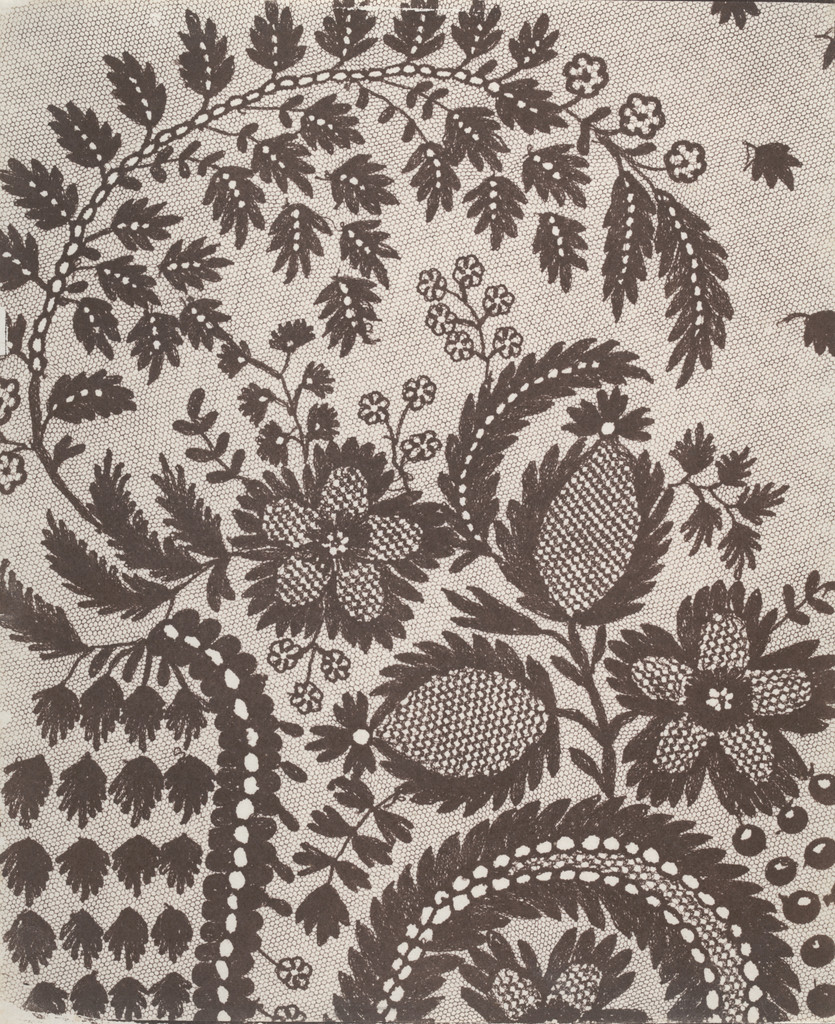
> William Henry Fox Talbot began his experiments with light-sensitive materials in mid-1834 and in 1835 achieved results that have survived to the present day. His first pictures created with light are the shadows of plants ([85.XM.150.13](http://www.getty.edu/art/collection/objects/53337)) or of textiles ([85.XM.150.14](http://www.getty.edu/art/collection/objects/59845)) placed directly on top of a piece of ordinary paper that was brushed with a solution of table salt and then a solution of silver nitrate. When the silver nitrate came in contact with the salt it became light sensitive silver chloride. Eventually Talbot made pictures by exposing sensitized paper to sunlight through a lens fitted to a wooden box known as a camera obscura (such as this image of Lacock Abbey, Talbot's country home in Lacock, Wiltshire County, England).
继续阅读
He called these images "photogenic drawings," thus associating them with the history of art rather than natural history. Until the spring of 1839, most of Talbot's pictures were negatives, that is, the tones of nature are reversed, with the light areas reading as dark and vice versa. Adapted from Weston Naef, *The J. Paul Getty Museum Handbook of the Photographs Collection* (Los Angeles: J. Paul Getty Museum, 1995), 8-9. © 1995 The J. Paul Getty Museum.
J·保羅·蓋蒂博物館
作品信息
- 馆藏编号
- 85.XM.150.22
已收入目录
出处
- J·保羅·蓋蒂博物館
- 图片: J·保羅·蓋蒂博物館 — Open Content
与此同时,在William Henry Fox Talbot的生活中
完整生平1837 · 获奖
Royal Society Bakerian Medal
1837年3月16日
Daughter born: Rosamond Constance Talbot
25 January 1839
First showing of photographs at the Royal Institution
Shortly after Louis Daguerre’s daguerreotype was announced in early January, Talbot asserted his priority and, at a Friday Evening Discourse at the Royal Institution, exhibited several paper photographs he had made in 1835. Within a fortnight he described the nature of his process to the Royal Society, while Daguerre revealed no useful details of his own until mid-August.
1840
Invents the calotype
Talbot found a way to print any number of positives on salted paper from a paper negative; new chemicals cut the exposure to a minute in bright sunlight. He called the method the “calotype” (from kalos, beautiful), informally the “talbotype”: unlike the daguerreotype with its single positive, it effectively created modern photography.
1840–1841
Post: High Sheriff of Wiltshire
February 1841
Patents the calotype
Talbot obtained an English patent for the calotype process and sold licences at £20 each, later lowering the fee for amateurs to £4 while professionals paid up to £300 a year; scientists saw it as a hindrance to scientific freedom. He justified his rigour by the roughly £5,000 he had spent on photography; for science the method was free, and Talbot himself published the first known photomicrograph of a mineral crystal.



![[Group of Trees from the American Walnut], William Henry Fox Talbot, June 1, 1840](https://media.getty.edu/iiif/image/e2239044-50e4-44d2-be46-db53cdc317f1/full/!1200,1200/0/default.jpg)


