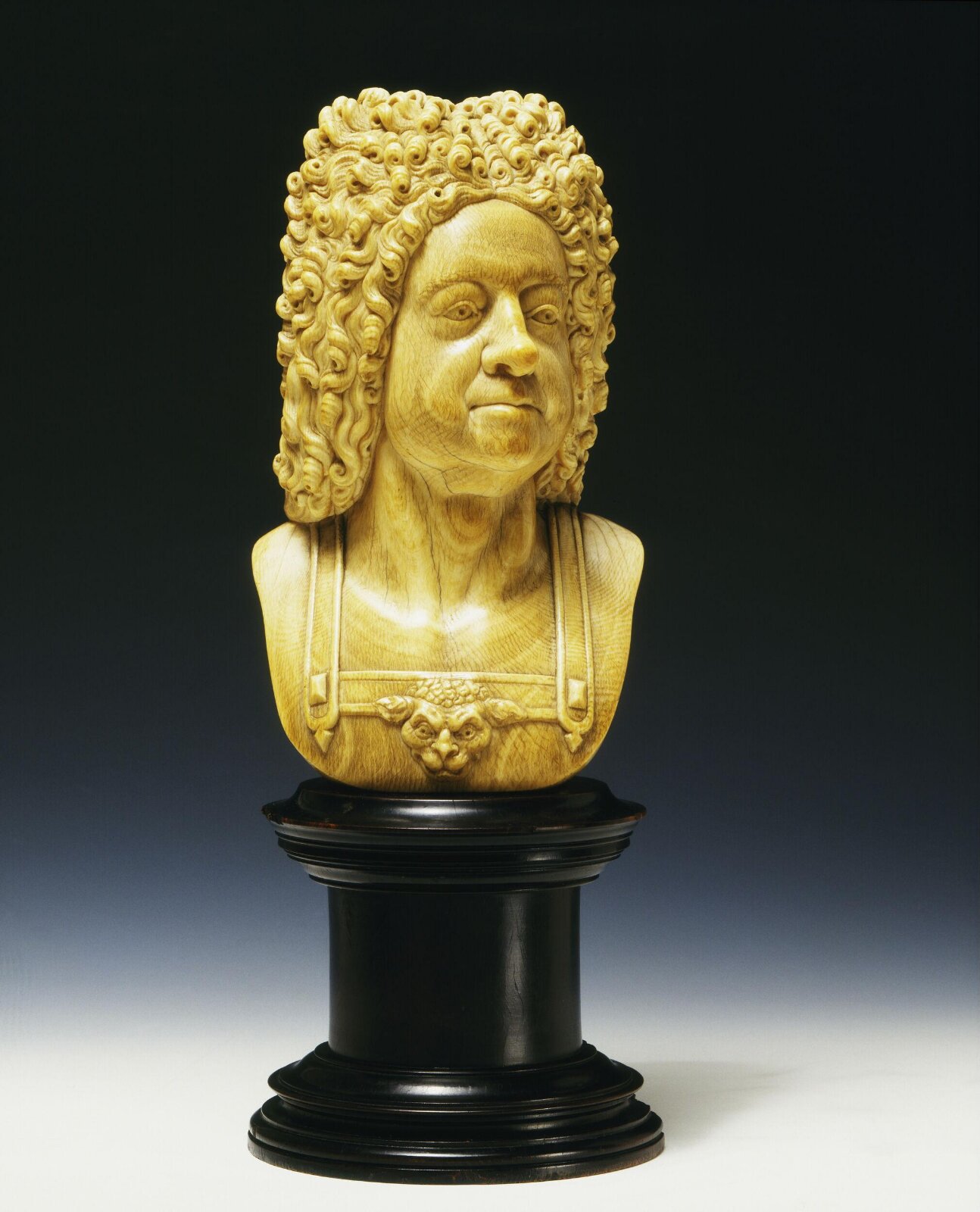
 David Le Marchand1674–1726
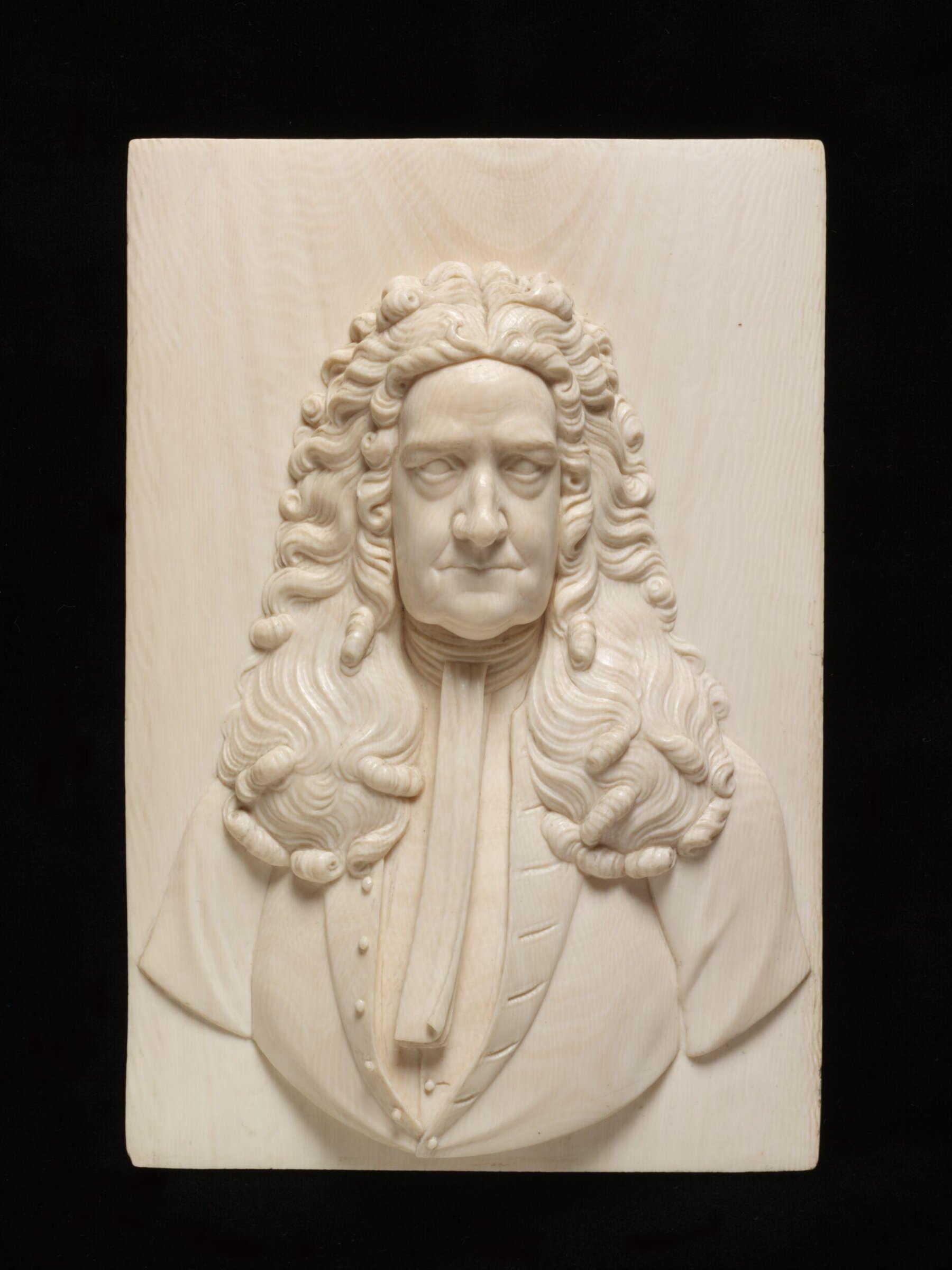
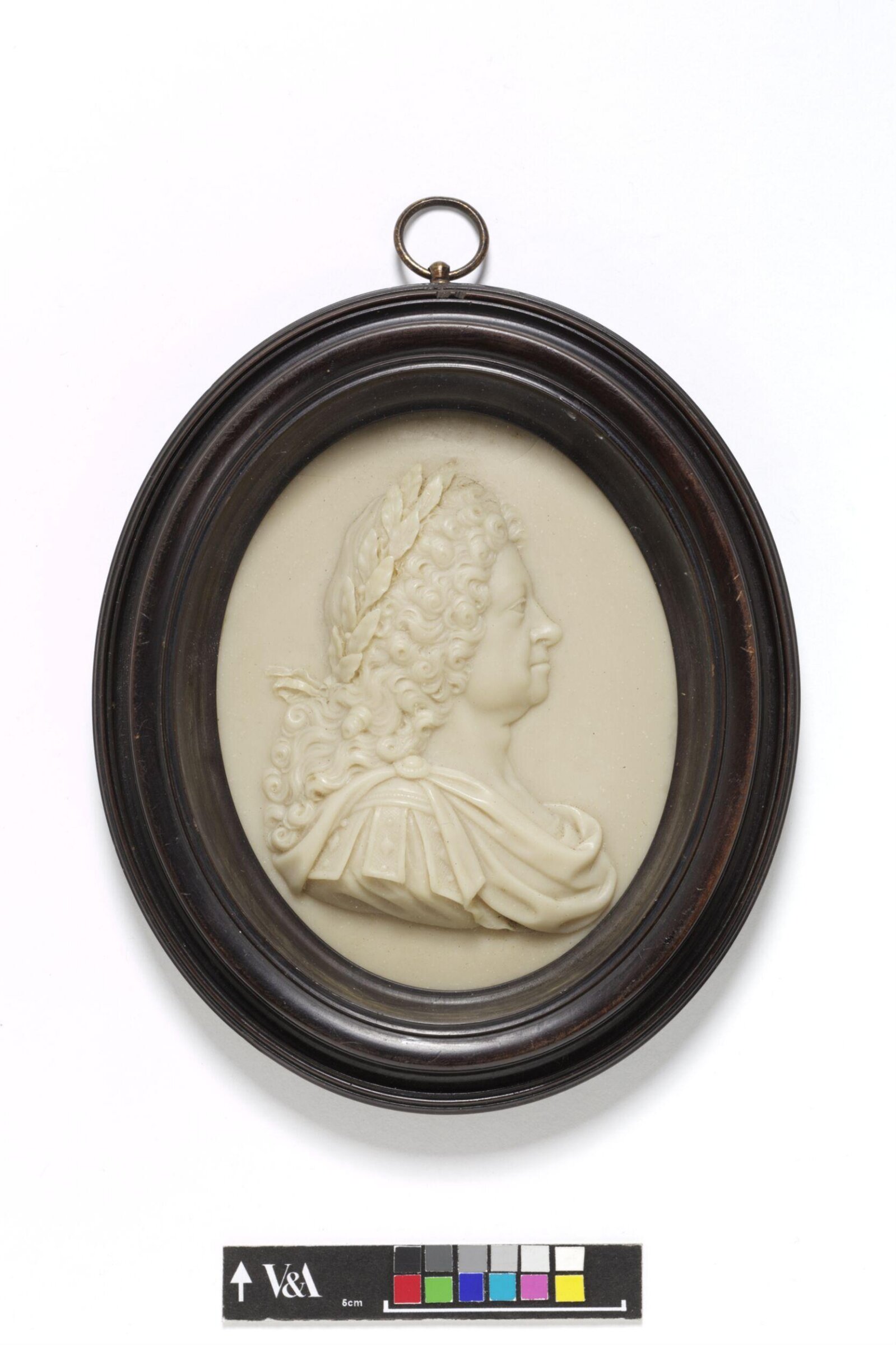
King George I
可否一睹真容?
可以,正在迎客

正对公众展出。由谁担保,见下文。
- 核实
- 此状态始于
- 出处
- 博物馆
关于这件雕塑
Throughout the ages artists and craftsmen have made virtuoso carvings as a display of their skill and ingenuity. Although ivory, wood and stone are relatively easy to carve, other materials such as gemstones are much more demanding. Most of these carvings were made for wealthy patrons and collectors, who delighted in the rarity of the material and quality of the carving. This ivory bust is made by David Le Marchand in Britain after 1714. Here he has used an exceptionally large piece of ivory and carved the face and wig of the monarch in a highly naturalistic style.
Theuerkauff remarked that the style of this bust could have been an influence on Johann Christoph Ludwig Lücke, and certainly it seems to prefigure a Germanic portrait style in ivory carving later in the eighteenth century.
继续阅读
David Le Marchand (1674-1726) was famed for his ivory carvings, particularly his portraits. He was a native of Dieppe, France, and came from a Huguenot, or Protestant, family. With the Revocation of the Edict of Nantes in 1685, and the consequent persecution of non-Catholics, he had to flee France. He was next recorded in Edinburgh in 1696, where he is documented as receiving official permission to open a shop and take on apprentices. He was in London by 1700, when he started to achieve a reputation for his portraits. Despite his wide circle of important patrons and his evident success, Le Marchand apparently died in poverty, though the exact reasons for this are unknown.
He is recognised as the most distinguished ivory carver to have worked in England in the early 18th century, a period when the art enjoyed a popularity unknown since the Middle Ages.
维多利亚和阿尔伯特博物馆
作品信息
- 馆藏编号
- A.12-1931
画面内容
已收入目录
出处
- 维多利亚和阿尔伯特博物馆
- 图片: 维多利亚和阿尔伯特博物馆 — © Victoria and Albert Museum, London