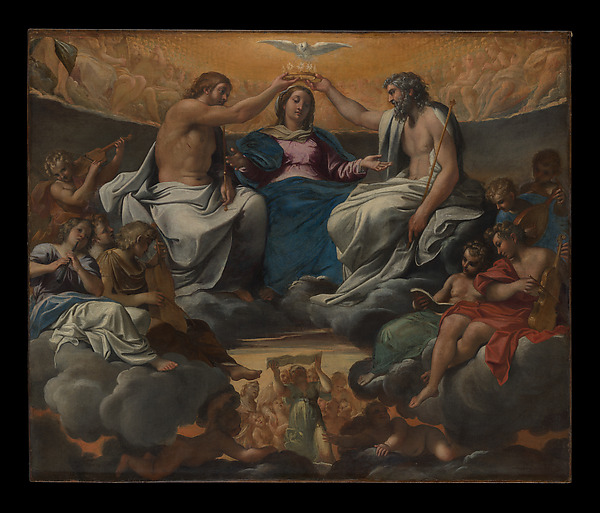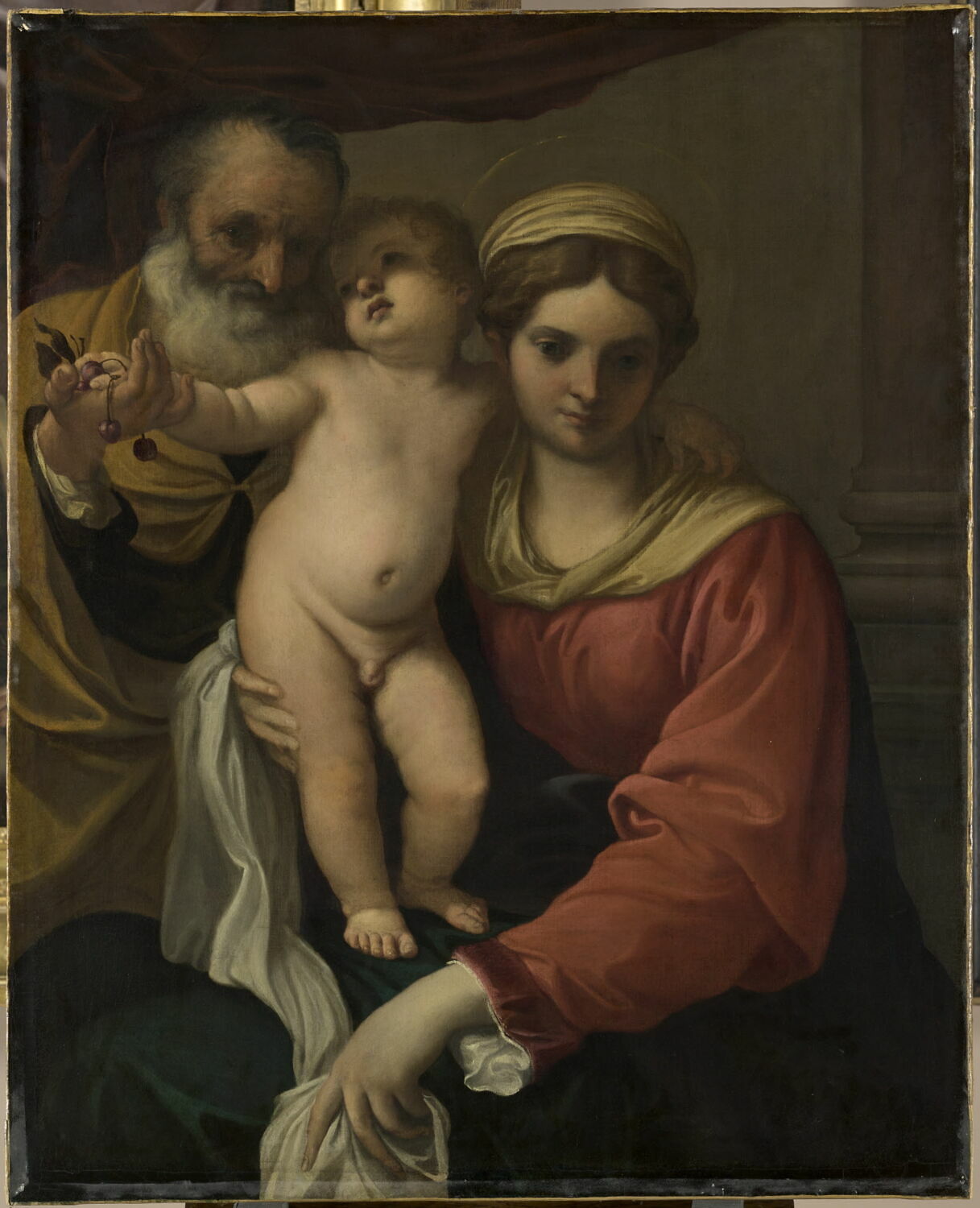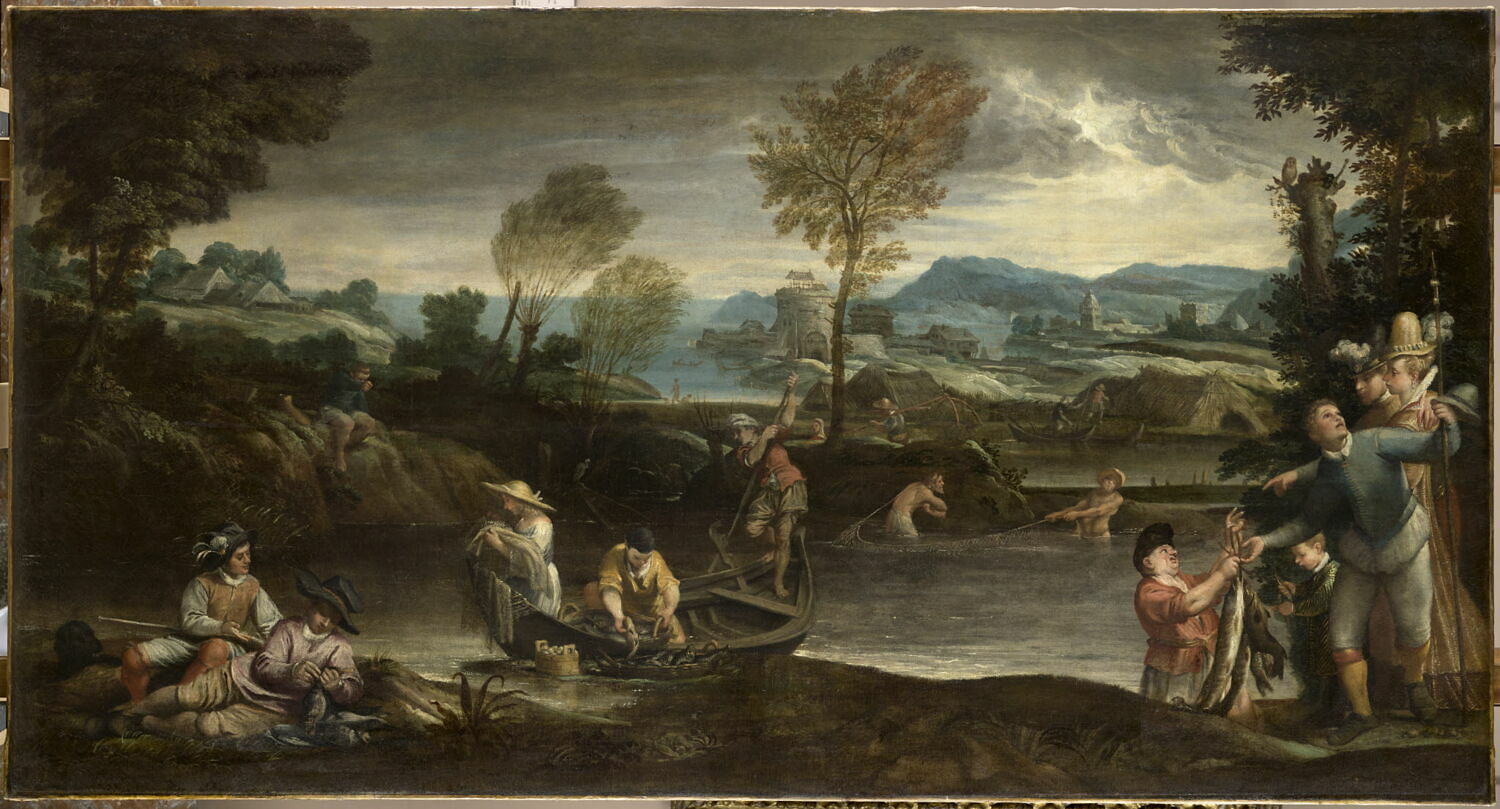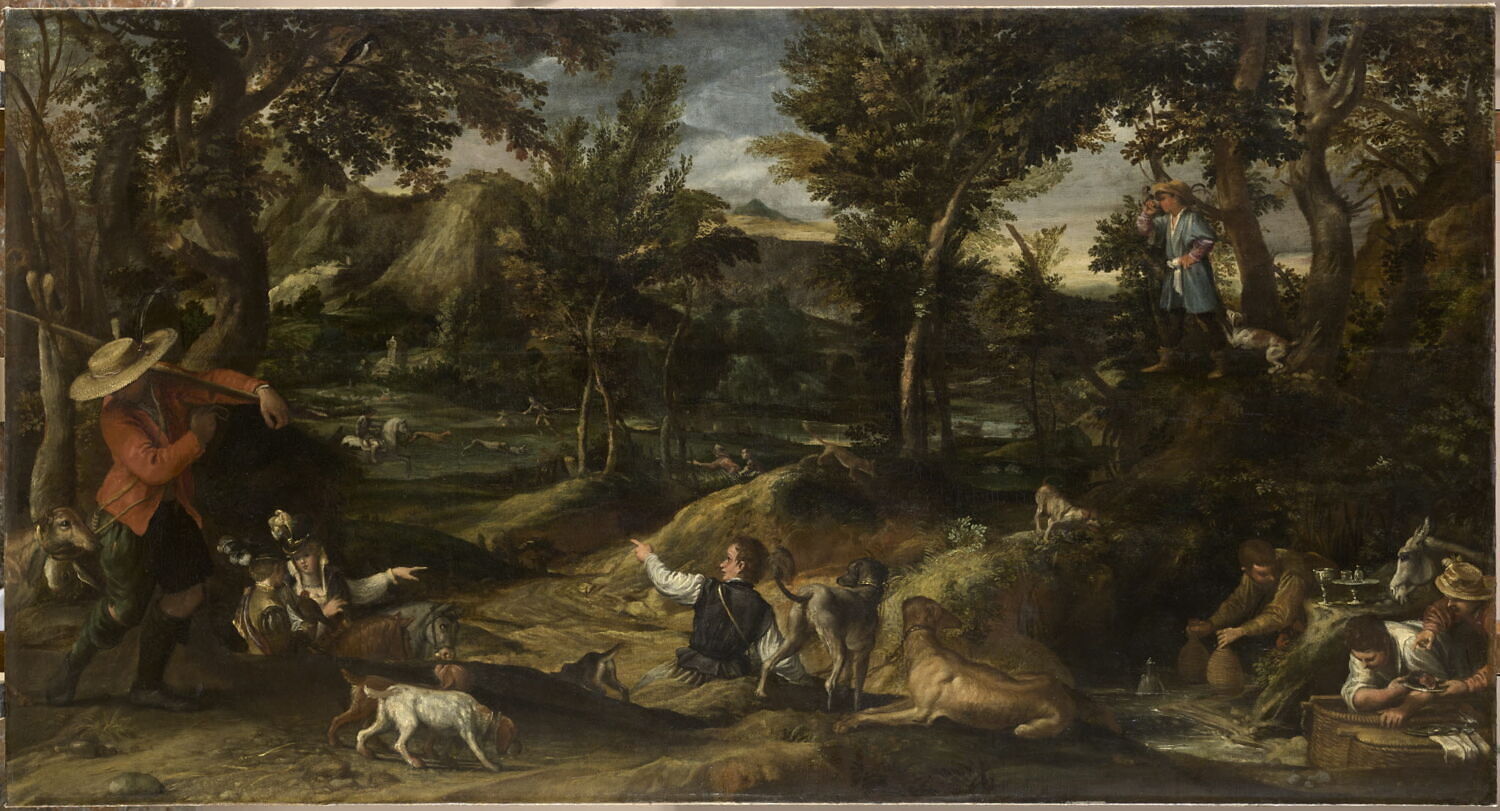
 Annibale Carracci意大利, 1560–1609
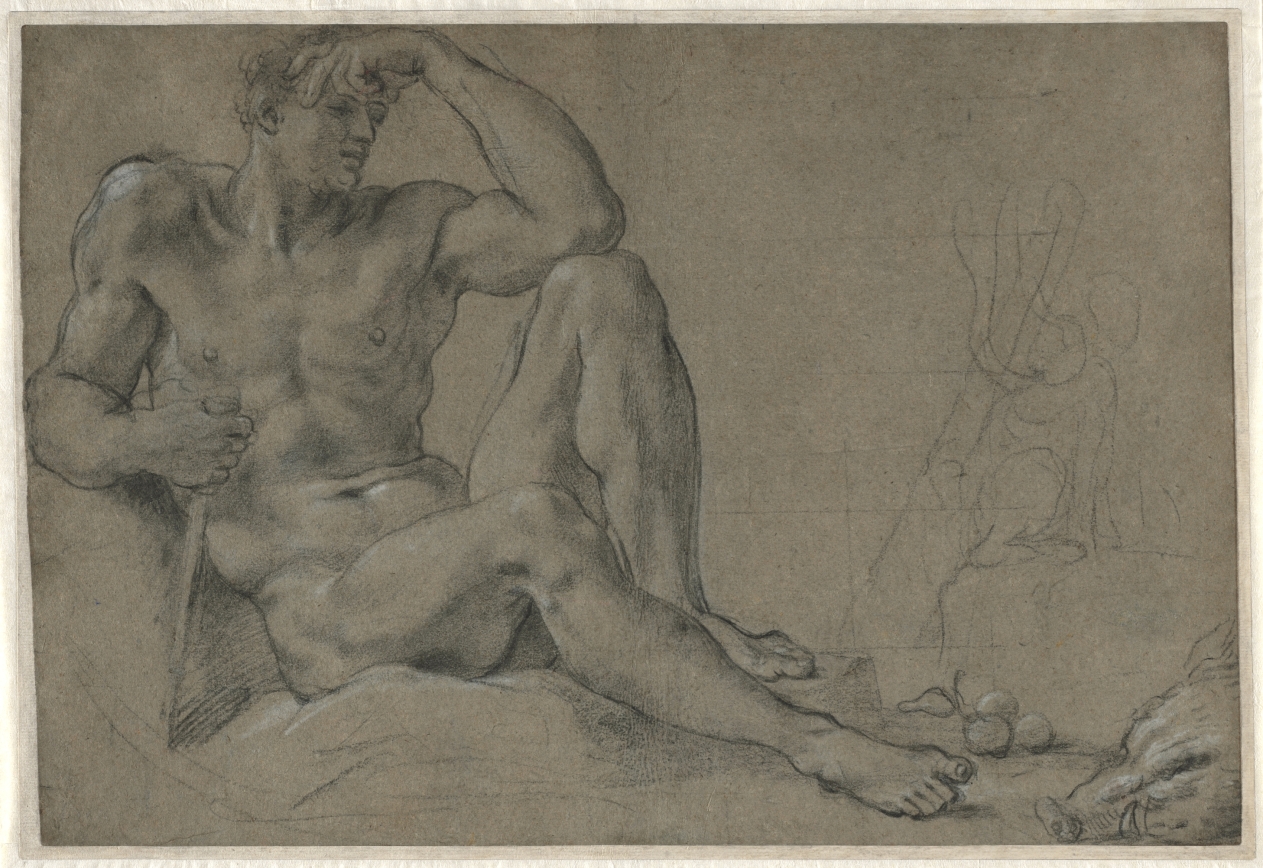
Hercules Resting (recto)

关于作品
To atone for the crime of killing his family, the Greek hero Hercules was required to perform twelve labors. In this final study for a fresco of this subject commissioned by Cardinal Odoardo Farnese for the ceiling of his study in his family’s Roman palace, Hercules rests, surrounded by evidence of his toil: the head of the Erymanthian boar he captured, the three golden apples of the Hesperides, and the hide of the Nemean lion on which he sits. The hero’s pose and exaggerated musculature are a result of the artist’s intense study of ancient models, and emulate specific antique sculptures depicting river gods in the Farnese collection. Carracci also worked with full knowledge of Michelangelo’s frescoes on the Sistine Chapel ceiling (1508-10), and the pose of Hercules may have been inspired by the reclining figure of Adam in Michelangelo's Creation of Adam scene.
克利夫蘭藝術博物館
作品信息
- 馆藏编号
- 1997.52.a
已收入目录
出处
- 克利夫蘭藝術博物館: the museum's own open data · 7天前获取
- 图片: 克利夫蘭藝術博物館 — Museum open access
与此同时,在Annibale Carracci的生活中
完整生平1578–1595 · 工作地
Bologna
1594
Cardinal Farnese summons the brothers to Rome
In 1594 Cardinal Odoardo Farnese invited Annibale and his brother Agostino to Rome to decorate the Palazzo Farnese with frescoes on mythological subjects.
1595
Moves to Rome for good, into the Palazzo Farnese
Probably in September or October 1595 Carracci moved from Bologna to Rome for good and settled in the Palazzo Farnese.
1595–1609 · 工作地
Rome
1597–1605
Assistants at the Palazzo Farnese: the masters to come
Many of Annibale’s assistants and pupils on the projects at the Palazzo Farnese and the Herrera Chapel became pre-eminent artists of the next decades, among them Domenichino, Francesco Albani, Giovanni Lanfranco, Domenico Viola, Guido Reni and Sisto Badalocchio.