Albrecht Dürer德国, 1471–1528
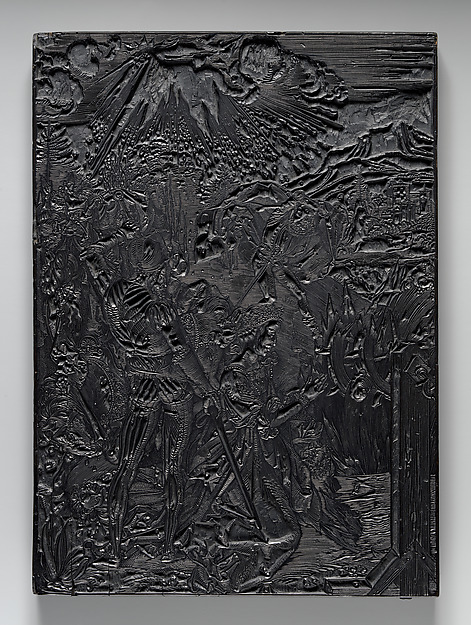
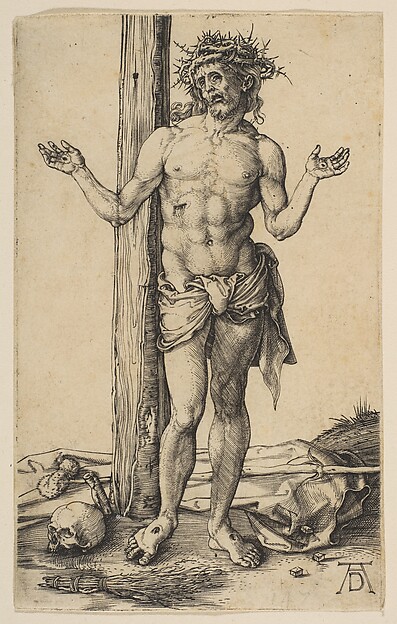
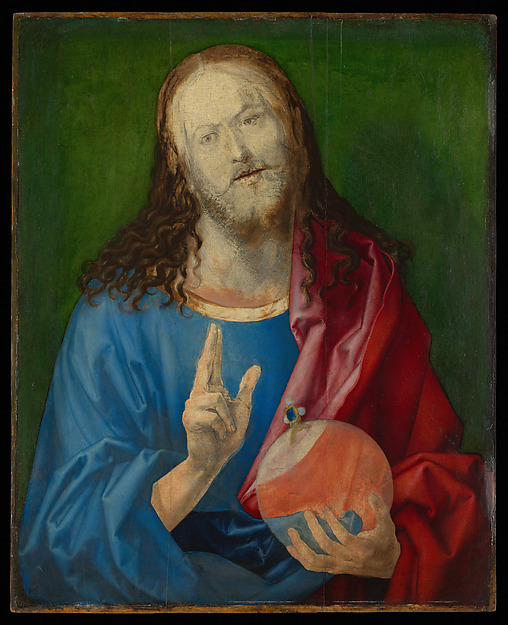
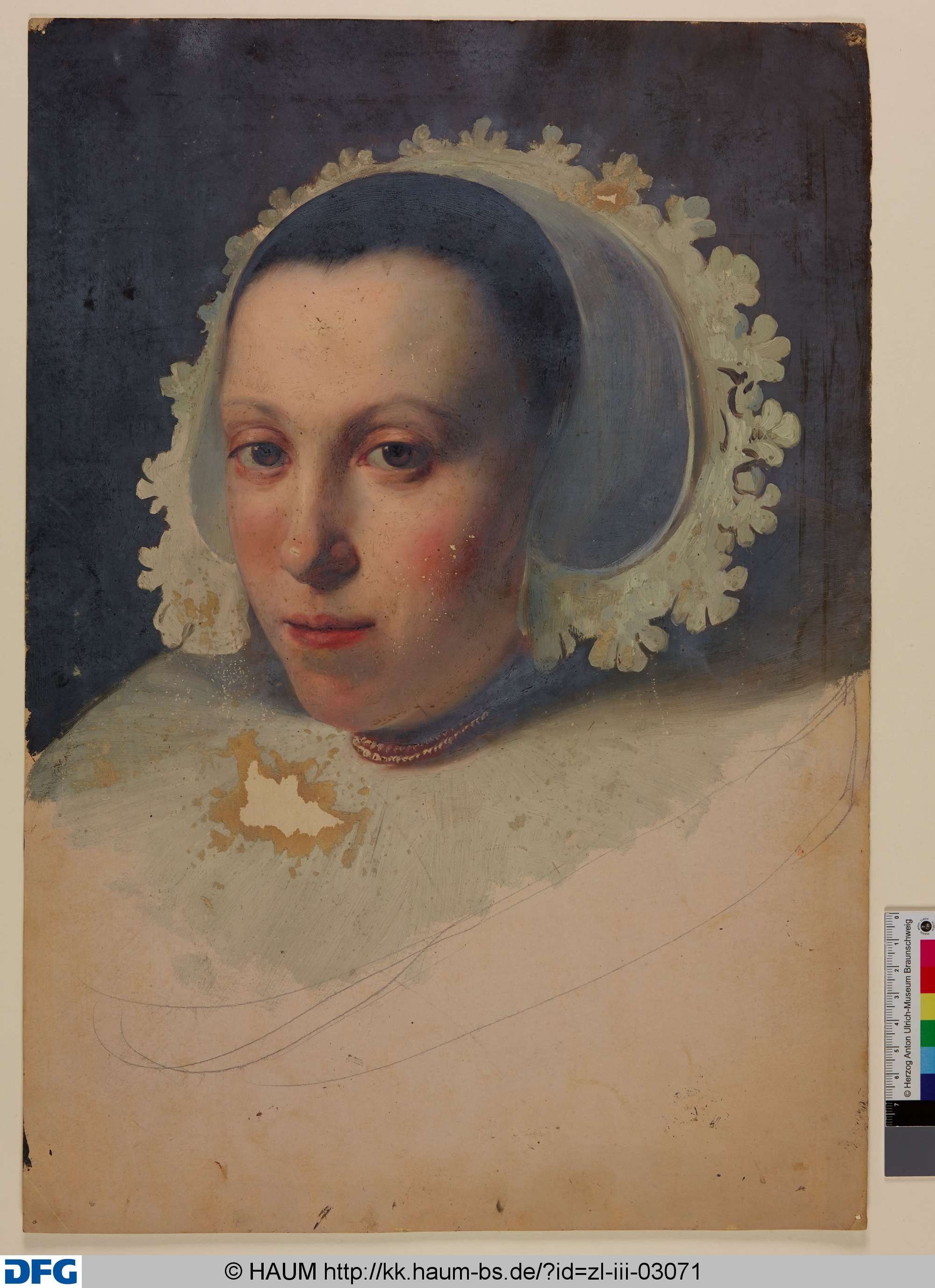
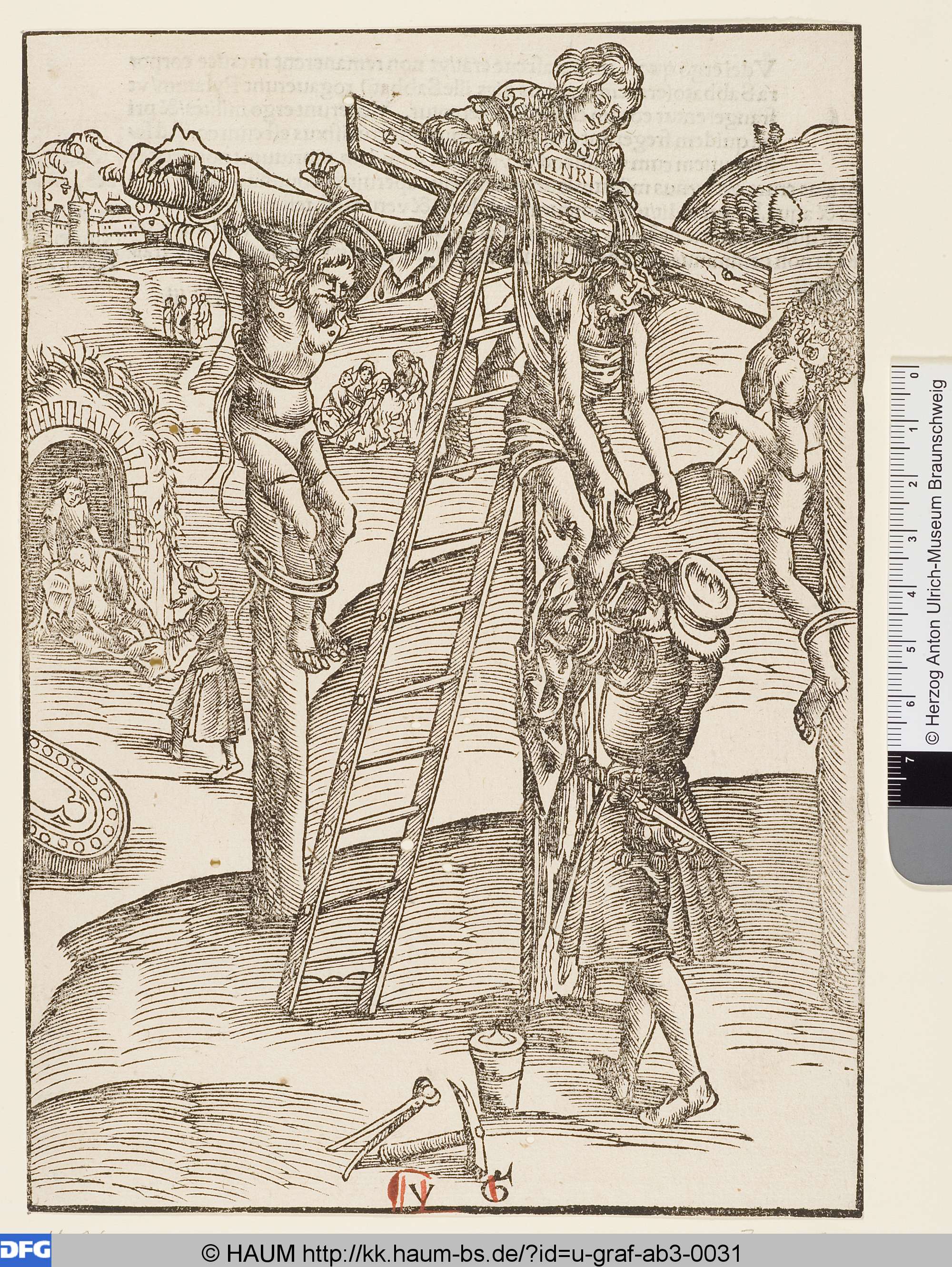
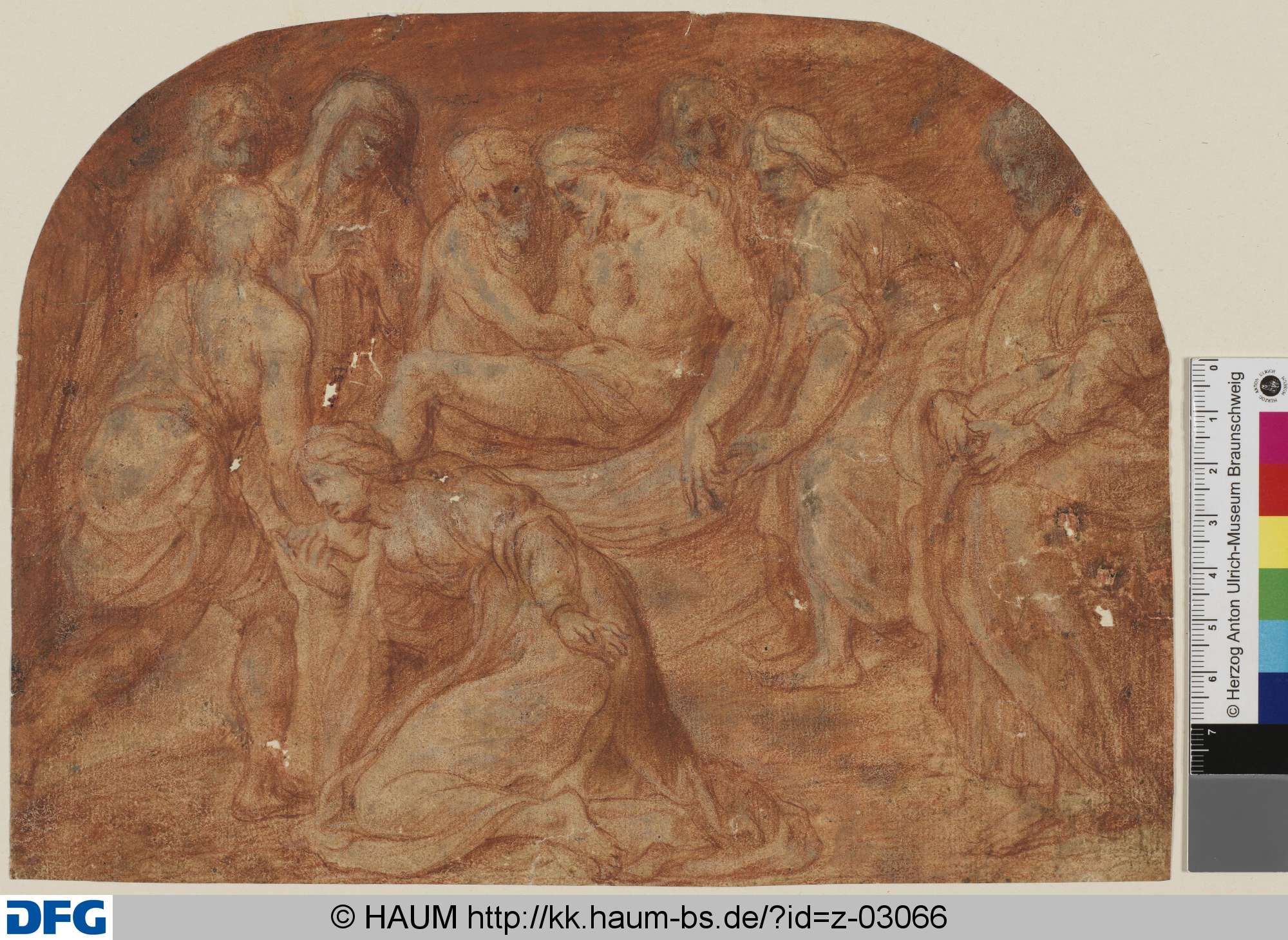
Grablegung Christi
可否一睹真容?
未知

不伦瑞克, 德國
所有者已知,目前是否展出尚不清楚。
- 此状态始于
- 出处
- 博物馆
作品信息
画面内容
已收入目录
出处
- 安東·烏爾里希公爵美術館
- 图片: 安東·烏爾里希公爵美術館 — CC BY-NC-SA 4.0
与此同时,在Albrecht Dürer的生活中
完整生平1507–1528 · 工作地
Nuremberg
1509
Elected to Nuremberg's Greater Council
Dürer was elected a nominated member of Nuremberg's Greater Council; in that role he may have taken part in the city's artistic projects.
1509
Buys a large house in Nuremberg
Dürer bought a large house from the heirs of the astronomer Bernhard Walther; it housed his workshop, and his widow lived there after his death until 1539.
1511
Publishes the Great Passion and the Life of the Virgin
Dürer published two woodcut series as books, the Great Passion and the Life of the Virgin, with a second edition of the Apocalypse and the 37 woodcuts of the Little Passion. His post-Venetian woodcuts developed chiaroscuro modelling.
1512
Emperor Maximilian I becomes his chief patron
From 1512 Emperor Maximilian I was Dürer's chief patron. For him Dürer and his workshop produced the Triumphal Arch, a giant woodcut 295 × 357 cm printed from 192 blocks and modelled on the triumphal arches of ancient Rome.
3 January 1512
Nuremberg's privilege against forgeries
Nuremberg's city council granted Dürer a privilege for the sale of his prints, with penalties for anyone who forged them.
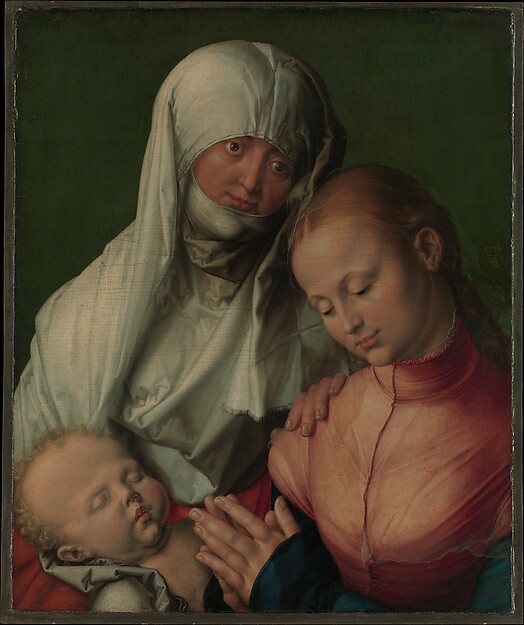
![Madonna and Child [obverse], Albrecht Dürer, c. 1496/1499](https://api.nga.gov/iiif/878db7e6-10ae-4cae-ba5d-6d6f5c413ae8/full/!2400,2400/0/default.jpg)
![Lot and His Daughters [reverse], Albrecht Dürer, c. 1496/1499](https://api.nga.gov/iiif/7565a449-f82a-414b-9bda-c93f55a51b4d/full/!2400,2400/0/default.jpg)