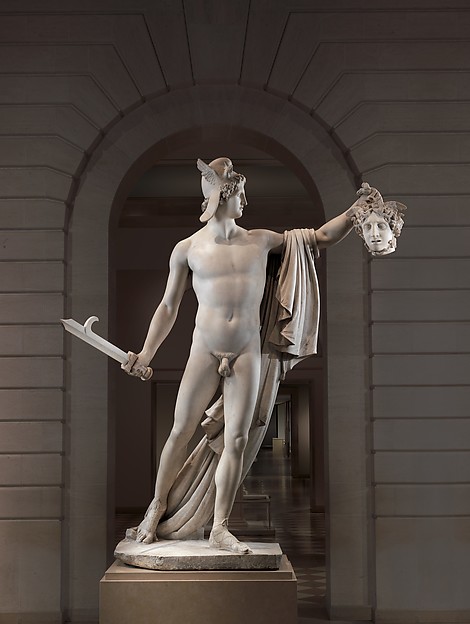
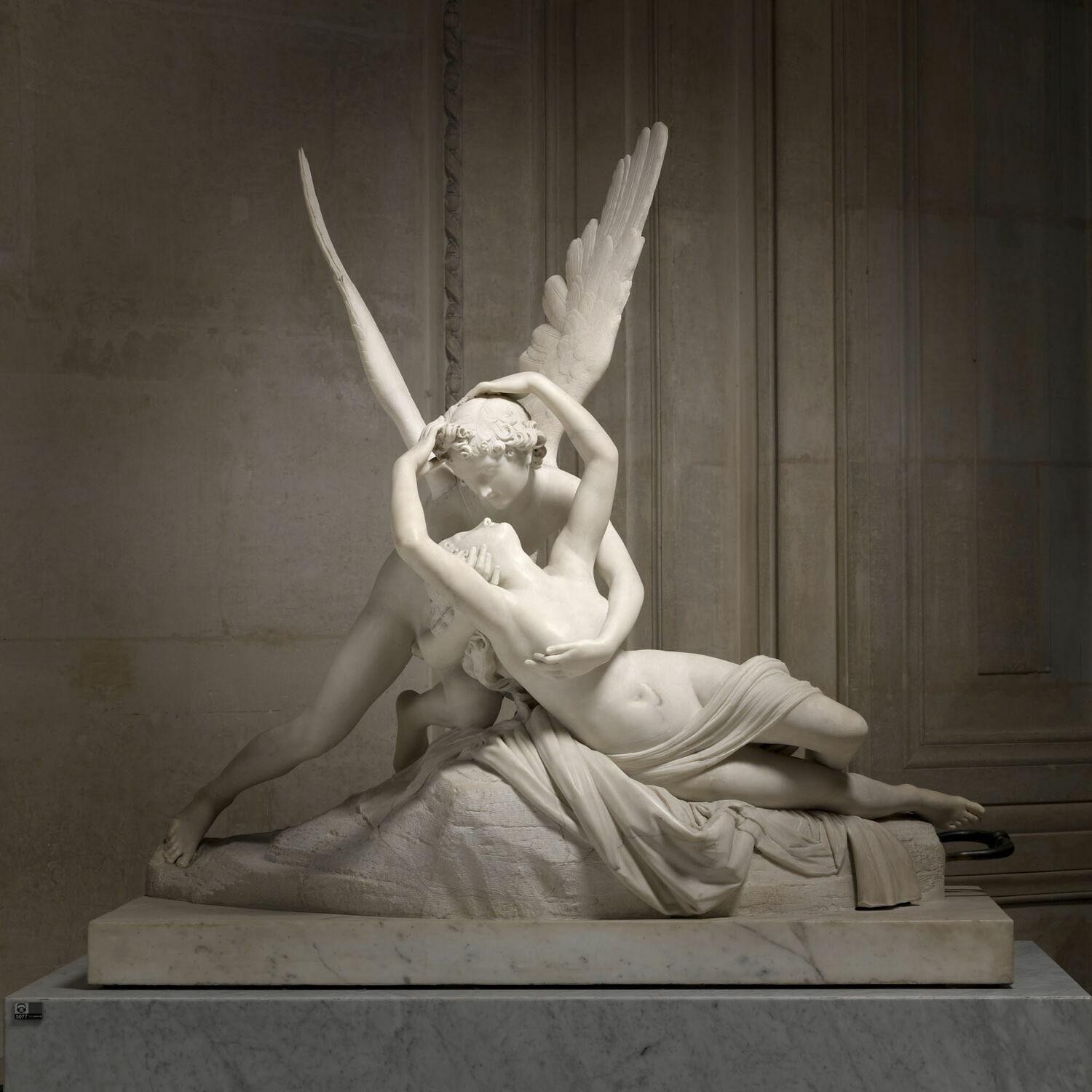
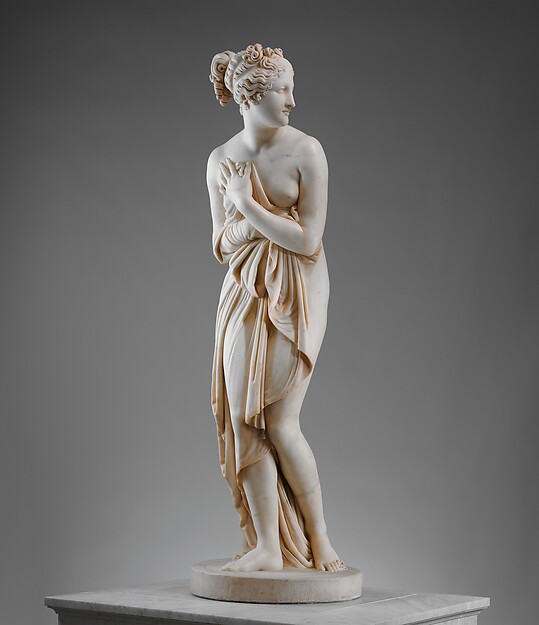
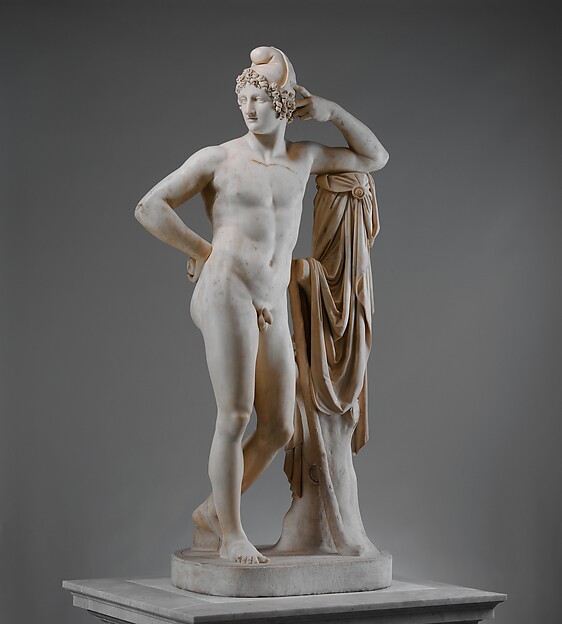
Antonio Canova意大利, 1757–1822
Ebe
能看到吗?
不明
《Ebe》现在在哪里? 收藏方: Civic Museum of Rieti, Rieti. 今日是否在展,尚不得而知.
Rieti, 意大利
所有者已知,目前是否展出尚不清楚。
- 此状态始于
- 出处
- 博物馆
关于这件雕塑
博物馆的介绍 — 意大利语
Gesso originale della statua esistente nella Pinacoteca di Forlì. Donata ad Angelo M. Ricci dal fratello del Canova, l'abate Giovanni Battista, a ricordo del fratello dopo la sua morte nel 1822. Si consulti: L. Mortari, Museo Civico di Rieti, Roma 1960, pp. 52-53; A. Sacchetti Sassetti, Guida di Rieti, Roma 1966, p. 17; A. Prandi, Arte in Sabina, in Rieti e il suo territorio, Roma 1976, p. 336
Civic Museum of Rieti
作品信息
画面内容
已收入目录
出处
- Civic Museum of Rieti
- 图片: Civic Museum of Rieti — Soprintendenza per i Beni Storici Artistici ed Etnoantropologici del Lazio (con esclusione della citta' di Roma) · Beni Culturali Standard (BCS) · Catalogo generale dei Beni Culturali (ICCD – MiC)
Antonio Canova当时的生活
完整生平1757年11月1日
出生
1768
Moves to Venice, to Torretti’s workshop
In 1768 the boy moved to Venice, to the workshop of Giuseppe Bernardi, known as Torretti (by other accounts his two-year apprenticeship with him began in 1770); he was then under the tutelage of the sculptor Giovanni Ferrari. Local monks gave him workshop space in the monastery, and small commissions paid for evening classes at the Academy of the Nude.
1779–1780
Leaves Venice for Rome
Dreaming of living and working in Rome, “the capital of art”, Canova left Venice in October 1779 and, accompanied by the architect Giannantonio Selva and stopping in Bologna and Florence, reached Rome — on 4 November 1779 or, by other accounts, on 28 December 1780. He studied the antiquities and sketched the works of Michelangelo, but his first Roman works were received coolly.
22 January – 28 February 1780
Naples: Sanmartino’s “Veiled Christ”
From 22 January to 28 February 1780 he stayed in Naples as a guest of Contarina Barbarigo; he saw the Farnese collection and the Sansevero Chapel, where he so admired Giuseppe Sanmartino’s “Veiled Christ” that he tried to buy it, as well as the veiled figures by his fellow Venetian Antonio Corradini.
1790s
Declines Catherine the Great’s invitation
News of Canova’s work reached Russia, and Empress Catherine II tried to summon the sculptor to her court; he politely declined the honourable invitation and, in thanks, made a second version of “Cupid and Psyche”, now in the Hermitage in St Petersburg.
1800
The most celebrated artist in Europe
By 1800 Canova was the most celebrated artist in Europe. He promoted his reputation systematically — publishing engravings of his works and having marble versions of his plaster casts made in his workshop — and acquired patrons across Europe, from France, England, Russia, Austria and Holland, including members of several royal lineages.