ART WIKI33,040 件在展
地图藏品艺术家博物馆展览专栏
登录

ART WIKI

名作悬于何处,几时开门迎客。

馆藏:阿姆斯特丹国家博物馆、埃尔米塔日博物馆、大都會藝術博物館、丹麥國立美術館、俄羅斯博物館、蓋蒂別墅、国家美术馆、哈佛藝術博物館、赫尚博物馆和雕塑园、惠特尼美国艺术博物馆、克利夫蘭藝術博物館、卢浮宫博物馆、美国国立亚洲艺术博物馆、美國國家肖像畫廊、明尼阿波利斯美術館、普希金造型藝術博物館、史密森尼美國藝術博物館、特列季亚科夫画廊、维多利亚和阿尔伯特博物馆、現代藝術博物館、芝加哥藝術博物館、J·保羅·蓋蒂博物館、俄罗斯博物馆藏品国家目录(274 家博物馆)、Europeana(19 家博物馆)、维基数据(6 家博物馆)、Paris Musées(12 家博物馆)和Joconde(法国文化部博物馆数据库)(495 家博物馆)。图片版权归各权利人所有。

栏目

  • 地图
  • 搜索
  • 藏品
  • 名作
  • 此刻在展
  • 艺术家

更多

  • 博物馆与画廊
  • 展览
  • 专栏
  • 数据从何而来
  • 隐私与 Cookie
首页地图目录
  1. 藏品/
  2. 哈佛藝術博物館/
  3. Cattle Market
Cattle Market, Théodore Géricault, 1818-1819
Théodore Géricault肖像Théodore Géricault法国, 1791–1824

Cattle Market

1818-1819 · Painting

可否一睹真容?

可以,正在迎客

哈佛藝術博物館

剑桥, 美國

展厅2200, floor 2, European and American Art, 17th–19th century

正对公众展出。由谁担保,见下文。

核实
9天前
此状态始于
2026年9月27日
出处
博物馆
在地图上看博物馆页面

关于这幅画

While studying ancient and Renaissance art in Italy, Géricault took an interest in the scenes of everyday Italian life. In this painting, made after his return to France, he fuses those influences in a depiction of a Roman cattle market, where three men round up the animals for slaughter. Borrowing a practice from Roman reliefs, Géricault pushes the herdsmen, dogs, and cattle into the foreground. He renders them in a similar brushstroke and palette, blurring the distinction between man and beast and creating a stark contrast with the serene landscape in the background to highlight the violent turmoil of their encounter. Géricault painted this composition to various degrees of finish, leaving the underdrawing bare in the hoof of the gray bull, for example, which rests precipitously on the edge of a cylindrical stone.

哈佛藝術博物館

作品信息

1818-1819
17911824
馆藏编号
1943.242

与此同时,在Théodore Géricault的生活中

完整生平
  1. 1816–1817

    Naples and Rome: the shock of Michelangelo

    Géricault visited Naples, drawing the landscapes and people, but spent most of his time in Rome. The frescoes of the Sistine Chapel shook him: Michelangelo's monumentality of form inspired his pen drawings, such as “Man Felling a Bull”, among the most interesting made in Rome.

  2. autumn 1817

    The book on the wreck of the Méduse reaches Géricault

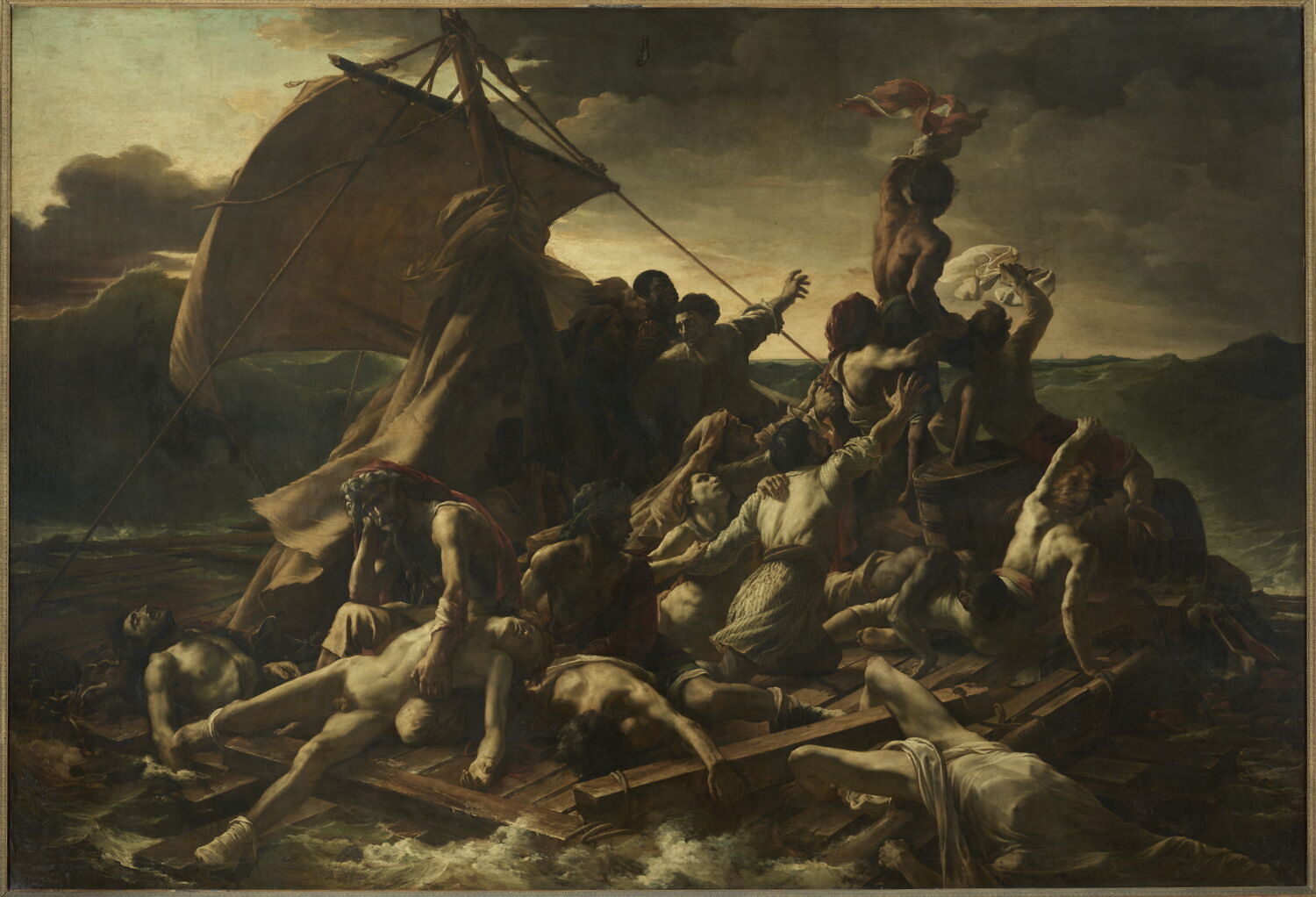
    In the autumn of 1817 the book “The Wreck of the Frigate Medusa” appeared, in which the eyewitnesses, the geographer-engineer Alexandre Corréard and the physician Henri Savigny, described the thirteen-day drift of the raft after the ship ran aground off the coast of Mauritania. The book reached Géricault, who saw in it the subject for the large painting he had long dreamed of.

  3. 1817–1818

    Investigating the disaster: survivors, a model raft, morgues

    Géricault re-created the event by studying the available materials and meeting witnesses: he got to know Corréard and Savigny, a carpenter from the Méduse made a scale model of the raft for him, and the artist modelled wax figures himself. He visited hospital morgues, drawing dead heads, emaciated bodies and severed limbs, and the preparation ended with a trip to Le Havre, where he painted studies of sea and sky.

  4. 1819

    “The Raft of the Medusa” sparks a political controversy at the Salon

    When first exhibited at the Paris Salon of 1819, “The Raft of the Medusa” ignited political controversy: it indicted a corrupt establishment, in which the captain had left the crew and passengers to die, but also dramatized the eternal struggle of man against nature.
Théodore Géricault的更多作品

全部作品

同一展厅 · Gallery 2200, floor 2, European and American Art, 17th–19th century, 哈佛藝術博物館

博物馆页面
  • 12 June – 30 December 1820

    London: 50,000 visitors and 20,000 francs

    The entrepreneur Bullock exhibited “The Raft of the Medusa” in London from 12 June to 30 December 1820; about 50,000 people saw it, critics called it a masterpiece, and its author was compared to Michelangelo and Caravaggio. Géricault was entitled to a third of the ticket receipts and received 20,000 francs.

  • 1821–1824

    Illness and falls from horses after his return from England

    After returning to Paris from England Géricault was often ill, and his condition was made worse by several falls during horseback rides.

  • 已收入目录

    绘画油画法国绘画新古典主义浪漫主义19 世纪法国

    出处

    • 哈佛藝術博物館
    • 图片: 哈佛藝術博物館 — © President and Fellows of Harvard College
    Le radeau de la Méduse, Géricault, Théodore, 1e quart du XIXe siècle (1818 - 1819)

    梅杜萨之筏

    1e quart du XIXe siècle (1818 - 1819) · 卢浮宫博物馆

    Flayed Horse III, Théodore Gericault, model c. 1820/1824, cast 1959-1960

    Flayed Horse III

    model c. 1820/1824, cast 1959-1960 · 国家美术馆

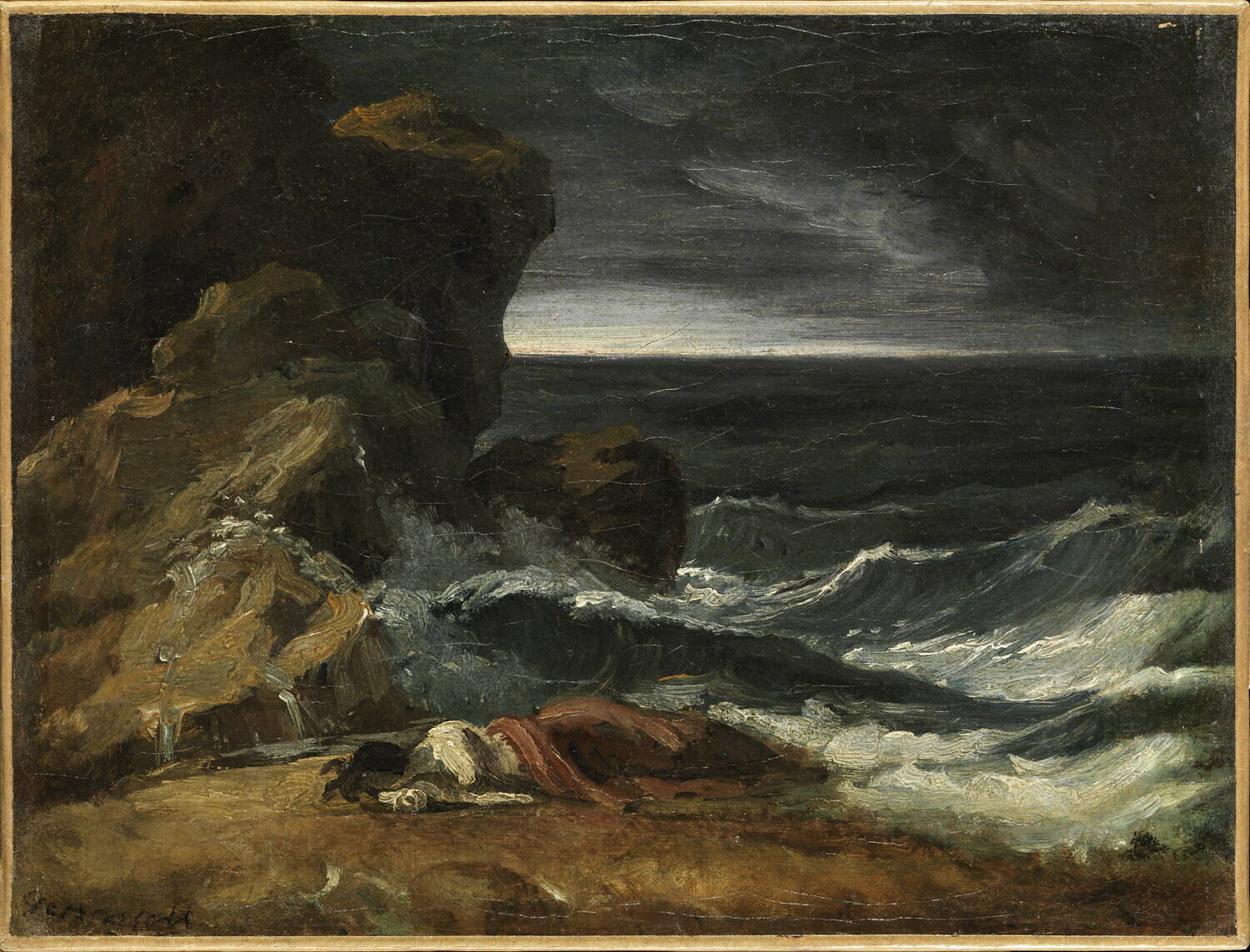
    La tempête ou L'épave, Géricault, Théodore, 1e quart du XIXe siècle (1800 - 1825)

    La tempête ou L'épave

    1e quart du XIXe siècle (1800 - 1825) · 卢浮宫博物馆

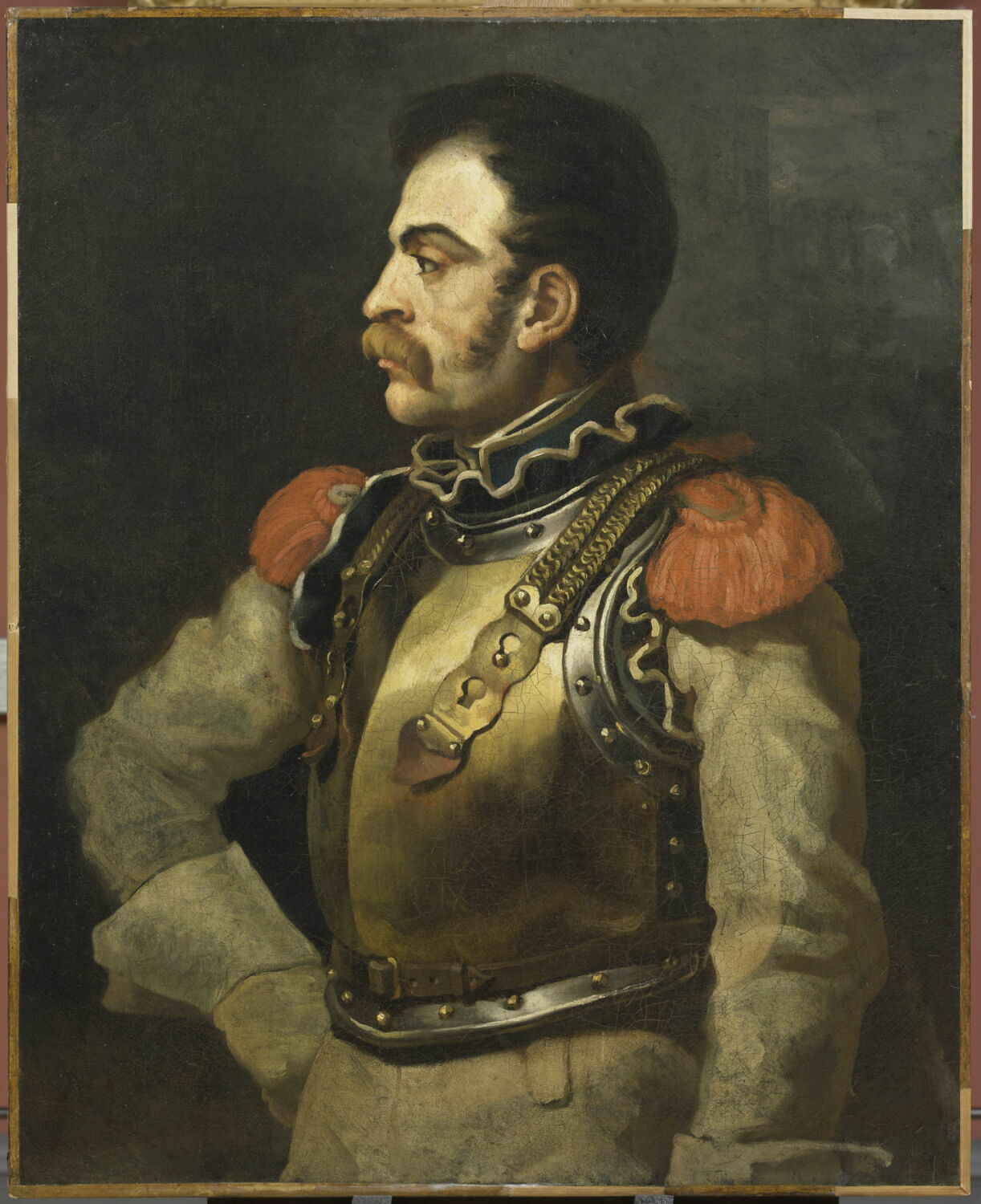
    Un carabinier, vu à mi-corps., Géricault, Théodore, 1e quart du XIXe siècle (1800 - 1825)

    Un carabinier, vu à mi-corps.

    1e quart du XIXe siècle (1800 - 1825) · 卢浮宫博物馆

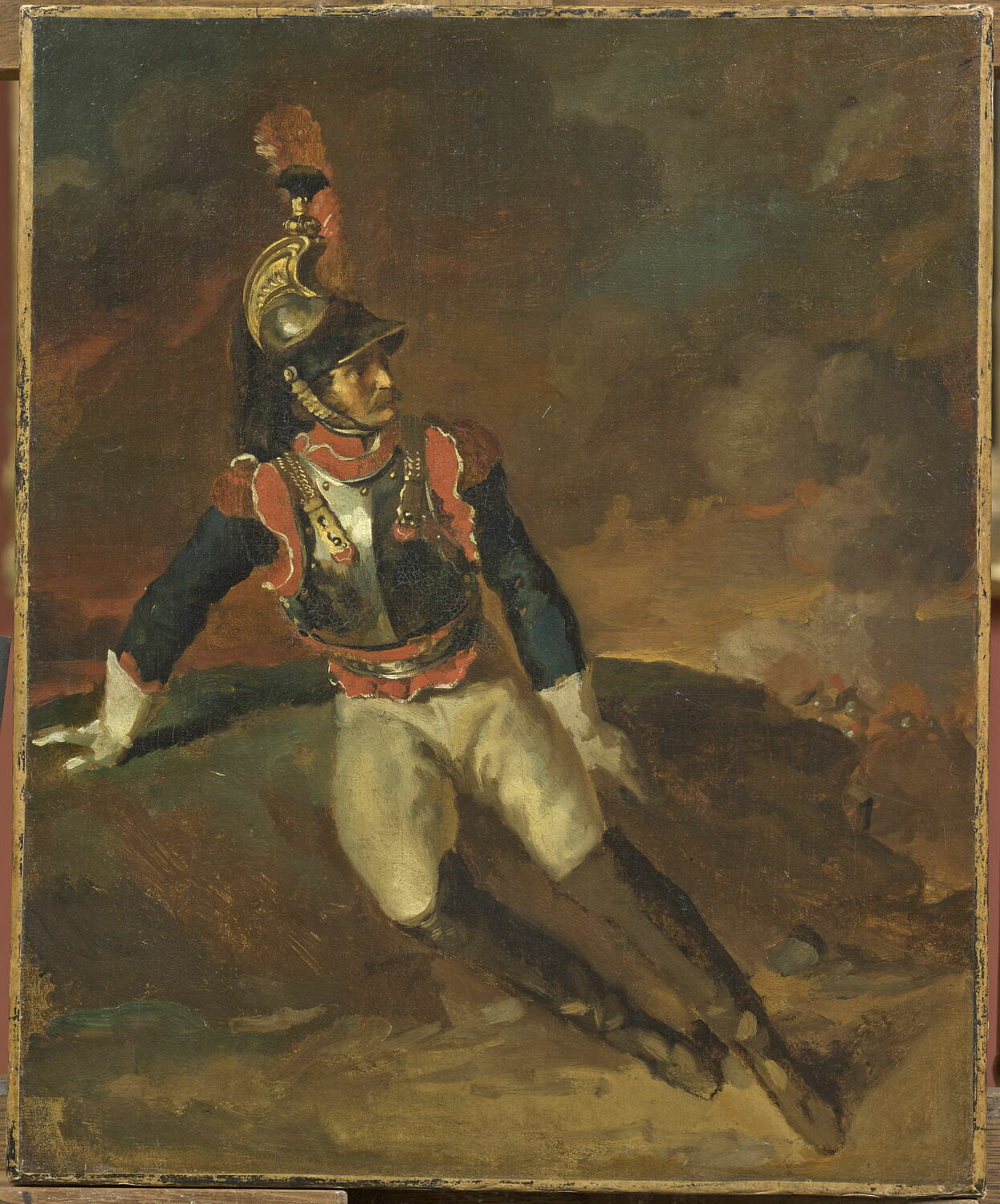
    Cuirassier blessé, Géricault, Théodore, 1e quart du XIXe siècle (1800 - 1825)

    Cuirassier blessé

    1e quart du XIXe siècle (1800 - 1825) · 卢浮宫博物馆

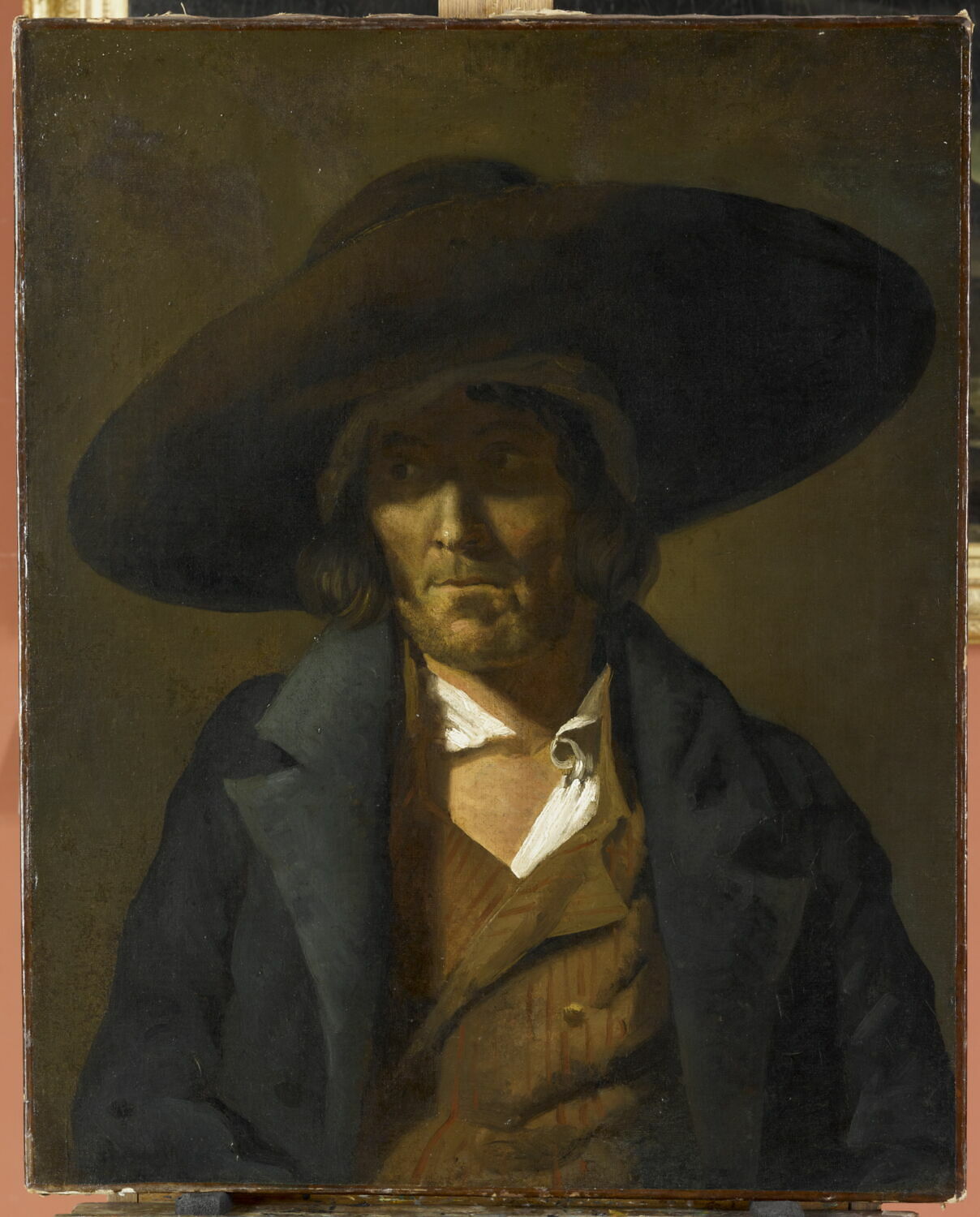
    Portrait d'homme, dit le Vendéen, Géricault, Théodore, 1e quart du XIXe siècle (1800 - 1825)

    Portrait d'homme, dit le Vendéen

    1e quart du XIXe siècle (1800 - 1825) · 卢浮宫博物馆

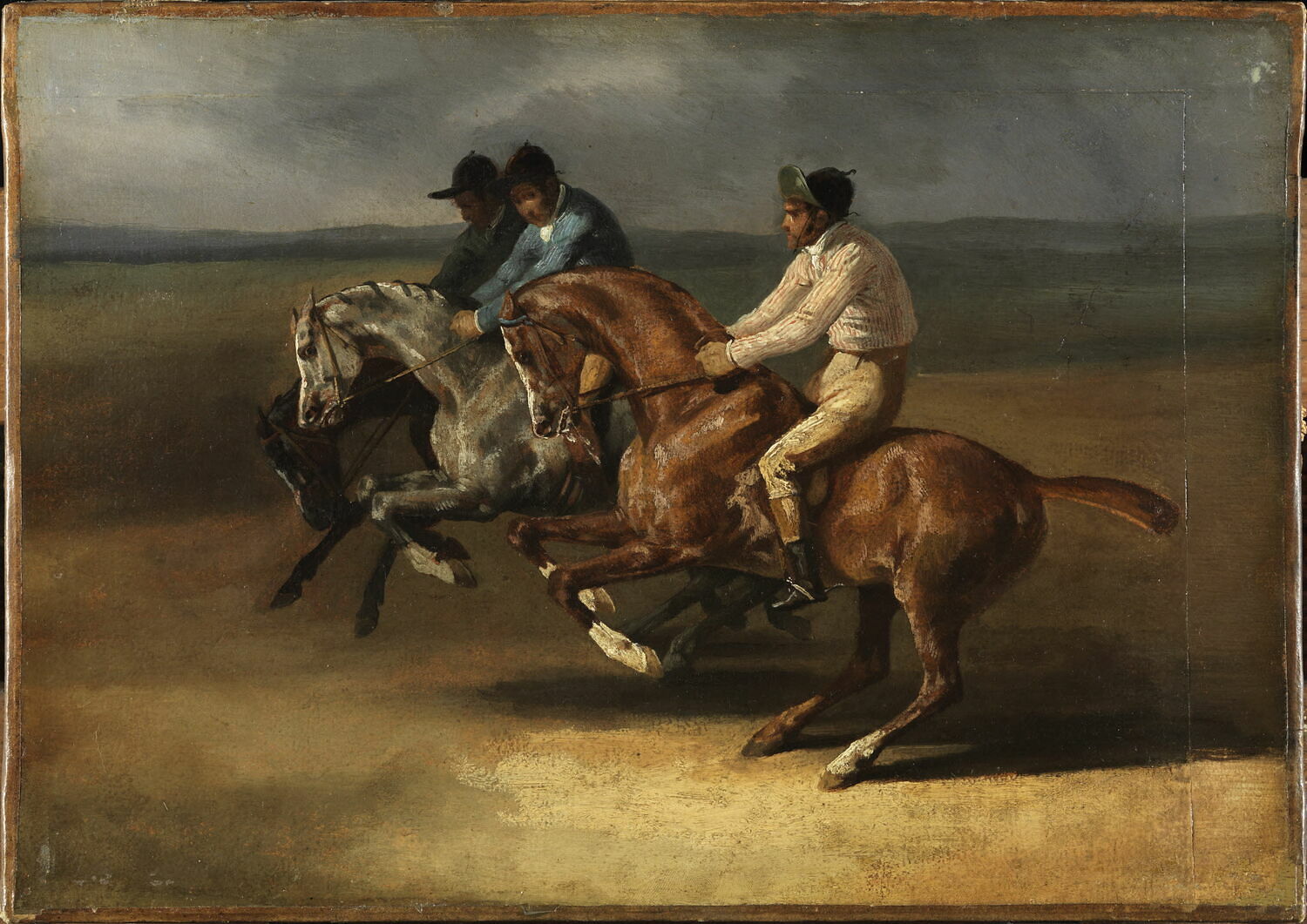
    Course de Chevaux montés allant à gauche, au moment du départ., Géricault, Théodore, 1e quart du XIXe siècle (1800 - 1825)

    Course de Chevaux montés allant à gauche, au moment du départ.

    1e quart du XIXe siècle (1800 - 1825) · 卢浮宫博物馆

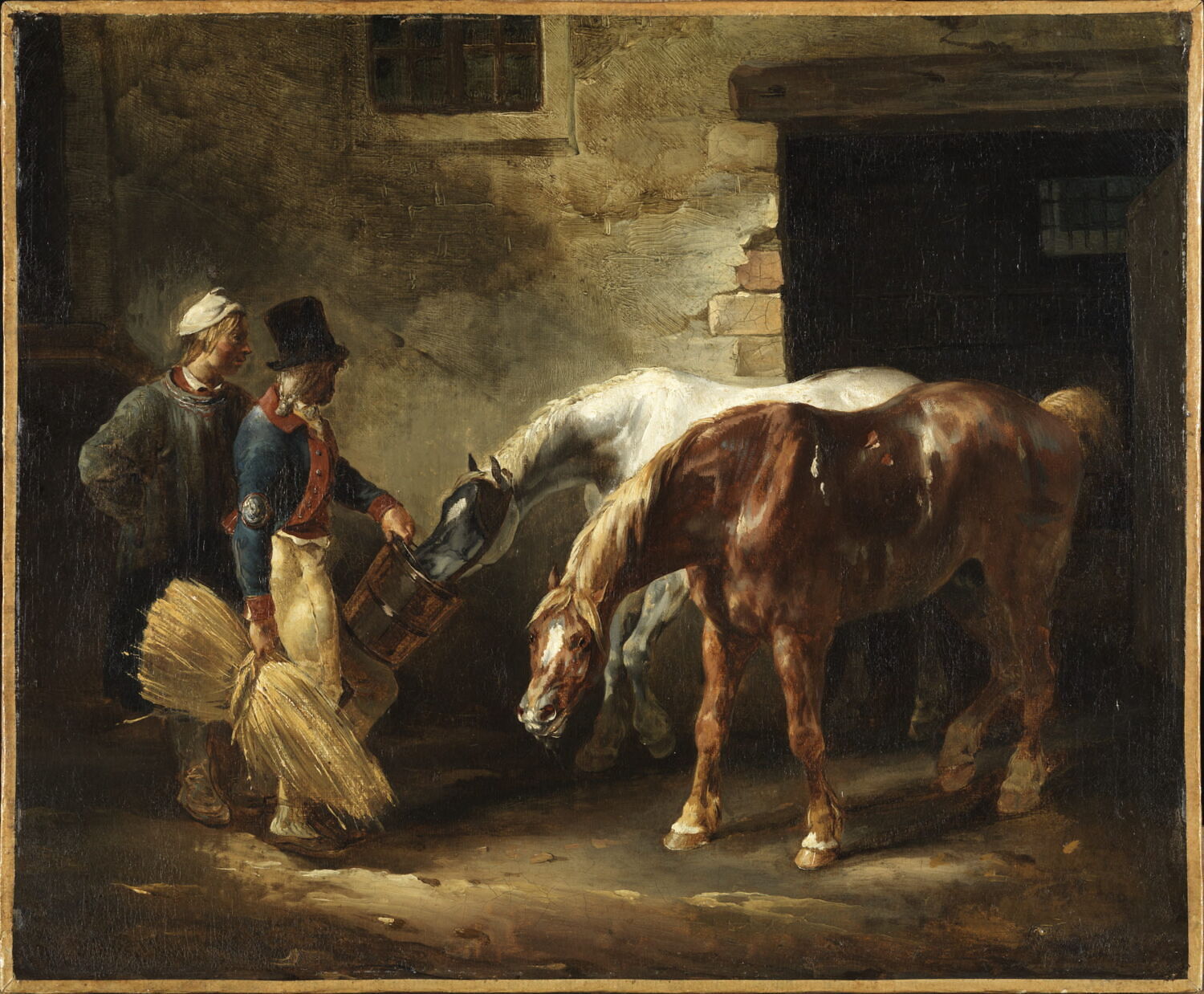
    Deux chevaux de poste à la porte d'une écurie, Géricault, Théodore, 1e quart du XIXe siècle (1800 - 1825)

    Deux chevaux de poste à la porte d'une écurie

    1e quart du XIXe siècle (1800 - 1825) · 卢浮宫博物馆

    The Golden Age, Jean-Auguste-Dominique Ingres, 1862

    Jean-Auguste-Dominique Ingres

    The Golden Age, 1862

    A Turk Surrenders to a Greek Horseman, Ferdinand-Victor-Eugène Delacroix, 1856

    Eugène Delacroix

    A Turk Surrenders to a Greek Horseman, 1856

    Augustine-Modeste-Hortense Reiset, Jean-Auguste-Dominique Ingres, 1846

    Jean-Auguste-Dominique Ingres

    Augustine-Modeste-Hortense Reiset, 1846

    Portrait of a Young Woman in White, Julien Hudson, 1840

    Julien Hudson

    Portrait of a Young Woman in White, 1840

    Studies for "The Martyrdom of Saint Symphorien" (Saint, Mother, and Proconsul), Jean-Auguste-Dominique Ingres, 1833

    Jean-Auguste-Dominique Ingres

    Studies for "The Martyrdom of Saint Symphorien" (Saint, Mother, and Proconsul), 1833

    RujéWagít^an Mi (Flying Pigeon) of the Iowa, Henry Inman, c. 1832-1834

    Henry Inman

    RujéWagít^an Mi (Flying Pigeon) of the Iowa, c. 1832-1834

    [Tah-Col-o-Quoit (Rising Cloud)], Asakiwaki/Sauk Warrior; representative of the Sauk and Fox coalition, Henry Inman, c. 1832-1834

    Henry Inman

    [Tah-Col-o-Quoit (Rising Cloud)], Asakiwaki/Sauk Warrior; representative of the Sauk and Fox coalition, c. 1832-1834

    The Vanity of the Artist's Dream, Charles Bird King, 1830

    Charles Bird King

    The Vanity of the Artist's Dream, 1830