 Alfred Stevens英国, 1817–1875
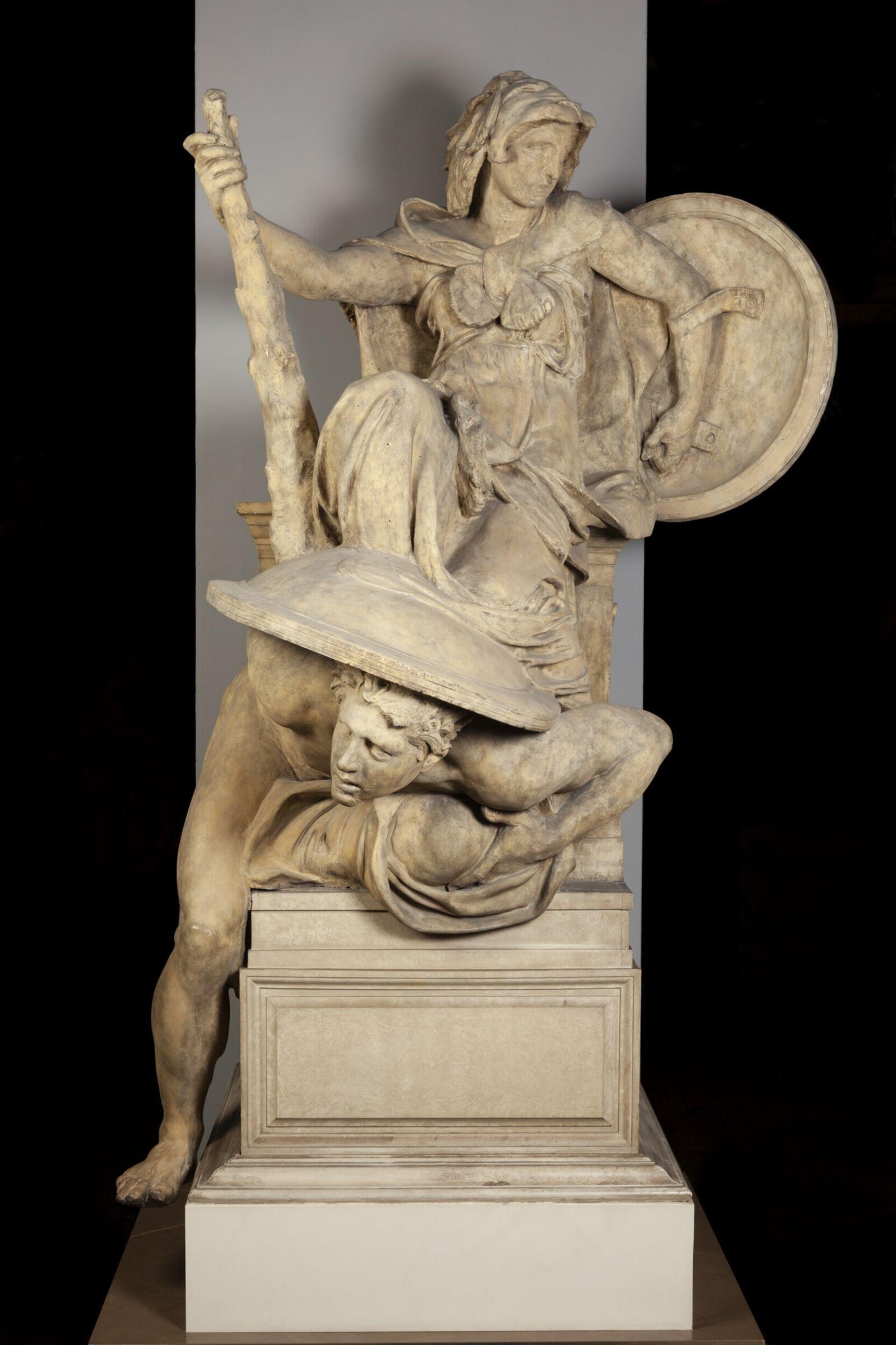
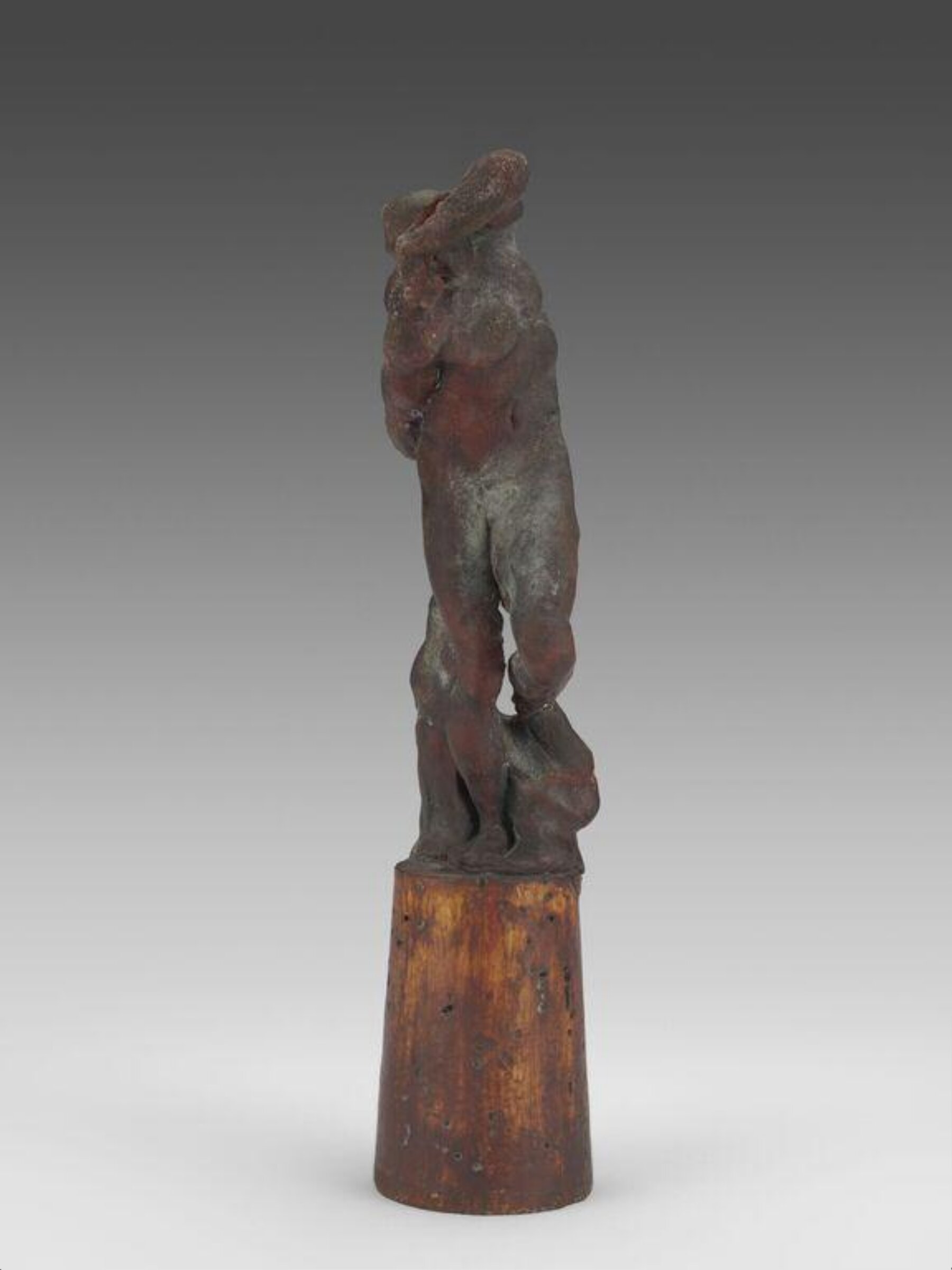
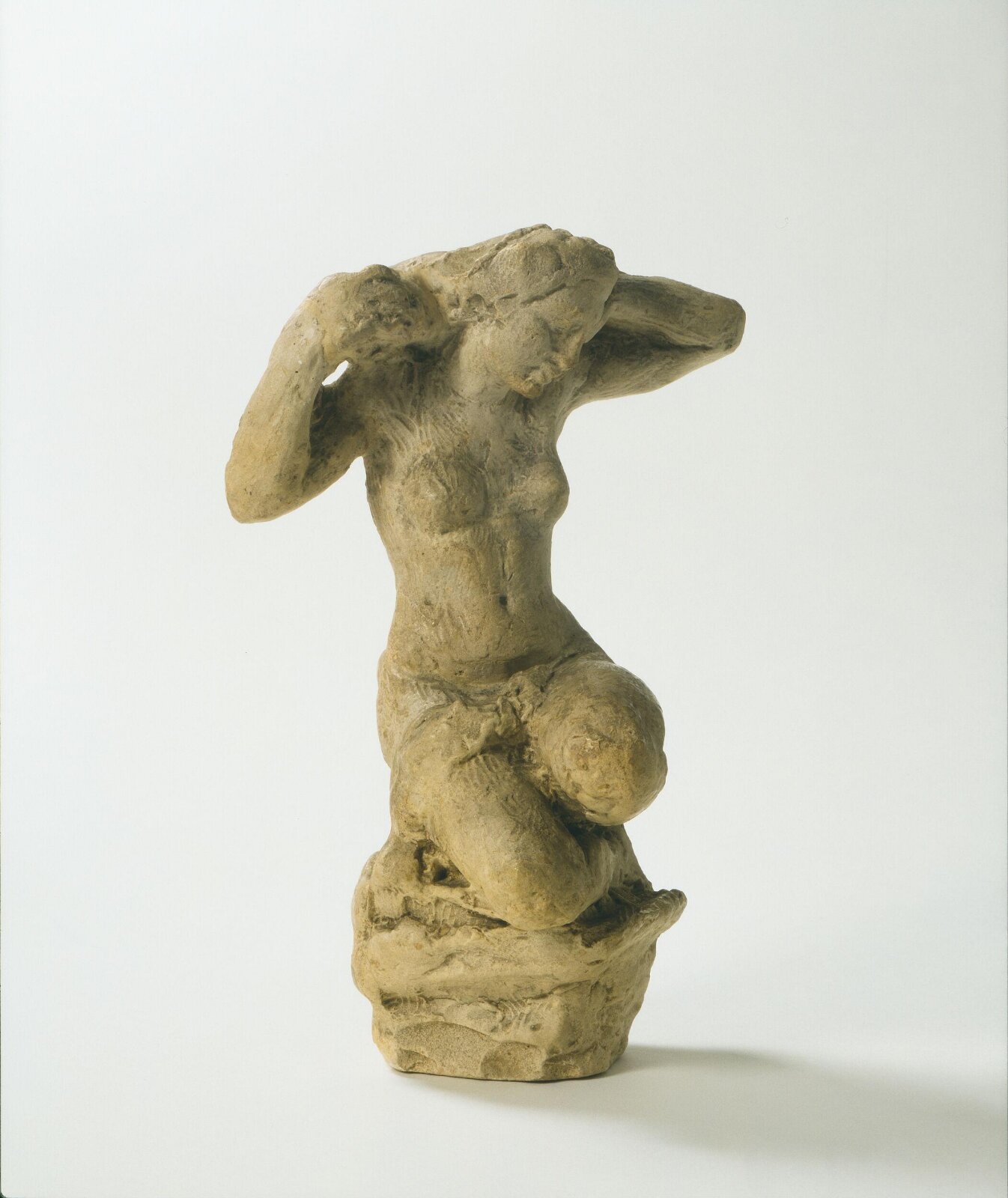
Caryatid
可否一睹真容?
眼下不见客

倫敦, 英国
仍属馆藏,只是目前没有展出。
- 核实
- 此状态始于
- 出处
- 博物馆
关于这件雕塑
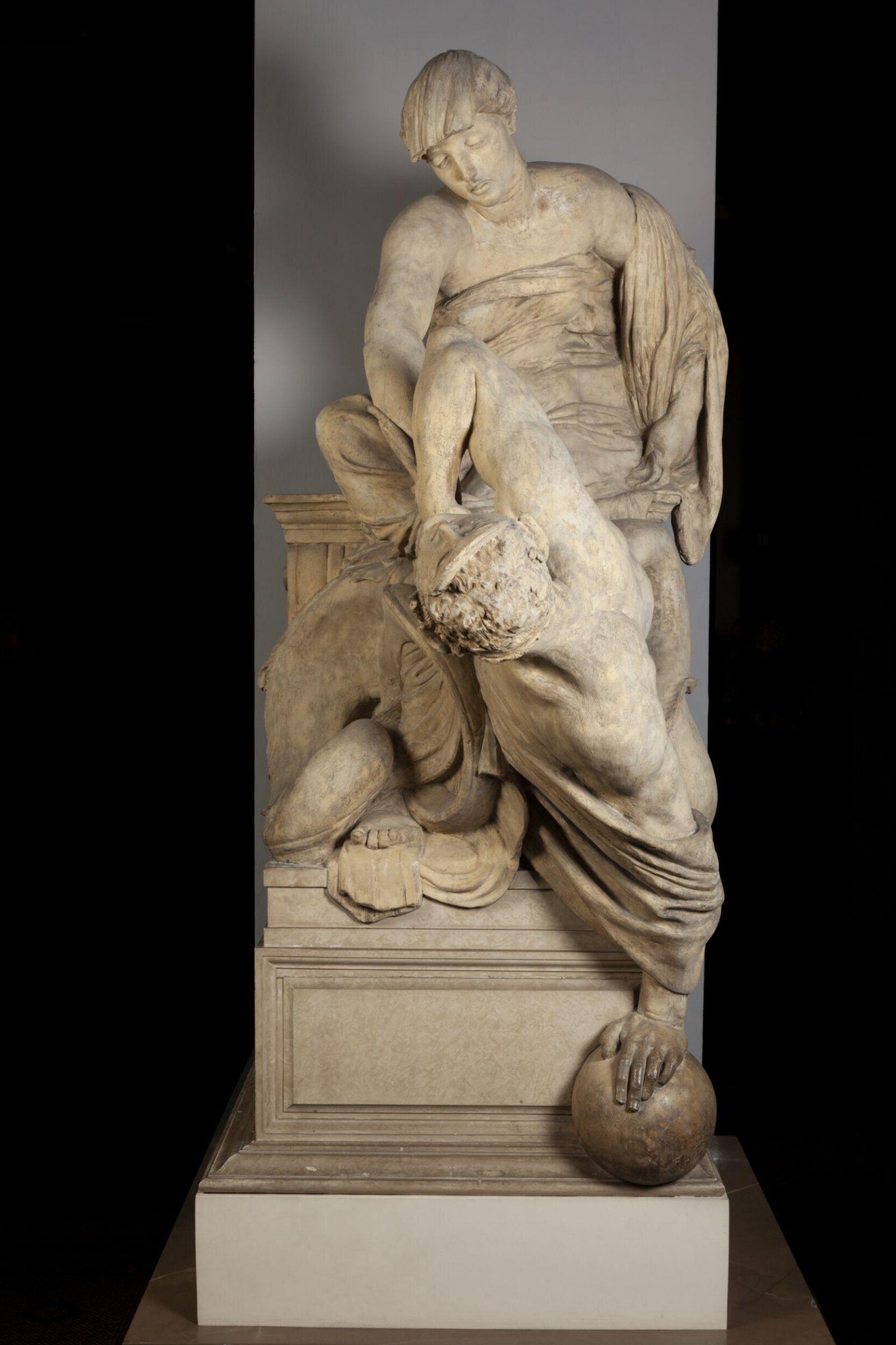
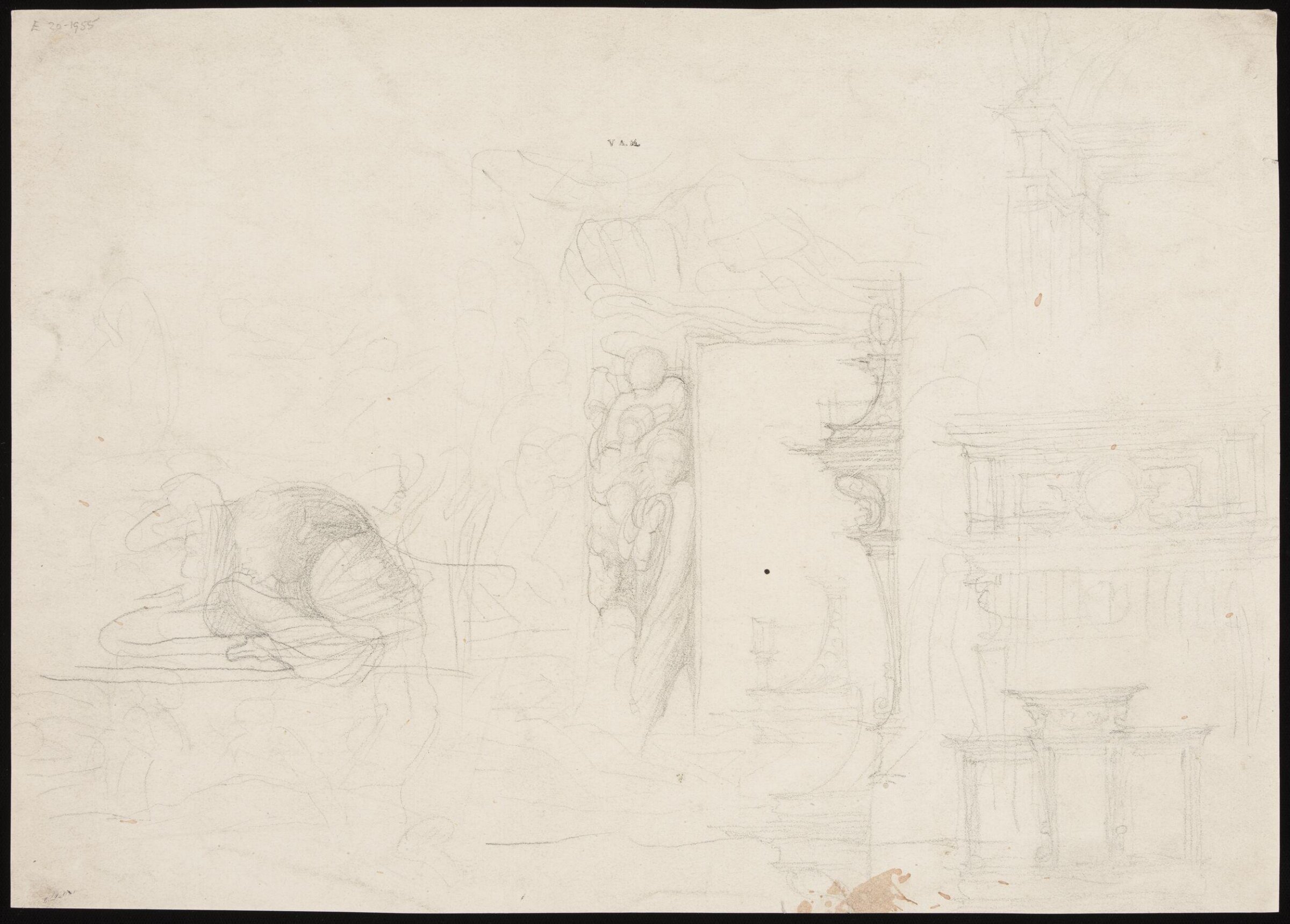
Around 1858 Stevens was commissioned by Robert Holford to re-design the dining-room of Dorchester House, Park Lane, London. He also designed the mantelpiece for the saloon. This is a plaster model for the left-hand marble caryatid figure for the dining-room mantelpiece. The original chimneypiece was finally installed in about 1869, but the caryatid figures were finished at a later date by Stevens's former pupil James Gamble. Dorchester House was demolished in 1929 and the chimneypiece was presented to the Tate Gallery, London, in 1931 by the Dorchester House Syndicate Ltd. It was transferred to the V&A in 1976 and is displayed in the Gamble Room at the Museum (inv. no. A.2-1976).
继续阅读
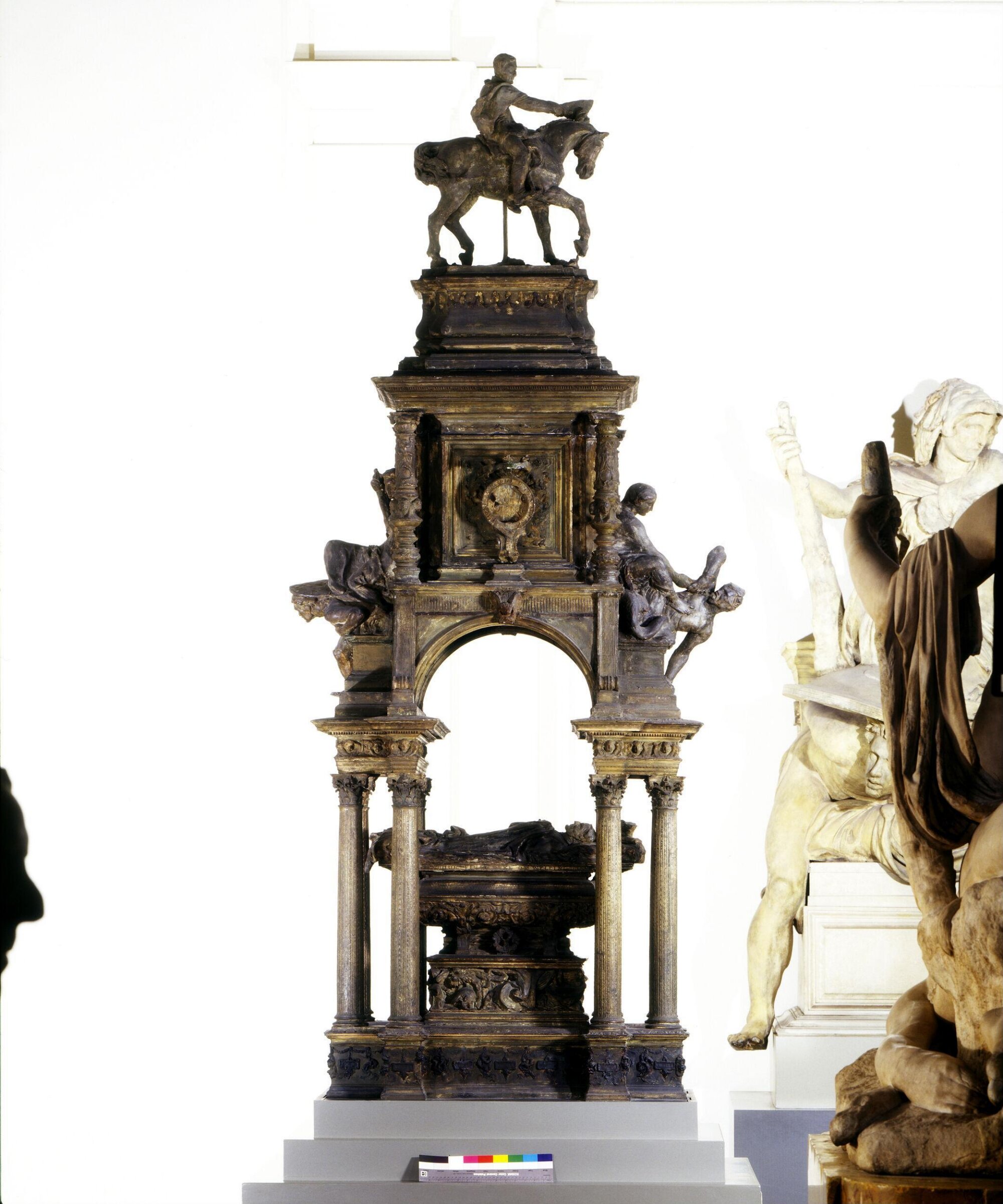
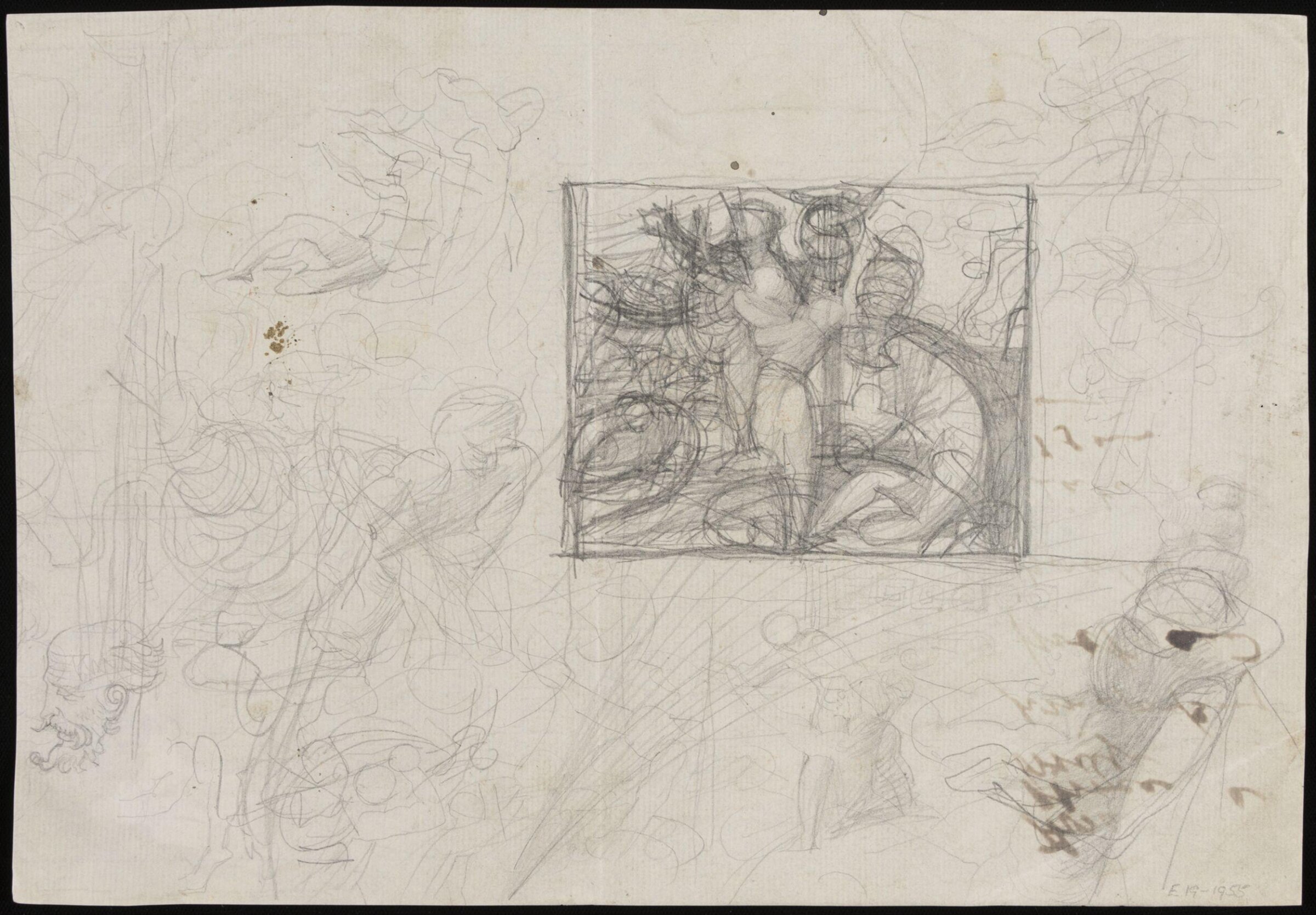
A sculptor, designer and painter, Alfred Stevens (1817/18-1875) rejected contemporary distinctions between fine art and design. From 1850 to 1857 he was chief designer to Hoole & Co., Sheffield, where he produced award-winning designs for metalwork, majolica, terracotta ornaments and chimney-pieces. Perhaps his two greatest works were the decorations for the dining-room at Dorchester House, London (about 1856), for which he made countless drawings inspired by the Italian High Renaissance style, in particular the work of Michelangelo and the monument to the Duke of Wellington for St Paul's Cathedral, London, which was completed after his death. The two allegorical groups from this monument made a lasting impact on the New Sculpture movement.
The influence of the Italian Renaissance is evident in much of Steven's work, and is perhaps best reflected in the Wellington monument.
维多利亚和阿尔伯特博物馆
作品信息
- 馆藏编号
- A.25-1934
画面内容
已收入目录
出处
- 维多利亚和阿尔伯特博物馆
- 图片: 维多利亚和阿尔伯特博物馆 — © Victoria and Albert Museum, London