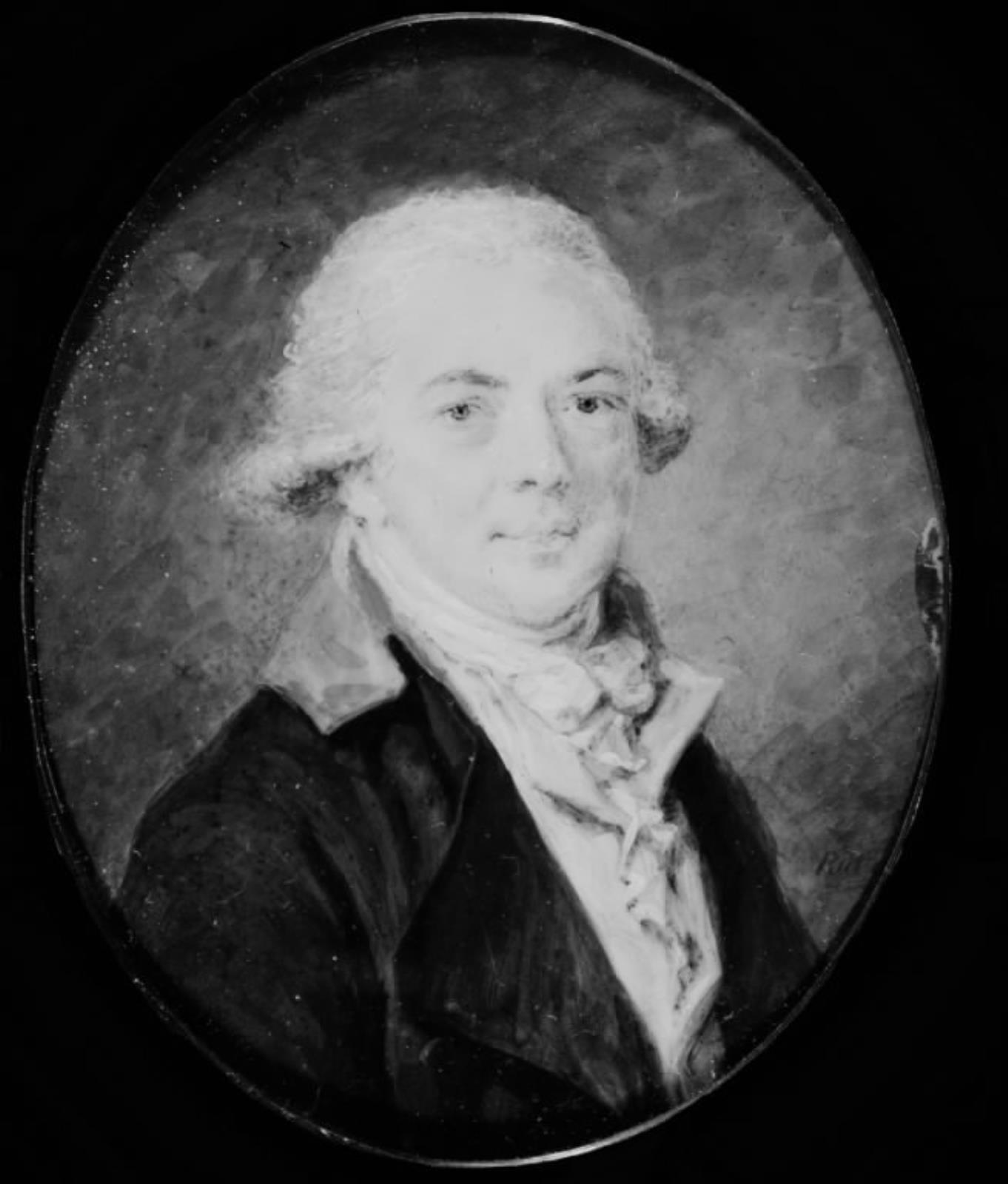
Augustin Ritt俄罗斯, 1765–1799
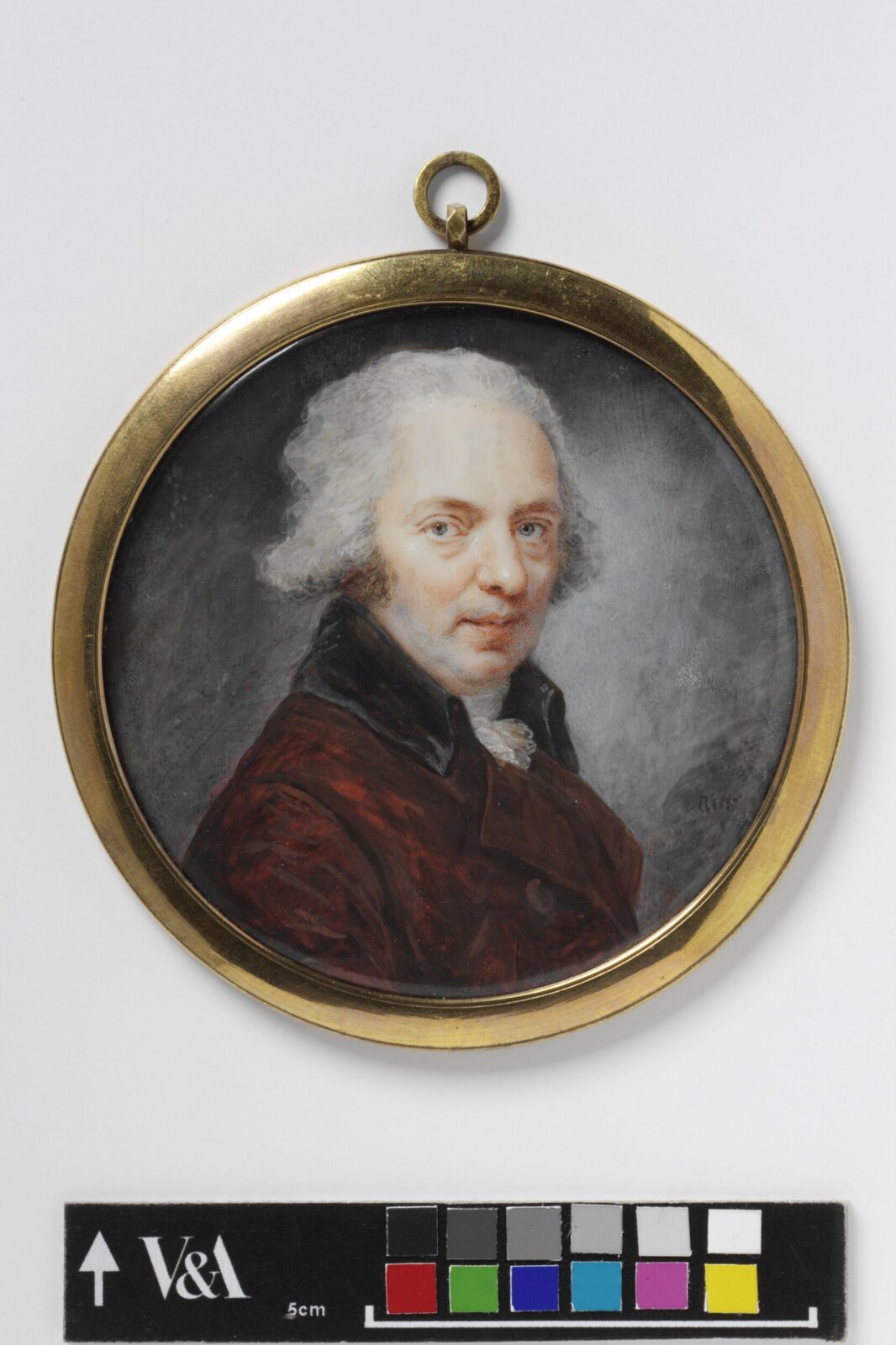
An Unknown man
可否一睹真容?
眼下不见客

维多利亚和阿尔伯特博物馆
倫敦, 英国
仍属馆藏,只是目前没有展出。
- 核实
- 此状态始于
- 出处
- 博物馆自己的馆藏数据
关于这幅画
Miniature painting originally referred to the art of painting in watercolour on vellum (fine animal skin). It developed in the early 16th century out of the tradition of illuminating manuscripts (hand-written books). In England, miniature was predominantly a portrait art. It was practised by specialist miniature painters, such as Nicholas Hilliard (1547-1619). On the Continent, miniature painting as a portrait art had a few great practitioners, such as the French painter Jean Clouet (1516?-1572). But not even Clouet was a specialist. Like Hans Holbein, he worked both in miniature and in large in oil.
继续阅读
In France, it was not until the 1770s that a notable school of portrait miniaturists emerged. It was only then that they were able to rival English ones, such as Richard Cosway (1742-1821) and John Smart (1742-1811). Like Cosway and Smart, these French artists worked in watercolour on ivory. Ivory had been introduced in place of vellum in the early 18th century by Rosalba Carriera (1675-1757), a Venetian artist. The use of this new support developed in distinct ways in England and on the Continent.
This miniature is by Augustin Ritt, who was born in St Petersburg in 1765. His father was German and was a first violinist in the orchestra at the Russian court in St Petersburg. Ritt studied in Antwerp from 1781 until 1785 and then went to Paris. His miniature style shows French influence and confidence. In 1792 he returned to St Petersburg where he had his greatest success, becoming court miniaturist and a member of the Academy. He was one of the greatest miniaturists of his period, and is placed in the same class as Pierre Adolphe Hall. He died in St Petersburg in 1799.
维多利亚和阿尔伯特博物馆
作品信息
- 馆藏编号
- P.14-1950
画面内容
已收入目录
出处
- 维多利亚和阿尔伯特博物馆:博物馆的开放数据 · 12天前获取
- 图片: 维多利亚和阿尔伯特博物馆 — © Victoria and Albert Museum, London