ART WIKI37.788 sergileniyor
HaritaKoleksiyonSanatçılarMüzelerSergilerDergi
Giriş yap

ART WIKI

Sanat eserleri nerede görülür, ne zaman ziyaret edilir.

Koleksiyonlar: Art Institute of Chicago, Cleveland Sanat Müzesi, Cooper Hewitt, Smithsonian Design Museum, Ermitaj Müzesi, Getty Villa, Harvard Art Museums, Hirshhorn Museum and Sculpture Garden, J. Paul Getty Müzesi, Louvre Müzesi, Metropoliten Sanat Müzesi, Minneapolis Institute of Art, Modern Sanat Müzesi, National Museum of Asian Art, National Portrait Gallery, Puşkin Müzesi, Rijksmuseum Amsterdam, Rus Devlet Müzesi, Smithsonian Amerikan Sanat Müzesi, SMK — National Gallery of Denmark, Tretyakov Devlet Galerisi, Ulusal Sanat Galerisi, Victoria ve Albert Müzesi, Whitney Museum of American Art, Yale Center for British Art, Yale University Art Gallery, Rusya Müze Fonu Devlet Kataloğu (274 müze), Europeana (19 müze), Wikidata (44 müze), Paris Musées (12 müze), Joconde, Fransa Kültür Bakanlığı müze veritabanı (495 müze) ve İtalya Kültür Bakanlığı Kültür Varlıkları Genel Kataloğu (25 müze). Görsellerin hakları sahiplerine aittir.

Bölümler

  • Harita
  • Ara
  • Koleksiyon
  • Ünlü eserler
  • Çalıntı ve kayıp
  • Eserin durumunu sitenize ekleyin
  • Şu anda sergilenenler
  • Sanatçılar

Diğer

  • Müzeler ve galeriler
  • Sergiler
  • Dergi
  • Veriler nereden geliyor
  • Gizlilik ve çerezler
  • Hakkında
  • Kullanım koşulları
Ana sayfaHaritaGöz at

Göz at

Asitle oyma

130.252 eser 146 müzedenŞu anda 133 eser sergileniyorTümünü temizle

/
Teknik
  • Tümü
  • Asitle oyma130.252
  • Litografi89.179
  • Gravür63.364
  • Ahşap baskı56.703
  • Kuru kazı9.308
  • Serigrafi8.459
  • Akuatint7.452
  • Fotomekanik baskı6.933
  • Mezzotint6.751
  • Linol baskı2.658
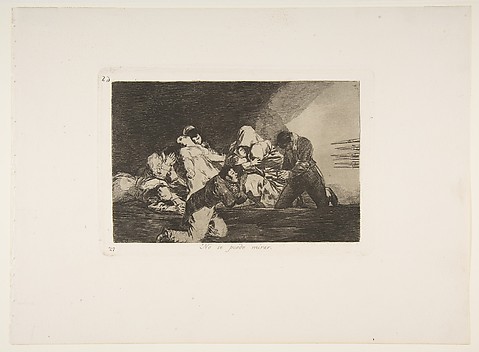
Plate 23 from "The Disasters of War" (Los Desastres de la Guerra): 'The Same Elsewhere' (Lo mismo en otras partes), Goya, ca. 1810Francisco de GoyaPlate 23 from "The Disasters of War" (Los Desastres de la Guerra): 'The Same Elsewhere' (Lo mismo en otras partes)ca. 1810Metropoliten Sanat Müzesi
Plate 47 from "Los Caprichos": A gift for the master (Obsequio á el maestro), Goya, 1799Francisco de GoyaPlate 47 from "Los Caprichos": A gift for the master (Obsequio á el maestro)1799Metropoliten Sanat Müzesi
Out hunting for teeth (A caza des dientes), plate 12 from "Los Caprichos", Goya, 1799Francisco de GoyaOut hunting for teeth (A caza des dientes), plate 12 from "Los Caprichos"1799Metropoliten Sanat Müzesi
Plate 7 from "The Disasters of War" (Los Desastres de la Guerra): 'What courage!' (Que valor!), Goya, 1810 (published 1863)Francisco de GoyaPlate 7 from "The Disasters of War" (Los Desastres de la Guerra): 'What courage!' (Que valor!)1810 (published 1863)Metropoliten Sanat Müzesi
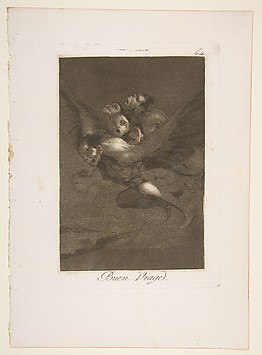
Plate 64 from "Los Caprichos": Bon Voyage (Buen Viage), Goya, 1799Francisco de GoyaPlate 64 from "Los Caprichos": Bon Voyage (Buen Viage)1799Metropoliten Sanat Müzesi
Plate 4 from "La Tauromaquia": They play another with the cape in an enclosure, Goya, 1816Francisco de GoyaPlate 4 from "La Tauromaquia": They play another with the cape in an enclosure1816Metropoliten Sanat Müzesi
Plate 64 from "Los Caprichos": Bon voyage (Buen Viage), Goya, 1799Francisco de GoyaPlate 64 from "Los Caprichos": Bon voyage (Buen Viage)1799Metropoliten Sanat Müzesi
Plate 73 from "Los Caprichos": It is better to be lazy (Mejor es holgar), Goya, 1799Francisco de GoyaPlate 73 from "Los Caprichos": It is better to be lazy (Mejor es holgar)1799Metropoliten Sanat Müzesi
Plate 2 from "La Tauromaquia": Another way of hunting on foot, Goya, 1816Francisco de GoyaPlate 2 from "La Tauromaquia": Another way of hunting on foot1816Metropoliten Sanat Müzesi
Plate 49 from "The Disasters of War" (Los Desastres de la Guerra): 'A woman's charity' (Caridad de una muger), Goya, 1811–12 (published 1863)Francisco de GoyaPlate 49 from "The Disasters of War" (Los Desastres de la Guerra): 'A woman's charity' (Caridad de una muger)1811–12 (published 1863)Metropoliten Sanat Müzesi
Plate 15: Pretty Advice (Bellos Consejos), from "Los Caprichos", Goya, 1799Francisco de GoyaPlate 15: Pretty Advice (Bellos Consejos), from "Los Caprichos"1799Metropoliten Sanat Müzesi
Plate 26  from "The Disasters of War" (Los Desastres de la Guerra): 'One can't look' (No se puede mirar), Goya, 1810 (published 1863)Francisco de GoyaPlate 26 from "The Disasters of War" (Los Desastres de la Guerra): 'One can't look' (No se puede mirar)1810 (published 1863)Metropoliten Sanat Müzesi
Plate 12 from "The Disasters of War" (Los Desastres de la Guerra): 'This is what you were born for' (Para eso habeis nacido), Goya, 1810Francisco de GoyaPlate 12 from "The Disasters of War" (Los Desastres de la Guerra): 'This is what you were born for' (Para eso habeis nacido)1810Metropoliten Sanat Müzesi
Plate 18 from "The Disasters of War" (Los Desastres de la Guerra): 'Bury them and keep quiet' (Enterrar y callar), Goya, 1810 (published 1863)Francisco de GoyaPlate 18 from "The Disasters of War" (Los Desastres de la Guerra): 'Bury them and keep quiet' (Enterrar y callar)1810 (published 1863)Metropoliten Sanat Müzesi
'Well-Known Folly' from the 'Disparates' (Follies / Irrationalities, Plate A), Goya, ca. 1815–19 (published before 1877)Francisco de Goya'Well-Known Folly' from the 'Disparates' (Follies / Irrationalities, Plate A)ca. 1815–19 (published before 1877)Metropoliten Sanat Müzesi
Plate 59  from "The Disasters of War" (Los Desastres de la Guerra): 'What is the use of a cup?' ( De qué sirve una taza?), Goya, 1811–12 (published 1863)Francisco de GoyaPlate 59 from "The Disasters of War" (Los Desastres de la Guerra): 'What is the use of a cup?' ( De qué sirve una taza?)1811–12 (published 1863)Metropoliten Sanat Müzesi
Plate 73 from "The Disasters of War" (Los Desastres de la Guerra): 'Feline pantomime' (Gatesca pantomima), Goya, 1814–15 (published 1863)Francisco de GoyaPlate 73 from "The Disasters of War" (Los Desastres de la Guerra): 'Feline pantomime' (Gatesca pantomima)1814–15 (published 1863)Metropoliten Sanat Müzesi
Plate 25 from "La Tauromaquia": They loose dogs on the bull, Goya, 1816Francisco de GoyaPlate 25 from "La Tauromaquia": They loose dogs on the bull1816Metropoliten Sanat Müzesi
Plate 70: Devout Profession (Devota Profesion), from "Los Caprichos", Goya, 1799Francisco de GoyaPlate 70: Devout Profession (Devota Profesion), from "Los Caprichos"1799Metropoliten Sanat Müzesi
Plate 52 from "Los Caprichos": What a tailor can do! (Lo que puede un Sastre!), Goya, 1799Francisco de GoyaPlate 52 from "Los Caprichos": What a tailor can do! (Lo que puede un Sastre!)1799Metropoliten Sanat Müzesi
Plate 2 from "The Disasters of War" (Los Desastres de la Guerra): 'Rightly or wrongly' (Con razon ó sin ella), Goya, 1810 (published 1863)Francisco de GoyaPlate 2 from "The Disasters of War" (Los Desastres de la Guerra): 'Rightly or wrongly' (Con razon ó sin ella)1810 (published 1863)Metropoliten Sanat Müzesi
Plate 67 from "The Disasters of War" (Los Desastres de la Guerra): 'This is not less so' (Esta no lo es menos), Goya, 1814–15 (published 1863)Francisco de GoyaPlate 67 from "The Disasters of War" (Los Desastres de la Guerra): 'This is not less so' (Esta no lo es menos)1814–15 (published 1863)Metropoliten Sanat Müzesi
Plate 22 from "The Disasters of War" (Los Desastres de la Guerra): 'Even worse' (Tanto y mas), Goya, 1810Francisco de GoyaPlate 22 from "The Disasters of War" (Los Desastres de la Guerra): 'Even worse' (Tanto y mas)1810Metropoliten Sanat Müzesi
Plate 27 from "Los Caprichos": Which of them is the more overcome? (Quien mas rendido?), Goya, 1799Francisco de GoyaPlate 27 from "Los Caprichos": Which of them is the more overcome? (Quien mas rendido?)1799Metropoliten Sanat Müzesi
Not [in this case] either (Tampoco), plate 36 from "The Disasters of War" (Los Desastres de La Guerra), Goya, 1810Francisco de GoyaNot [in this case] either (Tampoco), plate 36 from "The Disasters of War" (Los Desastres de La Guerra)1810Metropoliten Sanat Müzesi
Plate 37 from "The Disasters of War" (Los Desastres de La Guerra): This is worse (Esto es peor), Goya, 1810 (first published 1863)Francisco de GoyaPlate 37 from "The Disasters of War" (Los Desastres de La Guerra): This is worse (Esto es peor)1810 (first published 1863)Metropoliten Sanat Müzesi
Plate 36 from "Los Caprichos": A bad night (Mala noche), Goya, 1799Francisco de GoyaPlate 36 from "Los Caprichos": A bad night (Mala noche)1799Metropoliten Sanat Müzesi
Plate 51 from "The Disasters of War" (Los Desastres de la Guerra): 'Thanks to the millet' (Gracias á la almorta), Goya, 1811–12 (published 1863)Francisco de GoyaPlate 51 from "The Disasters of War" (Los Desastres de la Guerra): 'Thanks to the millet' (Gracias á la almorta)1811–12 (published 1863)Metropoliten Sanat Müzesi
Portrait of the court dwarf El Primo, after Velázquez, Goya, 1778Francisco de GoyaPortrait of the court dwarf El Primo, after Velázquez1778Metropoliten Sanat Müzesi
Plate 10 from "La Tauromaquia": Charles V spearing a bull in the ring at Valladolid, Goya, 1816Francisco de GoyaPlate 10 from "La Tauromaquia": Charles V spearing a bull in the ring at Valladolid1816Metropoliten Sanat Müzesi
Plate 20 from "La Tauromaquia": The agility and audacity of Juanito Apiñani in [the ring] at Madrid, Goya, 1816Francisco de GoyaPlate 20 from "La Tauromaquia": The agility and audacity of Juanito Apiñani in [the ring] at Madrid1816Metropoliten Sanat Müzesi
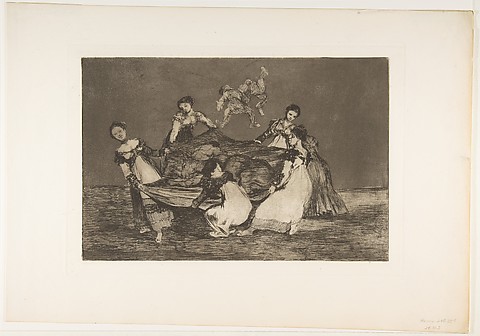
Feminine Folly, from "The Disparates" (Follies / Irrationalities), Goya, ca. 1815–19 (published 1864)Francisco de GoyaFeminine Folly, from "The Disparates" (Follies / Irrationalities)ca. 1815–19 (published 1864)Metropoliten Sanat Müzesi
Plate 71 from "Los Caprichos": When day breaks we will be off (Si amanece; nos Vamos), Goya, 1799Francisco de GoyaPlate 71 from "Los Caprichos": When day breaks we will be off (Si amanece; nos Vamos)1799Metropoliten Sanat Müzesi
Plate 80 from "The Disasters of War" (Los Desastres de la Guerra): 'Will she rise again?' (Si resucitará?), Goya, 1814–15 (published 1863)Francisco de GoyaPlate 80 from "The Disasters of War" (Los Desastres de la Guerra): 'Will she rise again?' (Si resucitará?)1814–15 (published 1863)Metropoliten Sanat Müzesi
'Feminine Folly' from the 'Disparates' (Follies / Irrationalities), Goya, ca. 1815–19 (printed ca.1848–54)Francisco de Goya'Feminine Folly' from the 'Disparates' (Follies / Irrationalities)ca. 1815–19 (printed ca.1848–54)Metropoliten Sanat Müzesi
Merry Folly, from "The Disparates" (Follies / Irrationalities), Goya, ca. 1815–19 (published 1864)Francisco de GoyaMerry Folly, from "The Disparates" (Follies / Irrationalities)ca. 1815–19 (published 1864)Metropoliten Sanat Müzesi
Plate 7 from "Los Caprichos": Even thus he cannot make her out (Ni asi la distingue), Goya, 1799Francisco de GoyaPlate 7 from "Los Caprichos": Even thus he cannot make her out (Ni asi la distingue)1799Metropoliten Sanat Müzesi
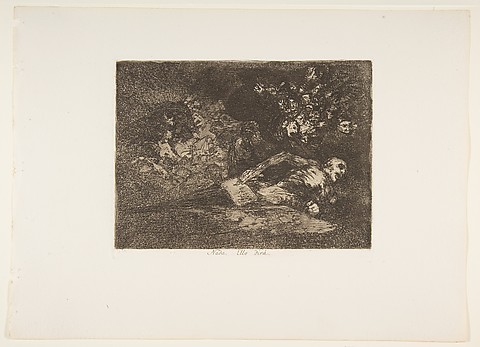
Plate 69  from "The Disasters of War" (Los Desastres de la Guerra): Nothing. The event will tell (Nada. Ello dirá), Goya, 1810–20, published 1863Francisco de GoyaPlate 69 from "The Disasters of War" (Los Desastres de la Guerra): Nothing. The event will tell (Nada. Ello dirá)1810–20, published 1863Metropoliten Sanat Müzesi
If he is guilty, let him die quickly (Si es deliquente qe, muera presto), Goya, ca. 1815 (printed around 1859)Francisco de GoyaIf he is guilty, let him die quickly (Si es deliquente qe, muera presto)ca. 1815 (printed around 1859)Metropoliten Sanat Müzesi
'Cruel Folly', from the 'Disparates' (Follies / Irrationalities), Goya, ca. 1815–19 (published 1864)Francisco de Goya'Cruel Folly', from the 'Disparates' (Follies / Irrationalities)ca. 1815–19 (published 1864)Metropoliten Sanat Müzesi
Plate 58 from 'The Disasters of War' (Los Desastres de la Guerra): 'It's no use crying out.' (No hay que dar voces.), Goya, 1811–12Francisco de GoyaPlate 58 from 'The Disasters of War' (Los Desastres de la Guerra): 'It's no use crying out.' (No hay que dar voces.)1811–12Metropoliten Sanat Müzesi
Plate 29 from "Los Caprichos": That certainly is being able to read (Esto si que es leer), Goya, 1799Francisco de GoyaPlate 29 from "Los Caprichos": That certainly is being able to read (Esto si que es leer)1799Metropoliten Sanat Müzesi
Plate 41 from "Los Caprichos": Neither more nor less (Ni mas ni menos), Goya, 1799Francisco de GoyaPlate 41 from "Los Caprichos": Neither more nor less (Ni mas ni menos)1799Metropoliten Sanat Müzesi
Plate 16 from "The Disasters of War" (Los Desastres de la Guerra): 'They make use of them' (Se aprovechan), Goya, 1810Francisco de GoyaPlate 16 from "The Disasters of War" (Los Desastres de la Guerra): 'They make use of them' (Se aprovechan)1810Metropoliten Sanat Müzesi
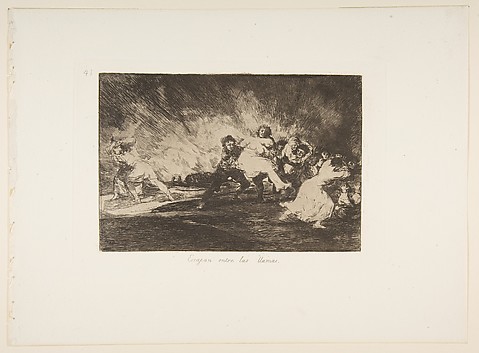
Plate 41 from "The Disasters of War" (Los Desastres de La Guerra): 'They escape through the flames' (Escapan entre las llamas), Goya, 1810 (published 1863)Francisco de GoyaPlate 41 from "The Disasters of War" (Los Desastres de La Guerra): 'They escape through the flames' (Escapan entre las llamas)1810 (published 1863)Metropoliten Sanat Müzesi
Plate 79 from "The Disasters of War" (Los Desastres de la Guerra): 'Truth has died' (Murió la verdad), Goya, 1814–15 (published 1863)Francisco de GoyaPlate 79 from "The Disasters of War" (Los Desastres de la Guerra): 'Truth has died' (Murió la verdad)1814–15 (published 1863)Metropoliten Sanat Müzesi
Don Baltasar Carlos on horseback, after Velázquez, Goya, 1778Francisco de GoyaDon Baltasar Carlos on horseback, after Velázquez1778Metropoliten Sanat Müzesi
Plate 44 from "The Disasters of War" (Los Desastres de la Guerra): 'I saw it' (Yo lo vi), Goya, 1810Francisco de GoyaPlate 44 from "The Disasters of War" (Los Desastres de la Guerra): 'I saw it' (Yo lo vi)1810Metropoliten Sanat Müzesi
40