 Джеймс ТиссоФранция, 1836–1902
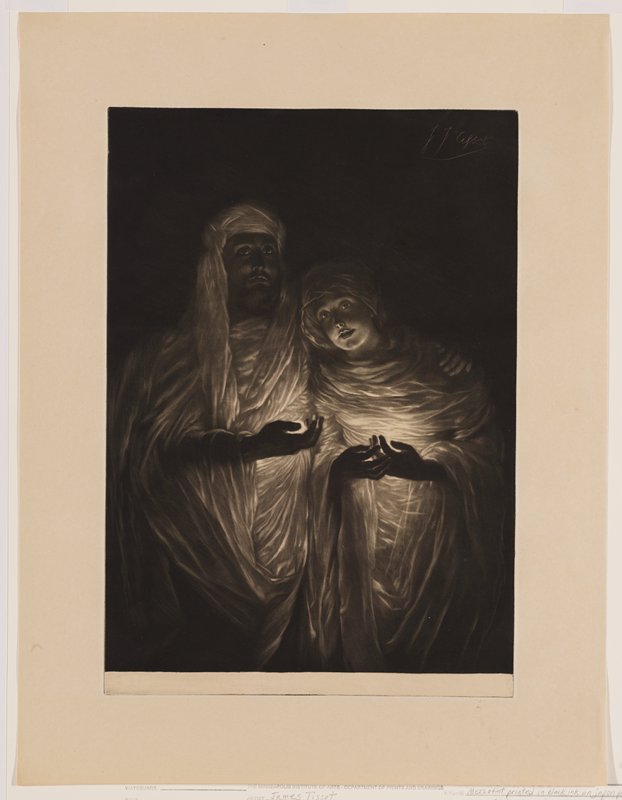
The Apparition
Можно ли лицезреть?
Сейчас не принимает

Миннеаполисский институт искусства
Миннеаполис, США
Числится в собрании, но в залах её сейчас нет.
- Проверено
- В этом положении с
- Источник
- Данные самого музея
О работе
Словами музея — на английском
James J. Tissot was a French painter and printmaker, who spent much of his adult life in London. He was particularly well known for his images of fashionable women in elaborate outfits going about their daily lives. About 1875, he and a widow named Kathleen Newton became lovers, an attachment that endured until her death from tuberculosis in 1882. Her death hit Tissot hard. He had already lost his beloved brother a few years earlier, an event that led him to an interest in the occult. With the death of Kathleen, his interest in spiritualism only became more acute.
Читать дальше
On May 20, 1885, Tissot participated in a séance at the home of Albert Besnard—quite possibly around the same table seen in Mia’s John Singer Sargent painting, The Birthday Party. A witness recalled that Kathleen and her spirit guide, at first faint, gradually became more distinct. He also reported that Tissot said that he felt her lips on his forehead and the caress of a kiss touch his face. Tissot first documented his experience in a now-lost painting. He then translated the image into the print medium of mezzotint, as seen here. Tissot took up mezzotint late in his printmaking career and seems to have reserved it primarily for subjects with personal meaning.
Миннеаполисский институт искусства
Сведения
- Инвентарный номер
- 2016.106.1
В каталоге
Источники
- Миннеаполисский институт искусства: открытые данные самого музея · получено 7 дней назад
- Изображение: Миннеаполисский институт искусства — общественное достояние
А тем временем в жизни художника
Вся жизнь целиком1885
Видение в церкви Сен-Сюльпис
Закончив «Женщину в Париже», в 1885 году Тиссо пережил религиозное видение в церкви Сен-Сюльпис, вернулся к католической вере и посвятил остаток жизни картинам на библейские сюжеты, сменив современность на традиционное повествование.
1885
«Пятнадцать картин о парижанке»
Последней крупной выставкой этого периода стала серия из 15 картин «Женщина в Париже» в галерее Зедельмейера: в отличие от лондонских светских сцен, она показывала женщин разных сословий и профессий — с неожиданными ракурсами и кадрированием японской гравюры. «Продавщица» вновь затрагивала темы желания и пола.
1886
Первое путешествие на Ближний Восток
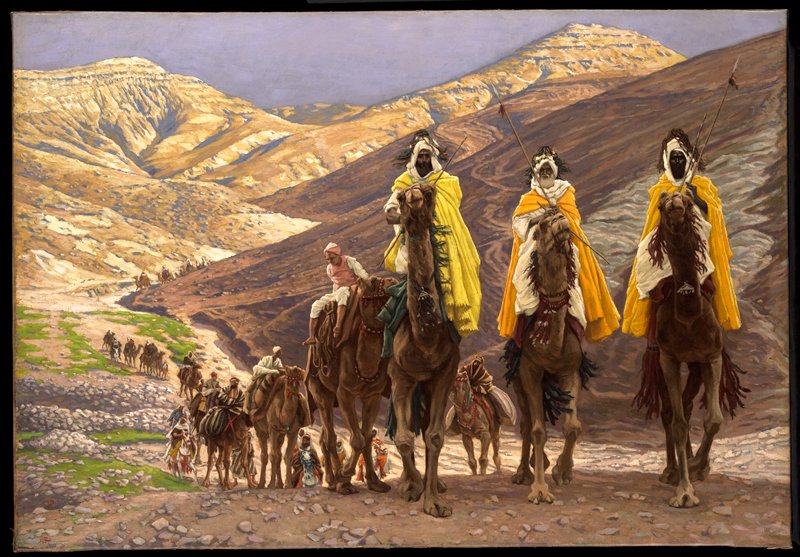
В 1886 году — а затем в 1889 и 1896 годах — Тиссо ездил на Ближний Восток изучать пейзажи и обычаи; эта «немалая археологическая точность» отличила его библейские серии от религиозной живописи современников. Задуманный цикл насчитывал семьсот акварелей о жизни Иисуса и Ветхом Завете.