 Георг ГроссГермания, 1893–1959
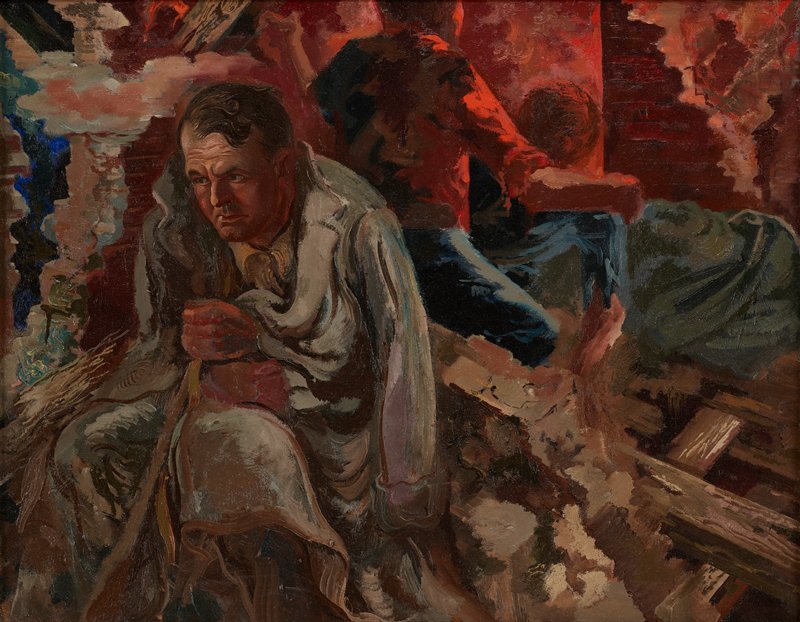
Remembering
Можно ли лицезреть?
Сейчас не принимает

Миннеаполисский институт искусства
Миннеаполис, США
Числится в собрании, но в залах её сейчас нет.
- Проверено
- 6 часов назад
- В этом положении с
- 25 сент. 2026 г.
- Источник
- Данные самого музея
О картине
Словами музея — в подлиннике
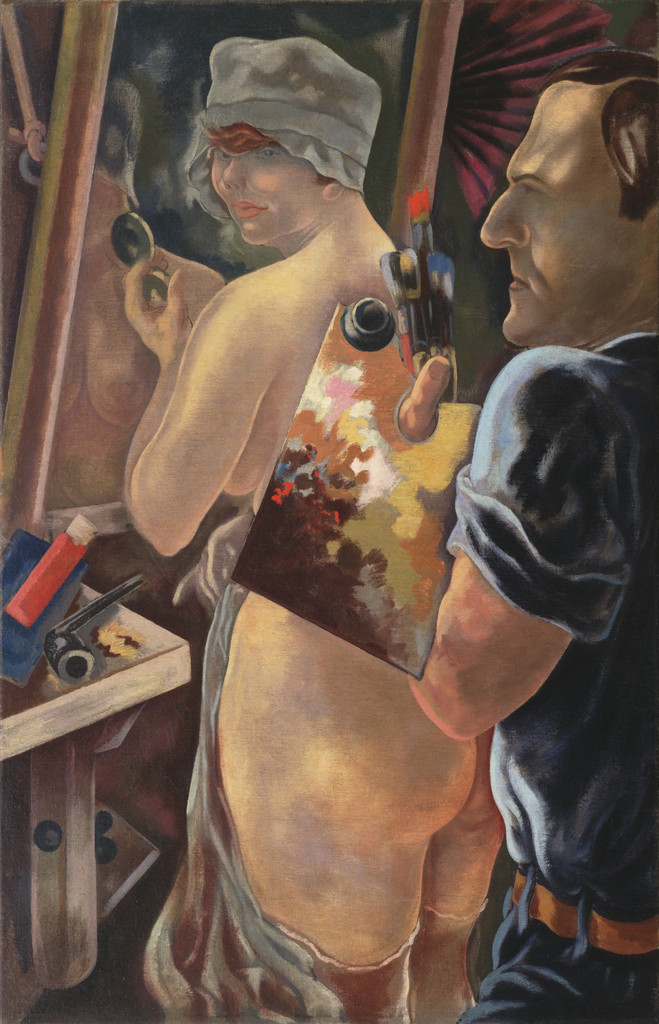
George Grosz made this self-portrait following a visit to his native Germany in 1935. Grosz shivers in the shell of a ruined building, replaying images in his mind, which we see behind him. He had moved to the United States in 1932 to escape the rise of Fascism in Europe and to teach. During his return trip, Grosz witnessed the gravity of Nazi persecution in his home country, and he made this image to express his anxiety about the situation. He was haunted by what he saw, and he felt visited by premonitions of the future—World War II (1939–45).
Читать дальше
Years later he reflected on the impulse behind such images. “I could not explain exactly what was really troubling me. But after I had returned to the States, my paintings became prophetic. I was compelled by an inner warning to paint destruction and ruins; some of my paintings I called ‘Apocalyptic Landscapes, ’ though that was quite some time before the real thing took place.” Grosz had been an early and forceful critic of the Nazi Party, and from his vantage point as an exile in 1937 anticipated its reign of terror.
Миннеаполисский институт искусства
Сведения
- Инвентарный номер
- 2017.107
В каталоге
Источники
- Миннеаполисский институт искусства: открытые данные самого музея · получено 6 дней назад
- Изображение: Миннеаполисский институт искусства — © Estate of George Grosz / Licensed by VAGA at Artists Rights Society (ARS), NY
А тем временем в жизни художника
Вся жизнь целиком1933–1945
Работы причислены к «дегенеративному искусству»
В нацистской Германии творчество Гросса причисляют к «дегенеративному искусству».
1933–1955
Преподавание в Лиге студентов-художников
Гросс преподаёт в Лиге студентов-художников Нью-Йорка до 1955 года; среди его учеников — Ромэр Бирден, на которого повлиял его стиль коллажа, Джозеф Гласко и Роберт Сенеделла, которого он наставлял в 1957–1959 годах.
1937 · Награда
стипендия Гуггенхайма
1938
Американское гражданство
Гросс становится гражданином США и обосновывается в Бейсайде, штат Нью-Йорк.
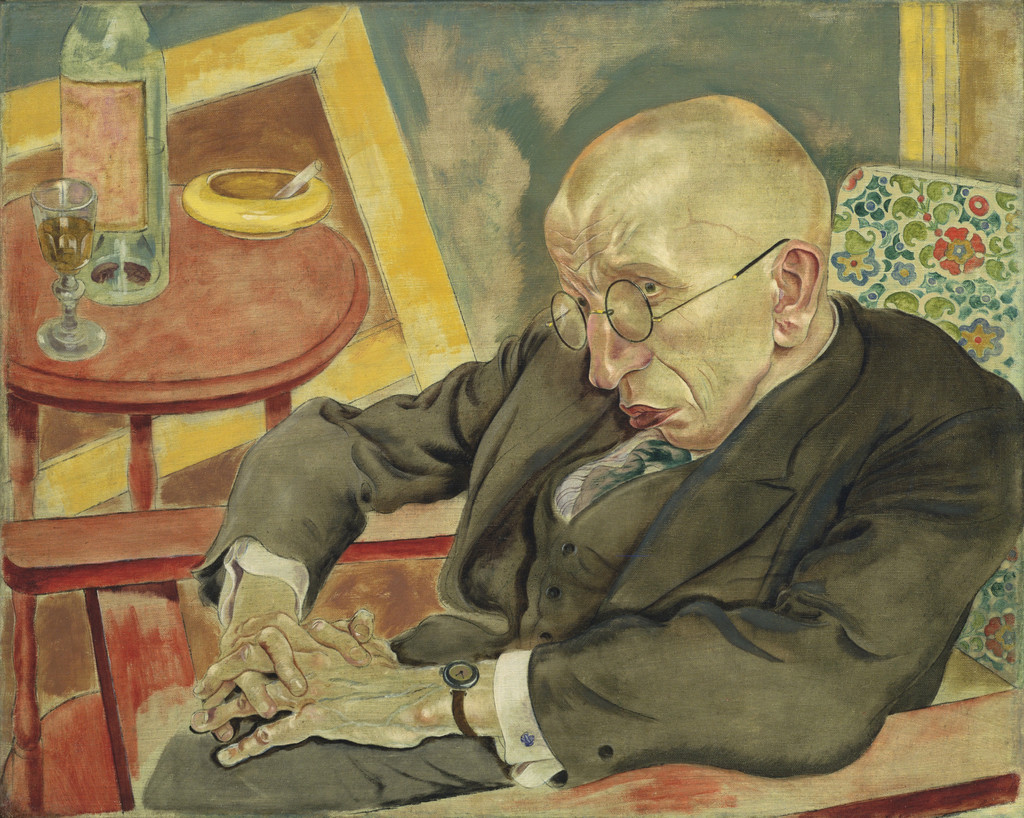

![In The Drawing Room [The Art Critics], Георг Гросс, конец 1920-х](https://api.nga.gov/iiif/4ab386b6-bf31-4ce2-8d4f-dffa98ae7480/full/!2400,2400/0/default.jpg)

![The End of the Road (Out of Fear of Starvation) [Das Ende des Weges (Aus Nahrungssorgen)], Георг Гросс, 1913](https://www.moma.org/media/W1siZiIsIjEyMTkwNyJdLFsicCIsImNvbnZlcnQiLCItcmVzaXplIDEwMjR4MTAyNFx1MDAzZSJdXQ.jpg?sha=864379f3ce59af36)