ART WIKI32 963 em exposição
MapaColeçãoArtistasMuseusExposiçõesRevista
Entrar

ART WIKI

Onde está a obra-prima, e a que horas se abre a porta.

Coleções: Art Institute of Chicago, Galeria Nacional de Arte, Galeria Tretiakov, Getty Villa, Harvard Art Museums, Hermitage, Hirshhorn Museum and Sculpture Garden, Instituto de Artes de Minneapolis, Museu de Arte de Cleveland, Museu de Arte Moderna, Museu do Louvre, Museu Estatal de Amesterdão, Museu J. Paul Getty, Museu Metropolitano de Arte, Museu Nacional de Arte da Dinamarca, Museu Pushkin, Museu Russo, Museu Smithsoniano de Arte Americana, Museu Vitória e Alberto, Museu Whitney de Arte Americana, National Museum of Asian Art, National Portrait Gallery, Catálogo Estatal do Fundo Museológico da Rússia (274 museus), Europeana (19 museus), Wikidata (6 museus), Paris Musées (12 museus) e Joconde, a base de museus do Ministério da Cultura de França (495 museus). As imagens pertencem aos titulares dos direitos.

Secções

  • Mapa
  • Pesquisa
  • Coleção
  • Obras-primas
  • Em exposição agora
  • Artistas

Mais

  • Museus e galerias
  • Exposições
  • Revista
  • De onde vêm os dados
  • Privacidade e cookies
InícioMapaCatálogo
  1. Coleção/
  2. Instituto de Artes de Minneapolis/
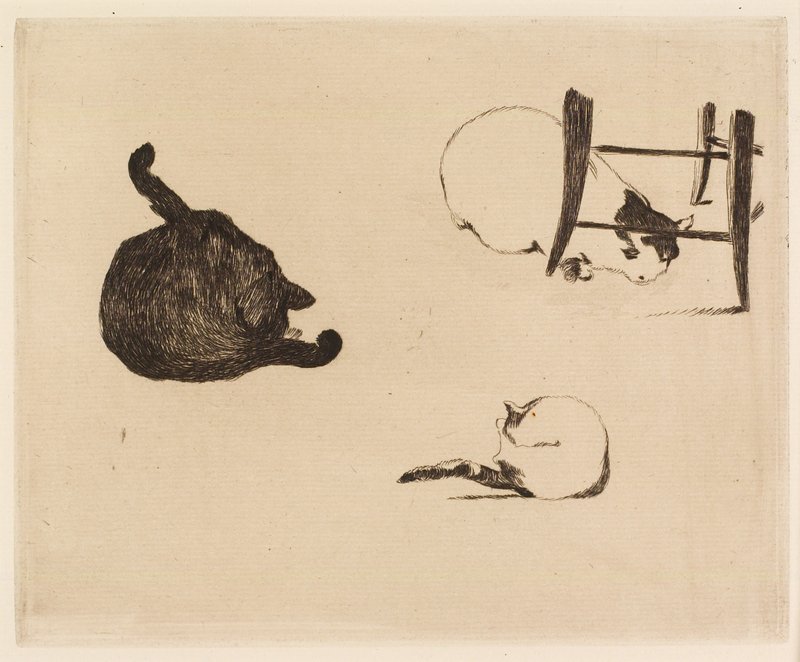
  3. The Cats
The Cats, Édouard Manet, 1869
Édouard Manet, retratoÉdouard ManetFrança, 1832–1883

The Cats

1869 · Print · 17.78 × 21.91 cm

Será possível contemplá-la?

De momento, não recebe

Instituto de Artes de Minneapolis

Minneapolis, Estados Unidos

Pertence à coleção, mas de momento não está exposta.

Verificado
há 3 dias
Neste estado desde
25 de set. de 2026
Fonte
O museu
No mapaPágina do museu

Sobre a obra

Edouard Manet was an early admirer of Japanese art. He was drawn to the static nature of the compositions and flatness of the picture planes. He also responded to the popularity of cats as subjects in Japanese art. In this group of isolated felines, Manet captured the essential feline personality of each animal with minimal modeling and without an unnecessary line, much in the manner of Hokusai's Manga.

Instituto de Artes de Minneapolis

Pormenores

1869 · aos 37 anos
18321883
Número de inventário
P.3, 001

No catálogo

GravurasÁgua-forteRealismoImpressionismoSéculo XIXFrança

Fontes

  • Instituto de Artes de Minneapolis
  • Imagem: Instituto de Artes de Minneapolis — public domain

Entretanto, na vida de Édouard Manet

A vida inteira
  1. 1867

    His own pavilion near the Pont de l'Alma

    In 1867, during the World's Fair in Paris, Manet set up his own pavilion near the Pont de l'Alma and showed fifty of his best works of the past ten years. Possibly this step led to his works being accepted at the next two Salons.

  2. 1867

    Zola defends Manet in print

    In 1867 Émile Zola, who supported Manet publicly in the press, wrote that the public was not accustomed to such simple and direct translations of reality and that this luminous and serious painting interprets nature with a gentle brutality.

  3. 1867

    First contacts with the future Impressionists

    When Manet was excluded from the International Exhibition of 1867 he set up his own; it was enormously expensive, his mother worried he would waste his inheritance, and it earned poor reviews from the major critics, but it provided his first contacts with several future Impressionist painters, including Degas.

  4. 1868

    Friendship with Berthe Morisot

    In 1868 Manet became a friend and colleague of Berthe Morisot; she is credited with convincing him to attempt plein air painting, to which Camille Corot had introduced her. Through Morisot, Manet became friends with Degas, Monet, Renoir, Sisley, Cézanne and Pissarro.

  5. 1870

    The siege of Paris: Manet in the army

    During the siege of Paris Manet, a convinced republican, sent his family to Oloron-Sainte-Marie in the south of France, while he himself, with many fellow artists, joined the army and took part in the defence of the capital; he was lucky to survive.

  6. 1870s

    Refuses to exhibit with the Impressionists

    Although his own work influenced and anticipated the Impressionist style, Manet resisted involvement in Impressionist exhibitions: he did not wish to be seen as the representative of a group identity and held that modern artists should seek to exhibit at the Salon.

Mais obras de Édouard Manet

Todas as obras
The Spanish Singer, Edouard Manet, 1860

O Cantor Espanhol

1860 · Museu Metropolitano de Arte

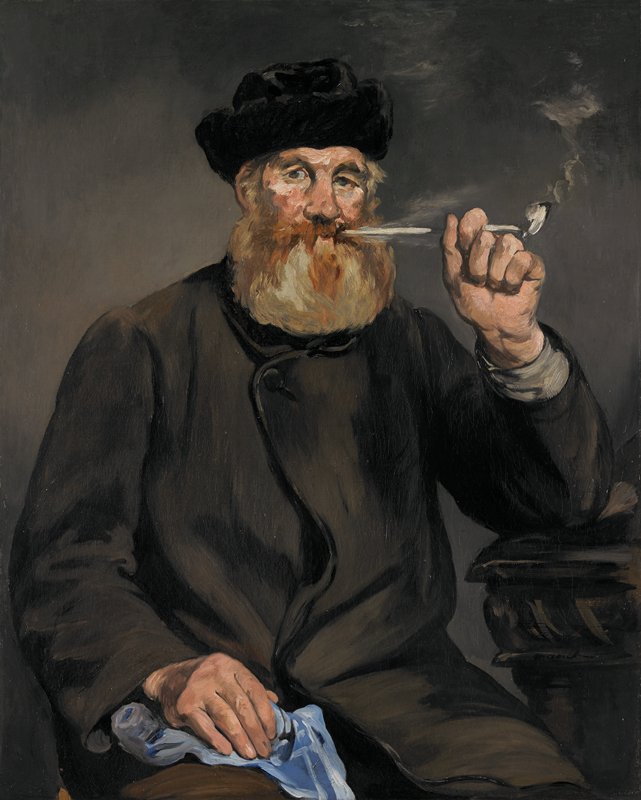
The Smoker, Édouard Manet, 1866

The Smoker

1866 · Instituto de Artes de Minneapolis

Young Lady in 1866, Edouard Manet, 1866

Young Lady in 1866

1866 · Museu Metropolitano de Arte

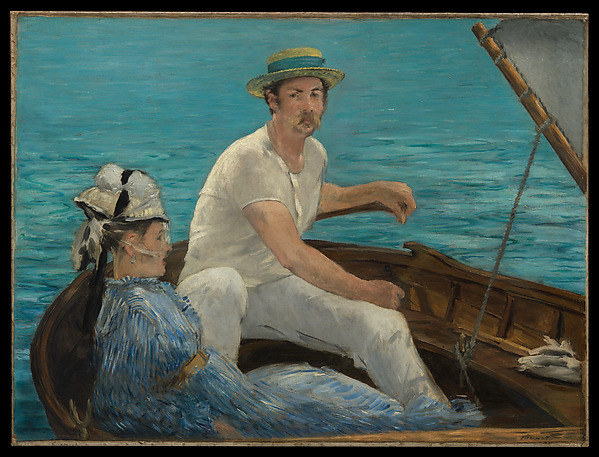
Boating, Edouard Manet, 1874

Velejando

1874 · Museu Metropolitano de Arte

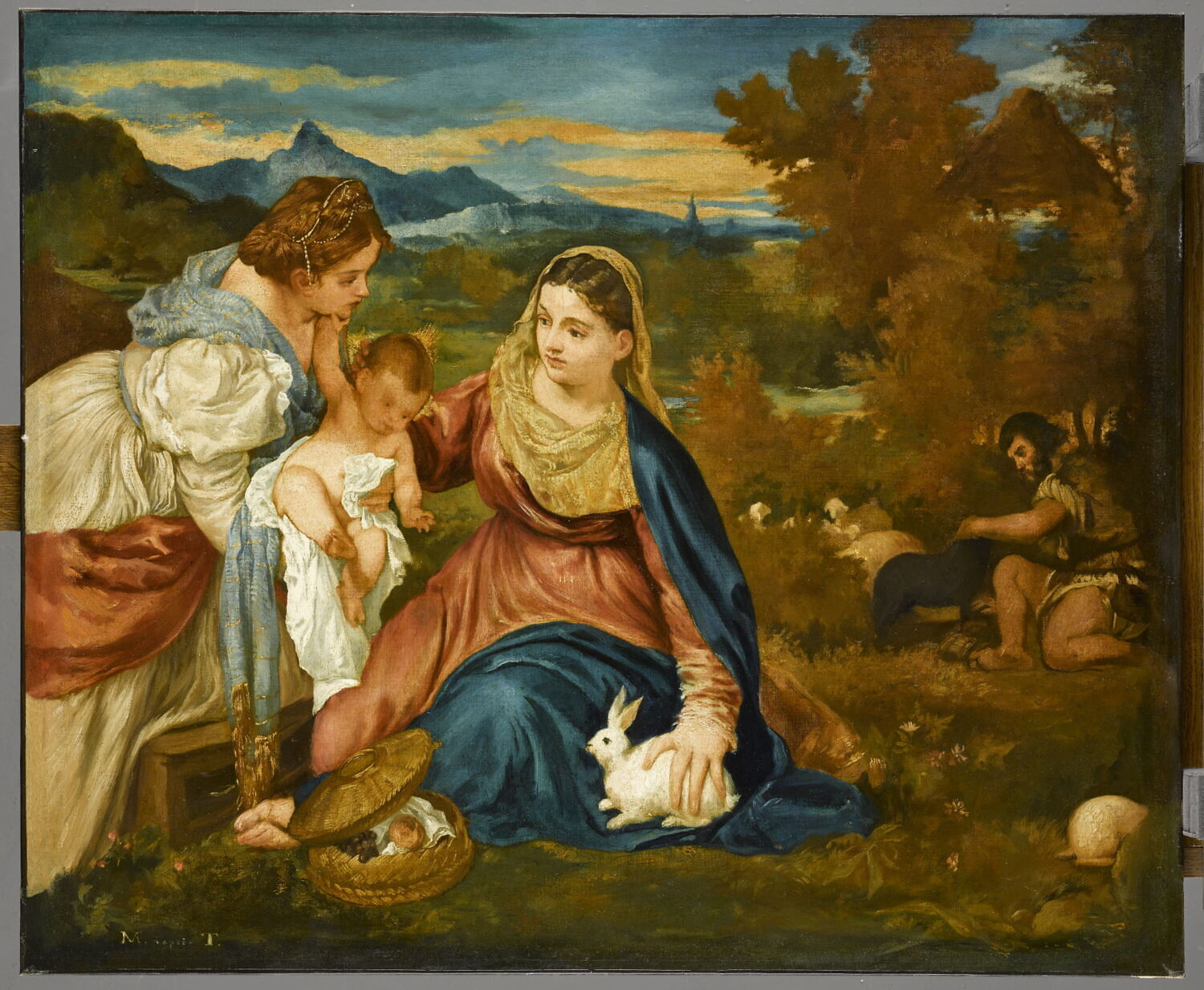
La Vierge au lapin, Manet, Édouard, Milieu du XIXe siècle (1840 - 1860)

La Vierge au lapin

Milieu du XIXe siècle (1840 - 1860) · Museu do Louvre

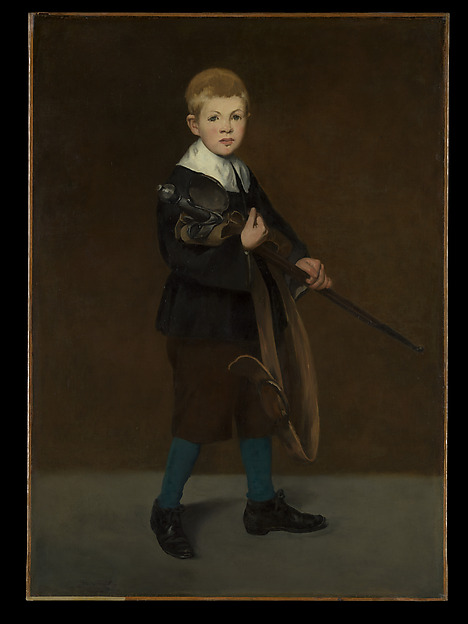
Boy with a Sword, Edouard Manet, 1861

Rapaz com espada

1861 · Museu Metropolitano de Arte

Portrait of Madame Brunet, Édouard Manet, about 1861–1863, reworked by 1867

Portrait of Madame Brunet

about 1861–1863, reworked by 1867 · Museu J. Paul Getty

The Old Musician, Edouard Manet, 1862

O Velho Músico

1862 · Galeria Nacional de Arte

Vizinhas de sala: Instituto de Artes de Minneapolis

Página do museu
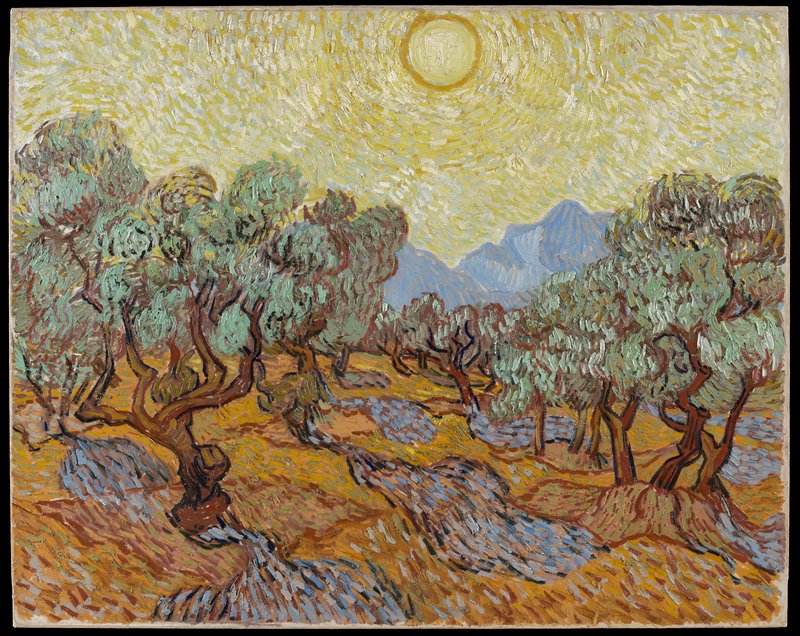
Olive Trees, Vincent van Gogh, 1889

Vincent van Gogh

Olive Trees, 1889

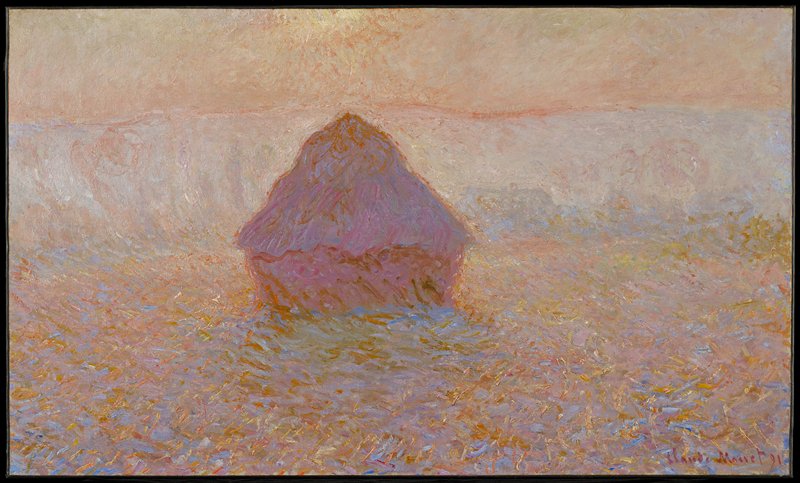
Grainstack, Sun in the Mist, Claude Monet, 1891

Claude Monet

Grainstack, Sun in the Mist, 1891

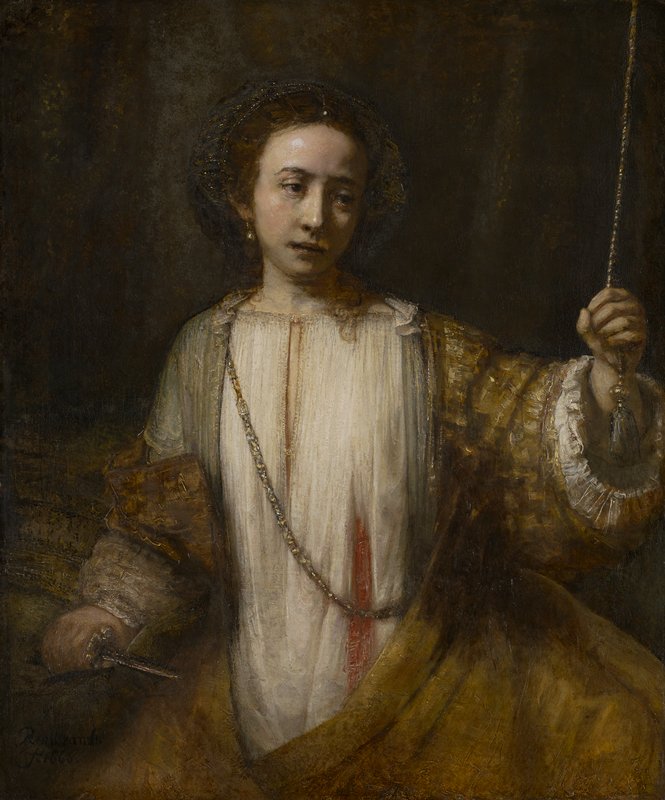
Lucretia, Rembrandt van Rijn, 1666

Rembrandt van Rijn

Lucretia, 1666

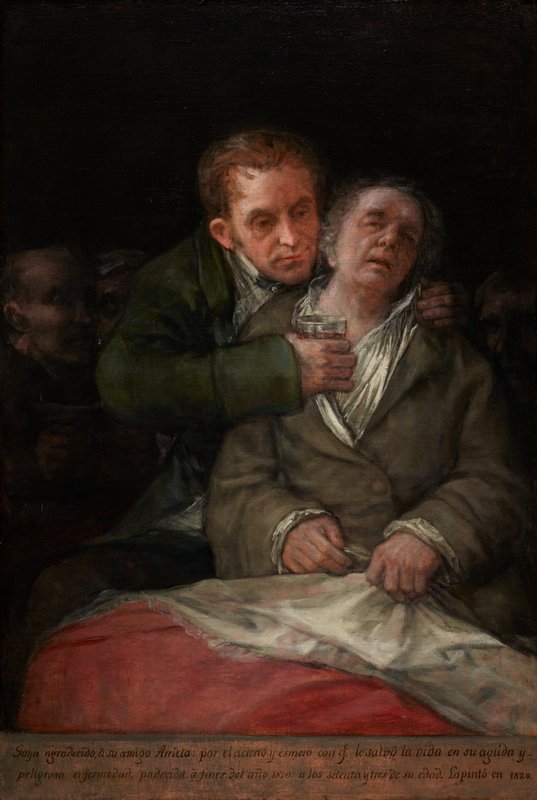
Self-Portrait with Dr. Arrieta, Francisco José de Goya y Lucientes, 1820

Francisco de Goya

Self-Portrait with Dr. Arrieta, 1820

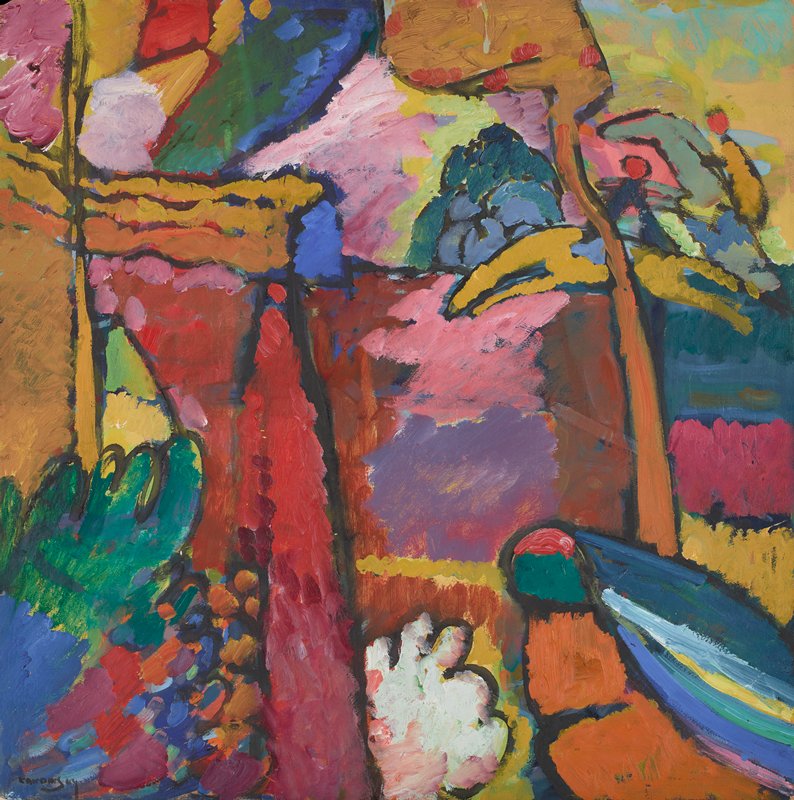
Study for Improvisation V, Vassily Kandinsky, 1910

Vasily Kandinsky

Study for Improvisation V, 1910

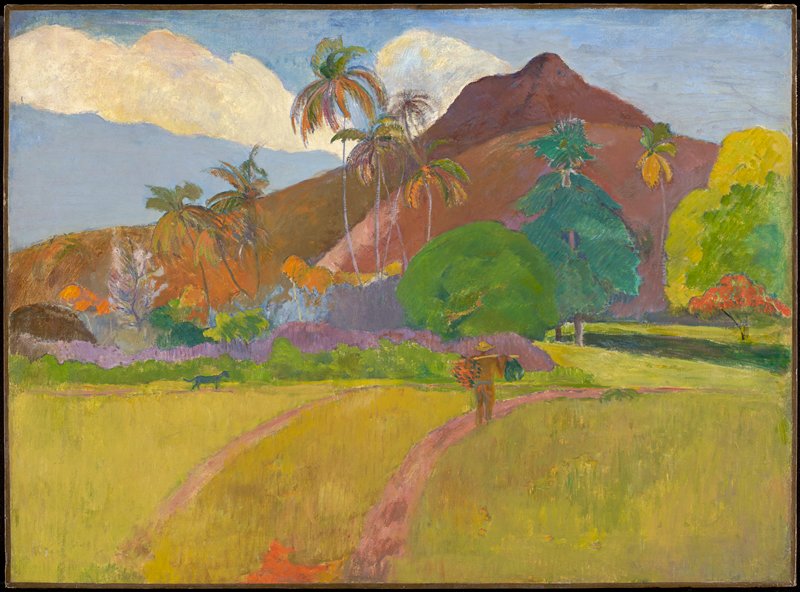
Tahitian Landscape, Paul Gauguin, 1891

Paul Gauguin

Tahitian Landscape, 1891

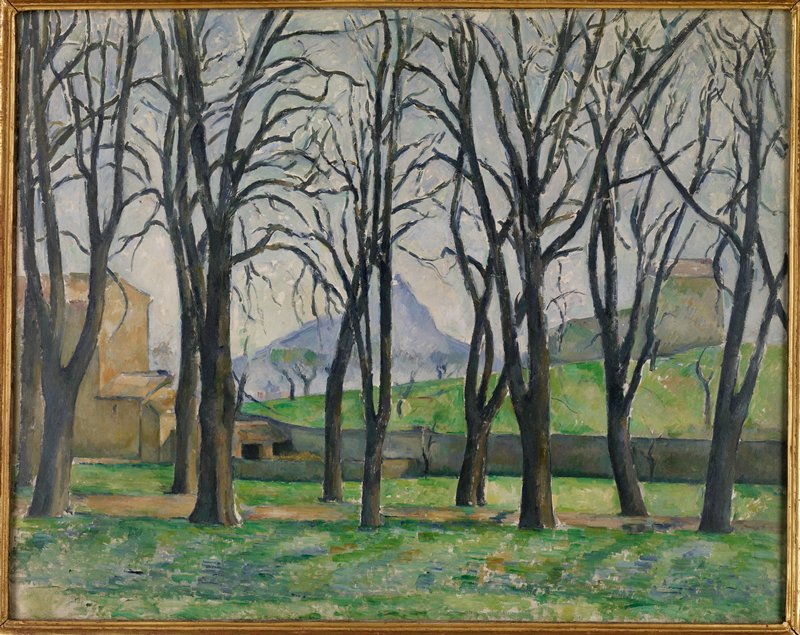
Chestnut Trees at Jas de Bouffan, Paul Cézanne, c. 1885–86

Paul Cézanne

Chestnut Trees at Jas de Bouffan, c. 1885–86

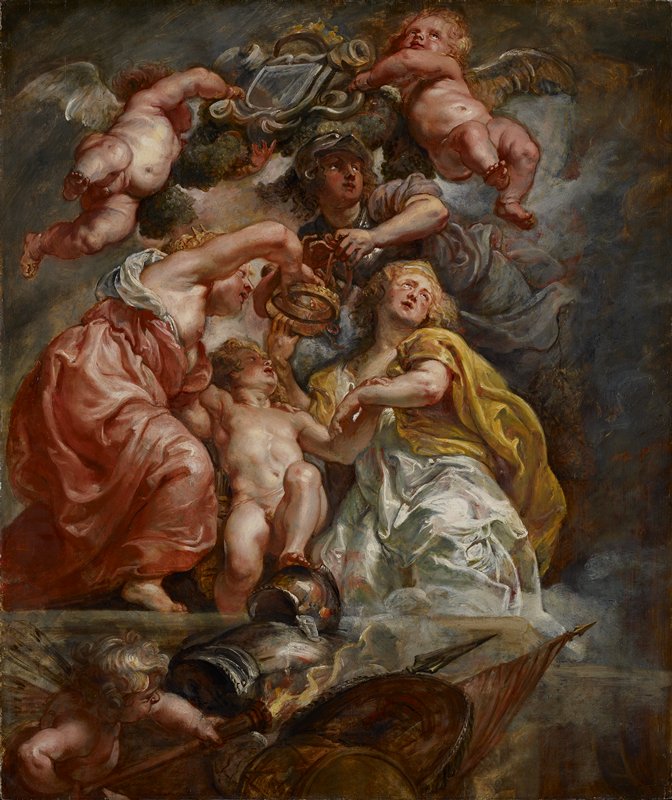
The Union of England and Scotland (Charles I as the Prince of Wales), Peter Paul Rubens, 1633–34

Peter Paul Rubens

The Union of England and Scotland (Charles I as the Prince of Wales), 1633–34