Utagawa KuniyoshiJapão, 1797–1861
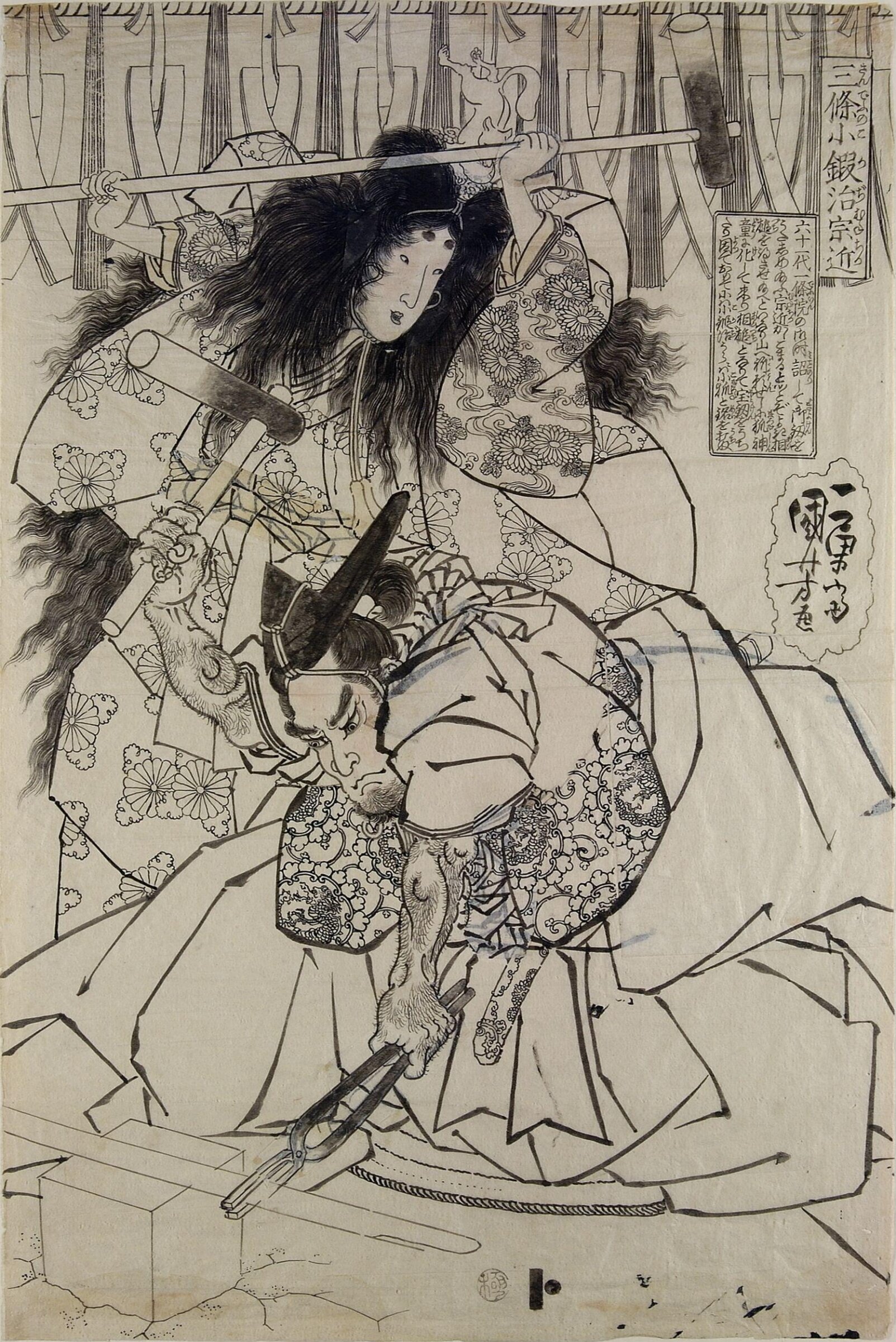
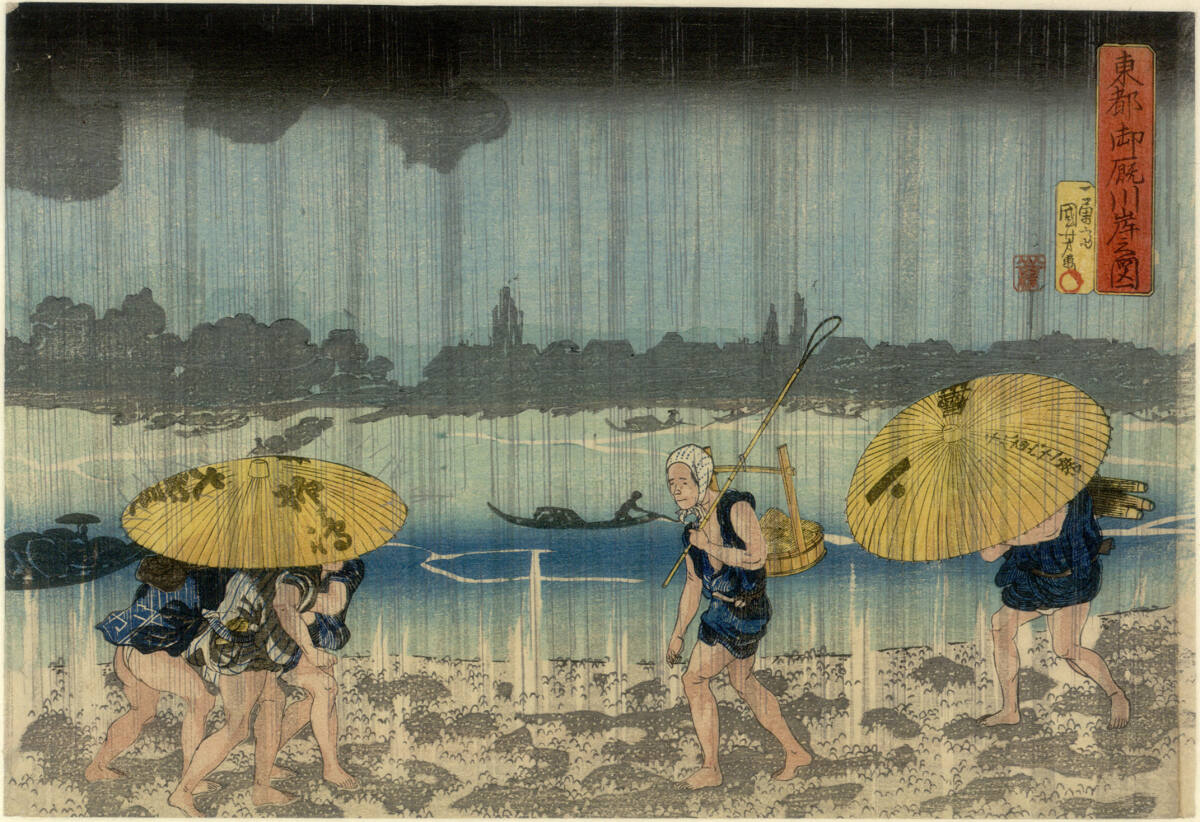
Teken van de haas
Posso vê-la?
Desconhecido
Onde está «Teken van de haas» hoje? Coleção: Museu Estatal de Amesterdão, Amesterdão. Desconhecido.

Amesterdão, Países Baixos
O proprietário é conhecido; não se sabe se hoje está exposta.
- Fonte
- O museu
Sobre a obra
Nas palavras do museu — em holandês
Dansende vrouw en witte haas; uit een serie met parodieën op twaalf tekens van de dierenriem.
Museu Estatal de Amesterdão
Pormenores
- Número de inventário
- AK-MAK-1594
O que mostra
No catálogo
Fontes
- Museu Estatal de Amesterdão
- Imagem: Museu Estatal de Amesterdão — public domain
Na vida de Utagawa Kuniyoshi
A vida inteira1839
Daughter born: Utagawa Yoshitori-jo
1841–1843
Tenpo Reforms: actors and courtesans banned
The Tenpo Reforms, meant to ease an economic crisis, curb displays of luxury and officially ban the depiction of courtesans and actors. Kuniyoshi answers with caricature prints and comic pictures (giga) that disguise real actors and courtesans; many allegorically criticize the shogunate — for example a 1843 design of Minamoto no Yorimitsu asleep, haunted by the Earth Spider and his demons — and become popular among a politically dissatisfied public.
by 1842
Joins the top three ukiyo-e masters
By 1842 he holds an honored place among the ukiyo-e masters, counted among its three best artists alongside Utagawa Hiroshige and Utagawa Kunisada.
1842
The cat series and prints for housewives
After the ban on theater scenes, actors, geisha and courtesans he makes his “cat” series, prints from an educational series for housewives and children, and portrays national heroes in the series “Tradition, Morality and Decorum”.
1842
Daughter born: Utagawa Yoshi-jo