Gustav KlimtÁustria, 1862–1918
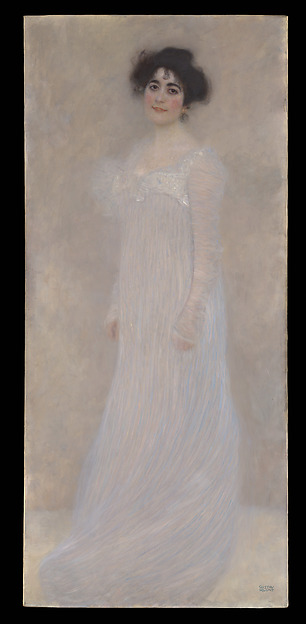
Standing Woman
Posso vê-la?
Não exposta de momento
Onde está «Standing Woman» hoje? Coleção: Galeria Nacional de Arte, Washington, D.C. Não exposta de momento. Verificado 29 de setembro de 2026.

Washington, D.C., Estados Unidos
Pertence à coleção, mas de momento não está exposta.
- Verificado
- Neste estado desde
- Fonte
- O museu
Pormenores
- Número de inventário
- 2006.160.4
O que mostra
No catálogo
Fontes
- Galeria Nacional de Arte
- Imagem: Galeria Nacional de Arte — Museum open access
Na vida de Gustav Klimt
A vida inteira1908
Klimt defends Kokoschka
The public and critics fell on the debutant Oskar Kokoschka so fiercely that the scandal of the “Faculty Paintings” came to mind; Klimt did not turn away from his pupil and defended his place in the show even if it were to be closed. Hevesi granted him talent but denied him taste; Klimt replied that art has nothing to do with taste.
1 June – 16 November 1908
The first Vienna Art Show
For the sixtieth anniversary of Franz Joseph's reign pavilions with 54 rooms were built on a temporary site and over 900 works shown. Room 22, which Peter Altenberg called “the church of modern art named after Gustav Klimt”, held “The Kiss”, “Adele Bloch-Bauer I”, “Danaë” and “The Three Ages of Woman”.
1909
The second Vienna Art Show
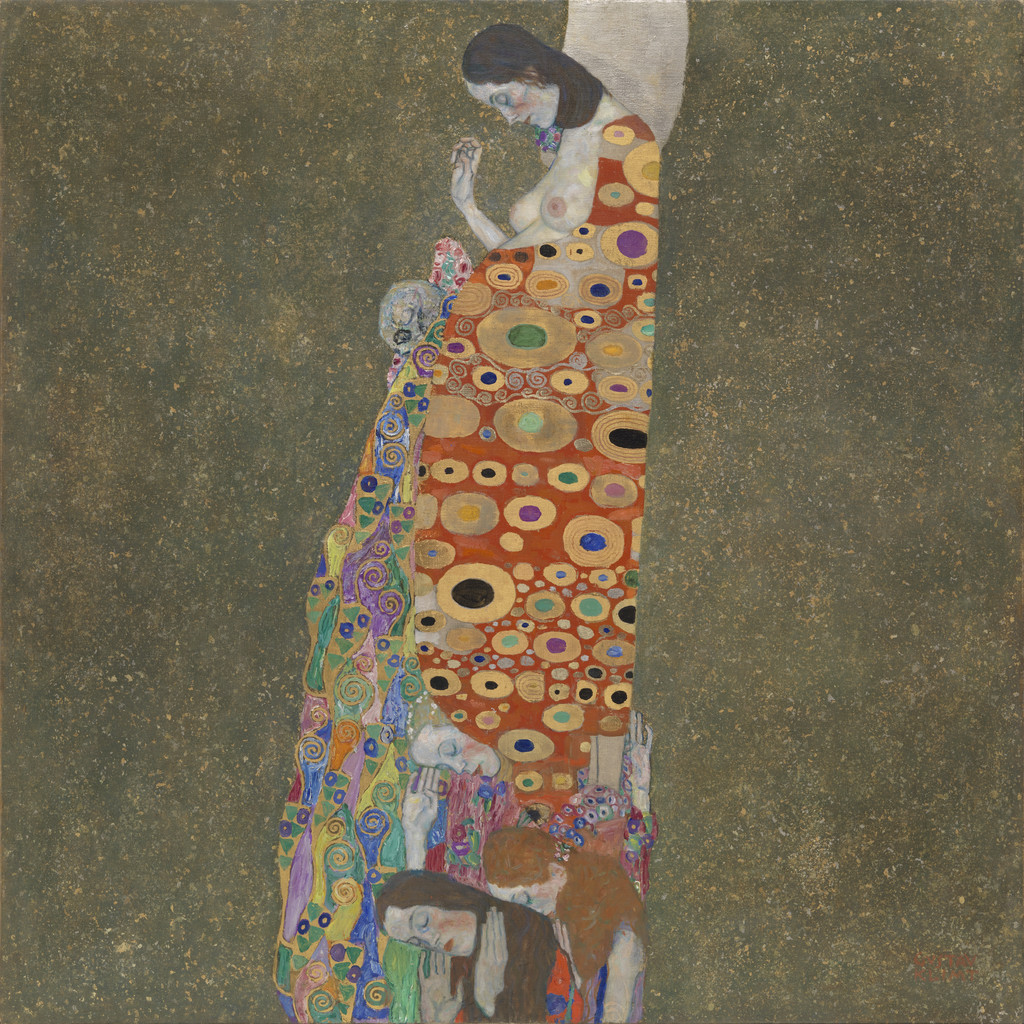
The second generation of modernists was represented by Kokoschka and Egon Schiele, and Klimt showed “Judith II” and “Hope II”. The works of Van Gogh, Munch, Gauguin, Vallotton, Bonnard and Matisse gave him the impulse for a new phase, but he never organized exhibitions again.
1910
Klimt at the Venice Biennale
Klimt's exhibition at the 1910 Venice Biennale influenced the artistic scene of Venice; the Italian Liberty artists Galileo Chini and Vittorio Zecchin were among those he influenced.
1911
“Death and Life”: first prize in Rome
At the world exhibition in Rome “Death and Life” won first prize. In 1915 Klimt reworked the painting, changing the gold background to blue.
1911
A studio in Hietzing
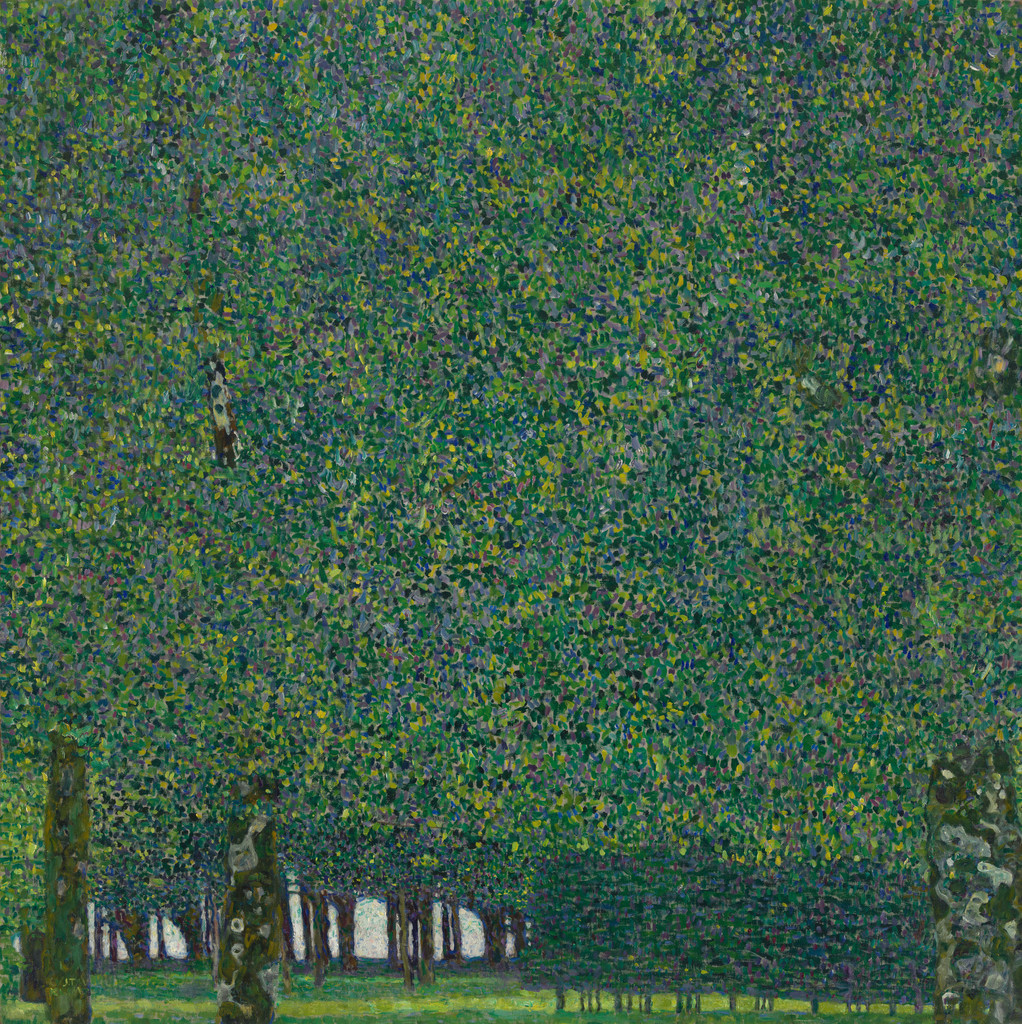
Klimt moved his studio closer to nature, to a one-storey house near Schönbrunn Park; he recorded its garden in “The Rose Garden” (1912). Here, among woodcuts, Japanese costumes and samurai armour, he began a new period and worked for the last six years of his life.



![Ginevra de' Benci [obverse], Leonardo da Vinci, c. 1474/1478](https://api.nga.gov/iiif/8f29e3c9-a289-4d53-abf0-31a66e9e98fa/full/!2400,2400/0/default.jpg)
![Wreath of Laurel, Palm, and Juniper with a Scroll inscribed Virtutem Forma Decorat [reverse], Leonardo da Vinci, c. 1474/1478](https://api.nga.gov/iiif/ff62e8d0-45c4-498f-ad36-6358de827e04/full/!2400,2400/0/default.jpg)