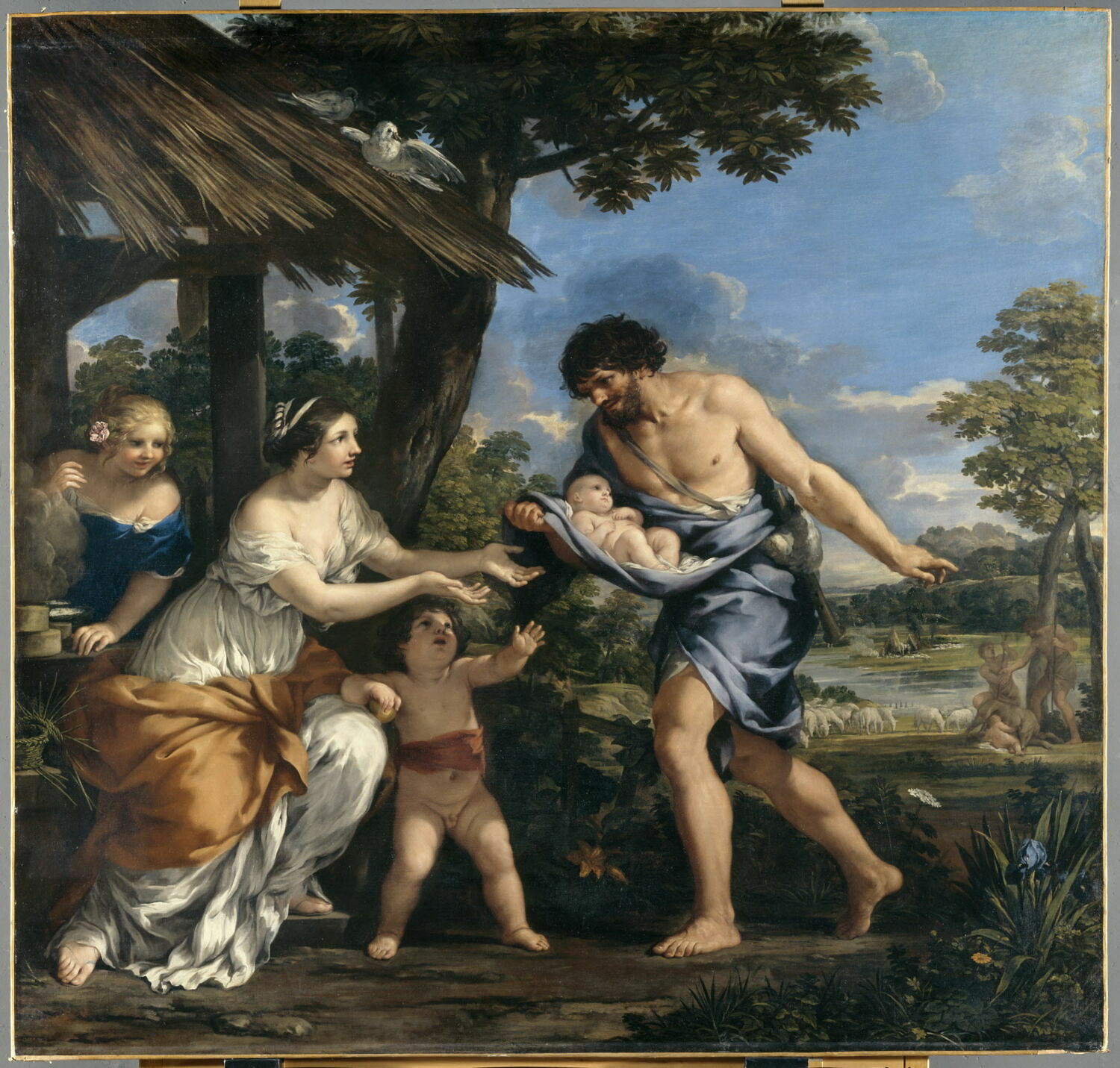
Pietro da CortonaItália, 1596–1669
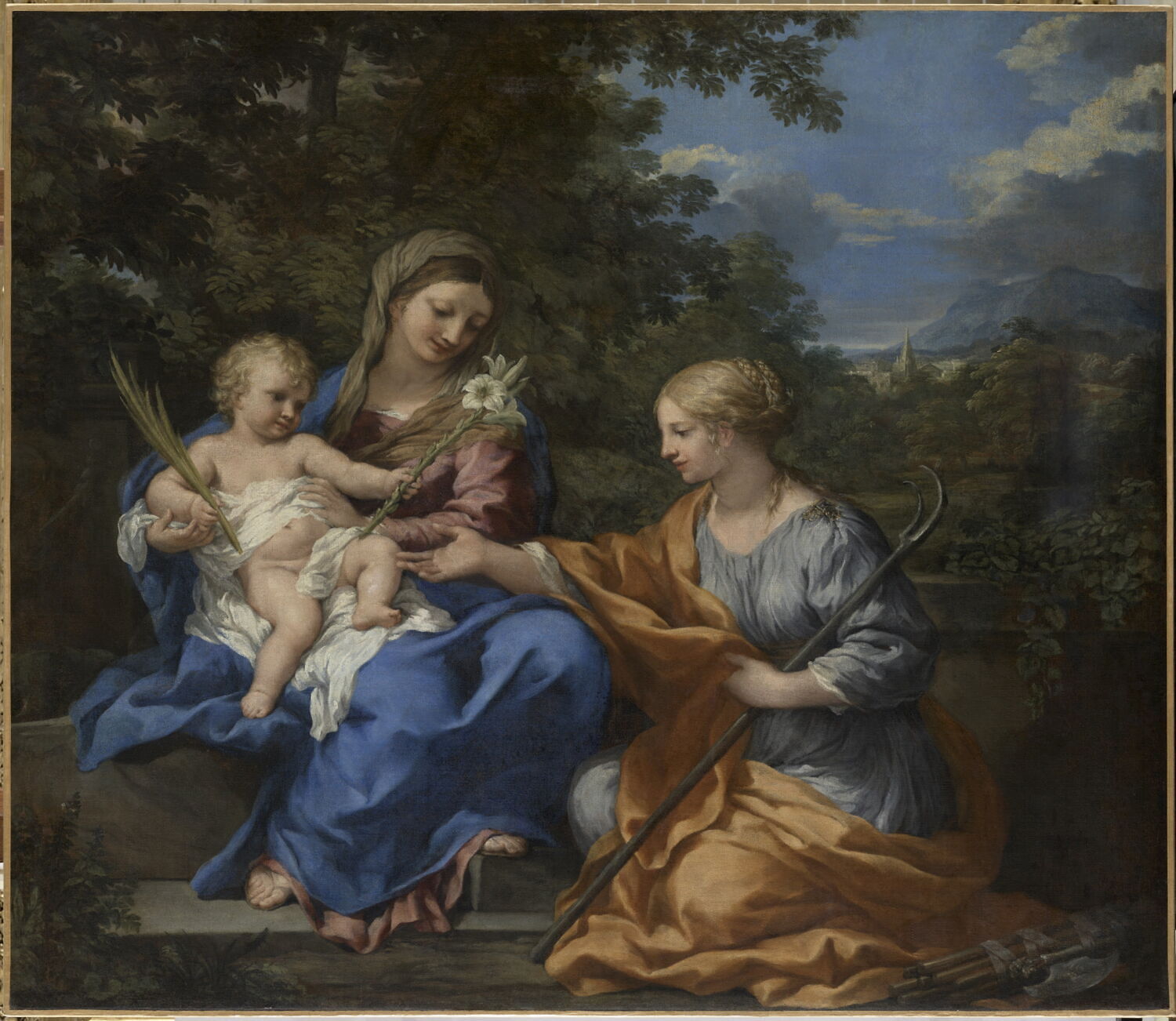
Saint Cecilia
Será possível contemplá-la?
Desconhecido

Londres, Reino Unido
O proprietário é conhecido; não se sabe se hoje está exposta.
- Neste estado desde
- Fonte
- O museu
Pormenores
- Número de inventário
- NG5284
No catálogo
Fontes
- Wikidata
- Imagem: National Gallery — Pietro da Cortona · Public domain · Wikimedia Commons
Entretanto, na vida de Pietro da Cortona
A vida inteira1614–1669 · Local de trabalho
Rome
early 1620s
Meets Marcello Sacchetti
His acquaintance with the Marchese Marcello Sacchetti, later papal treasurer, proved decisive for his early career: it was his copy of Raphael's “Galatea” that caught Sacchetti's eye. For Sacchetti Pietro painted “The Sacrifice of Polyxena” and “The Triumph of Bacchus” (now in the Capitoline Museums), and through him he met the poet Giambattista Marino.
1622–1623
Frescoes in the Palazzo Mattei
Under the direction of Agostino Ciampelli, Pietro took part in the fresco decoration of the Palazzo Mattei in Rome — the Mattei family were among his first patrons.
c. 1626
Meets Pope Urban VIII
In the Sacchetti circle Pietro met Pope Urban VIII Barberini and his nephew Cardinal Francesco Barberini. The pope recognised his talent before others and became his chief patron; the Barberini tapestry works wove the series “The History of Alexander the Great” and “From the Life of Pope Urban VIII” after Cortona's designs.
1626
The Sacchetti commission: canvases and frescoes at Castelfusano
In 1626 the Sacchetti family commissioned three large canvases (“The Sacrifice of Polyxena”, “The Triumph of Bacchus” and “The Rape of the Sabine Women”; other accounts date the first two to the early 1620s) and a fresco cycle in their villa at Castelfusano near Ostia. The young Andrea Sacchi was in his team.