ART WIKI32 963 em exposição
MapaColeçãoArtistasMuseusExposiçõesRevista
Entrar

ART WIKI

Onde está a obra-prima, e a que horas se abre a porta.

Coleções: Art Institute of Chicago, Galeria Nacional de Arte, Galeria Tretiakov, Getty Villa, Harvard Art Museums, Hermitage, Hirshhorn Museum and Sculpture Garden, Instituto de Artes de Minneapolis, Museu de Arte de Cleveland, Museu de Arte Moderna, Museu do Louvre, Museu Estatal de Amesterdão, Museu J. Paul Getty, Museu Metropolitano de Arte, Museu Nacional de Arte da Dinamarca, Museu Pushkin, Museu Russo, Museu Smithsoniano de Arte Americana, Museu Vitória e Alberto, Museu Whitney de Arte Americana, National Museum of Asian Art, National Portrait Gallery, Catálogo Estatal do Fundo Museológico da Rússia (274 museus), Europeana (19 museus), Wikidata (6 museus), Paris Musées (12 museus) e Joconde, a base de museus do Ministério da Cultura de França (495 museus). As imagens pertencem aos titulares dos direitos.

Secções

  • Mapa
  • Pesquisa
  • Coleção
  • Obras-primas
  • Em exposição agora
  • Artistas

Mais

  • Museus e galerias
  • Exposições
  • Revista
  • De onde vêm os dados
  • Privacidade e cookies
InícioMapaCatálogo
  1. Coleção/
  2. Instituto de Artes de Minneapolis/
  3. Puvis de Chavannes (Second plate)
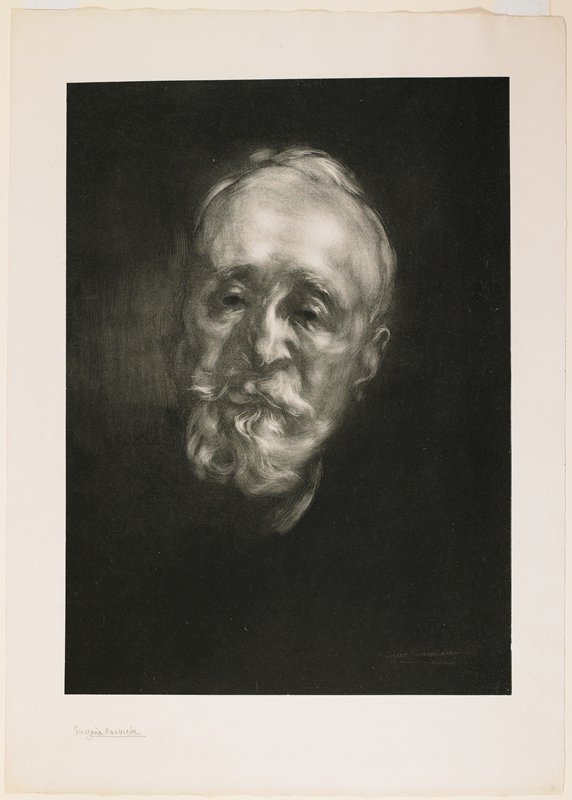
Puvis de Chavannes (Second plate), Eugène Carrière, 1897
Carrière, Eugène, retratoCarrière, EugèneFrança, 1849–1906

Puvis de Chavannes (Second plate)

1897 · Print · 55.25 × 40.01 cm

Será possível contemplá-la?

De momento, não recebe

Instituto de Artes de Minneapolis

Minneapolis, Estados Unidos

Pertence à coleção, mas de momento não está exposta.

Verificado
há 3 dias
Neste estado desde
25 de set. de 2026
Fonte
O museu
No mapaPágina do museu

Sobre a obra

Eugène Carrière did not belong to a particular school or group of artists, however he is often linked with the Symbolists. The dreamlike reverie that pervades his work particularly appealed to Symbolist critics, who described his art as reality having the magic of dreams. The Franco-Prussian War interrupted Carrière's studies with Alexandre Cabanel at the Ecole des Beaux-Arts in 1870, but by 1873 he was working in the lithographic studio of Jules Chéret. Success eluded Carrière for quite some time and it was not until the 1890s that he began to receive awards and critical acclaim for his work. Carrière work was unlike others of his era—he cultivated a technique in which form was dissolved in a mysterious and misty haze. He used a monochromatic palette (some believe he may have been color blind), softened the focus, and enveloped his figures in a thick, dark atmosphere.

Continuar a ler

He relished the display of the artist's hand, and there is evidence of stroking, wiping, and scratching in the surfaces of his canvases and prints. In Puvis de Chavannes, white scratches into the dark background delineate the contours of the sitter's face and beard. In his graphics, Carrière worked from dark to light, similar to the process of a mezzotint.

Instituto de Artes de Minneapolis

Pormenores

1897 · aos 48 anos
18491906
Número de inventário
2009.50

No catálogo

GravurasMezzotintaImpressionismoSéculo XIXFrança

Fontes

  • Instituto de Artes de Minneapolis
  • Imagem: Instituto de Artes de Minneapolis — public domain

Mais obras de Carrière, Eugène

Todas as obras
Woman Leaning on a Table, Carrière, Eugène, 1890

Woman Leaning on a Table

1890 · Hermitage

Paul Verlaine, Eugène Carrière

Paul Verlaine

Não exposta · Galeria Nacional de Arte

Mother and Child, Carrière, Eugène, 19th century

Mother and Child

19th century · Não exposta · Hermitage

Woman with a Baby on her Lap, Carrière, Eugène, 19th century

Woman with a Baby on her Lap

19th century · Não exposta · Hermitage

Голова спящей женщины, Carrière, Eugène, second half of the 19th century – early 20th century

Голова спящей женщины

second half of the 19th century – early 20th century · Museu Pushkin

Женщина, вынимающая занозу из пальца, Carrière, Eugène, second half of the 19th century – early 20th century

Женщина, вынимающая занозу из пальца

second half of the 19th century – early 20th century · Museu Pushkin

Portrait of a Lady. Study, Eugène Carrière

Portrait of a Lady. Study

Museu Nacional de Belas-Artes da Suécia

Portrait d'Élisabeth Faure, Eugène Carrière, 1900s

Portrait d'Élisabeth Faure

1900s · Museu de Orsay

Vizinhas de sala: Instituto de Artes de Minneapolis

Página do museu
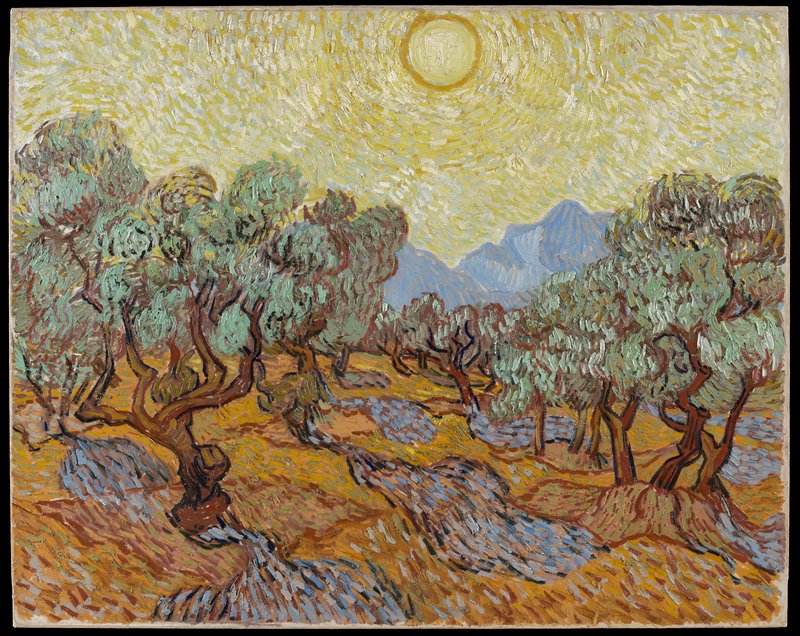
Olive Trees, Vincent van Gogh, 1889

Vincent van Gogh

Olive Trees, 1889

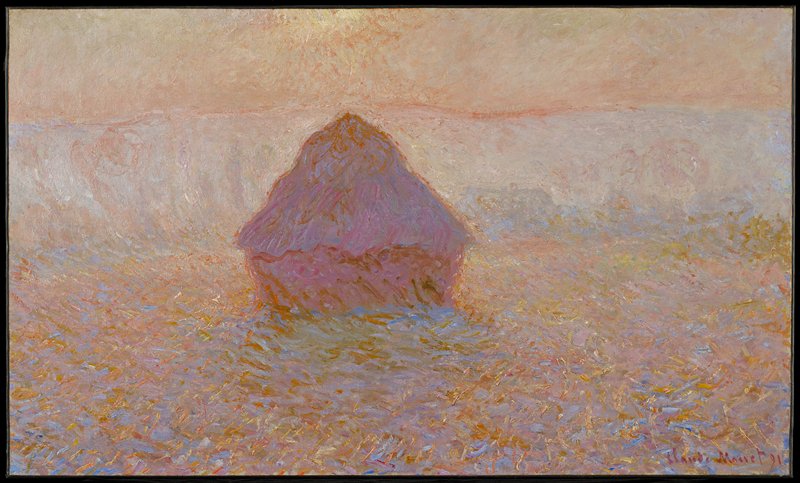
Grainstack, Sun in the Mist, Claude Monet, 1891

Claude Monet

Grainstack, Sun in the Mist, 1891

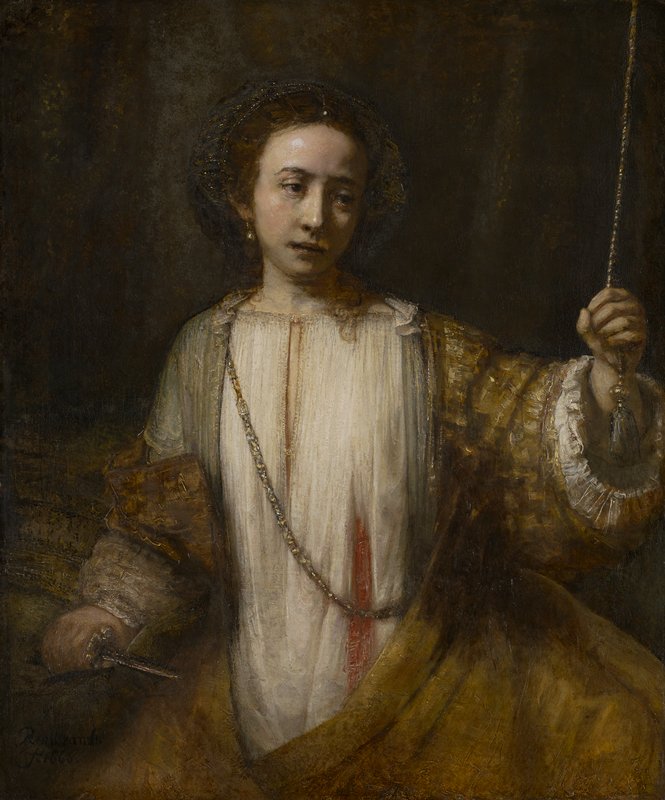
Lucretia, Rembrandt van Rijn, 1666

Rembrandt van Rijn

Lucretia, 1666

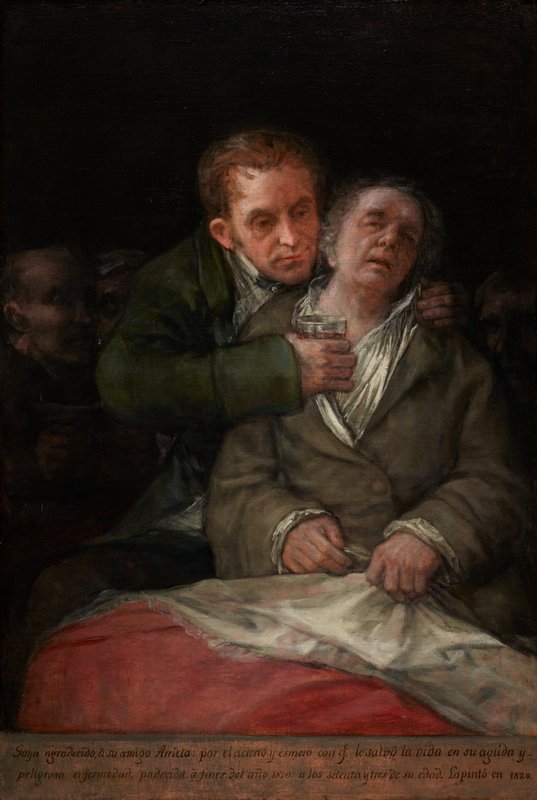
Self-Portrait with Dr. Arrieta, Francisco José de Goya y Lucientes, 1820

Francisco de Goya

Self-Portrait with Dr. Arrieta, 1820

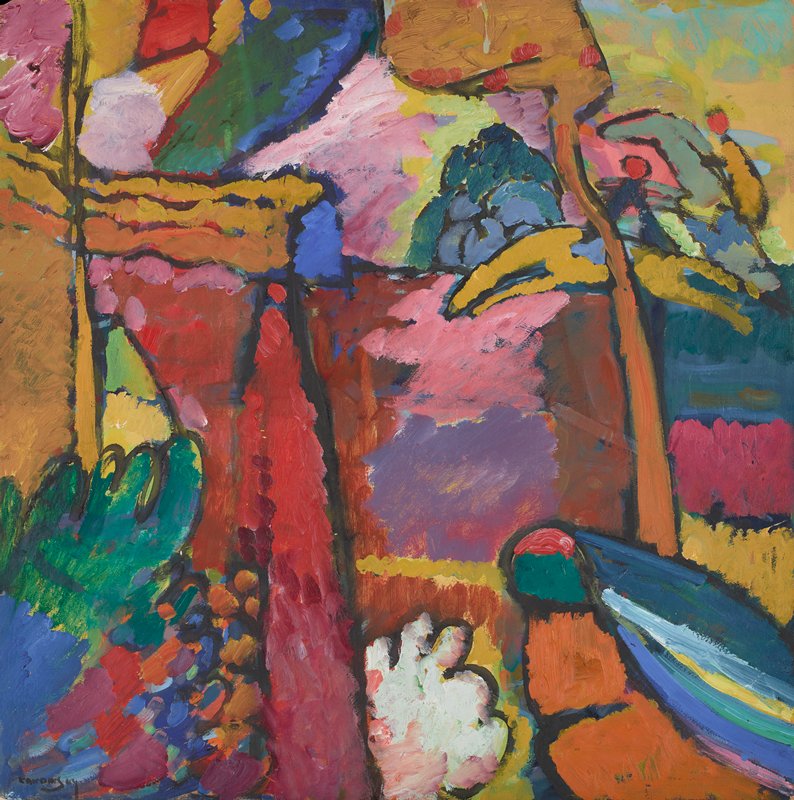
Study for Improvisation V, Vassily Kandinsky, 1910

Vasily Kandinsky

Study for Improvisation V, 1910

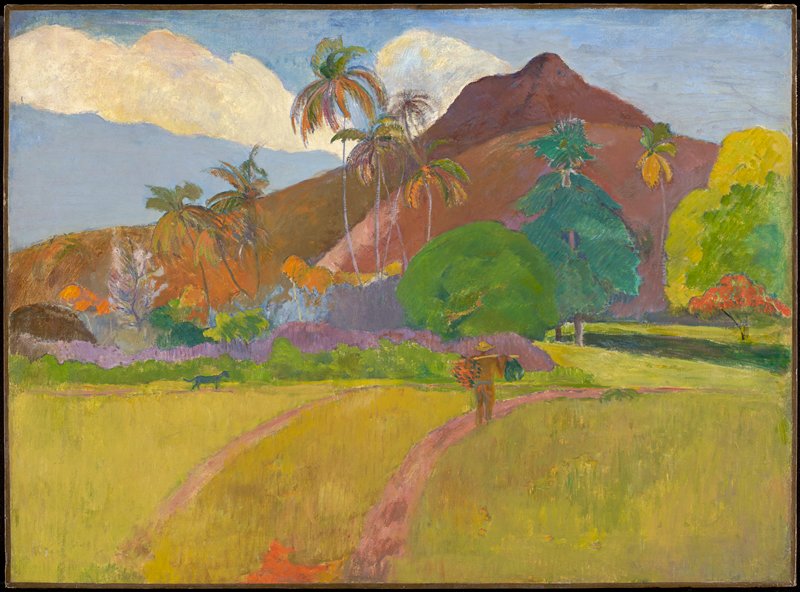
Tahitian Landscape, Paul Gauguin, 1891

Paul Gauguin

Tahitian Landscape, 1891

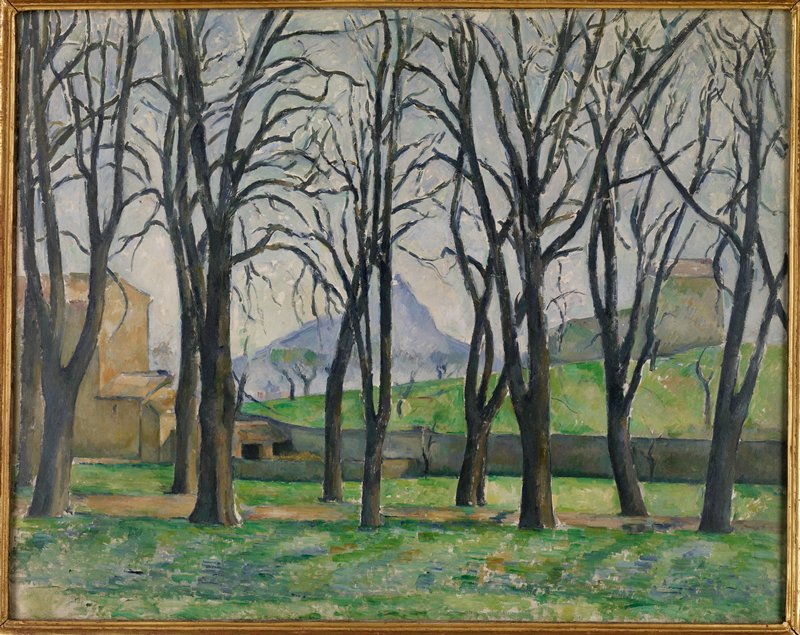
Chestnut Trees at Jas de Bouffan, Paul Cézanne, c. 1885–86

Paul Cézanne

Chestnut Trees at Jas de Bouffan, c. 1885–86

The Union of England and Scotland (Charles I as the Prince of Wales), Peter Paul Rubens, 1633–34

Peter Paul Rubens

The Union of England and Scotland (Charles I as the Prince of Wales), 1633–34