ART WIKI33 040 em exposição
MapaColeçãoArtistasMuseusExposiçõesRevista
Entrar

ART WIKI

Onde está a obra-prima, e a que horas se abre a porta.

Coleções: Art Institute of Chicago, Galeria Nacional de Arte, Galeria Tretiakov, Getty Villa, Harvard Art Museums, Hermitage, Hirshhorn Museum and Sculpture Garden, Instituto de Artes de Minneapolis, Museu de Arte de Cleveland, Museu de Arte Moderna, Museu do Louvre, Museu Estatal de Amesterdão, Museu J. Paul Getty, Museu Metropolitano de Arte, Museu Nacional de Arte da Dinamarca, Museu Pushkin, Museu Russo, Museu Smithsoniano de Arte Americana, Museu Vitória e Alberto, Museu Whitney de Arte Americana, National Museum of Asian Art, National Portrait Gallery, Catálogo Estatal do Fundo Museológico da Rússia (274 museus), Europeana (19 museus), Wikidata (6 museus), Paris Musées (12 museus) e Joconde, a base de museus do Ministério da Cultura de França (495 museus). As imagens pertencem aos titulares dos direitos.

Secções

  • Mapa
  • Pesquisa
  • Coleção
  • Obras-primas
  • Em exposição agora
  • Artistas

Mais

  • Museus e galerias
  • Exposições
  • Revista
  • De onde vêm os dados
  • Privacidade e cookies
InícioMapaCatálogo
  1. Coleção/
  2. Museu do Louvre/
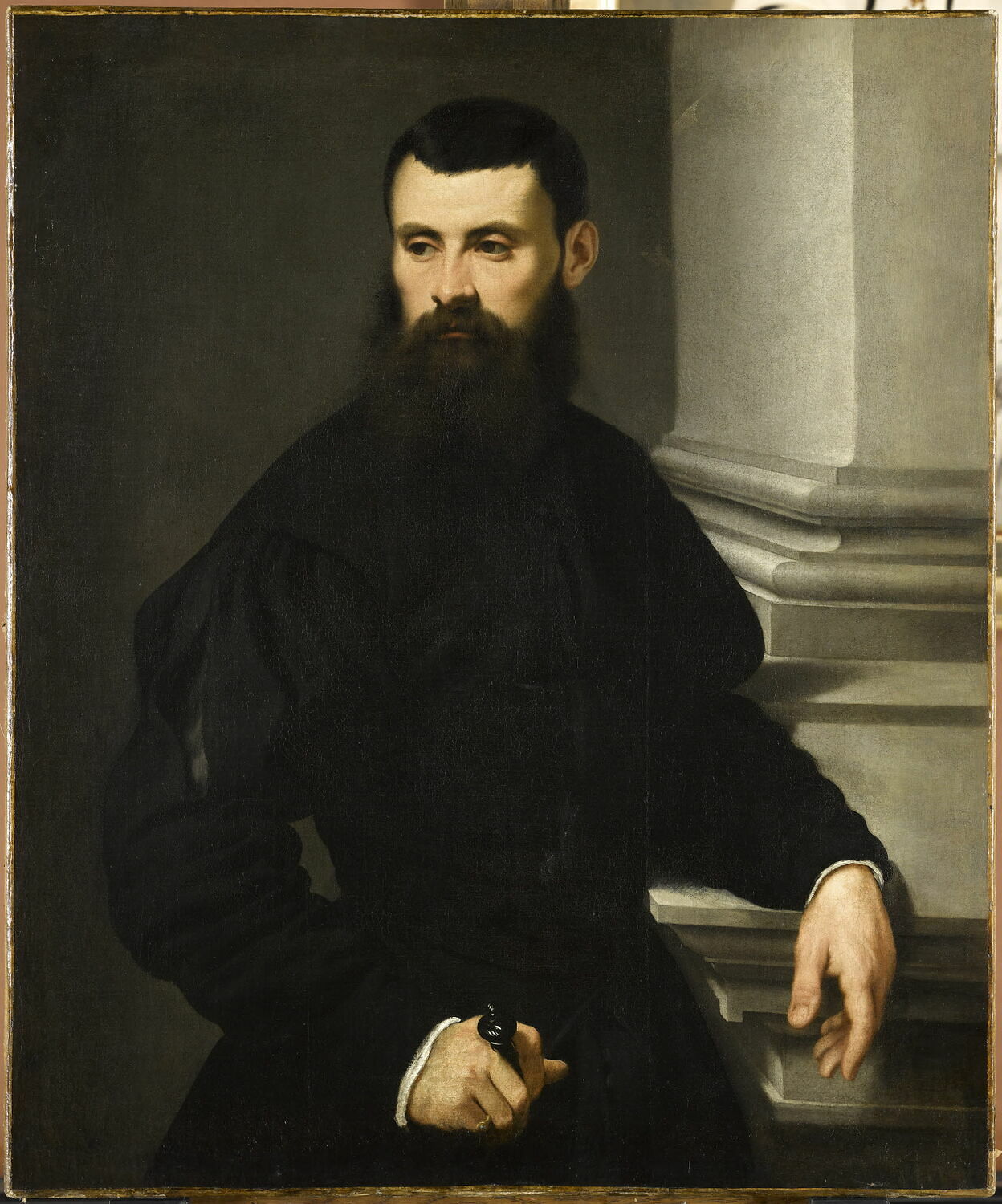
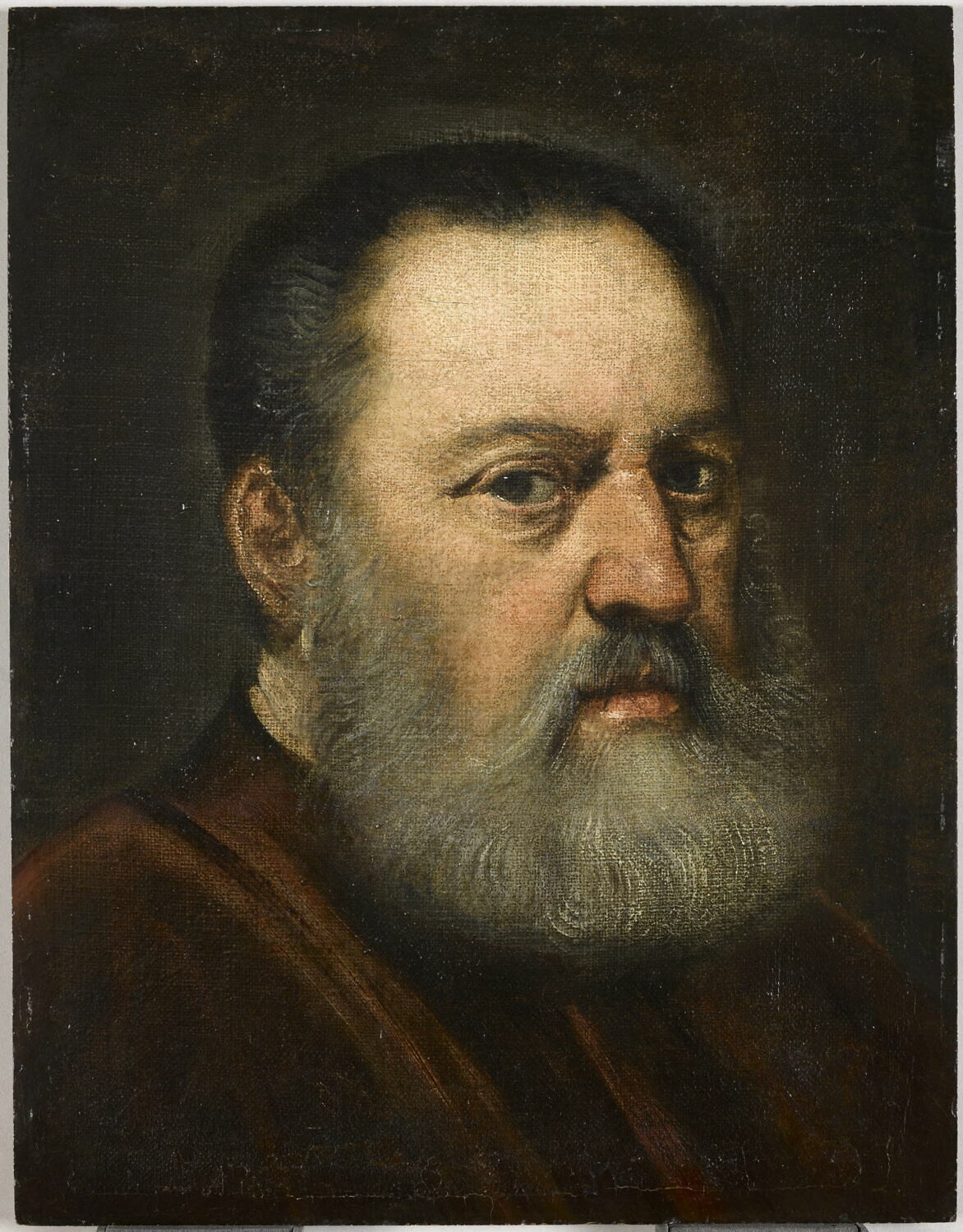
  3. Portrait d'homme barbu
Portrait d'homme barbu, Tintoret, 3e quart du XVIe siècle (1550 - 1575)
Jacopo Tintoretto, retratoJacopo TintorettoItália, 1518–1594

Portrait d'homme barbu

3e quart du XVIe siècle (1550 - 1575) · Peintures

Será possível contemplá-la?

De momento, não recebe

Museu do Louvre

Paris, França

Pertence à coleção, mas de momento não está exposta.

Verificado
há 13 dias
Neste estado desde
26 de set. de 2026
Fonte
O museu
No mapaPágina do museu

Pormenores

3e quart du XVIe siècle (1550 - 1575)
15181594
Número de inventário
MI 881

No catálogo

PinturasÓleoPintura italianaPintura venezianaRenascimentoSéculo XVI

Fontes

  • Museu do Louvre
  • Imagem: Museu do Louvre — © 2017 GrandPalaisRmn (musée du Louvre) / Franck Raux

Entretanto, na vida de Jacopo Tintoretto

A vida inteira
  1. c. 1540s

    Models of Michelangelo’s sculptures and the studio motto

    Possibly in the 1540s he acquired models of Michelangelo’s Dawn, Day, Dusk and Night, which he and his workshop studied in numerous drawings made from all angles on blue paper. He placed an inscription over his studio: “Michelangelo’s drawing and Titian’s colour”.

  2. c. 1560

    Begins work in the Doge’s Palace

    It was probably then that he began his numerous paintings for the Doge’s Palace; the first there was a portrait of the Doge Girolamo Priuli.

  3. c. 1560

    Marriage to Faustina de Vescovi

    His second wife, the daughter of a Venetian nobleman who was guardian grande of the Scuola Grande di San Marco, proved a careful housekeeper able to mollify her husband: she made him wear the robe of a Venetian citizen outdoors and wrapped money in a handkerchief for him, expecting a strict accounting, and he would reply that he had spent it on alms for the poor or for prisoners. Three sons and four daughters survived to adulthood.

  4. 1564

    The San Rocco competition: a finished ceiling instead of a sketch

    Of the four finalists (Tintoretto, Federico Zuccaro, Giuseppe Salviati and Paolo Veronese) invited to submit models for a ceiling painting of Saint Roch in Glory for the Sala dell’Albergo, Tintoretto produced no sketch: he secretly installed a full-sized finished painting on the ceiling and on the day of the competition offered it as a gift — perhaps aware that a bylaw prohibited rejecting any gift. The ruse has been called “the most notorious incident” of his career.

  5. 1577

    A fire in the Doge’s Palace destroys his paintings

    A fire destroyed his works in the palace — the “Excommunication of Frederick Barbarossa by Pope Alexander III” and the “Victory of Lepanto”; after the fire he started afresh, with Paolo Veronese as colleague.

  6. November 1577

    The contract: the whole Scuola for 100 ducats a year

    In November 1577 he offered to execute the works for the whole scuola and the church of San Rocco at 100 ducats a year, with three pictures due each year; the proposal was accepted and punctually fulfilled, only the painter’s death preventing some ceiling subjects from being executed. The whole sum paid for the scuola was 2,447 ducats; the scuola and the church contain fifty-two memorable paintings.
Mais obras de Jacopo Tintoretto

Todas as obras
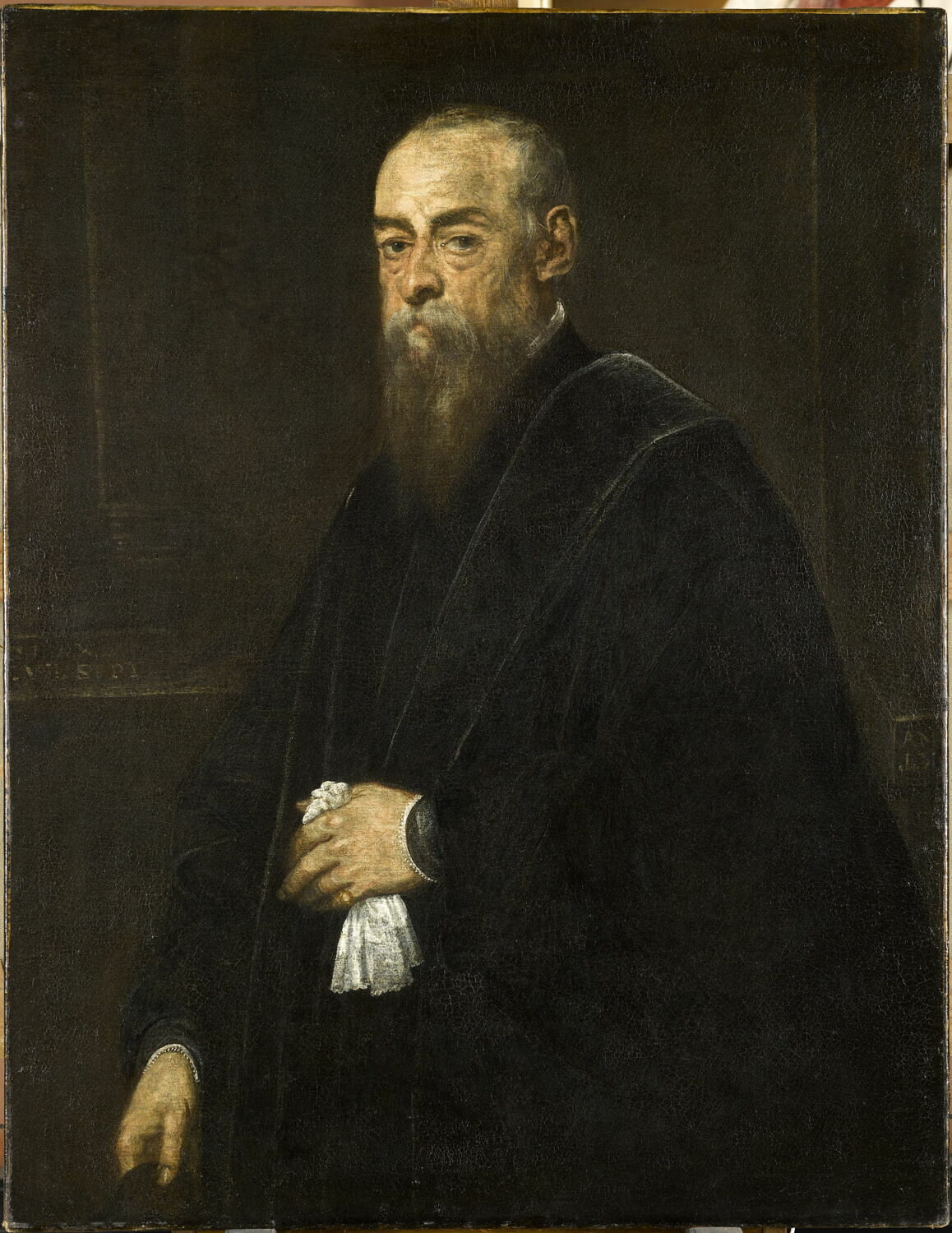
Homme âgé tenant un mouchoir de la main gauche, Tintoret, 1e quart du XVIe siècle (1500 - 1525)

Homme âgé tenant un mouchoir de la main gauche

1e quart du XVIe siècle (1500 - 1525) · Museu do Louvre

St George, Jacopo Tintoretto, 1540s

St George

1540s · Hermitage

Portrait de gentilhomme, Tintoret, Milieu du XVIe siècle (vers 1540)

Portrait de gentilhomme

Milieu du XVIe siècle (vers 1540) · Museu do Louvre

The Conversion of Saint Paul, Jacopo Tintoretto, c. 1544

The Conversion of Saint Paul

c. 1544 · Galeria Nacional de Arte

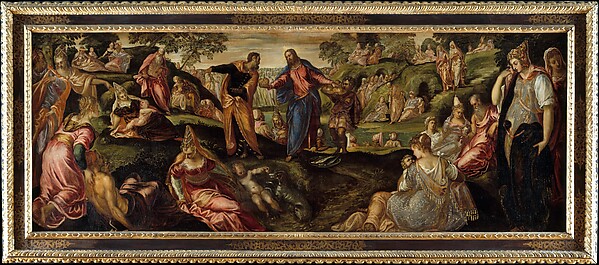
The Miracle of the Loaves and Fishes, Jacopo Tintoretto, ca. 1545–50

The Miracle of the Loaves and Fishes

ca. 1545–50 · Museu Metropolitano de Arte

Summer, Jacopo Tintoretto, c. 1546/1548

Summer

c. 1546/1548 · Galeria Nacional de Arte

The Birth of John the Baptist, Jacopo Tintoretto, 1550

The Birth of John the Baptist

1550 · Hermitage

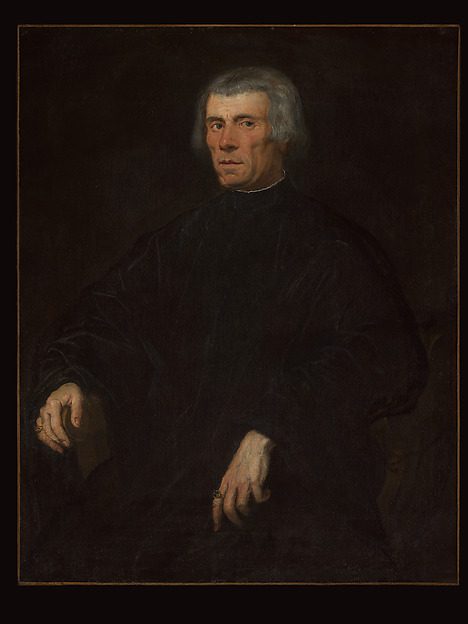
Portrait of a Man, Jacopo Tintoretto, 1550s

Portrait of a Man

1550s · Museu Metropolitano de Arte

Vizinhas de sala: Museu do Louvre

Página do museu
Portrait of Marten Soolmans, Rembrandt van Rijn, 1634

Rembrandt van Rijn

Portrait of Marten Soolmans, 1634

Portrait of Oopjen Coppit, Rembrandt van Rijn, 1634

Rembrandt van Rijn

Portrait of Oopjen Coppit, 1634

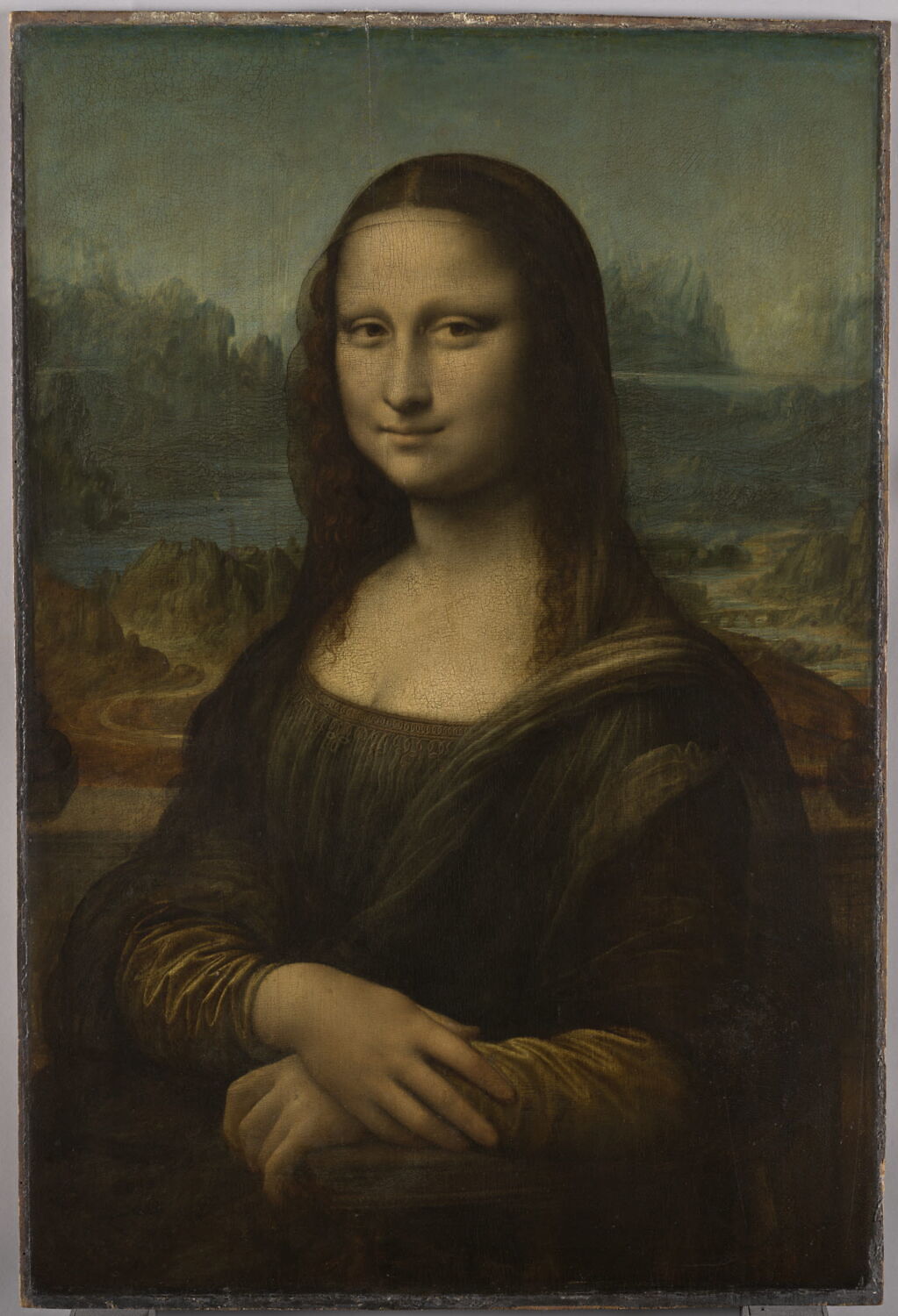
Portrait de Lisa Gherardini, épouse de Francesco del Giocondo, dit La Joconde ou Monna Lisa, Léonard de Vinci, 1e quart du XVIe siècle (1503 - 1519)

Leonardo da Vinci

Mona Lisa, 1e quart du XVIe siècle (1503 - 1519)

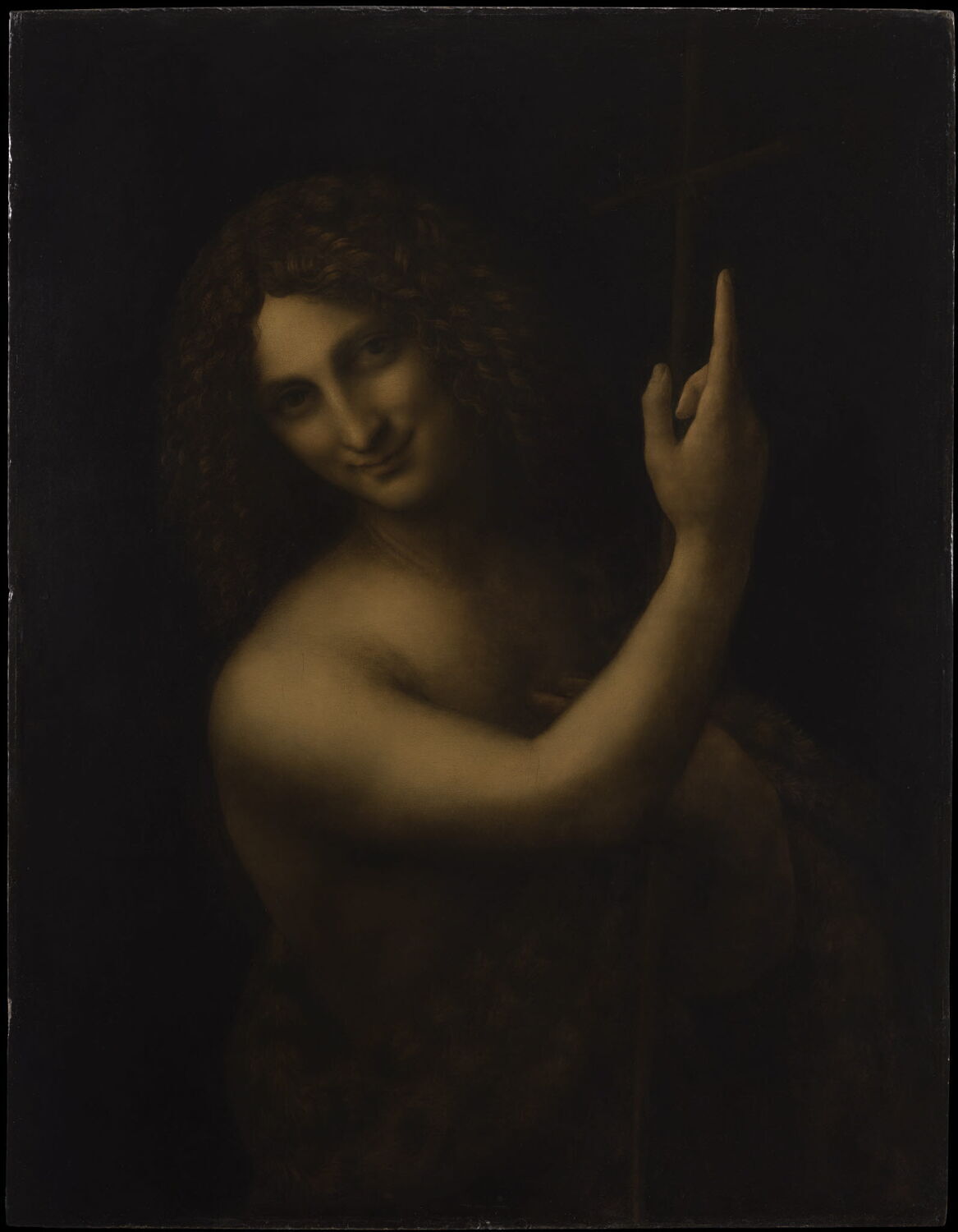
Saint Jean Baptiste, Léonard de Vinci, 1e quart du XVIe siècle (vers 1517 - 1520)

Leonardo da Vinci

Saint Jean Baptiste, 1e quart du XVIe siècle (vers 1517 - 1520)

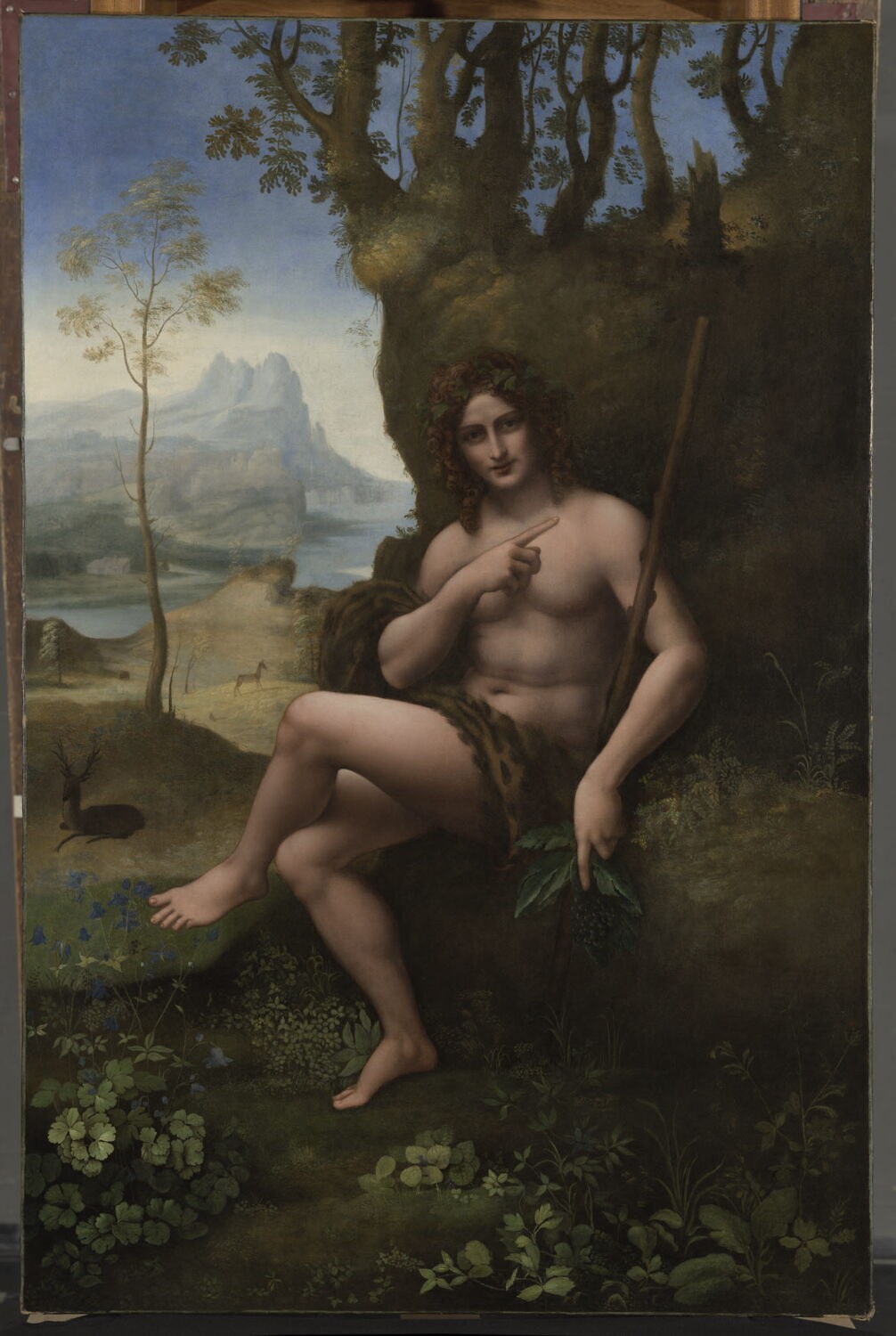
Saint Jean Baptiste, Léonard de Vinci, 1e quart du XVIe siècle (vers 1508 - 1519)

Leonardo da Vinci

São João Batista, 1e quart du XVIe siècle (vers 1508 - 1519)

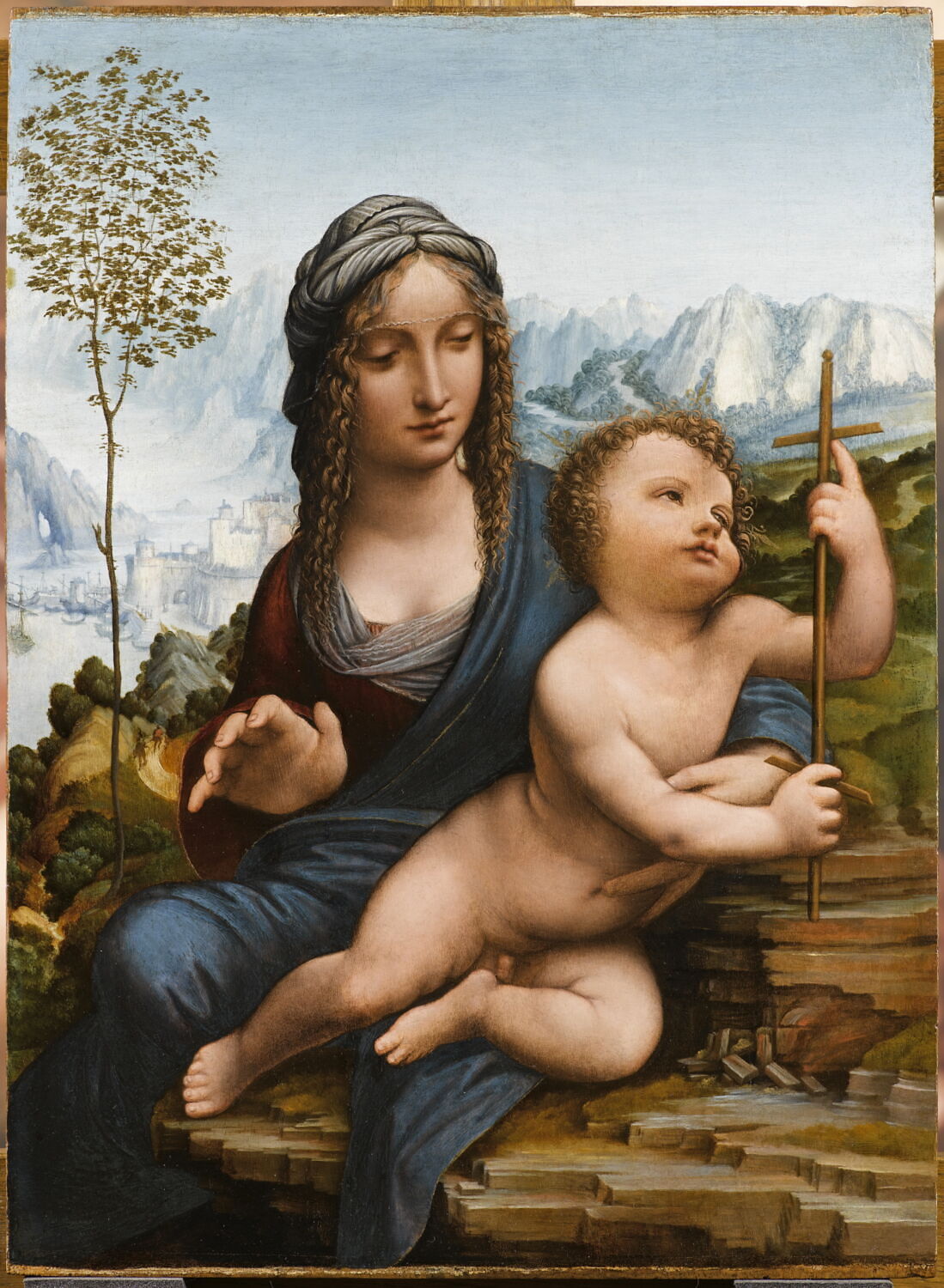
La Vierge et l'Enfant Jésus, dite Vierge au dévidoir ou Vierge aux fuseaux, Léonard de Vinci, XVIe siècle (vers 1505 - 1520)

Leonardo da Vinci

La Vierge et l'Enfant Jésus, dite Vierge au dévidoir ou Vierge aux fuseaux, XVIe siècle (vers 1505 - 1520)

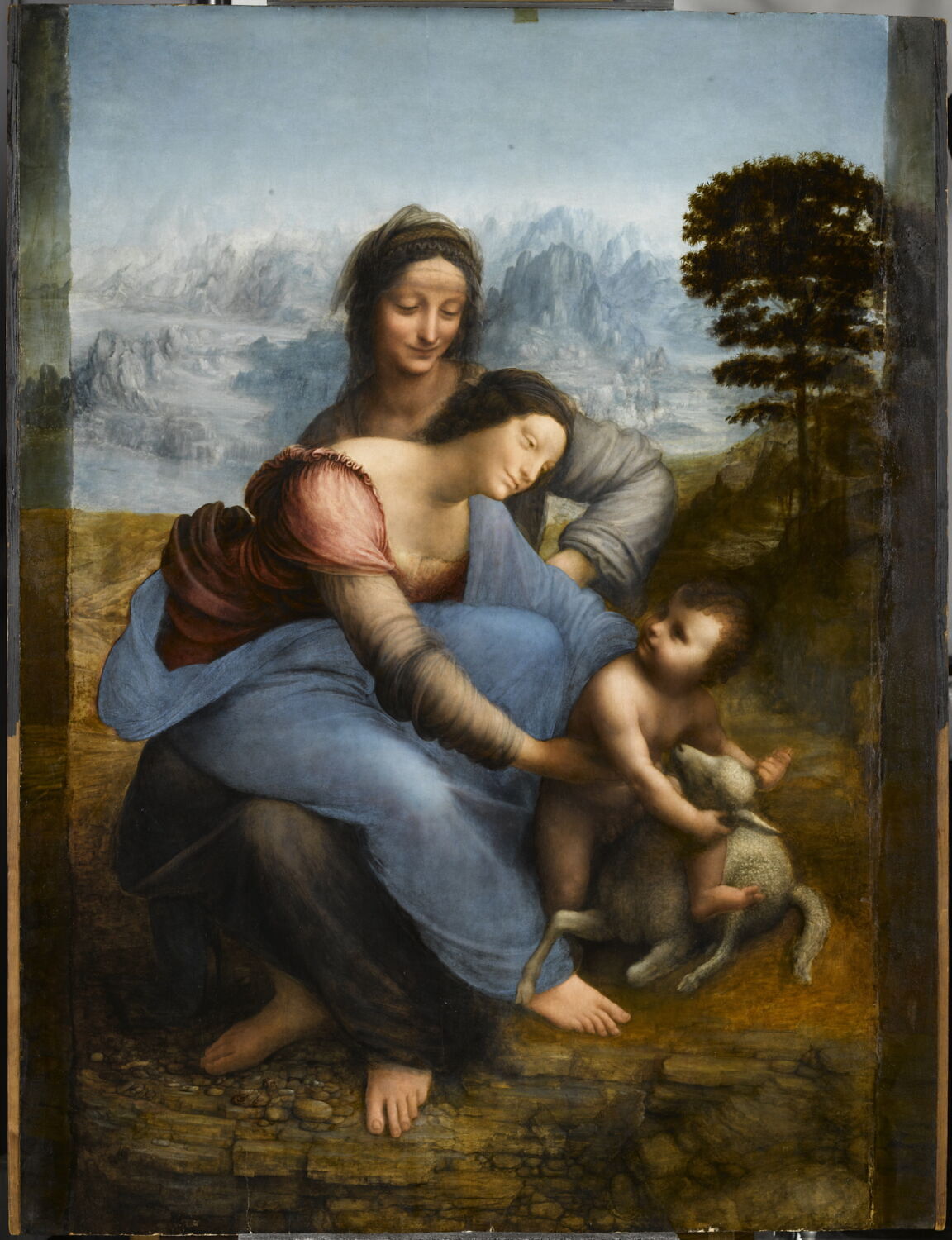
La Vierge, l'Enfant Jésus et sainte Anne, dit La Sainte Anne, Léonard de Vinci, 1e quart du XVIe siècle (vers 1503 - 1519)

Leonardo da Vinci

A Virgem e o Menino com Santa Ana, 1e quart du XVIe siècle (vers 1503 - 1519)

La Vierge, l'Enfant Jésus, saint Jean Baptiste et un ange, dit La Vierge aux rochers, Léonard de Vinci, 4e quart du XVe siècle (vers 1483 - 1494)

Leonardo da Vinci

La Vierge, l'Enfant Jésus, saint Jean Baptiste et un ange, dit La Vierge aux rochers, 4e quart du XVe siècle (vers 1483 - 1494)