ART WIKI32 963 em exposição
MapaColeçãoArtistasMuseusExposiçõesRevista
Entrar

ART WIKI

Onde está a obra-prima, e a que horas se abre a porta.

Coleções: Art Institute of Chicago, Galeria Nacional de Arte, Galeria Tretiakov, Getty Villa, Harvard Art Museums, Hermitage, Hirshhorn Museum and Sculpture Garden, Instituto de Artes de Minneapolis, Museu de Arte de Cleveland, Museu de Arte Moderna, Museu do Louvre, Museu Estatal de Amesterdão, Museu J. Paul Getty, Museu Metropolitano de Arte, Museu Nacional de Arte da Dinamarca, Museu Pushkin, Museu Russo, Museu Smithsoniano de Arte Americana, Museu Vitória e Alberto, Museu Whitney de Arte Americana, National Museum of Asian Art, National Portrait Gallery, Catálogo Estatal do Fundo Museológico da Rússia (274 museus), Europeana (19 museus), Wikidata (6 museus), Paris Musées (12 museus) e Joconde, a base de museus do Ministério da Cultura de França (495 museus). As imagens pertencem aos titulares dos direitos.

Secções

  • Mapa
  • Pesquisa
  • Coleção
  • Obras-primas
  • Em exposição agora
  • Artistas

Mais

  • Museus e galerias
  • Exposições
  • Revista
  • De onde vêm os dados
  • Privacidade e cookies
InícioMapaCatálogo
  1. Coleção/
  2. Museu do Louvre/
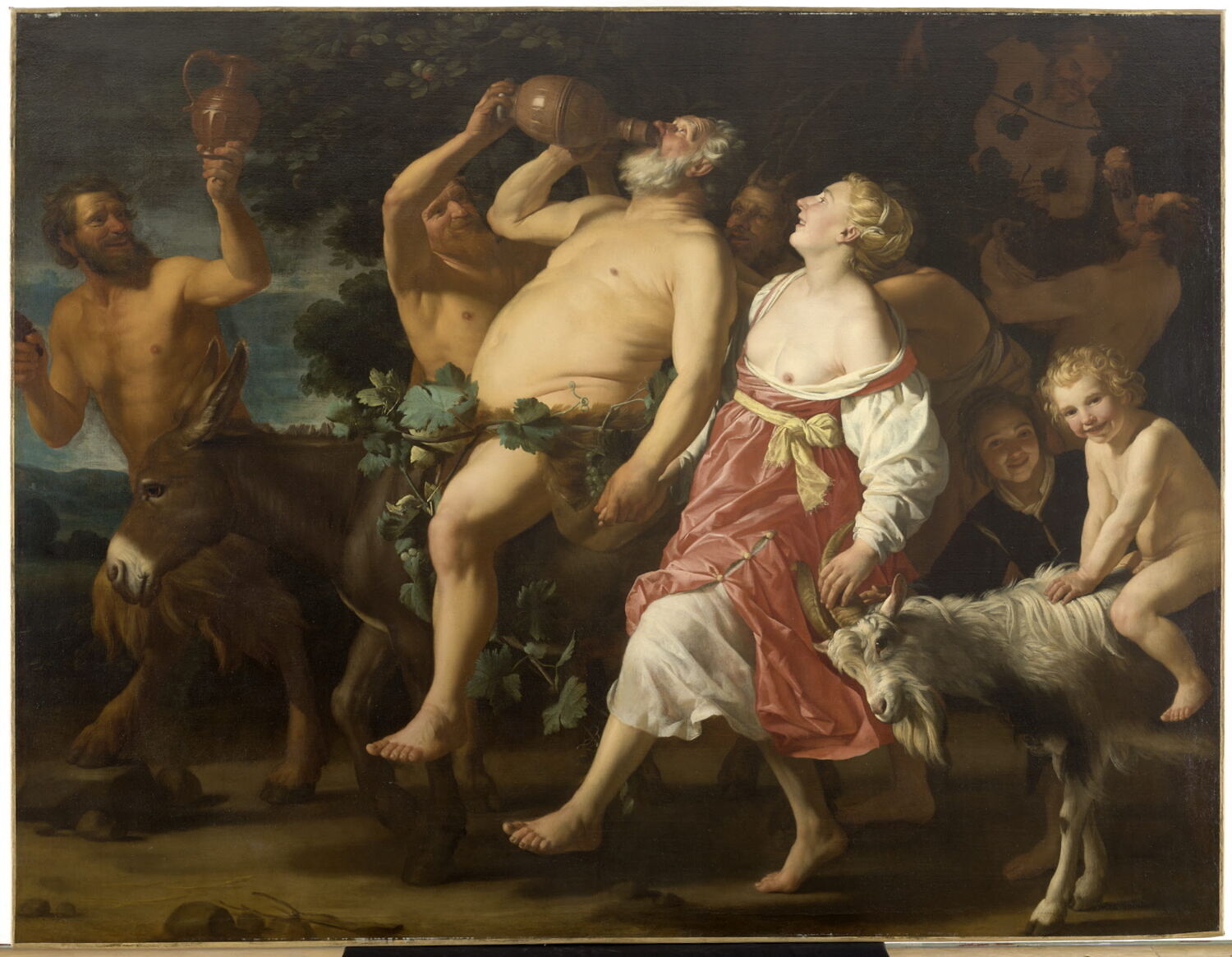
  3. Le Triomphe de Silène
Le Triomphe de Silène, Honthorst, Gerrit van, XVIIe siècle (1600 - 1700)
Gerard van Honthorst, retratoGerard van HonthorstPaíses Baixos, 1592–1656

Le Triomphe de Silène

XVIIe siècle (1600 - 1700) · Peintures

Será possível contemplá-la?

Desconhecido

Museu do Louvre

Paris, França

O proprietário é conhecido; não se sabe se hoje está exposta.

Neste estado desde
26 de set. de 2026
Fonte
O museu
No mapaPágina do museu

Pormenores

Número de inventário
INV 1365

No catálogo

PinturasPintura neerlandesaBarrocoSéculo XVII

Fontes

  • Museu do Louvre
  • Imagem: Museu do Louvre — © 2015 GrandPalaisRmn (musée du Louvre) / Stéphane Maréchalle

Entretanto, na vida de Gerard van Honthorst

A vida inteira
  1. c. 1610

    Leaves for Italy

    The son of the decorative painter Herman Gerritsz van Honthorst, trained by his father and then by Abraham Bloemaert, Honthorst probably left for Italy in 1610. He is first recorded in Rome in 1616; other Utrecht artists, later to be known as the Utrecht Caravaggisti, went there around the same time.

  2. c. 1610 – 1620

    At the palace of Marquis Giustiniani in Rome

    In Rome Honthorst lodged at the palace of Marquis Vincenzo Giustiniani, where he painted “Christ Before the High Priest” (now in the National Gallery, London), and under Caravaggio's influence took up night scenes lit by a hidden artificial source. Italian documents of his day call him “Gherardo Fiammingo” or “Gherardo Hollandese”: the nickname “Gherardo delle Notti” came into use only in the 18th century.

  3. 1620

    Returns to Utrecht

    Back in Utrecht, Honthorst built a considerable reputation at home and abroad: Sir Dudley Carleton, the English envoy at The Hague, recommended his work to the Earl of Arundel, and his work impressed the young Rembrandt and Frans Hals.

  4. 1623

    Marries and heads the Guild of St. Luke

    In the year of his marriage Honthorst was president of the Guild of St. Luke in Utrecht.

  5. 1628

    Invited to England by Charles I

    Elizabeth, Queen of Bohemia, sister of Charles I of England, then in exile in the Netherlands, commissioned paintings from Honthorst and engaged him as drawing master to her children; through her the king came to know him and invited him to England. In London he painted allegories and portraits of courtiers.

  6. 27 de abril de 1656

    Died
Mais obras de Gerard van Honthorst

Todas as obras
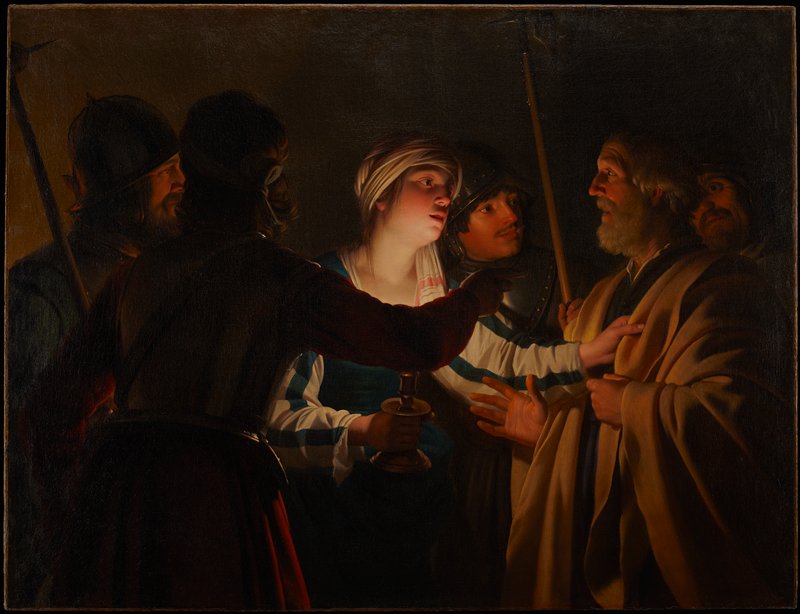
The Denial of St. Peter, Gerrit van Honthorst, c. 1623

The Denial of St. Peter

c. 1623 · Instituto de Artes de Minneapolis

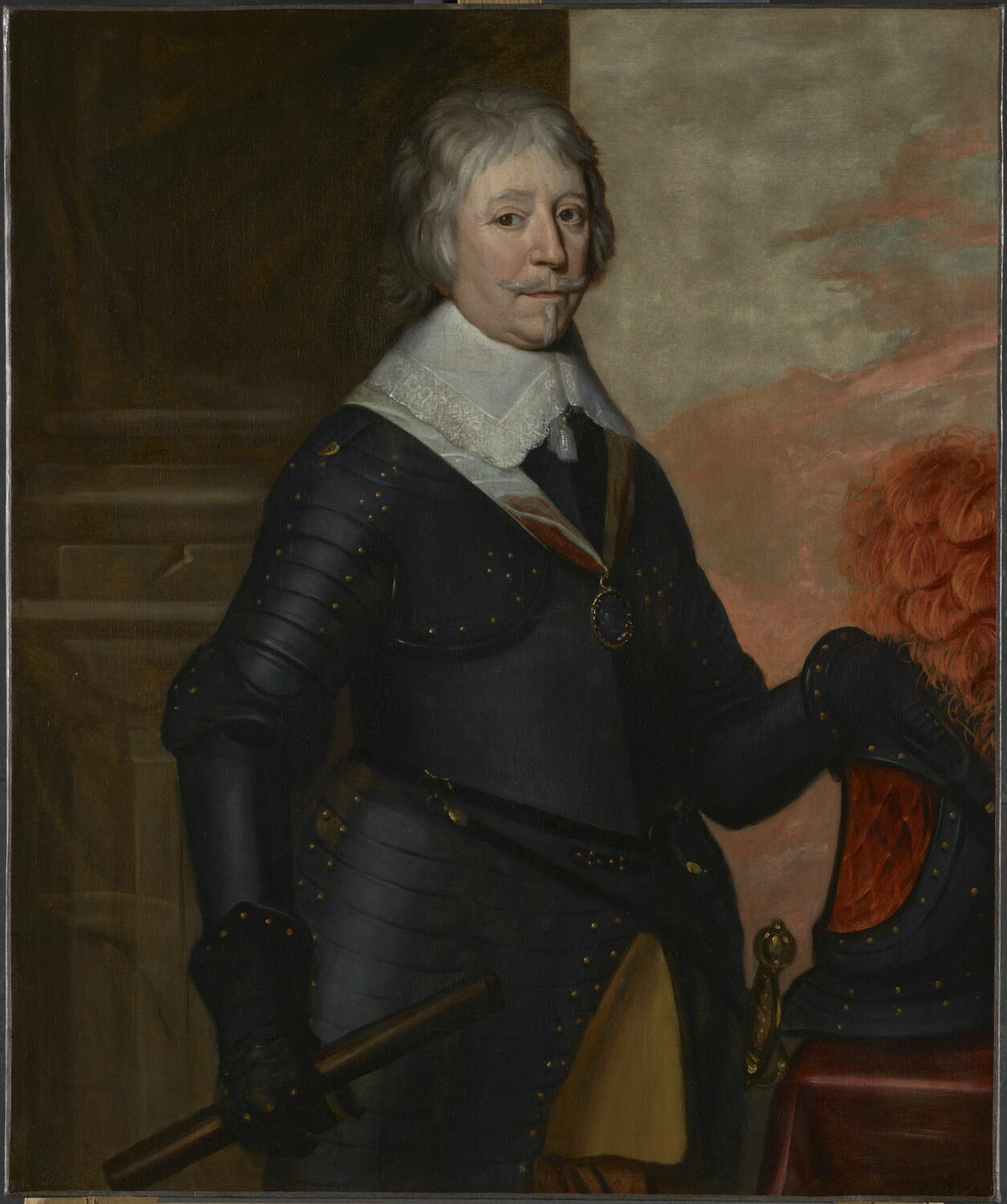
Portrait de Frédéric-Henri, prince d'Orange, Stadhouder (1584-1647), Honthorst, Gerrit van, 1e moitié du XVIIe siècle (1600 - 1650)

Portrait de Frédéric-Henri, prince d'Orange, Stadhouder (1584-1647)

1e moitié du XVIIe siècle (1600 - 1650) · Museu do Louvre

Christ Crowned with Thorns, Gerrit van Honthorst, about 1620

Christ Crowned with Thorns

about 1620 · Museu J. Paul Getty

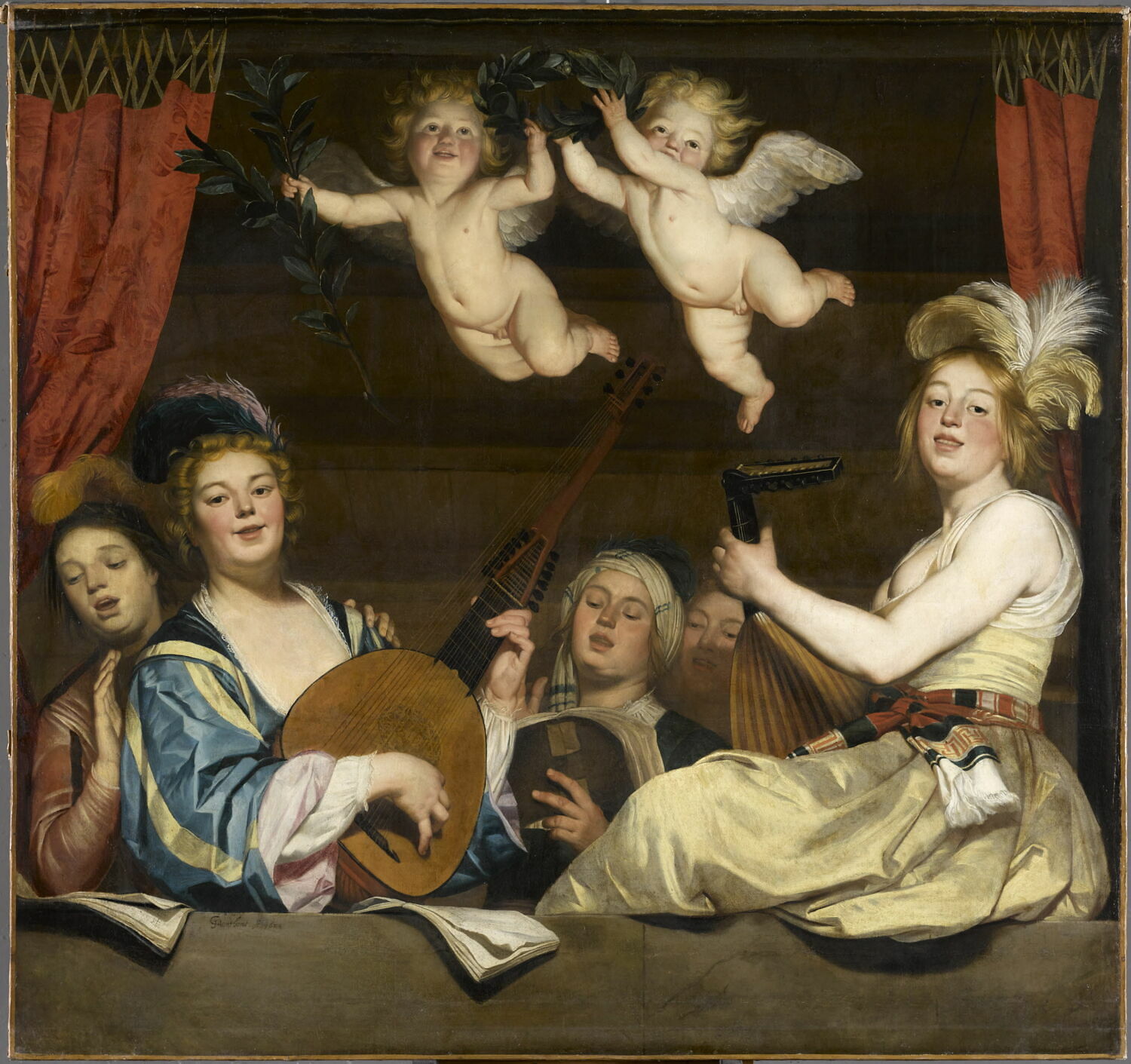
Musical Group on a Balcony, Gerrit van Honthorst, 1622

Musical Group on a Balcony

1622 · Museu J. Paul Getty

The Concert, Gerrit van Honthorst, 1623

The Concert

1623 · Galeria Nacional de Arte

Sater en nimf, Gerard van Honthorst, 1623

Sater en nimf

1623 · Museu Estatal de Amesterdão

Le Concert, Honthorst, Gerrit van, 1e quart du XVIIe siècle (1624)

Le Concert

1e quart du XVIIe siècle (1624) · Museu do Louvre

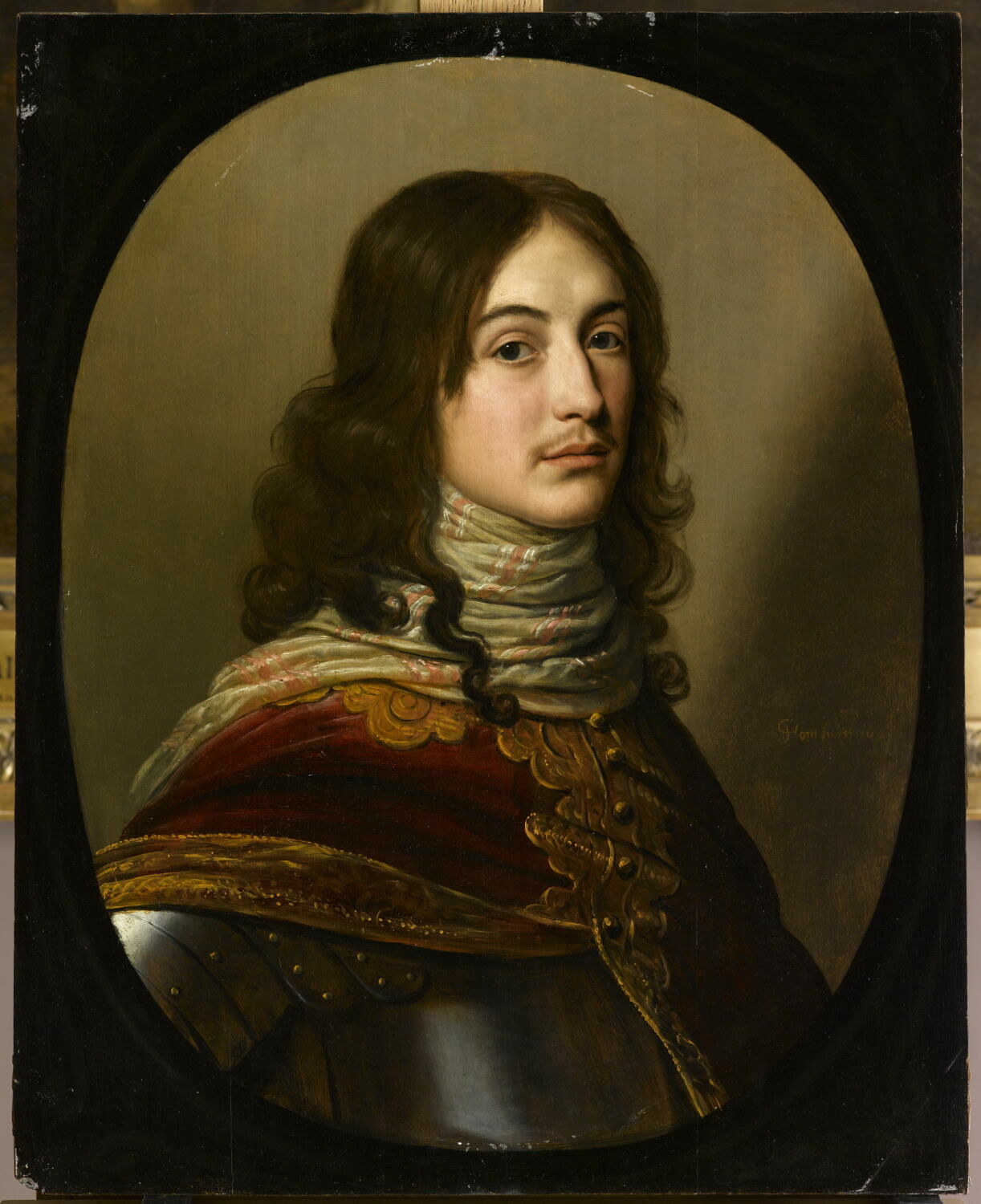
Portrait de Maurice de Bavière (1621-1652), prince palatin, Honthorst, Gerrit van, 2e quart du XVIIe siècle (1640)

Portrait de Maurice de Bavière (1621-1652), prince palatin

2e quart du XVIIe siècle (1640) · Museu do Louvre

Vizinhas de sala: Museu do Louvre

Página do museu
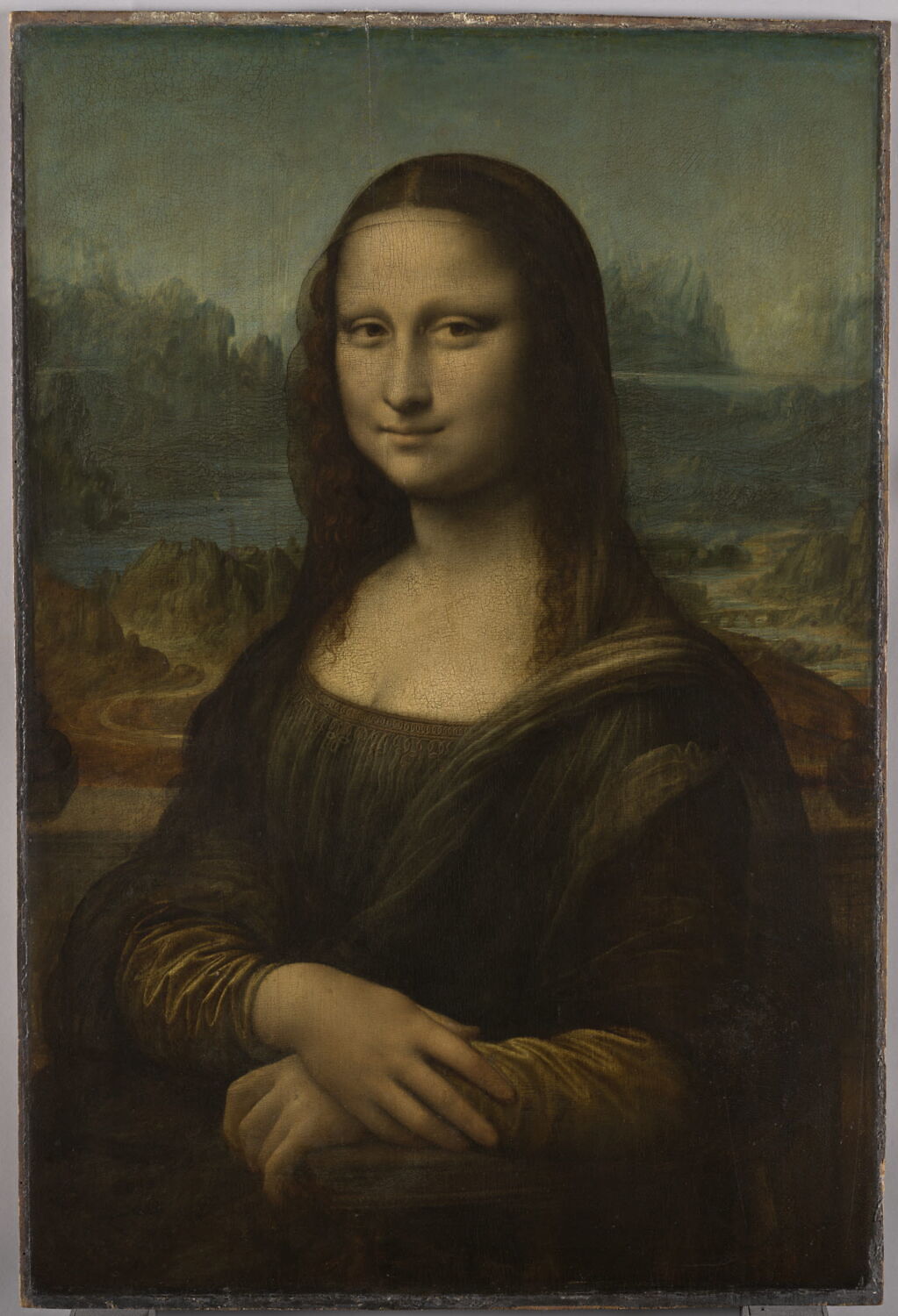
Portrait de Lisa Gherardini, épouse de Francesco del Giocondo, dit La Joconde ou Monna Lisa, Léonard de Vinci, 1e quart du XVIe siècle (1503 - 1519)

Leonardo da Vinci

Mona Lisa, 1e quart du XVIe siècle (1503 - 1519)

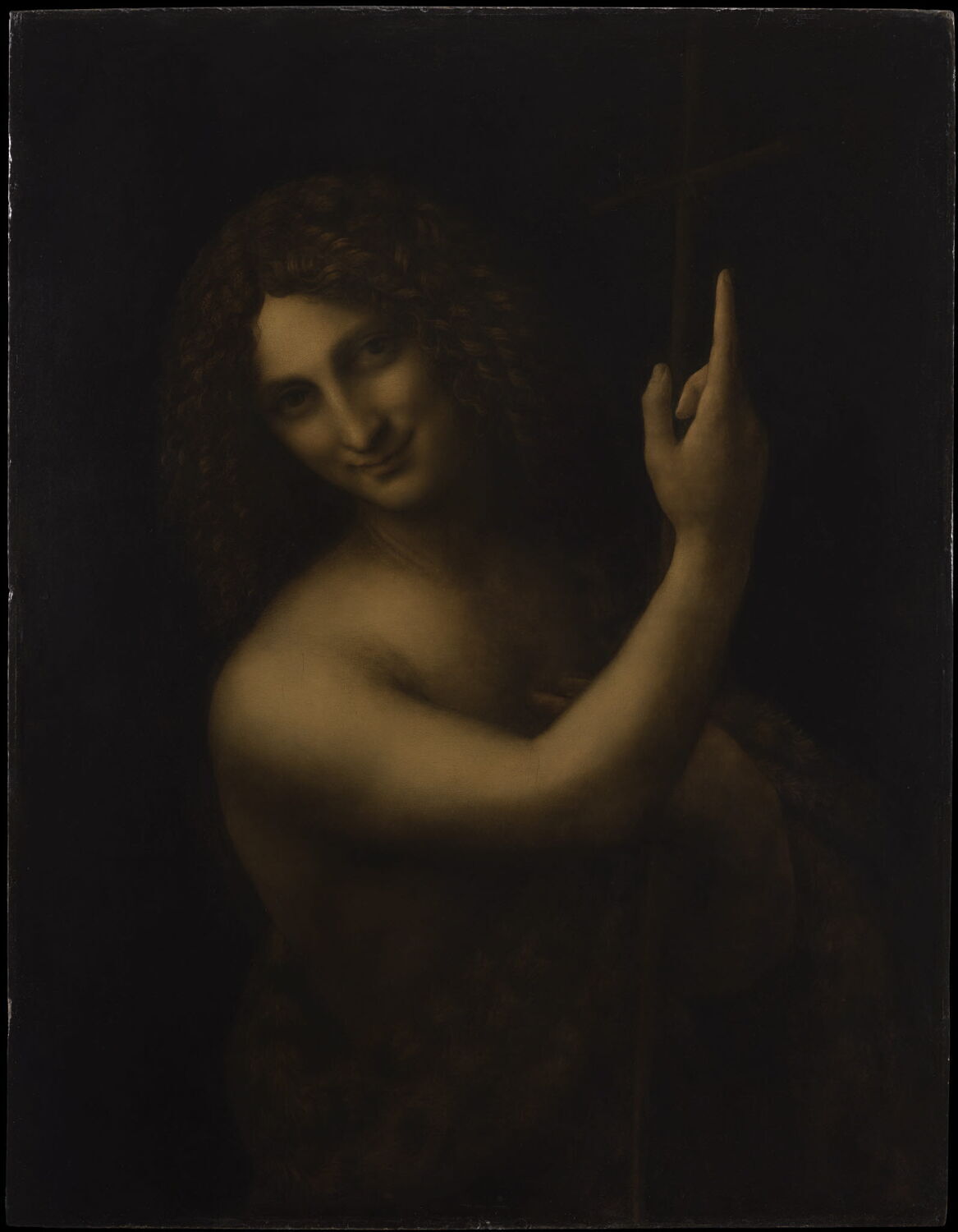
Saint Jean Baptiste, Léonard de Vinci, 1e quart du XVIe siècle (vers 1517 - 1520)

Leonardo da Vinci

Saint Jean Baptiste, 1e quart du XVIe siècle (vers 1517 - 1520)

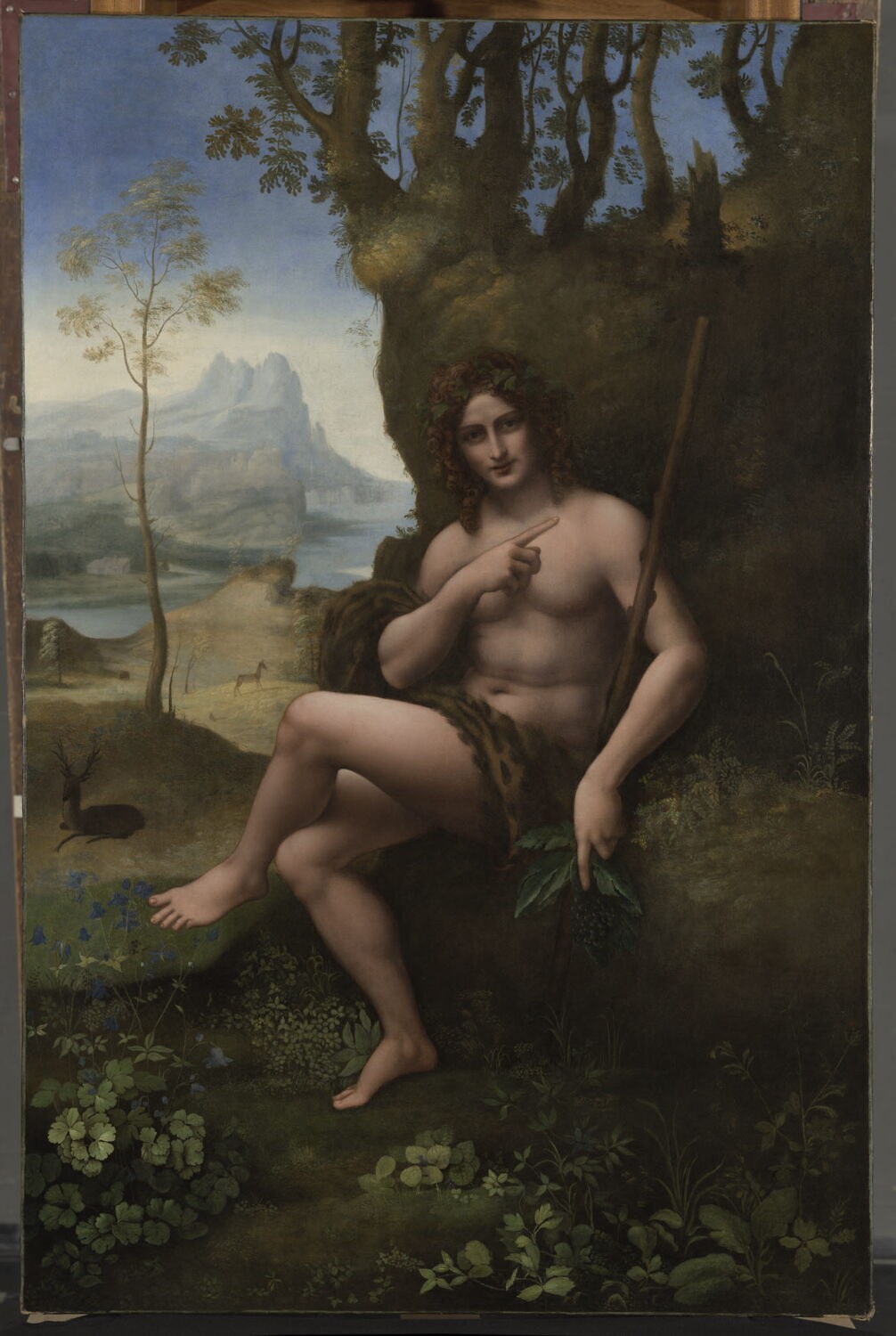
Saint Jean Baptiste, Léonard de Vinci, 1e quart du XVIe siècle (vers 1508 - 1519)

Leonardo da Vinci

São João Batista, 1e quart du XVIe siècle (vers 1508 - 1519)

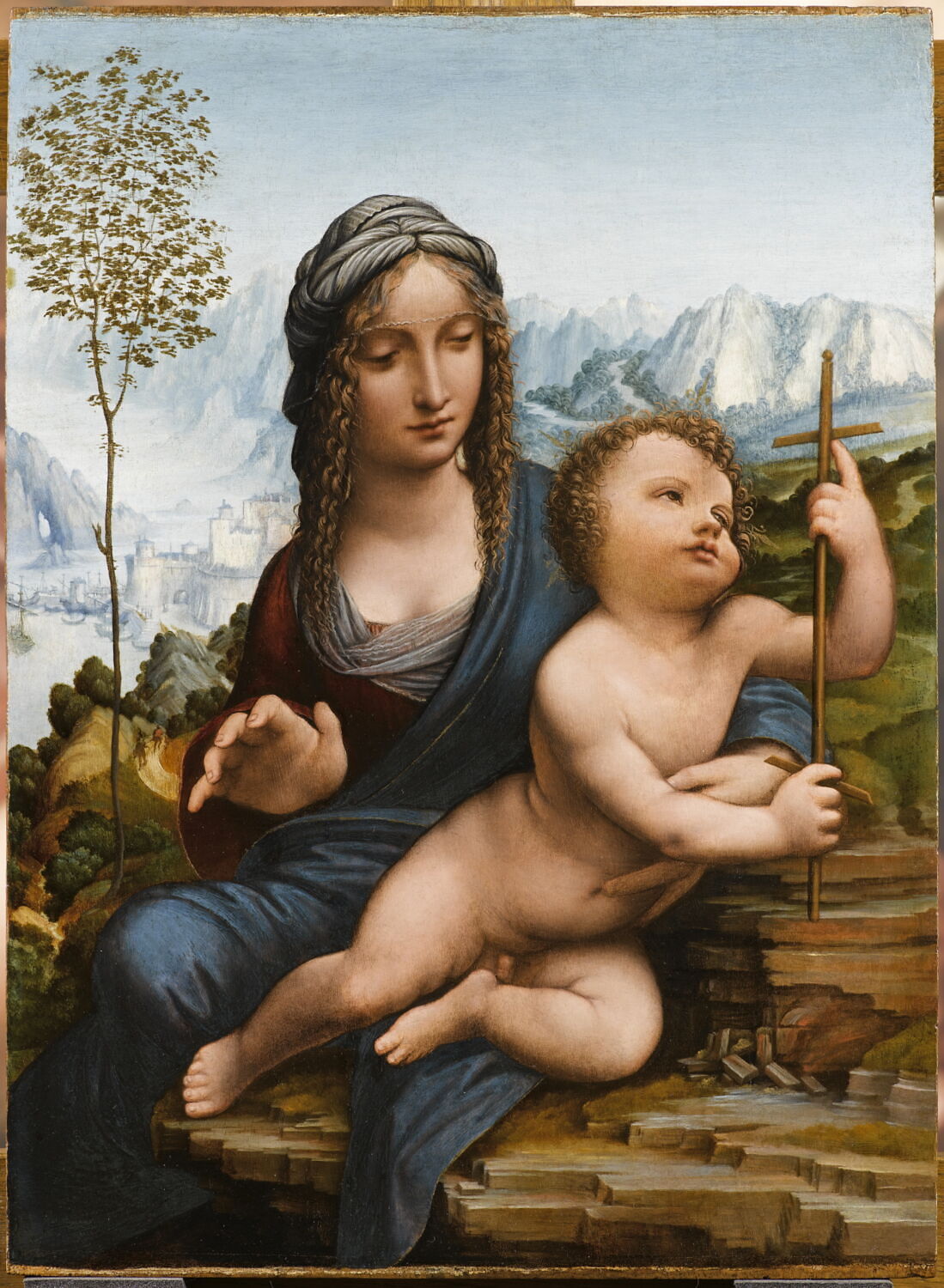
La Vierge et l'Enfant Jésus, dite Vierge au dévidoir ou Vierge aux fuseaux, Léonard de Vinci, XVIe siècle (vers 1505 - 1520)

Leonardo da Vinci

La Vierge et l'Enfant Jésus, dite Vierge au dévidoir ou Vierge aux fuseaux, XVIe siècle (vers 1505 - 1520)

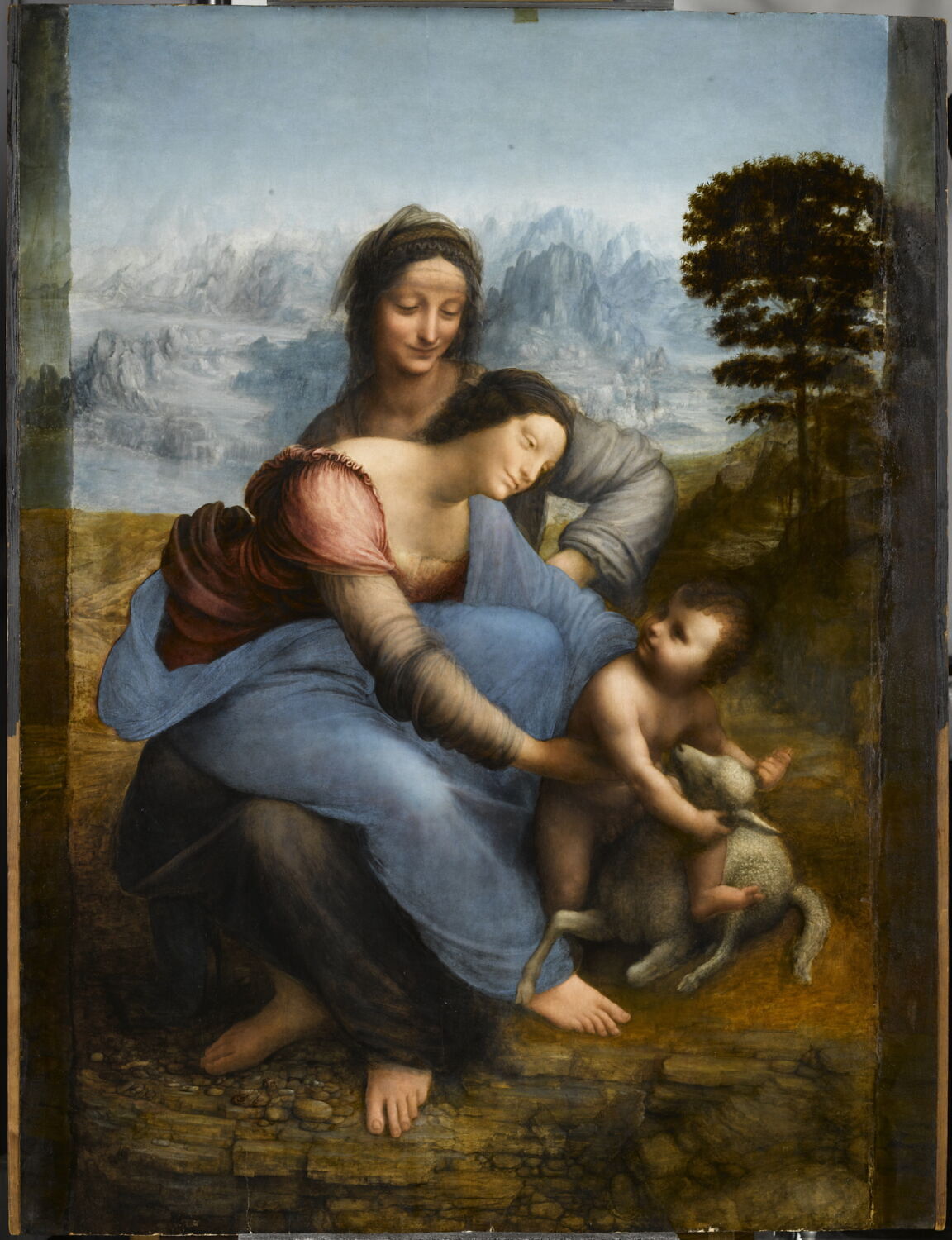
La Vierge, l'Enfant Jésus et sainte Anne, dit La Sainte Anne, Léonard de Vinci, 1e quart du XVIe siècle (vers 1503 - 1519)

Leonardo da Vinci

A Virgem e o Menino com Santa Ana, 1e quart du XVIe siècle (vers 1503 - 1519)

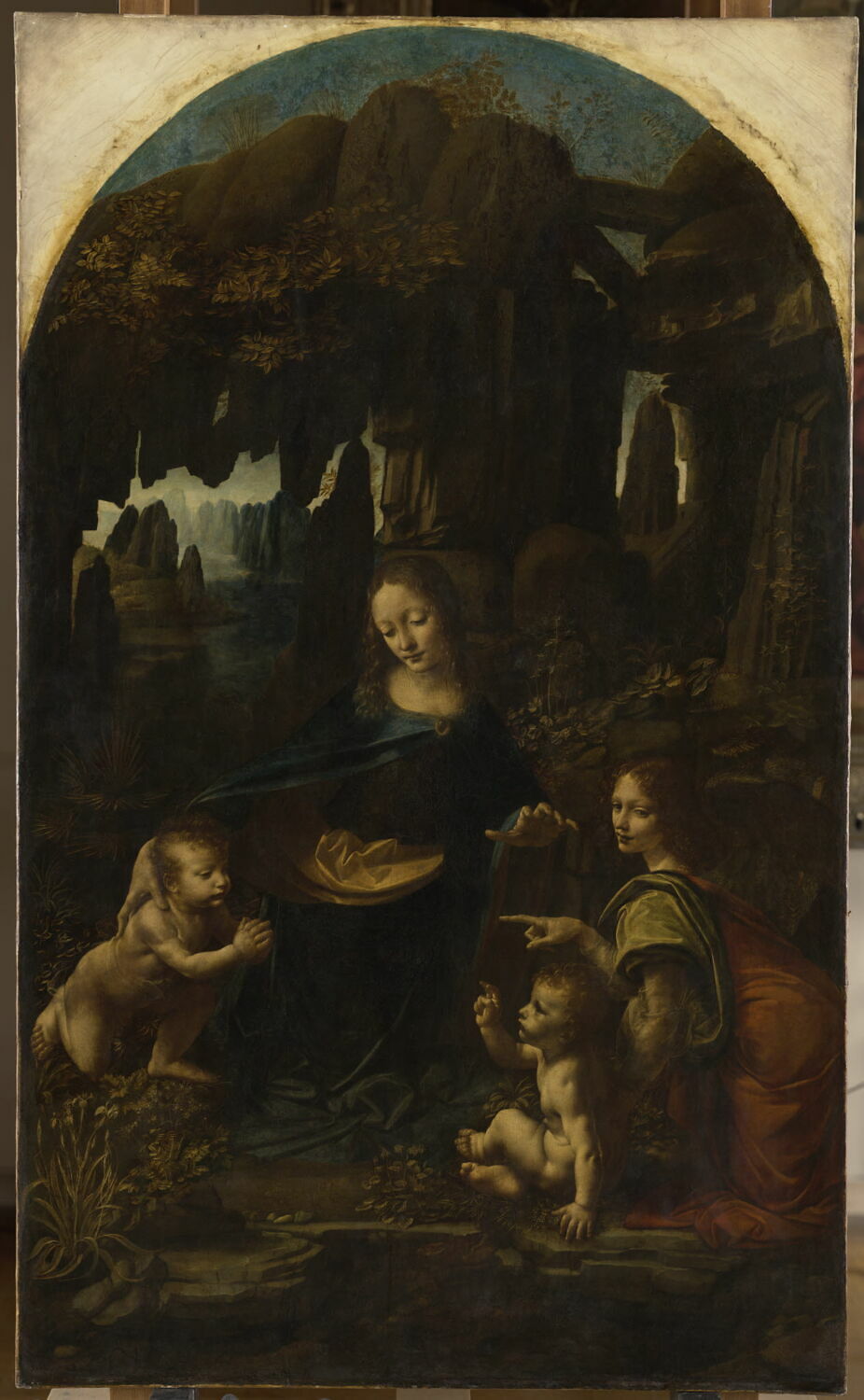
La Vierge, l'Enfant Jésus, saint Jean Baptiste et un ange, dit La Vierge aux rochers, Léonard de Vinci, 4e quart du XVe siècle (vers 1483 - 1494)

Leonardo da Vinci

La Vierge, l'Enfant Jésus, saint Jean Baptiste et un ange, dit La Vierge aux rochers, 4e quart du XVe siècle (vers 1483 - 1494)

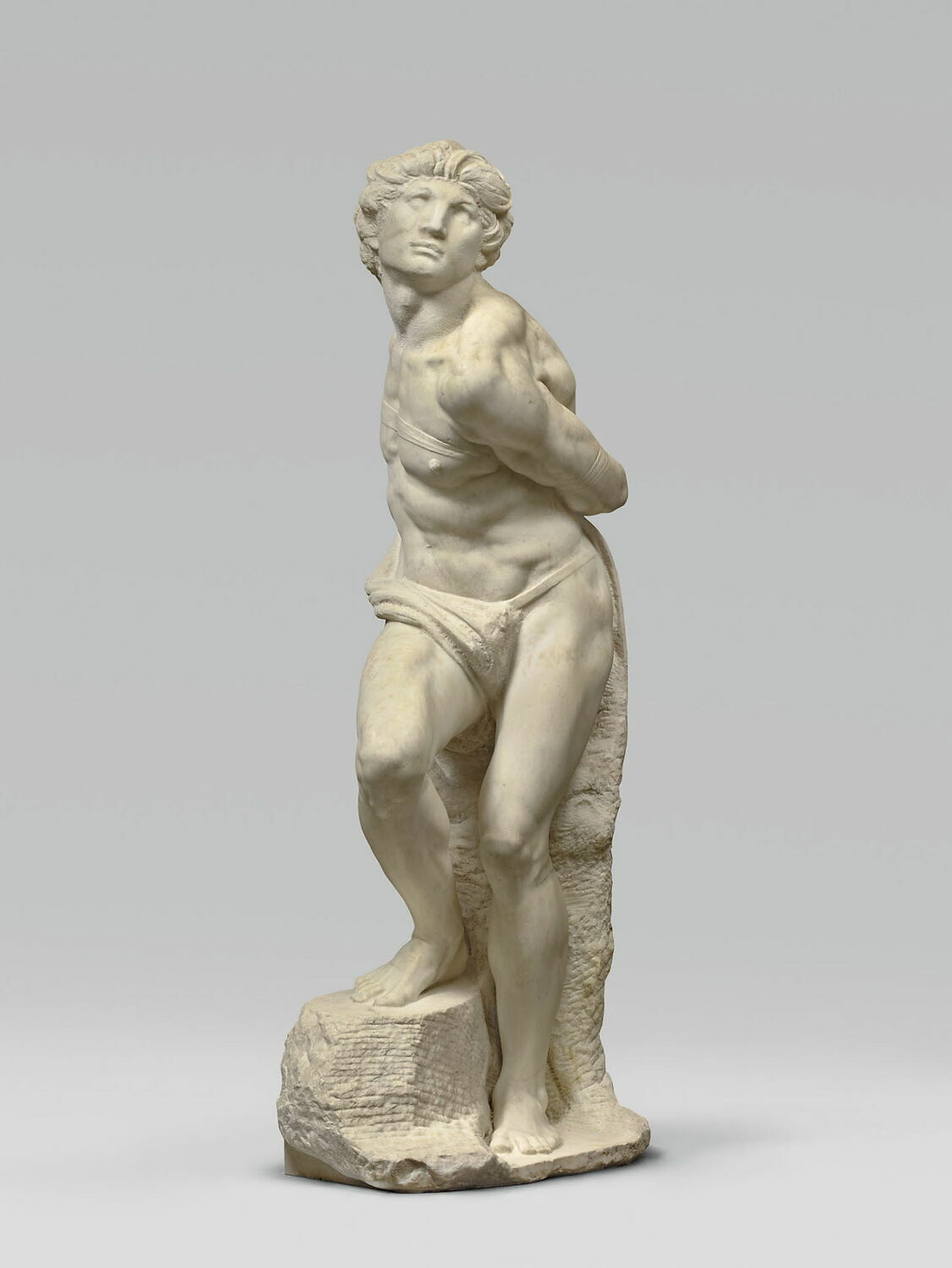
Esclave rebelle, Buonarroti, Michelangelo dit Michel-Ange, 1513 - 1515

Michelangelo

Esclave rebelle, 1513 - 1515

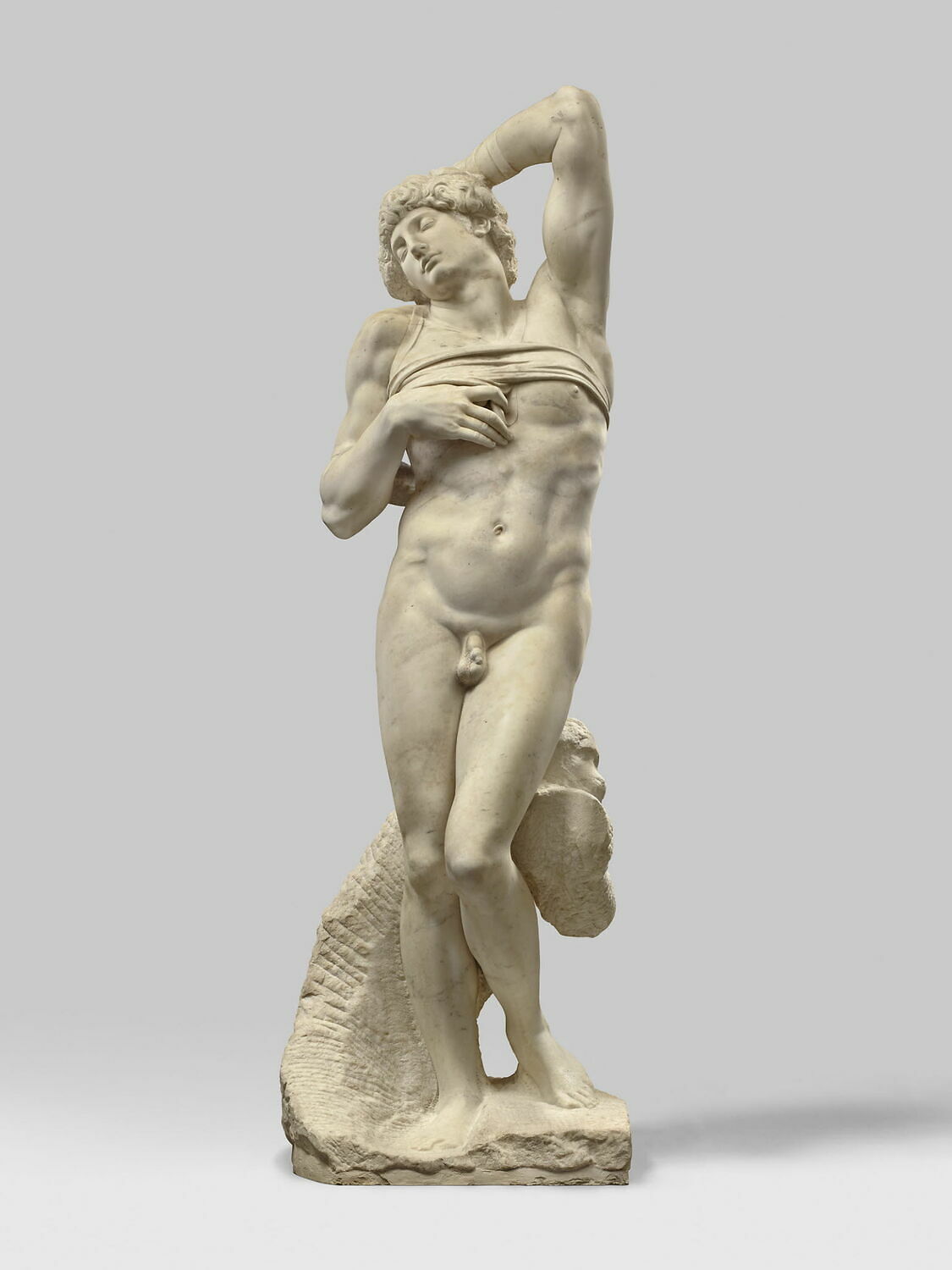
Esclave mourant, Buonarroti, Michelangelo dit Michel-Ange, 1513 - 1515

Michelangelo

Esclave mourant, 1513 - 1515