ART WIKI32 963 em exposição
MapaColeçãoArtistasMuseusExposiçõesRevista
Entrar

ART WIKI

Onde está a obra-prima, e a que horas se abre a porta.

Coleções: Art Institute of Chicago, Galeria Nacional de Arte, Galeria Tretiakov, Getty Villa, Harvard Art Museums, Hermitage, Hirshhorn Museum and Sculpture Garden, Instituto de Artes de Minneapolis, Museu de Arte de Cleveland, Museu de Arte Moderna, Museu do Louvre, Museu Estatal de Amesterdão, Museu J. Paul Getty, Museu Metropolitano de Arte, Museu Nacional de Arte da Dinamarca, Museu Pushkin, Museu Russo, Museu Smithsoniano de Arte Americana, Museu Vitória e Alberto, Museu Whitney de Arte Americana, National Museum of Asian Art, National Portrait Gallery, Catálogo Estatal do Fundo Museológico da Rússia (274 museus), Europeana (19 museus), Wikidata (6 museus), Paris Musées (12 museus) e Joconde, a base de museus do Ministério da Cultura de França (495 museus). As imagens pertencem aos titulares dos direitos.

Secções

  • Mapa
  • Pesquisa
  • Coleção
  • Obras-primas
  • Em exposição agora
  • Artistas

Mais

  • Museus e galerias
  • Exposições
  • Revista
  • De onde vêm os dados
  • Privacidade e cookies
InícioMapaCatálogo
  1. Coleção/
  2. Museu do Louvre/
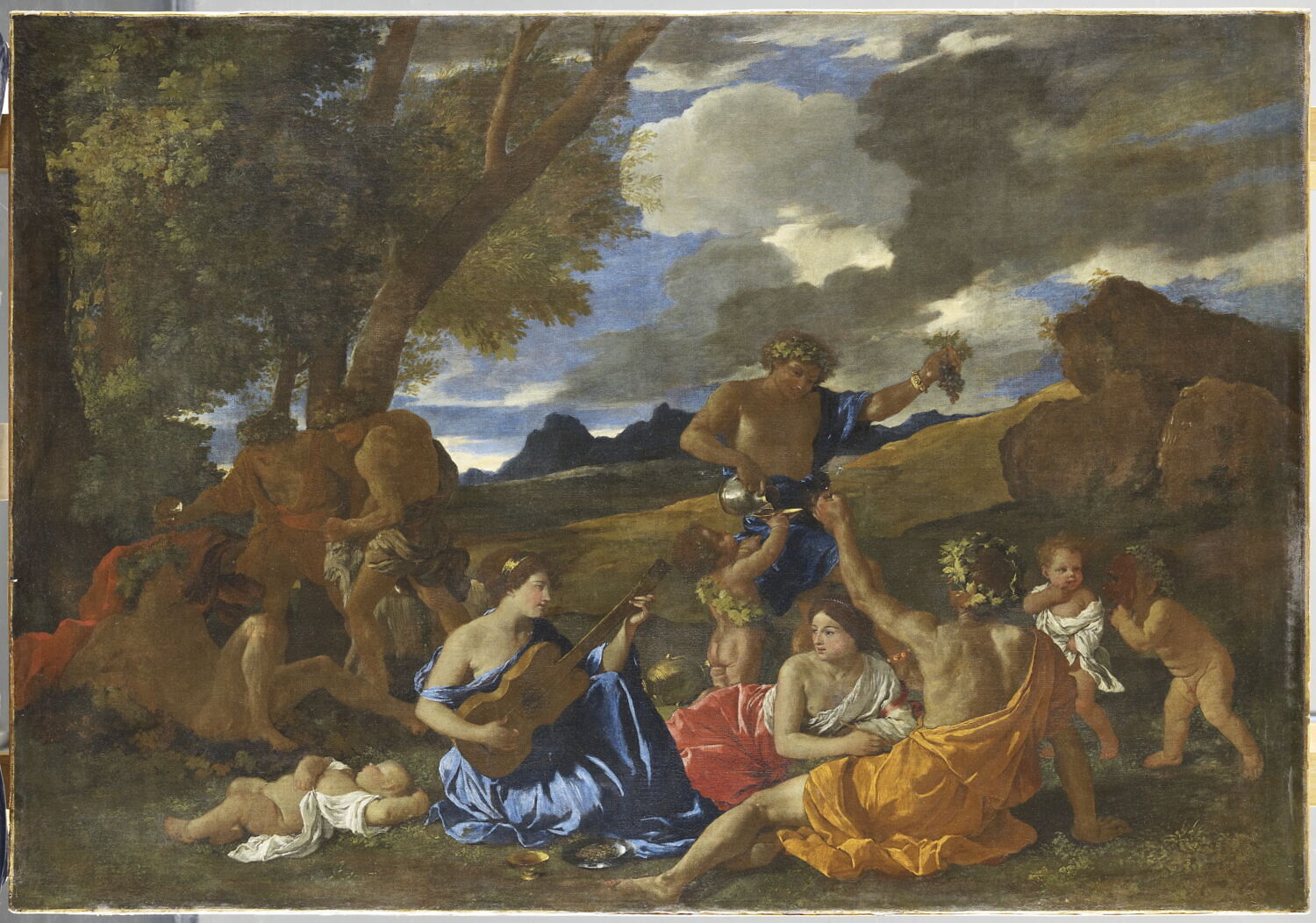
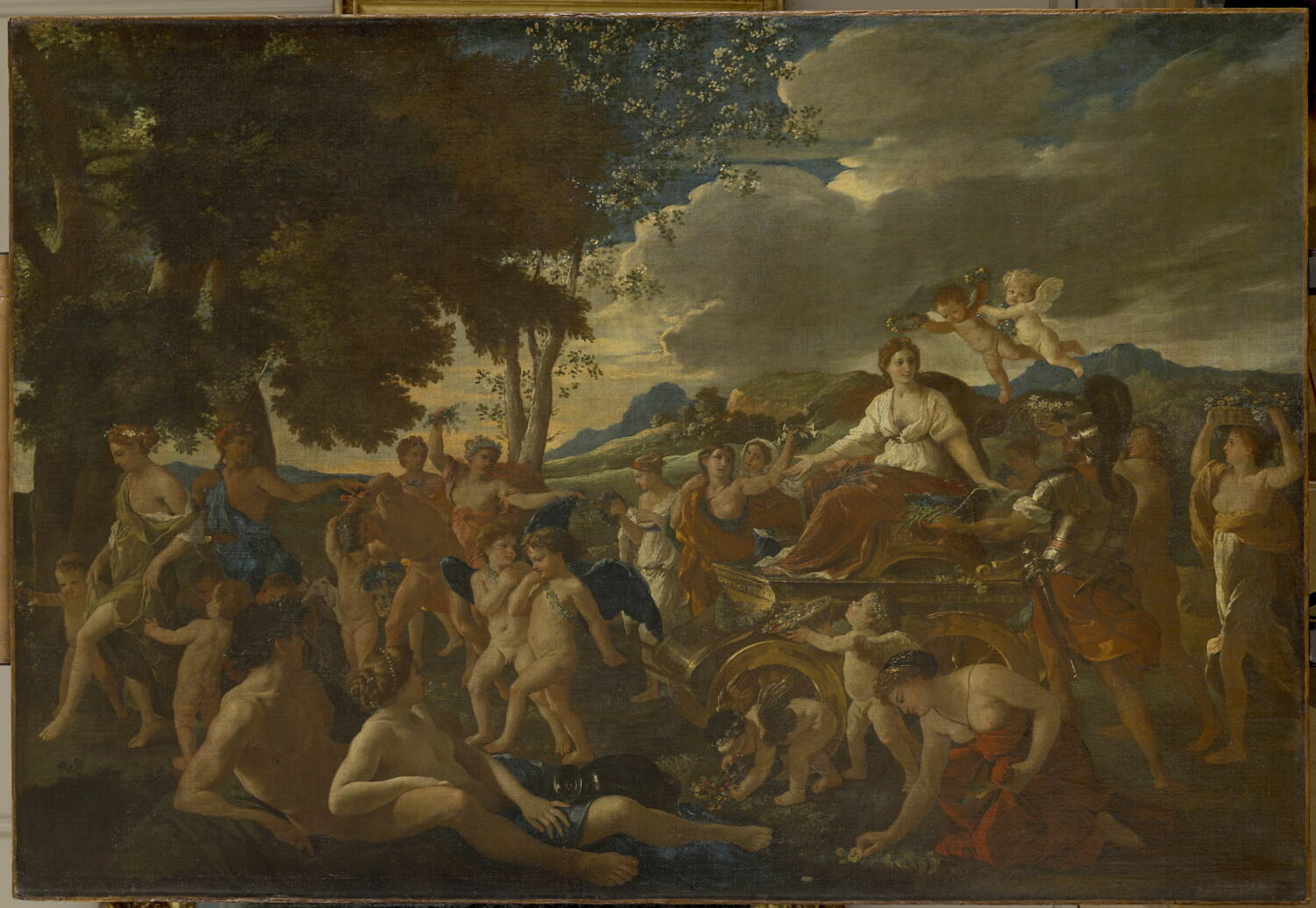
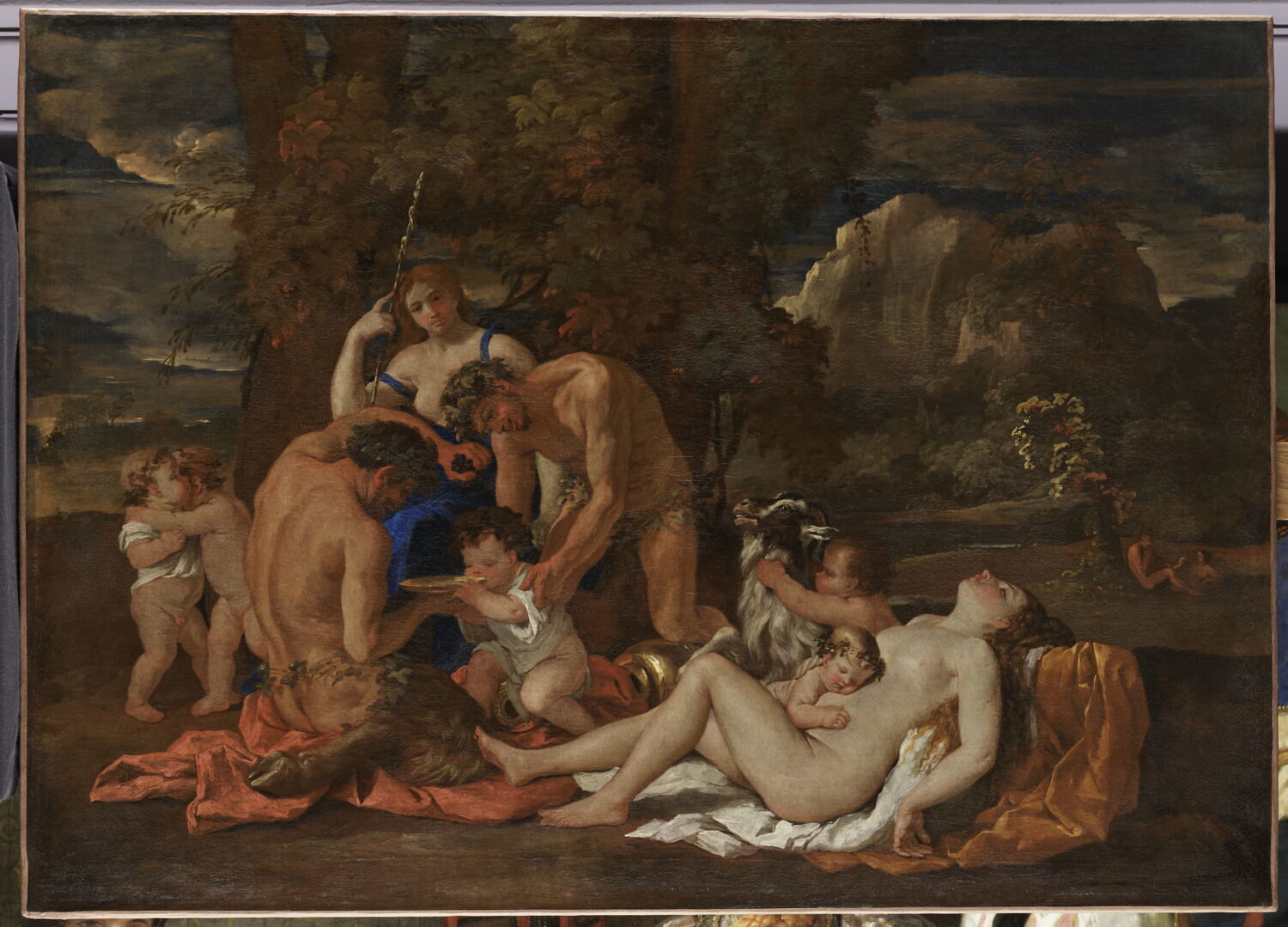
  3. La Nourriture de Bacchus
La Nourriture de Bacchus, Poussin, Nicolas, 2e quart du XVIIe siècle (vers 1626)
Nicolas Poussin, retratoNicolas PoussinFrança, 1594–1665

La Nourriture de Bacchus

2e quart du XVIIe siècle (vers 1626) · Peintures

Será possível contemplá-la?

Sim, recebe visitas

Museu do Louvre

Paris, França

Sala826, Aile Richelieu, Niveau 2

Exposta ao público. Quem o garante vem indicado abaixo.

Verificado
há 11 dias
Neste estado desde
26 de set. de 2026
Fonte
Os dados da própria coleção do museu
No mapaPágina do museu

Pormenores

2e quart du XVIIe siècle (vers 1626) · aos 32 anos
15941665
Número de inventário
INV 7295

No catálogo

PinturasÓleoPintura francesaBarrocoSéculo XVII

Fontes

  • Museu do Louvre: os dados abertos do museu · obtido há 11 dias
  • Imagem: Museu do Louvre — © 2021 GrandPalaisRmn (musée du Louvre) / Franck Raux

Entretanto, na vida de Nicolas Poussin

A vida inteira
  1. 1620s

    The Cavaliere Marino takes the painter under his wing

    Poussin’s work caught the attention of the Italian poet Cavaliere Marino, then living in France; his patronage let the thirty-year-old painter work in peace. According to Bellori the poet took him into his house and helped him with the invention of subjects and the rendering of emotion, and in Marino’s house Poussin gained access to a library with treatises by Alberti and Dürer and manuscripts and drawings by Leonardo.

  2. spring 1624

    Spring 1624: Poussin arrives in Rome

    According to Bellori Poussin settled in Rome in the spring of 1624 (other accounts say he first visited Venice); the lists of the church of San Lorenzo in Lucina name him from March 1624 among twenty-two people, mostly French artists, living in the house of Simon Vouet. He studied Raphael, while Caravaggio, whose literal materiality repelled him, he held to have come “to destroy painting”.

  3. 1624–1626

    First years in Rome: no patrons, in want

    Marino, who had recommended him to Cardinal Francesco Barberini, left for Naples and died there, and the cardinal himself was sent as legate to Spain in 1625 with Cassiano dal Pozzo; the Marquis Sacchetti showed no interest. Poussin was badly wounded in a street brawl, possibly caught syphilis and refused to enter a hospital, and, according to Félibien, had to sell two battle canvases for seven écus each and a figure of a prophet for eight.

  4. 1624–1640

    Domenichino’s academy, anatomy, measuring ancient statues

    He resumed his study of anatomy with the surgeon Larchet, drew models at Domenichino’s academy, worked in the open air and measured ancient statues — on the back of the drawing “The Victory of Joshua” survive his measurements of the Apollo Belvedere; unlike many, he did not “restore” the lost fragments of antiques. In his Roman years he began to learn modelling, made wax models, arranged them in the order he wanted on a board, and copied Titian’s “Bacchanal” — in oil and as a bas-relief together with one of the Duquesnoy brothers.

  5. 1626

    Friends in Rome: Claude Lorrain, Stella, the Duquesnoy brothers

    In 1626 Pierre Mellin and the brothers François and Jérôme Duquesnoy lodged in his studio; he was close to Claude Lorrain and kept company with Jacques Stella and Jean Lemaire. The circle was united by a pull towards classical antiquity; despite all his disagreements with French painters, it was this milieu that helped Poussin keep his national roots.

  6. 1626

    Poussin’s name first appears in Cardinal Barberini’s books

    In 1626 Cardinal Francesco Barberini’s account books for the first time record a fee paid to Poussin — for the painting “The Destruction of Jerusalem”; it has not survived, but in 1638 the artist repeated the canvas, now in Vienna.
Mais obras de Nicolas Poussin

Todas as obras
The Abduction of the Sabine Women, Nicolas Poussin, probably 1633–34

The Abduction of the Sabine Women

probably 1633–34 · Museu Metropolitano de Arte

Blind Orion Searching for the Rising Sun, Nicolas Poussin, 1658

Blind Orion Searching for the Rising Sun

1658 · Museu Metropolitano de Arte

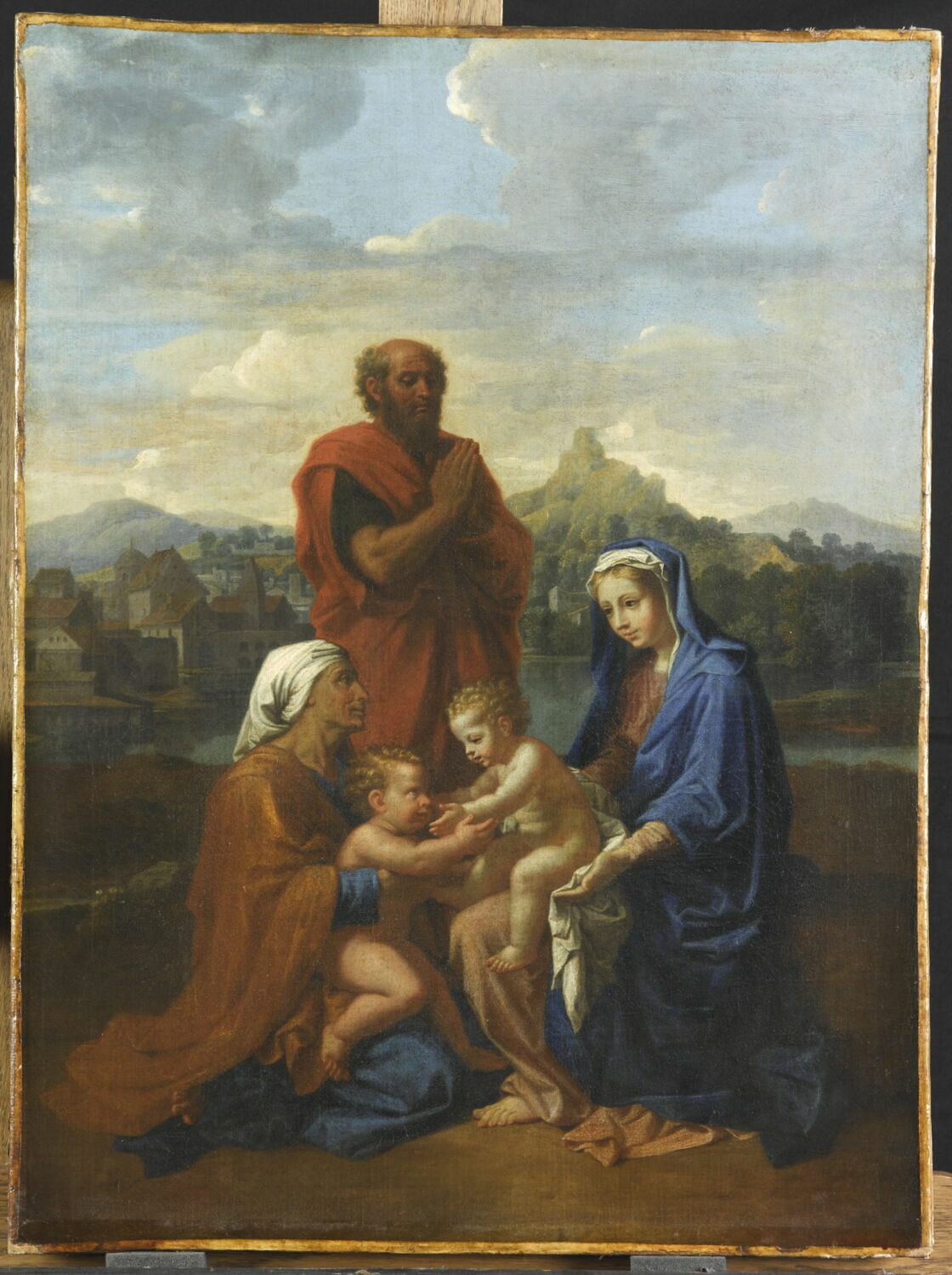
La Sainte Famille avec saint Jean, sainte Elisabeth et saint Joseph priant, Poussin, Nicolas, Milieu du XVIIe siècle (vers 1650 - 1951)

La Sainte Famille avec saint Jean, sainte Elisabeth et saint Joseph priant

Milieu du XVIIe siècle (vers 1650 - 1951) · Museu do Louvre

Victory of Joshua over the Amalekites, Nicolas Poussin, 1623

Victory of Joshua over the Amalekites

1623 · Hermitage

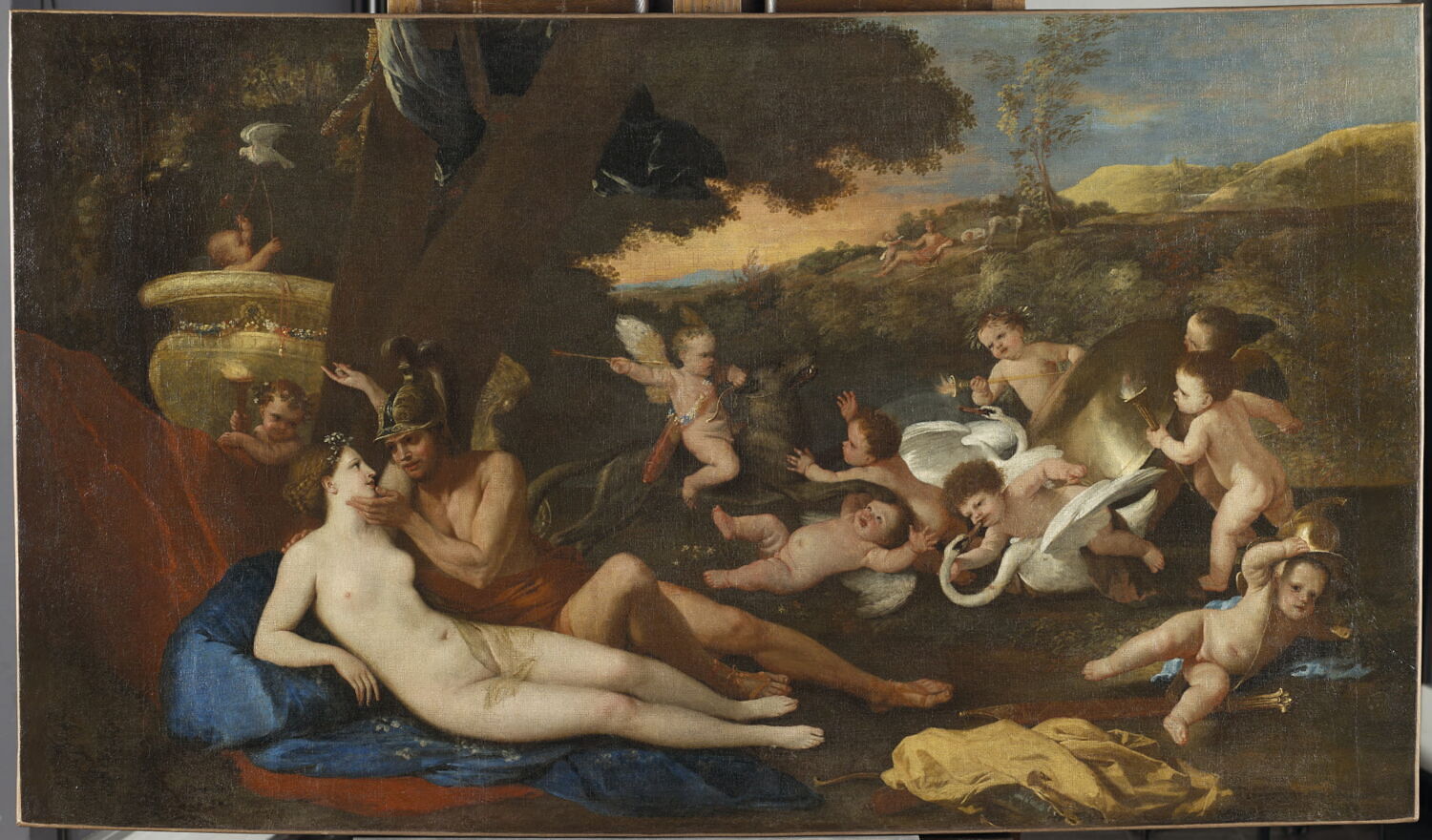
Mars et Vénus, Poussin, Nicolas, 1e tiers du XVIIe siècle (vers 1625)

Mars et Vénus

1e tiers du XVIIe siècle (vers 1625) · Museu do Louvre

Bacchanale à la joueuse de guitare, Poussin, Nicolas, 2e quart du XVIIe siècle (vers 1625)

Bacchanale à la joueuse de guitare

2e quart du XVIIe siècle (vers 1625) · Museu do Louvre

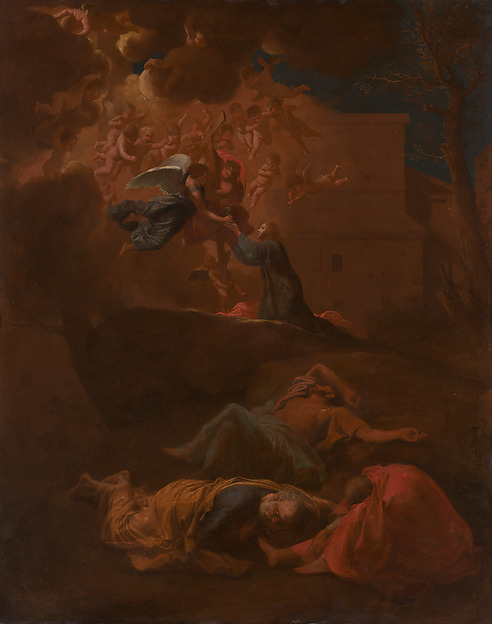
The Agony in the Garden, Nicolas Poussin, 1626–27

The Agony in the Garden

1626–27 · Museu Metropolitano de Arte

Le Triomphe de Flore, Poussin, Nicolas, 2e quart du XVIIe siècle (vers 1627 - 1628)

Le Triomphe de Flore

2e quart du XVIIe siècle (vers 1627 - 1628) · Museu do Louvre

Vizinhas de sala: Museu do Louvre

Página do museu
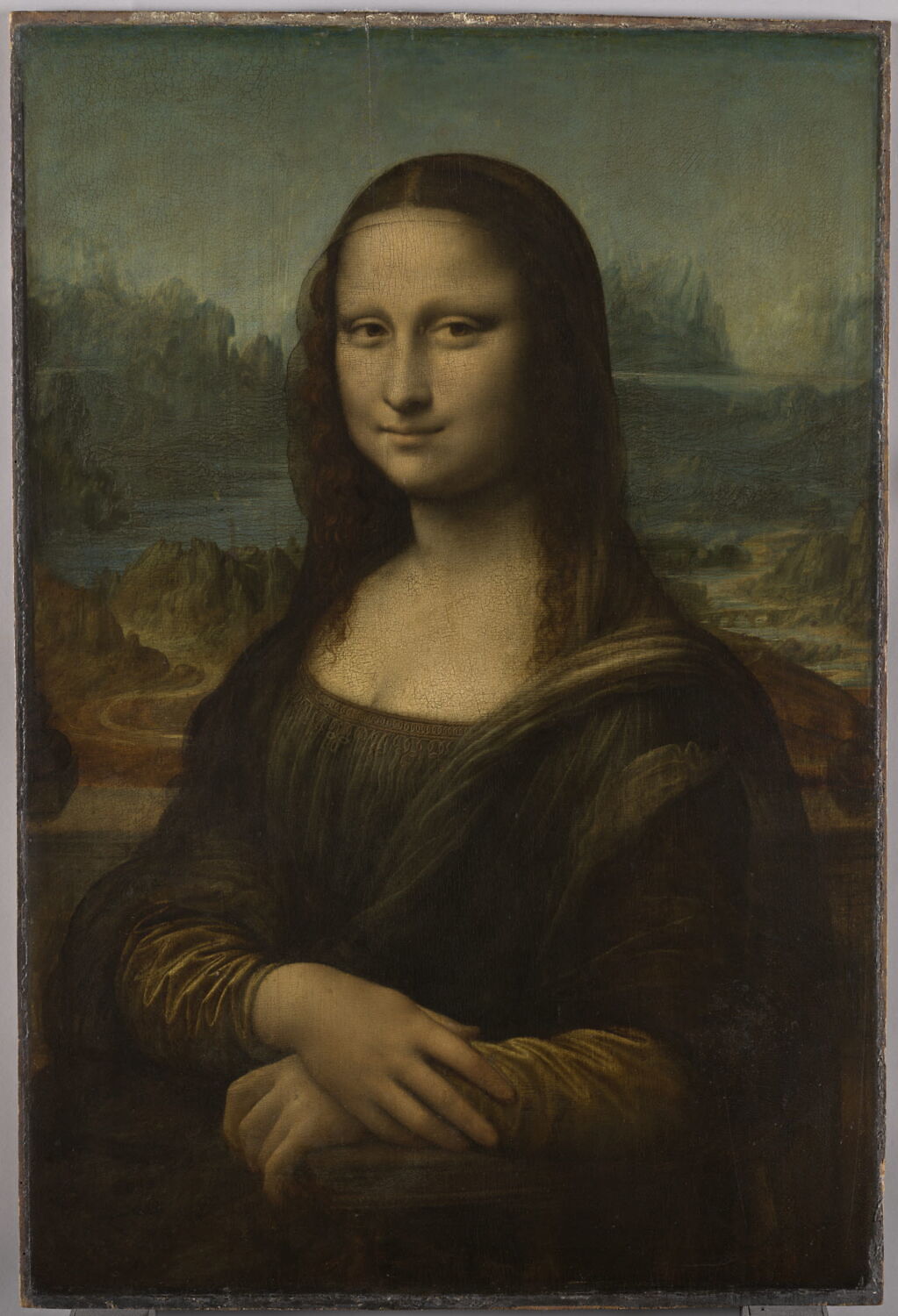
Portrait de Lisa Gherardini, épouse de Francesco del Giocondo, dit La Joconde ou Monna Lisa, Léonard de Vinci, 1e quart du XVIe siècle (1503 - 1519)

Leonardo da Vinci

Mona Lisa, 1e quart du XVIe siècle (1503 - 1519)

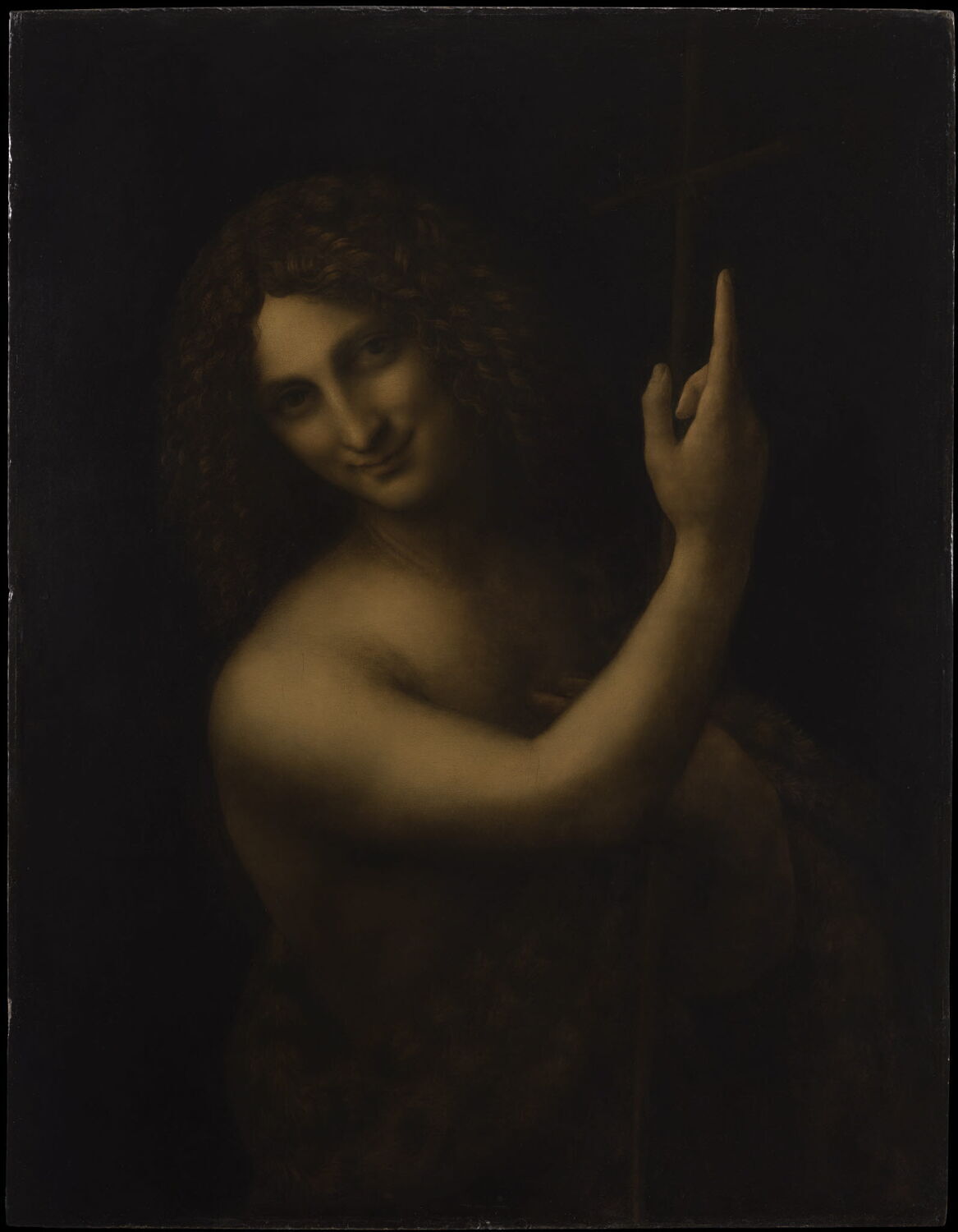
Saint Jean Baptiste, Léonard de Vinci, 1e quart du XVIe siècle (vers 1517 - 1520)

Leonardo da Vinci

Saint Jean Baptiste, 1e quart du XVIe siècle (vers 1517 - 1520)

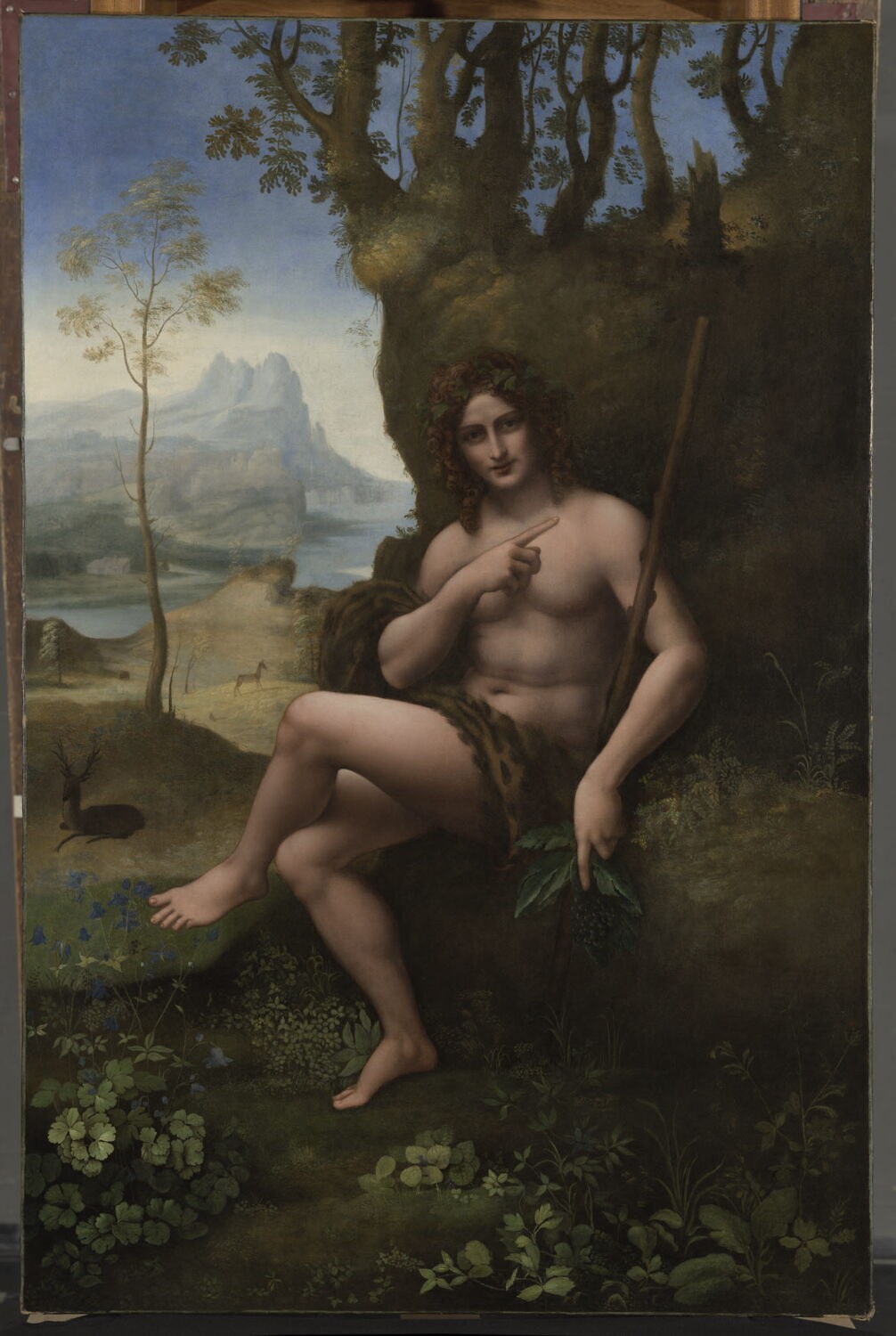
Saint Jean Baptiste, Léonard de Vinci, 1e quart du XVIe siècle (vers 1508 - 1519)

Leonardo da Vinci

São João Batista, 1e quart du XVIe siècle (vers 1508 - 1519)

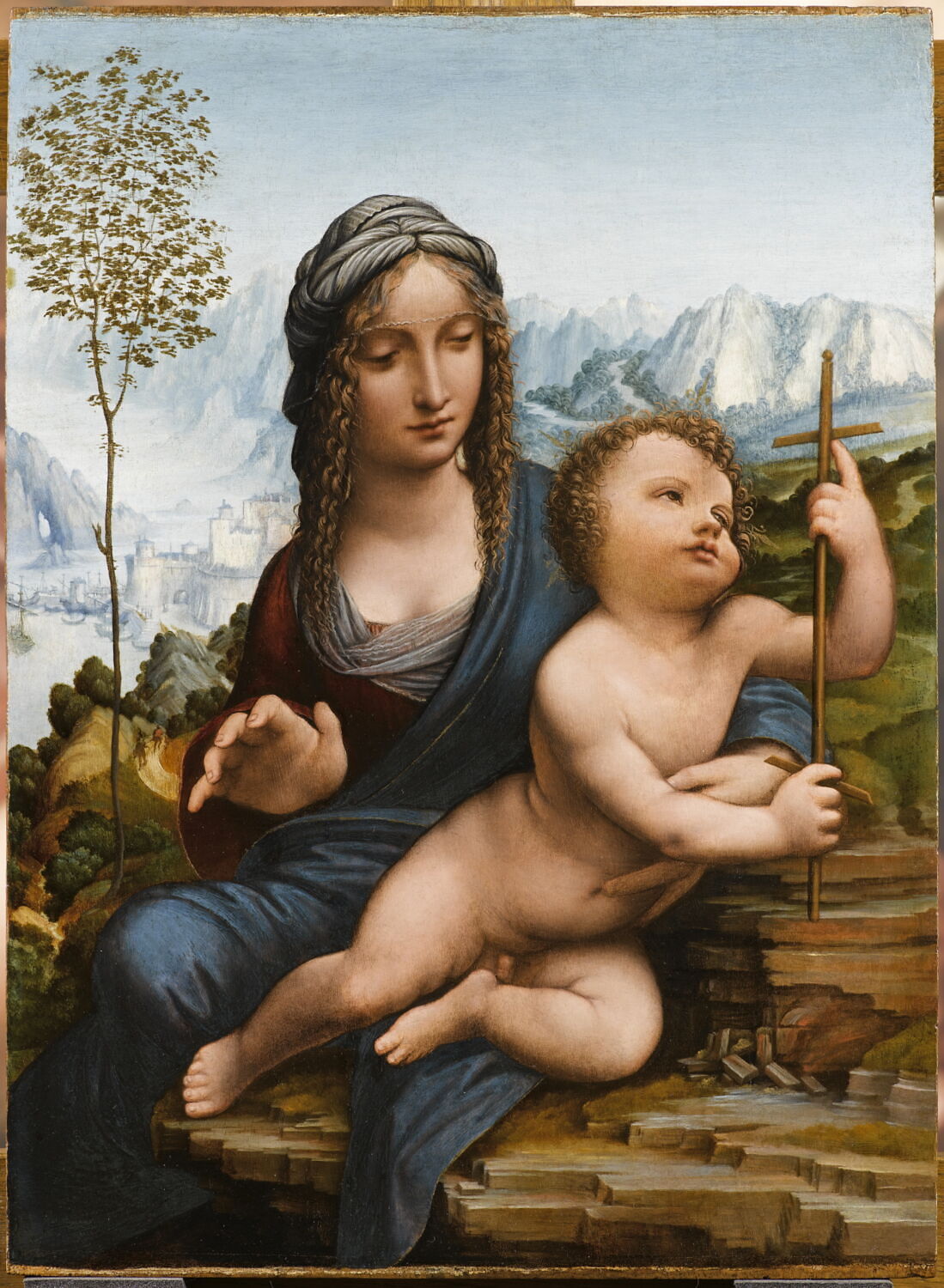
La Vierge et l'Enfant Jésus, dite Vierge au dévidoir ou Vierge aux fuseaux, Léonard de Vinci, XVIe siècle (vers 1505 - 1520)

Leonardo da Vinci

La Vierge et l'Enfant Jésus, dite Vierge au dévidoir ou Vierge aux fuseaux, XVIe siècle (vers 1505 - 1520)

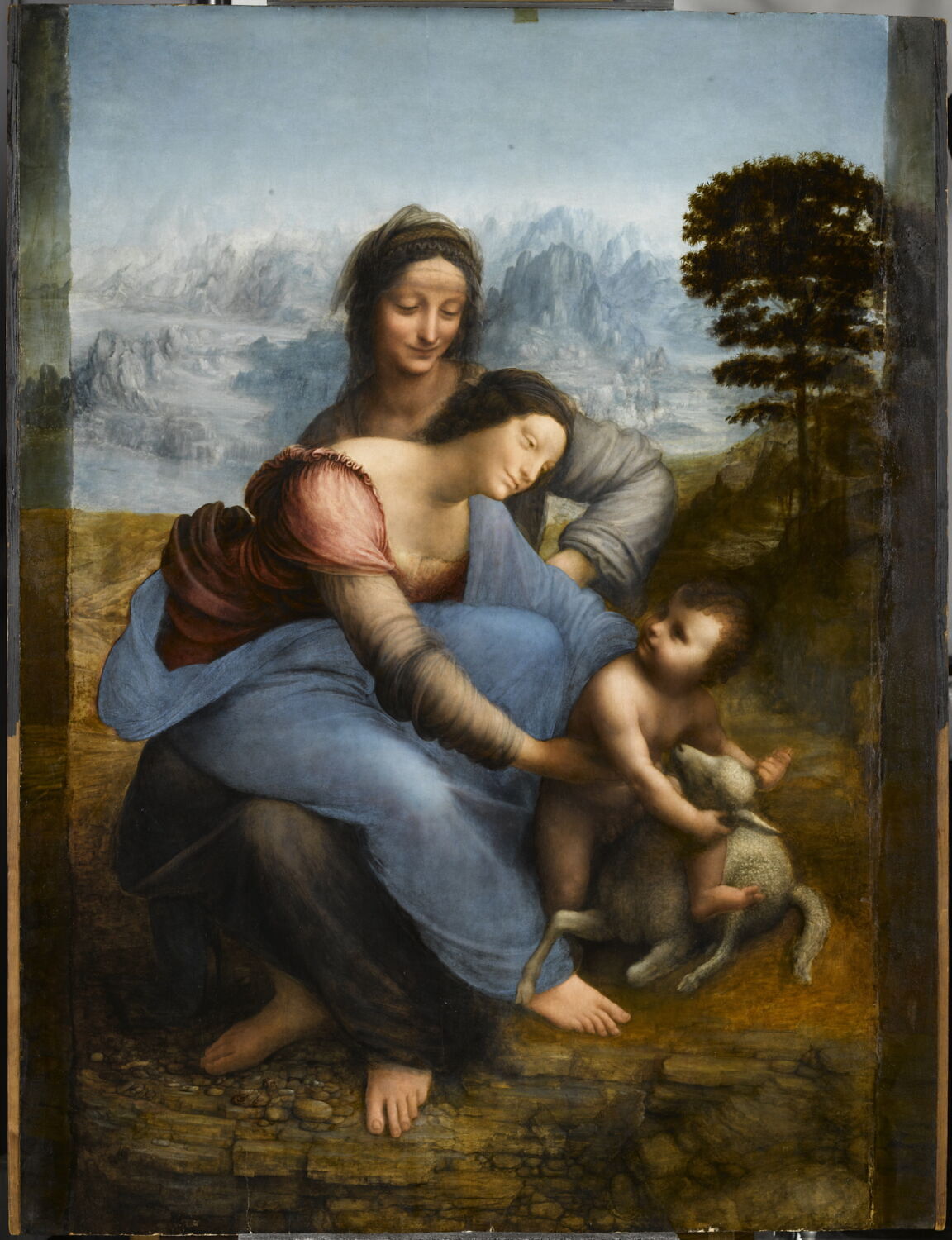
La Vierge, l'Enfant Jésus et sainte Anne, dit La Sainte Anne, Léonard de Vinci, 1e quart du XVIe siècle (vers 1503 - 1519)

Leonardo da Vinci

A Virgem e o Menino com Santa Ana, 1e quart du XVIe siècle (vers 1503 - 1519)

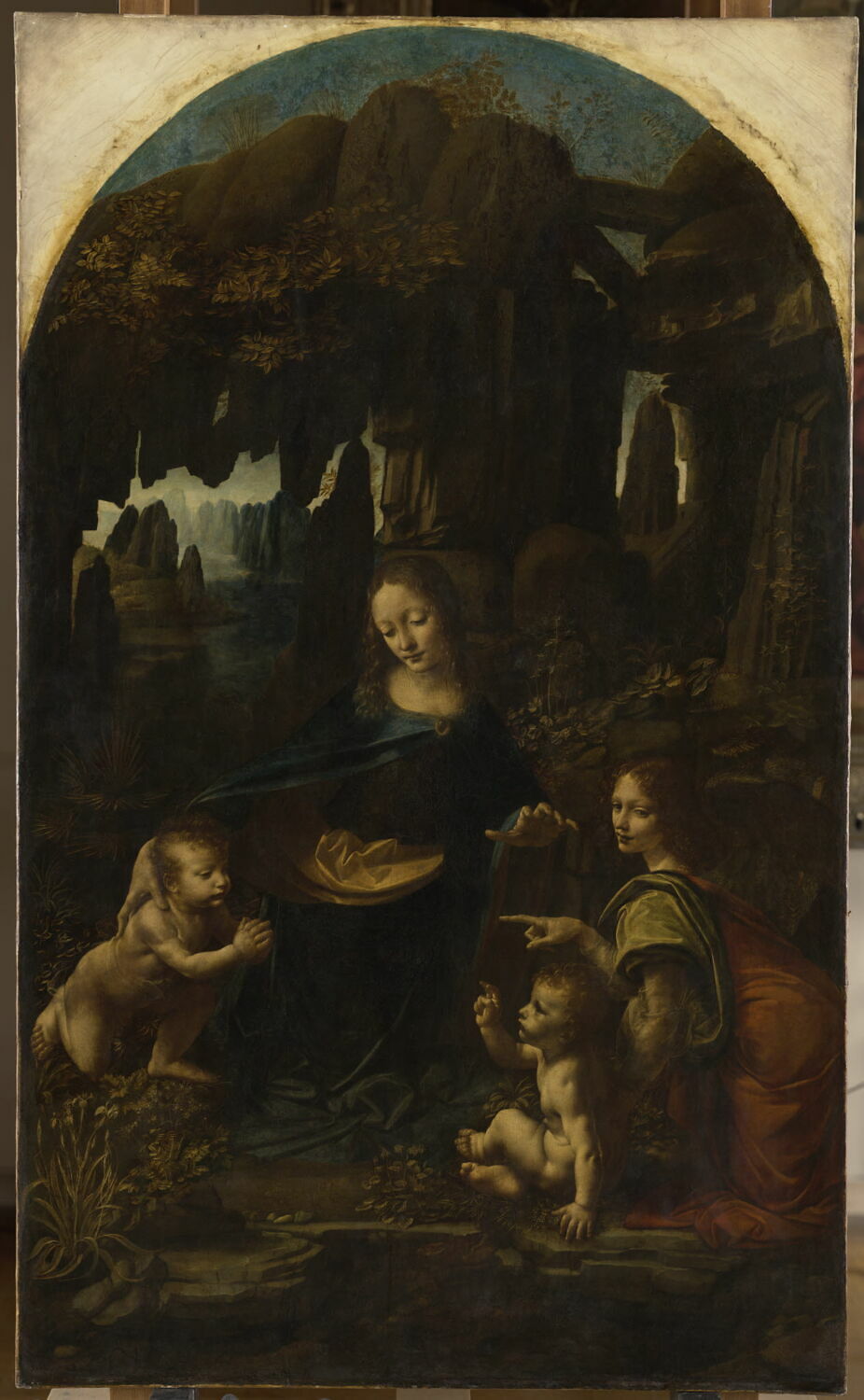
La Vierge, l'Enfant Jésus, saint Jean Baptiste et un ange, dit La Vierge aux rochers, Léonard de Vinci, 4e quart du XVe siècle (vers 1483 - 1494)

Leonardo da Vinci

La Vierge, l'Enfant Jésus, saint Jean Baptiste et un ange, dit La Vierge aux rochers, 4e quart du XVe siècle (vers 1483 - 1494)

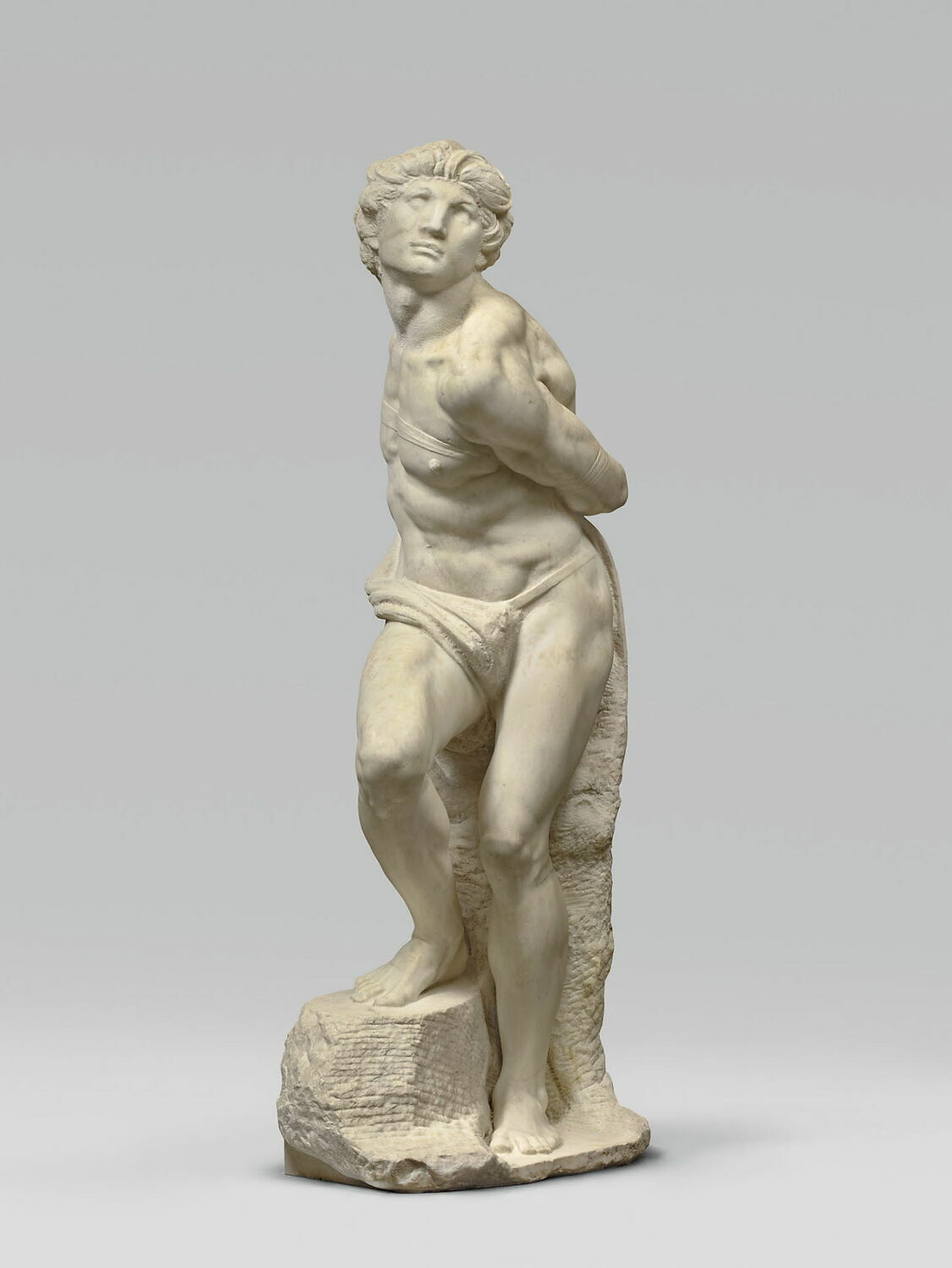
Esclave rebelle, Buonarroti, Michelangelo dit Michel-Ange, 1513 - 1515

Michelangelo

Esclave rebelle, 1513 - 1515

Esclave mourant, Buonarroti, Michelangelo dit Michel-Ange, 1513 - 1515

Michelangelo

Esclave mourant, 1513 - 1515