 Willie ColeEstados Unidos, 1955
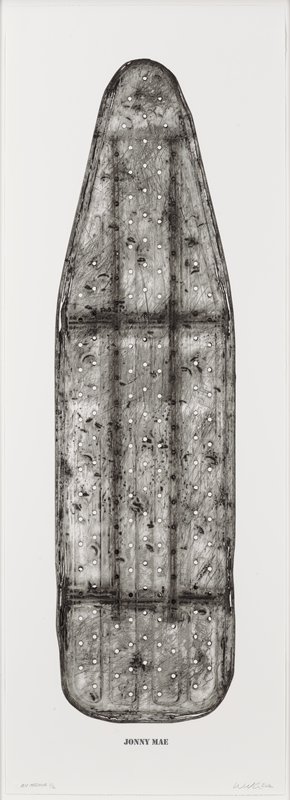
Jonny Mae
Será possível contemplá-la?
De momento, não recebe

Instituto de Artes de Minneapolis
Minneapolis, Estados Unidos
Pertence à coleção, mas de momento não está exposta.
- Verificado
- ontem
- Neste estado desde
- 25 de set. de 2026
- Fonte
- Os dados da própria coleção do museu
Sobre a obra
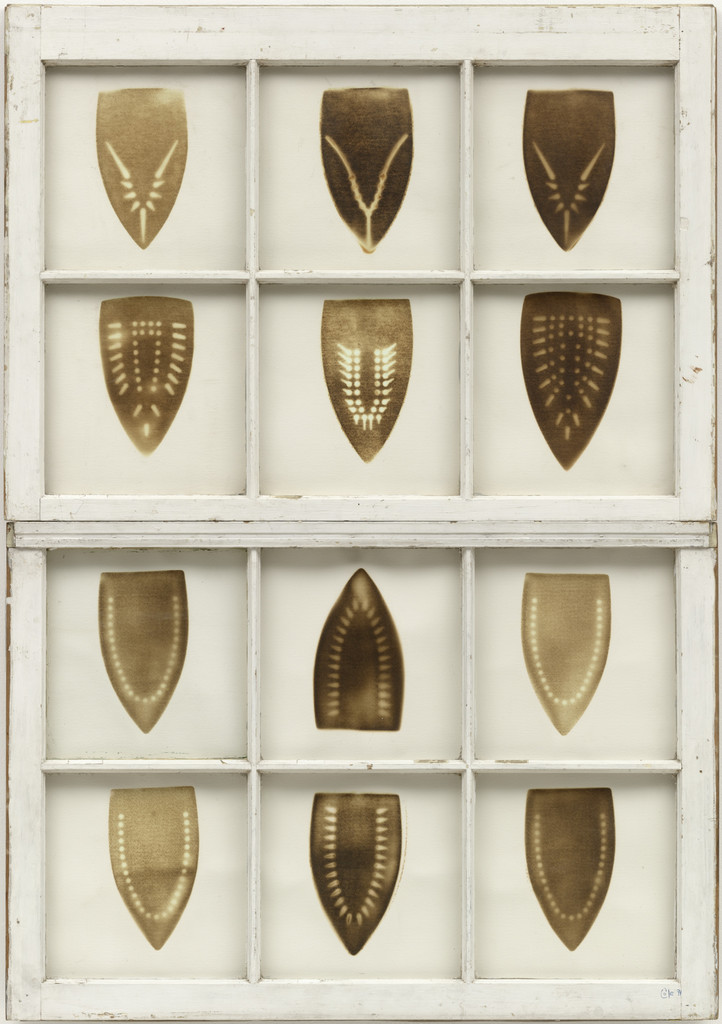
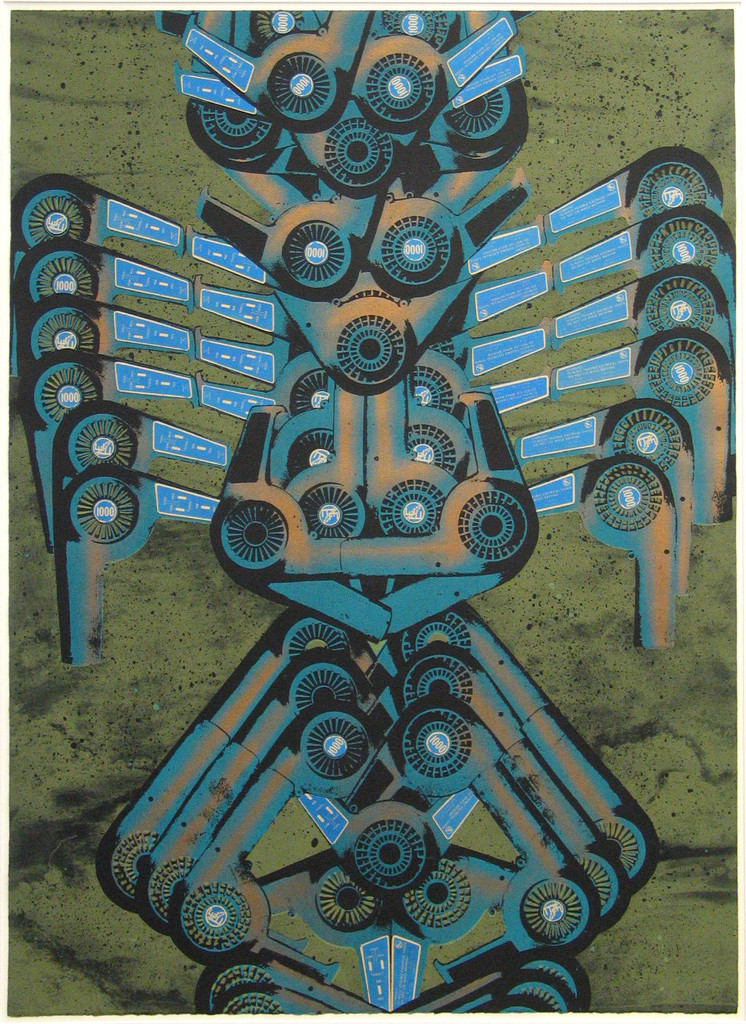
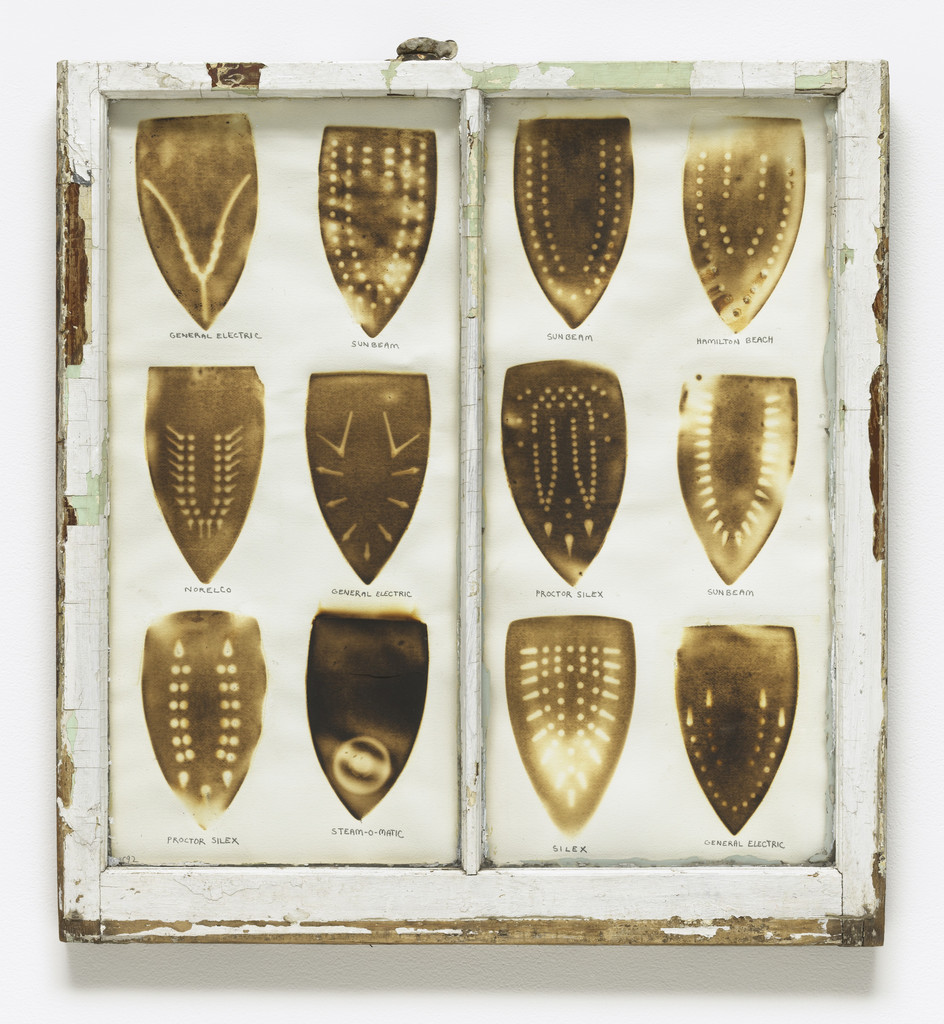
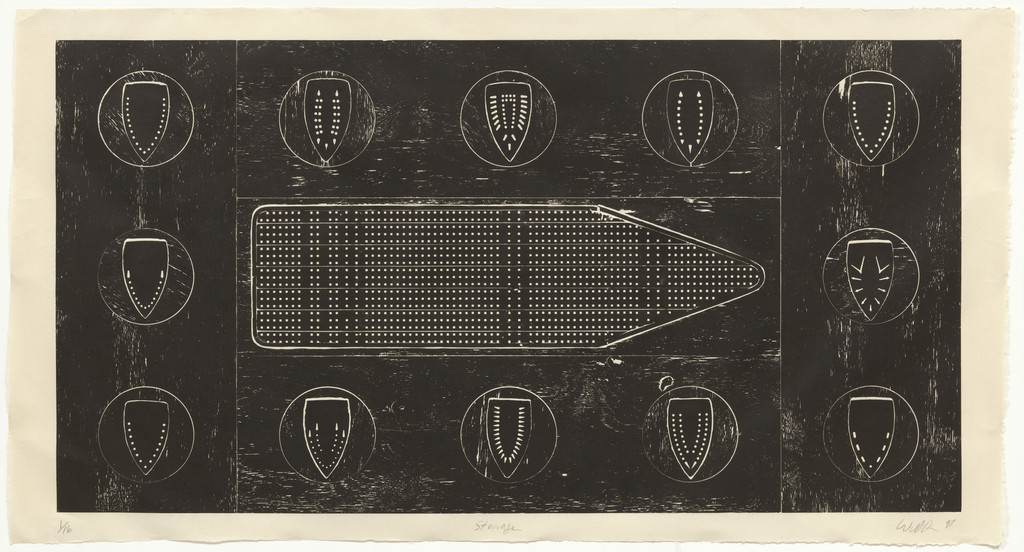
Wille Cole is widely recognized for his extraordinary capacity to convert ordinary objects into evocative works of art. In the intaglio and relief print Jonny Mae, Cole transforms an image resembling a household ironing board into a powerful metaphor for the historical role of Black women serving as “domestic help.” The print is part of an extended series of similar prints known as “The Beauties” that alludes to real and fictional members of Cole’s ancestral family who toiled as domestic workers, either as enslaved or free women. For Cole, the ironing board motif is emblematic of the drudgery and harsh reality of ceaseless household labor, while also recalling the form of a monument or tombstone, traditional ways of marking or measuring one’s life. The elongated images also resemble standing human figures, their individuality fixed by the assigned names and unique visual and textural characteristics of each ironing board.
Read on
In the production of this large-scale intaglio and relief print, Cole rejected the conventional method of printing an image from an etched or engraved copper plate, and instead ingeniously adapted an actual ironing board (flattened under a steam roller) to serve as an unorthodox printing plate. Though generating technical challenges, the procedure eliminates one layer of intervention, resulting in a printed image that is in all respects visually truthful to the physical characteristics of each ironing board in the series. Despite its humble source material, the black-and-white print possesses a strangely luminous aura, evoking a quasi-historical narrative that reveals the unseen story of Jonny Mae.
Instituto de Artes de Minneapolis
Pormenores
- Número de inventário
- 2020.85.24.11
No catálogo
Fontes
- Instituto de Artes de Minneapolis: the museum's own open data · obtido há 5 dias
- Imagem: Instituto de Artes de Minneapolis — Copyright © Willie Cole, published by Highpoint Editions