ART WIKI33 040 em exposição
MapaColeçãoArtistasMuseusExposiçõesRevista
Entrar

ART WIKI

Onde está a obra-prima, e a que horas se abre a porta.

Coleções: Art Institute of Chicago, Galeria Nacional de Arte, Galeria Tretiakov, Getty Villa, Harvard Art Museums, Hermitage, Hirshhorn Museum and Sculpture Garden, Instituto de Artes de Minneapolis, Museu de Arte de Cleveland, Museu de Arte Moderna, Museu do Louvre, Museu Estatal de Amesterdão, Museu J. Paul Getty, Museu Metropolitano de Arte, Museu Nacional de Arte da Dinamarca, Museu Pushkin, Museu Russo, Museu Smithsoniano de Arte Americana, Museu Vitória e Alberto, Museu Whitney de Arte Americana, National Museum of Asian Art, National Portrait Gallery, Catálogo Estatal do Fundo Museológico da Rússia (274 museus), Europeana (19 museus), Wikidata (6 museus), Paris Musées (12 museus) e Joconde, a base de museus do Ministério da Cultura de França (495 museus). As imagens pertencem aos titulares dos direitos.

Secções

  • Mapa
  • Pesquisa
  • Coleção
  • Obras-primas
  • Em exposição agora
  • Artistas

Mais

  • Museus e galerias
  • Exposições
  • Revista
  • De onde vêm os dados
  • Privacidade e cookies
InícioMapaCatálogo
  1. Coleção/
  2. Museu Vitória e Alberto/
  3. Inner Voice (The Muse)
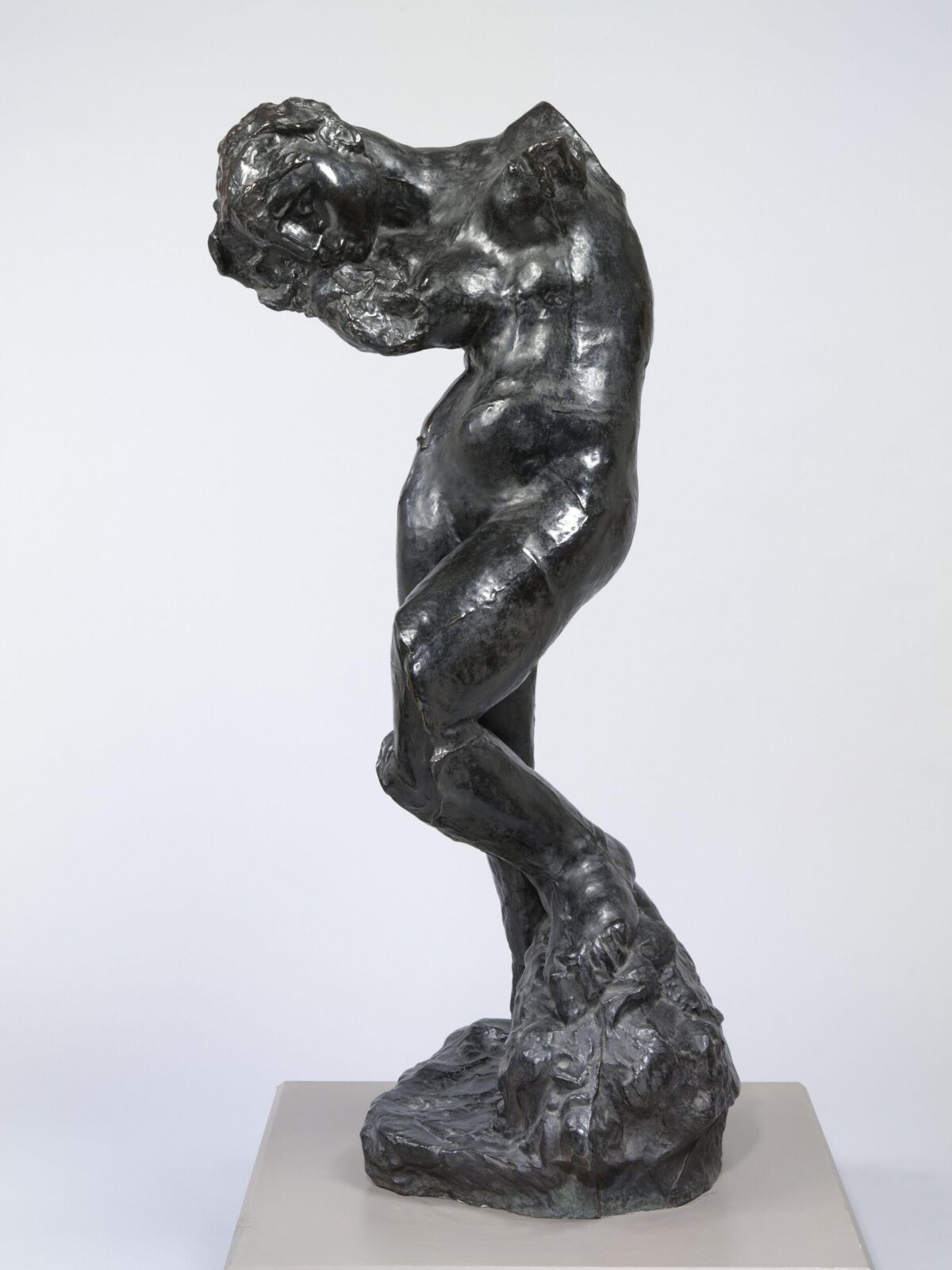
Inner Voice (The Muse), Auguste Rodin, ca. 1896- ca. 1897

Inner Voice (The Muse)

ca. 1896- ca. 1897 · Sculpture · 144.5 × 77 cm

Sobre a escultura

Rodin frequently explored the further possibilities that arose from existing projects, revisiting the form, scale, material and, most significantly, the intention of his ideas. 'The Muse' began as small-scale figure on the tympanum (rectangular panel) immediately above the bronze 'Gates of Hell' doors for the new Museum of Decorative Arts, Paris, which Rodin was asked to design in 1880.

Rodin later developed the figure as 'The Inner Voice', one of two muses intended for the monument in Paris to the writer Victor Hugo, commissioned in 1886. His composition showed a naked Hugo flanked by two naked muses. The commissioners rejected this proposal as unsuitable for its proposed location in the Panthéon, though they allowed him to continue with the project.

Continuar a ler

After many revisions, Rodin ended up producing this figure. He cut off the arms and removed drapery that covered the knee, which signalled Rodin's increasingly conceptual approach to sculpture. The poet Rainer Maria Rilke, who worked as Rodin's secretary for a time, wrote of it, …'again and again in his figures Rodin returned to this bending inward, to this intense listening to one's own depth… Never was human body assembled to such an extent about its inner self, so bent by its own soul'. Rodin himself said of it: 'My figure represents 'Meditation'. That is why it has neither arms to act nor legs to walk. Haven't you noticed that reflection, when persisted in, suggests so many plausible arguments for opposite directions that it ends in inertia?'

Museu Vitória e Alberto

Pormenores

ca. 1896- ca. 1897
18401917
Número de inventário
A.36-1914

Entretanto, na vida de Auguste Rodin

A vida inteira
  1. 1890s–1900s

    Young sculptors in Rodin's studio

    His income let him hire gifted young sculptors, among them Antoine Bourdelle, Charles Despiau, Jules Desbois, François Pompon and Aristide Maillol. Constantin Brancusi left after two months, convinced that nothing grows under a big tree.

  2. 1895

    Buys the Villa des Brillants at Meudon

    Rodin bought the Villa des Brillants estate near Paris and moved his studio there, but there was not enough room and two years later it went back to Paris. His income let him collect: Egyptian, Greek and Roman sculpture, Persian miniatures and paintings by his contemporaries, including Van Gogh's “Portrait of Père Tanguy”.

  3. 1895

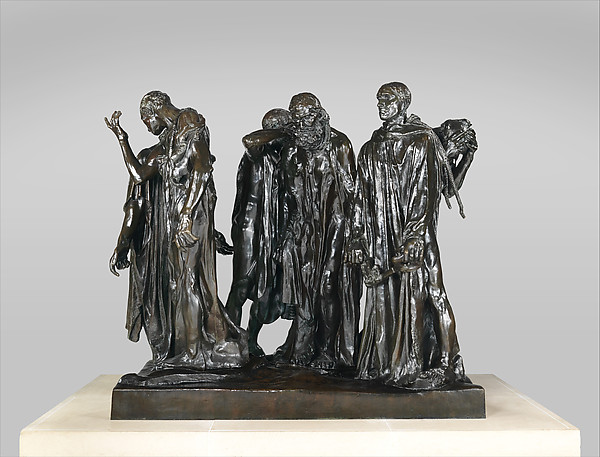
    “The Burghers of Calais” installed in Calais

    Against Rodin's wishes — he had hoped to place the group at ground level near the town hall — Calais chose a high platform in front of a public garden, with a cast-iron railing. Rodin had proposed doing without a pedestal so that viewers could “penetrate to the heart of the subject”.

  4. 1897

    An album of Rodin's drawings

    The industrialist and collector Maurice Fenaille published an album of 147 reproductions of Rodin's drawings in an edition of 125 copies. It sold out at once.

  5. 1898

    Parts from Camille Claudel

    Rodin never gave up Rose Beuret, his companion of the lean years and the mother of his son; in 1898 he and Claudel parted. A few years later Claudel suffered what is called a nervous breakdown, and her family confined her to an institution for thirty years.

Mais obras de Auguste Rodin

Todas as obras

Na mesma sala · Sculpture, Room 21, The Dorothy and Michael Hintze Galleries, Museu Vitória e Alberto

Página do museu
  • 1898

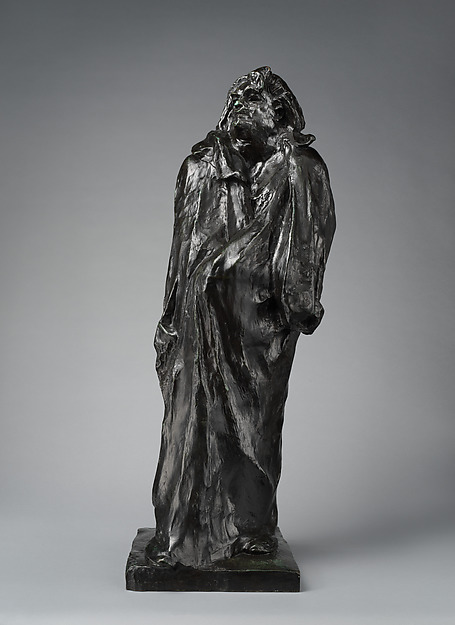
    The scandal over “Balzac”

    The monument's showing in 1898 caused a storm: the Société des Gens de Lettres rejected it, the press ran parodies, and Monet, Debussy and the future premier Clemenceau signed a manifesto in Rodin's defence. Rodin repaid the commission and moved the statue to his garden; he never completed another public commission.

  • Auguste Rodin, retratoAuguste RodinFrança, 1840–1917

    Será possível contemplá-la?

    Sim, recebe visitas

    Museu Vitória e Alberto

    Londres, Reino Unido

    SalaSculpture, Room 21, The Dorothy and Michael Hintze Galleries

    Exposta ao público. Quem o garante vem indicado abaixo.

    Verificado
    há 13 dias
    Neste estado desde
    25 de set. de 2026
    Fonte
    O museu
    No mapaPágina do museu

    No catálogo

    EsculturaBronzeImpressionismoSéculo XIXFrança

    Fontes

    • Museu Vitória e Alberto
    • Imagem: Museu Vitória e Alberto — © Victoria and Albert Museum, London
    Adam, Auguste Rodin, modeled 1880 or 1881, cast 1910

    Adam

    modeled 1880 or 1881, cast 1910 · Museu Metropolitano de Arte

    Honoré de Balzac, Auguste Rodin, 1891

    Honoré de Balzac

    1891 · Museu Metropolitano de Arte

    Final Study for the Monument to Balzac, Auguste Rodin, modeled 1897, cast 1972

    Final Study for the Monument to Balzac

    modeled 1897, cast 1972 · Museu Metropolitano de Arte

    The Burghers of Calais, Auguste Rodin, modeled 1884–95, cast 1985

    The Burghers of Calais

    modeled 1884–95, cast 1985 · Museu Metropolitano de Arte

    Torso, Auguste Rodin, modeled ca. 1877–78, cast 1979

    Torso

    modeled ca. 1877–78, cast 1979 · Museu Metropolitano de Arte

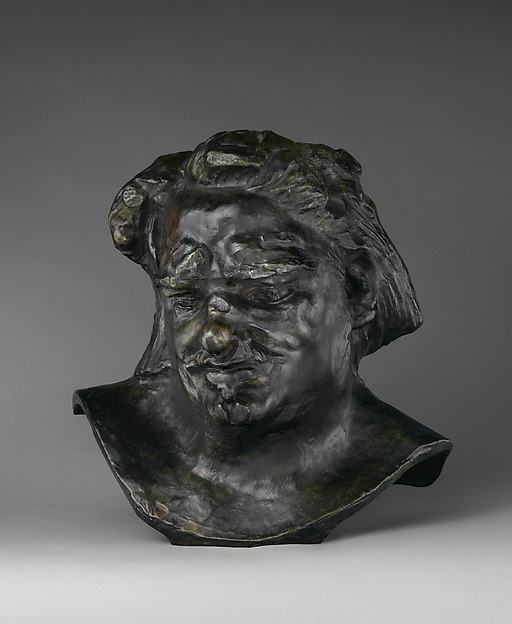
    Head of Balzac, Auguste Rodin, modeled ca. 1892–93, cast 1980

    Head of Balzac

    modeled ca. 1892–93, cast 1980 · Museu Metropolitano de Arte

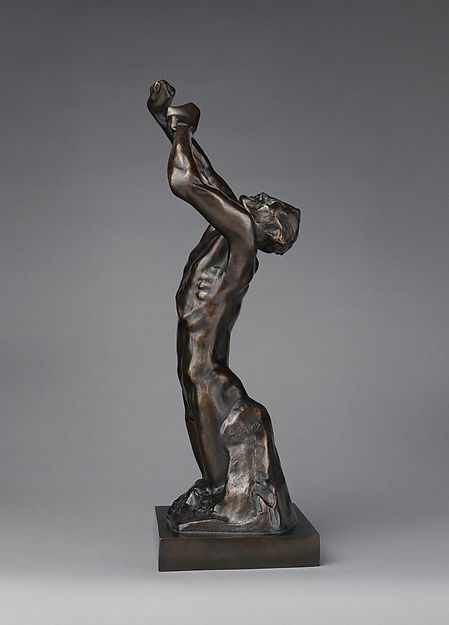
    Despairing Adolescent, Auguste Rodin, modeled 1882, cast 1980

    Despairing Adolescent

    modeled 1882, cast 1980 · Museu Metropolitano de Arte

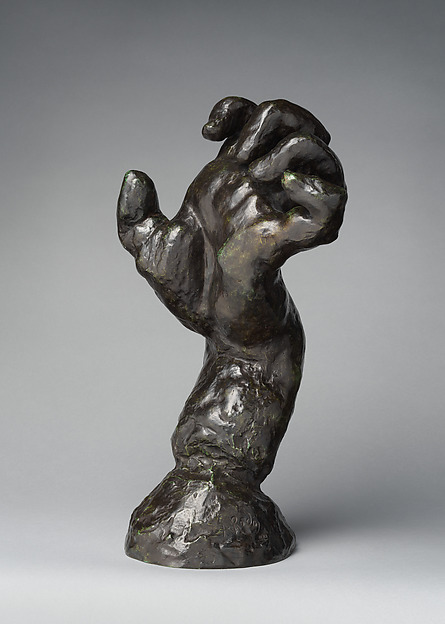
    The Clenched Left Hand (Study for Hand of Pierre de Wiessant), Auguste Rodin, modeled ca. 1885, cast 1974

    The Clenched Left Hand (Study for Hand of Pierre de Wiessant)

    modeled ca. 1885, cast 1974 · Museu Metropolitano de Arte

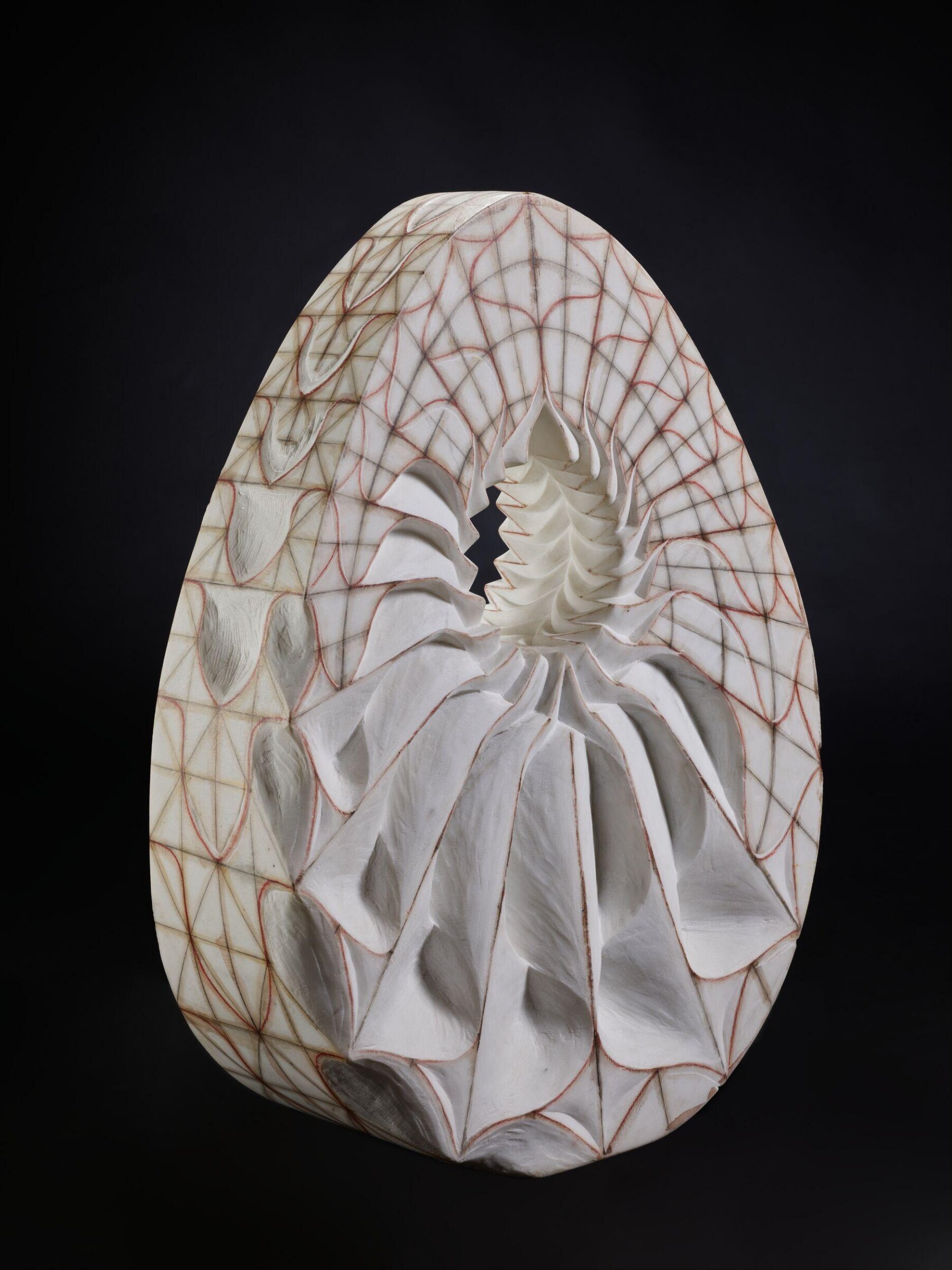
    Bow Wave, Halima Cassell, MBE, FRSS, 2012

    Halima Cassell, MBE, FRSS

    Bow Wave, 2012

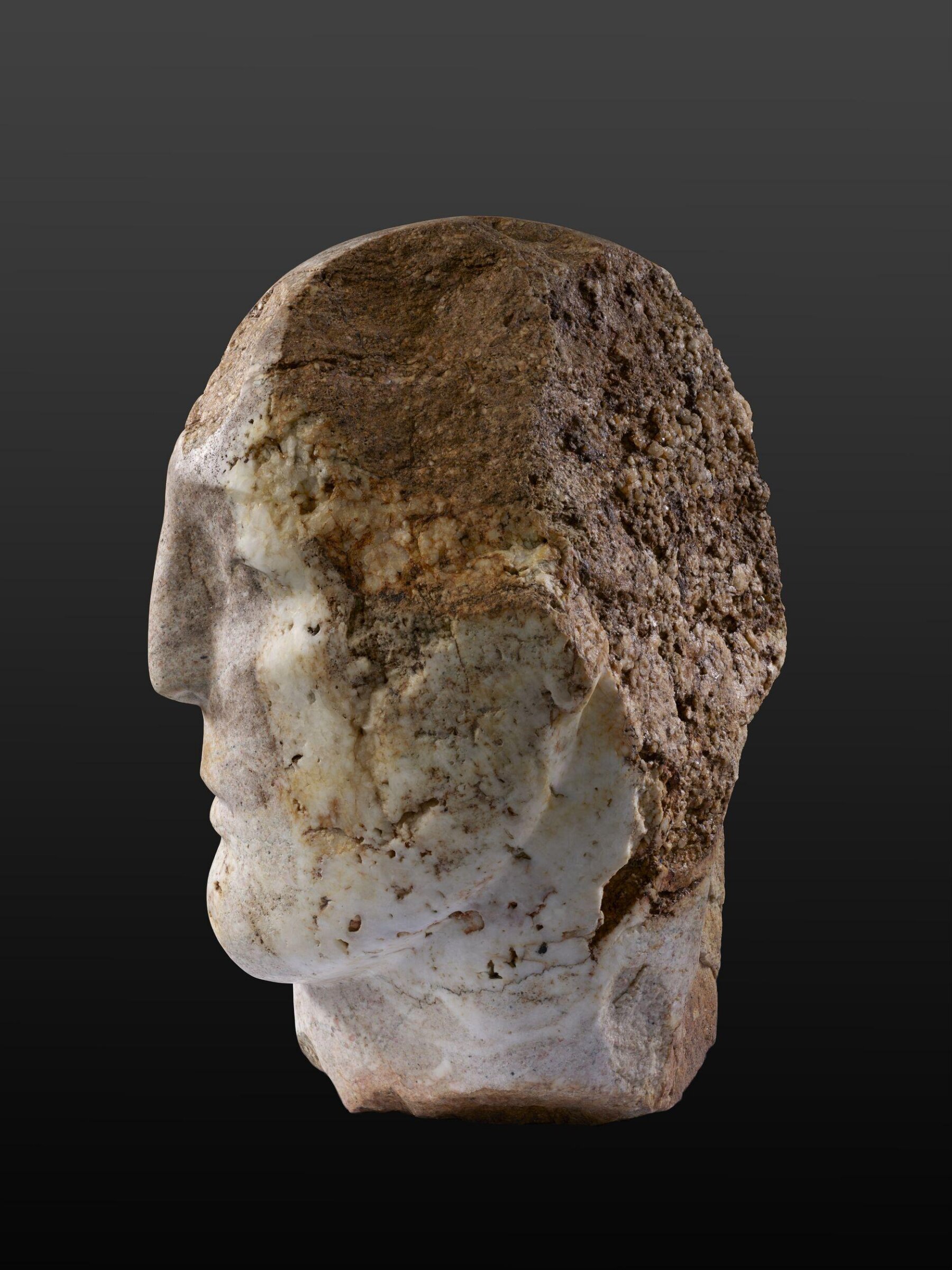
    Warrior Poet, Emily Young, 2011

    Emily Young

    Warrior Poet, 2011

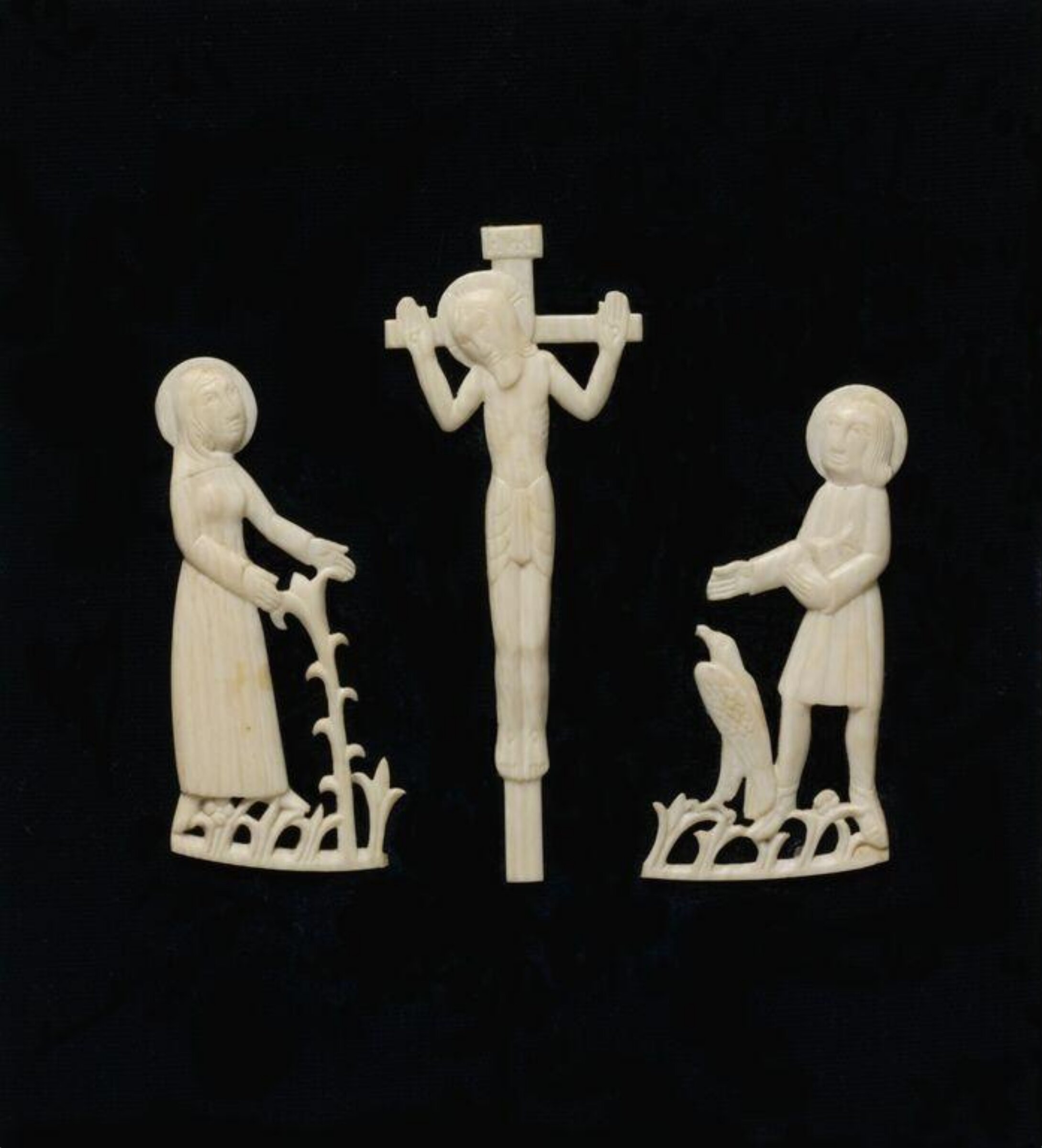
    Crucifixion, Dunstan Pruden, ca. 1935 - ca. 1940

    Dunstan Pruden

    Crucifixion, ca. 1935 - ca. 1940

    Mindslave: The Mind in Abject Subordination to the Intellect, Leon Underwood, 1934

    Leon Underwood

    Mindslave: The Mind in Abject Subordination to the Intellect, 1934

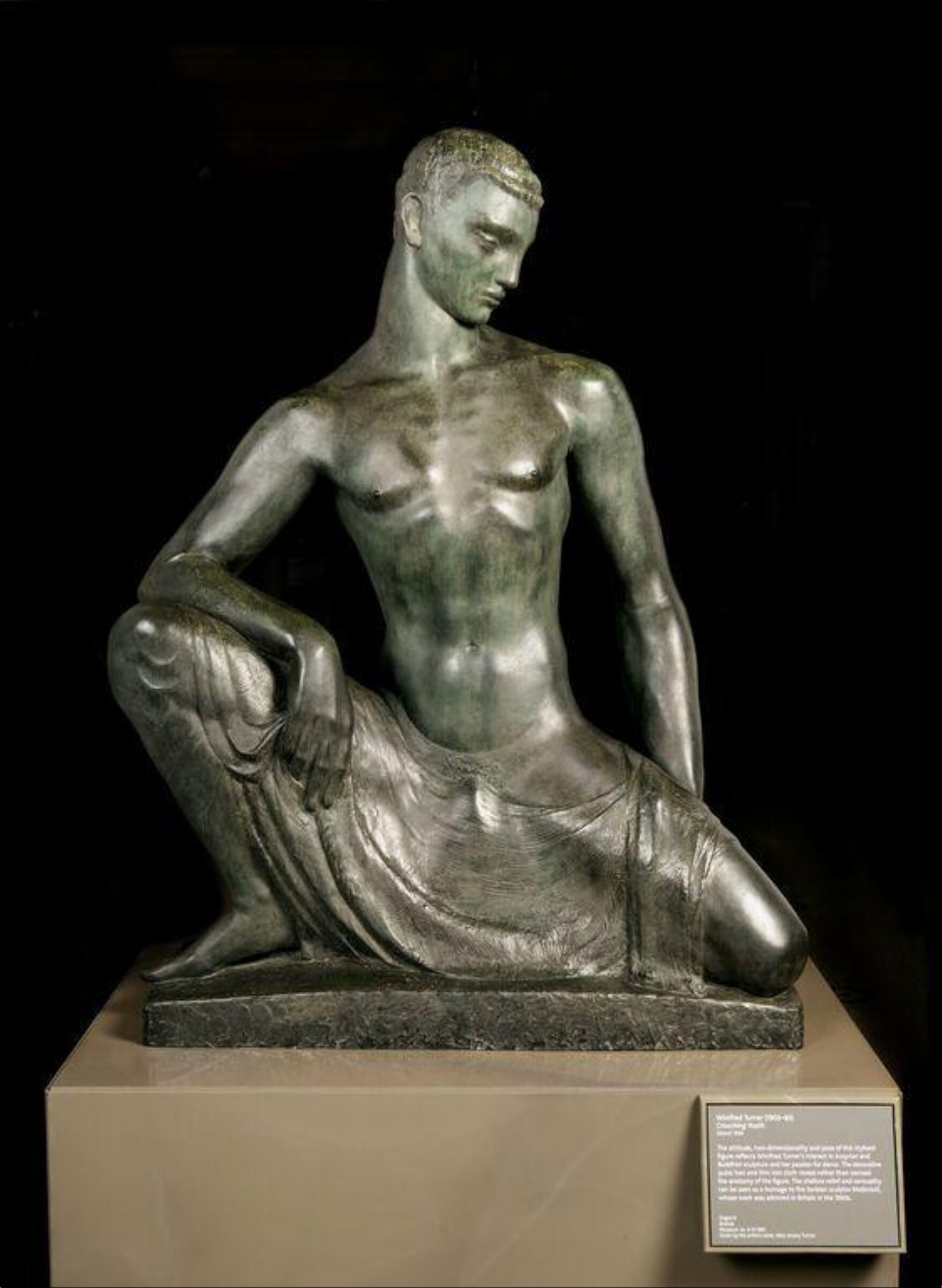
    Crouching Youth, Winifred Turner, ca. 1934

    Winifred Turner

    Crouching Youth, ca. 1934

    Male and female nude figures, Maurice Lambert, ca. 1930 - ca. 1932

    Maurice Lambert

    Male and female nude figures, ca. 1930 - ca. 1932

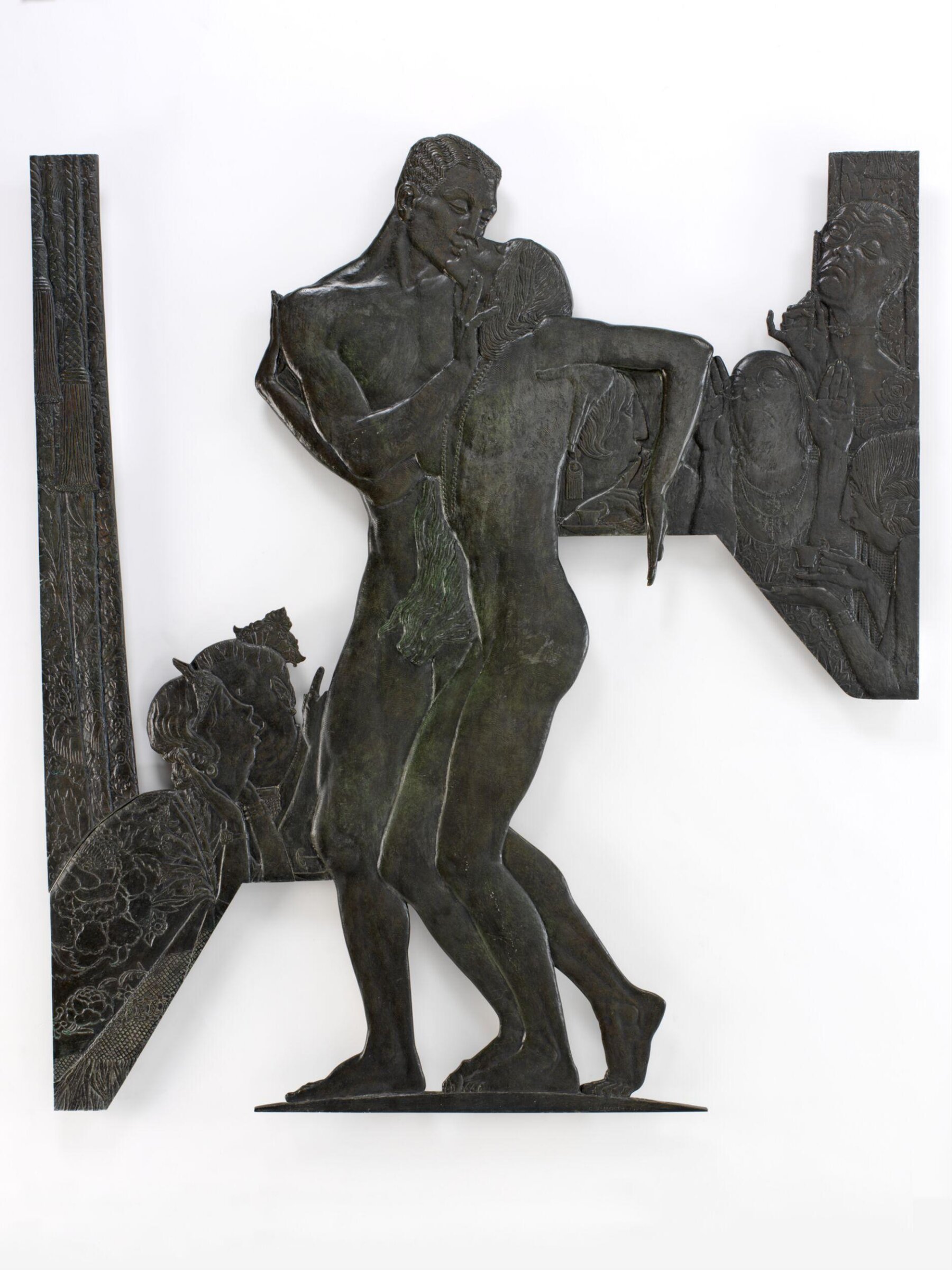
    Scandal, Charles Sargeant Jagger, 1930

    Charles Sargeant Jagger

    Scandal, 1930

    Tahitian woman, Robert Gibbings, ca. 1929 - ca. 1931

    Robert Gibbings

    Tahitian woman, ca. 1929 - ca. 1931