ART WIKI32 963 em exposição
MapaColeçãoArtistasMuseusExposiçõesRevista
Entrar

ART WIKI

Onde está a obra-prima, e a que horas se abre a porta.

Coleções: Art Institute of Chicago, Galeria Nacional de Arte, Galeria Tretiakov, Getty Villa, Harvard Art Museums, Hermitage, Hirshhorn Museum and Sculpture Garden, Instituto de Artes de Minneapolis, Museu de Arte de Cleveland, Museu de Arte Moderna, Museu do Louvre, Museu Estatal de Amesterdão, Museu J. Paul Getty, Museu Metropolitano de Arte, Museu Nacional de Arte da Dinamarca, Museu Pushkin, Museu Russo, Museu Smithsoniano de Arte Americana, Museu Vitória e Alberto, Museu Whitney de Arte Americana, National Museum of Asian Art, National Portrait Gallery, Catálogo Estatal do Fundo Museológico da Rússia (274 museus), Europeana (19 museus), Wikidata (6 museus), Paris Musées (12 museus) e Joconde, a base de museus do Ministério da Cultura de França (495 museus). As imagens pertencem aos titulares dos direitos.

Secções

  • Mapa
  • Pesquisa
  • Coleção
  • Obras-primas
  • Em exposição agora
  • Artistas

Mais

  • Museus e galerias
  • Exposições
  • Revista
  • De onde vêm os dados
  • Privacidade e cookies
InícioMapaCatálogo
  1. Coleção/
  2. Instituto de Artes de Minneapolis/
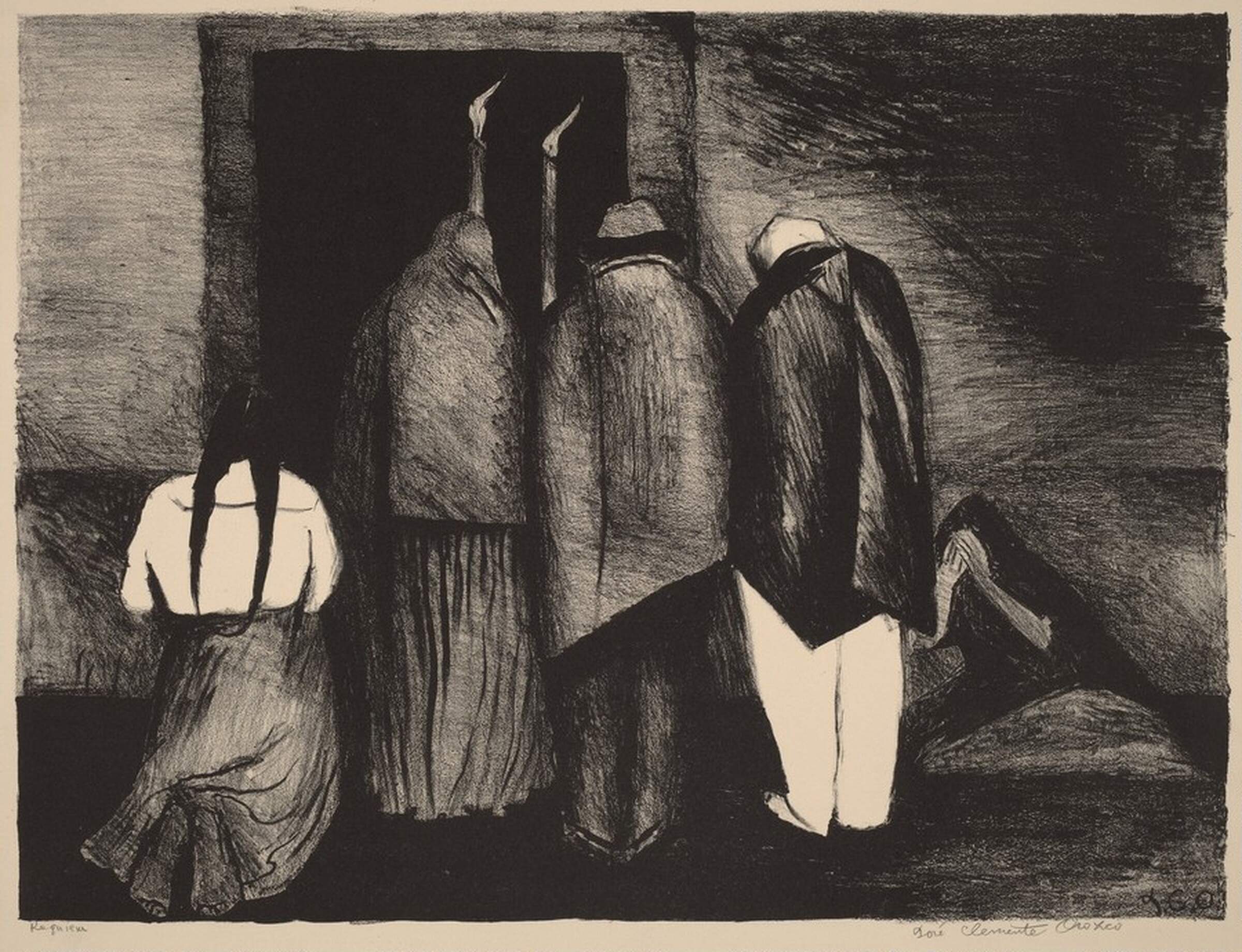
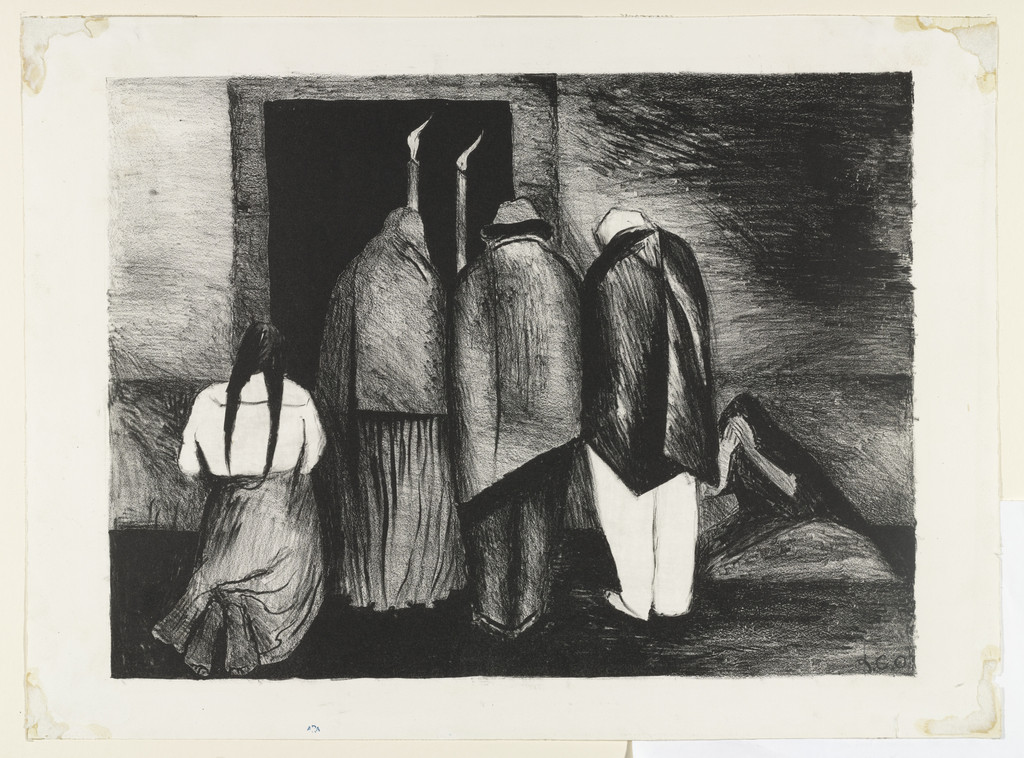
  3. El requiem
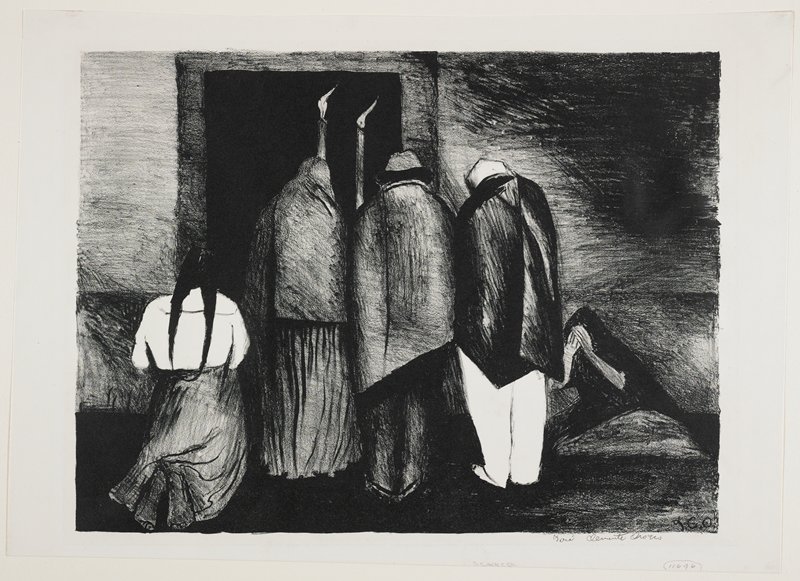
El requiem, José Clemente Orozco, 1928
José Clemente Orozco, retratoJosé Clemente OrozcoMéxico, 1883–1949

El requiem

1928 · Print · 30.16 × 40.32 cm

Será possível contemplá-la?

De momento, não recebe

Instituto de Artes de Minneapolis

Minneapolis, Estados Unidos

Pertence à coleção, mas de momento não está exposta.

Verificado
há 3 dias
Neste estado desde
25 de set. de 2026
Fonte
O museu
No mapaPágina do museu

Sobre a obra

José Clemente Orozco was one of the greats of Mexican muralism. This series of lithographs, printed in the late 1920s, is based on a set of drawings that Orozco was commissioned to make in 1926 as illustrations for a book about the Mexican Revolution, to be published in the United States. The brutality of Orozco’s compositions shows his dark and tragic vision of the revolution, which led to the series becoming known as “Horrores de la Revolución (Horrors of the Revolution).” The artist selected four of the less violent drawings to be printed as lithographs. Orozco’s Mexico is not a triumphant, unified nation after the revolution; rather, it is a land of people struggling to survive in the shadow of violence and oppression.

Instituto de Artes de Minneapolis

Pormenores

1928 · aos 45 anos
18831949
Número de inventário
P.11, 646

No catálogo

GravurasLitografiaModernismoSéculo XXMéxico

Fontes

  • Instituto de Artes de Minneapolis
  • Imagem: Instituto de Artes de Minneapolis — © Minneapolis Institute of Art

Entretanto, na vida de José Clemente Orozco

A vida inteira
  1. 1926

    Back at the school: repainting what was destroyed

    His early panels caused serious political conflict and made Orozco stop work, as Siqueiros did; in 1926, under a new wave of social change, he returns to the school and finishes what he had begun. Some of the murals had been destroyed by Orozco himself and others vandalised by conservative students, so he had to repaint many of them.

  2. 1927–1934

    The United States: “artist in residence” at colleges

    In 1927–1934 Orozco again lives in the United States, working at colleges as an “artist in residence”: the master lives on the school’s campus while painting a mural and involves students in his work.

  3. 1930

    Edward Weston photographs Orozco

    In 1930 Edward Weston makes a portrait of Orozco, which was the artist’s own favourite; Weston considered it one of his finest portraits.

Mais obras de José Clemente Orozco

Todas as obras
Zapata, José Clemente Orozco, 1930

Zapata

1930 · Art Institute of Chicago

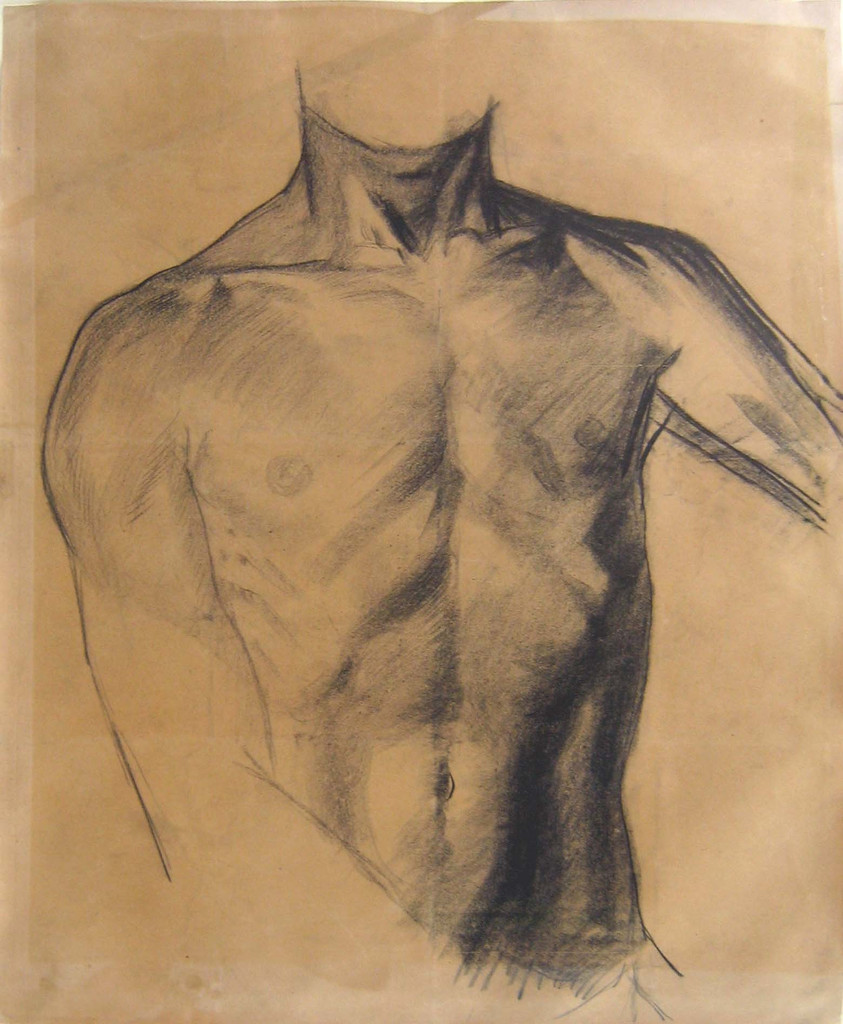
Male Torso, José Clemente Orozco, (1923)

Male Torso

(1923) · Não exposta · Museu de Arte Moderna

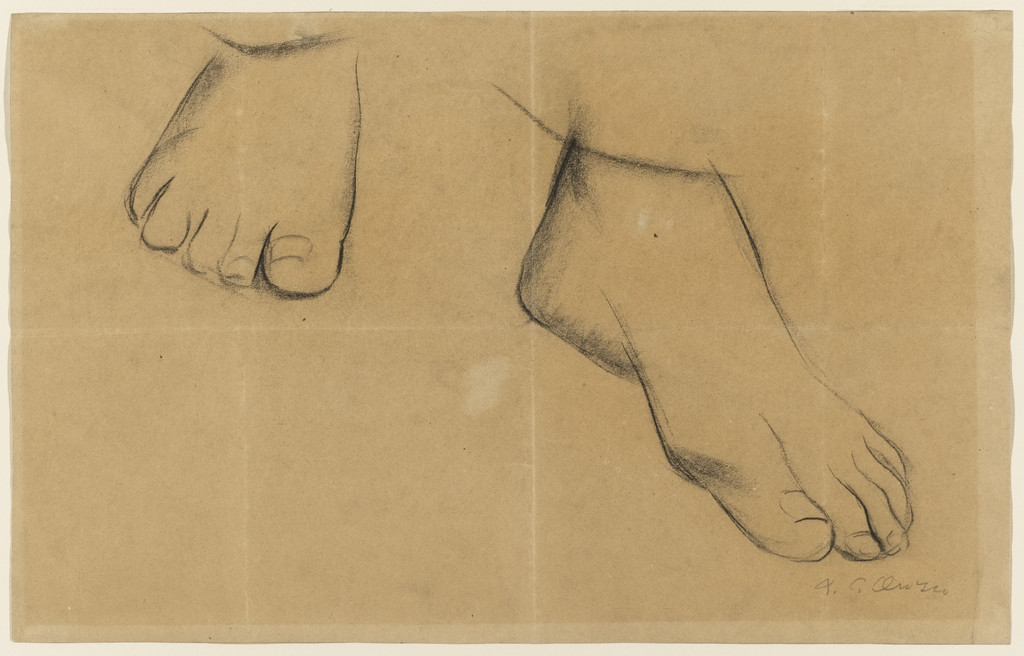
Feet (no. 2), José Clemente Orozco, (1923)

Feet (no. 2)

(1923) · Não exposta · Museu de Arte Moderna

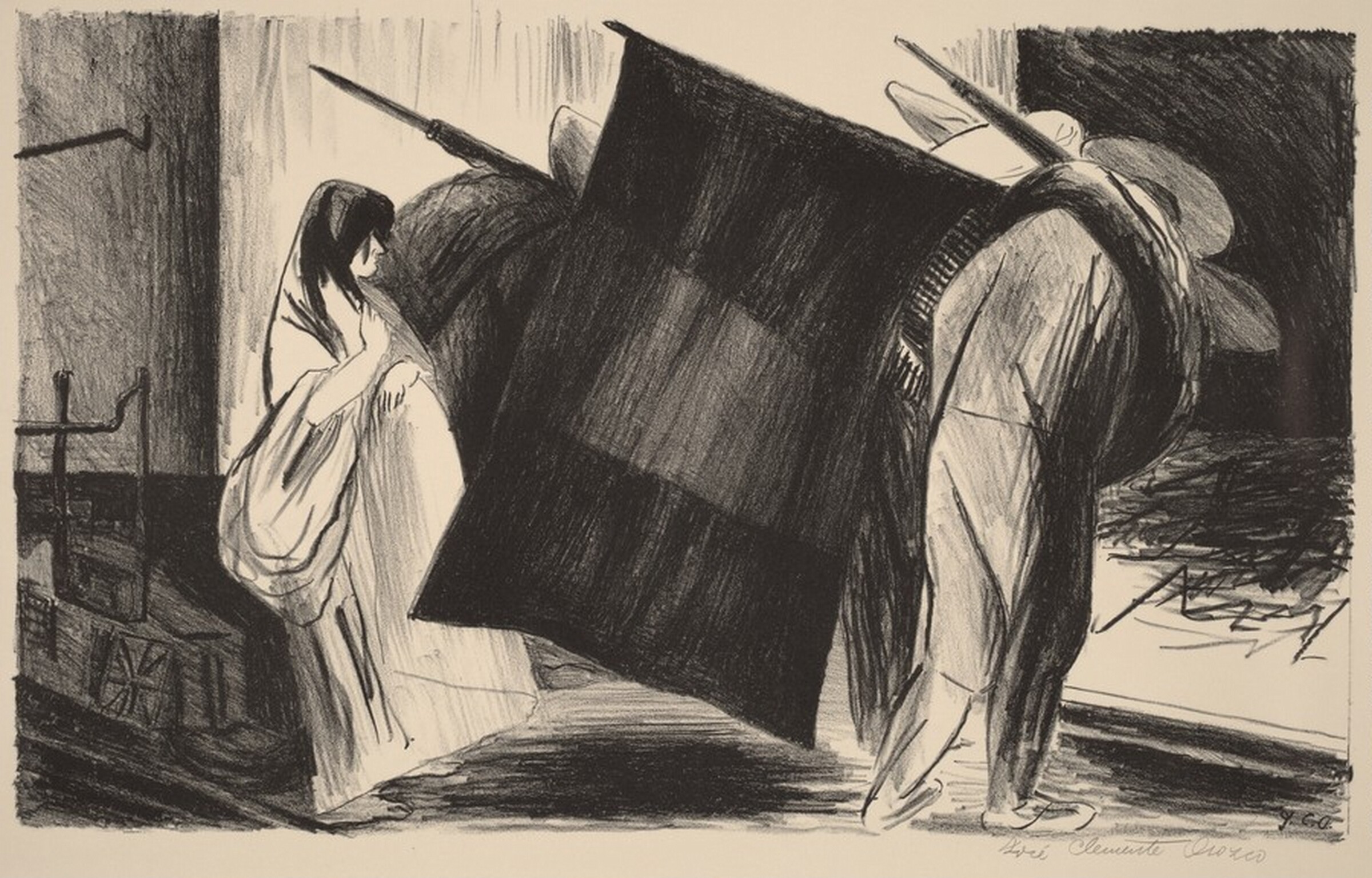
Flag (Bandera), José Clemente Orozco, 1928

Flag (Bandera)

1928 · Não exposta · Galeria Nacional de Arte

Requiem, José Clemente Orozco, 1928

Requiem

1928 · Não exposta · Galeria Nacional de Arte

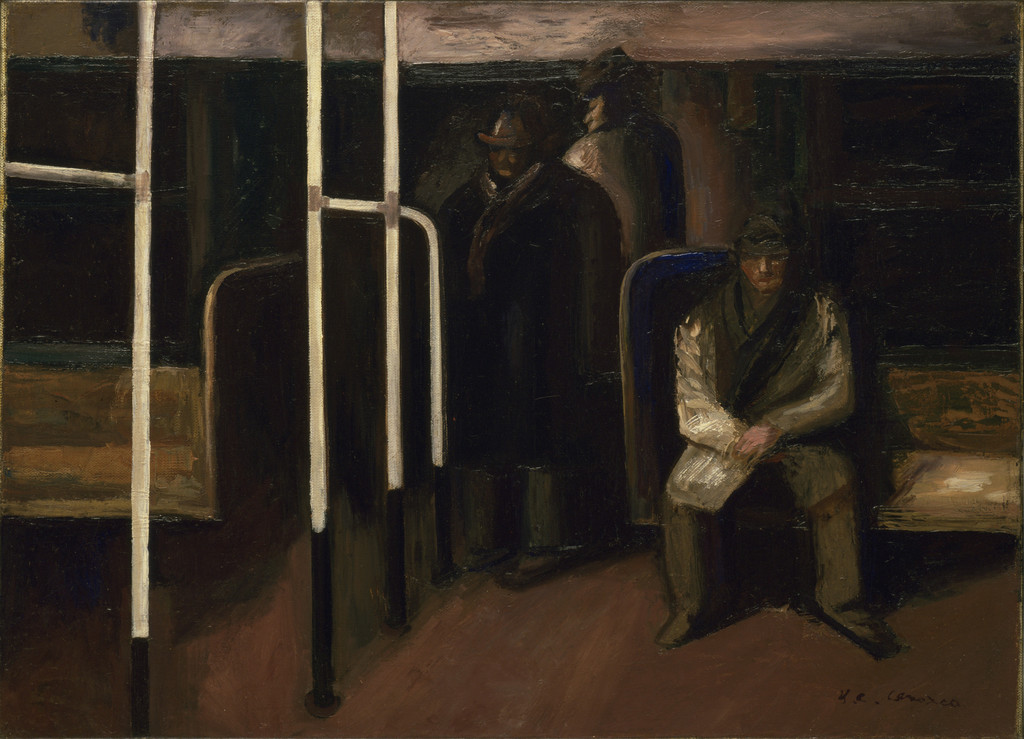
The Subway, José Clemente Orozco, 1928

The Subway

1928 · Não exposta · Museu de Arte Moderna

The Requiem (El Requiem), José Clemente Orozco, 1928

The Requiem (El Requiem)

1928 · Não exposta · Museu de Arte Moderna

The Flag (La Bandera), José Clemente Orozco, 1928

The Flag (La Bandera)

1928 · Não exposta · Museu de Arte Moderna

Vizinhas de sala: Instituto de Artes de Minneapolis

Página do museu
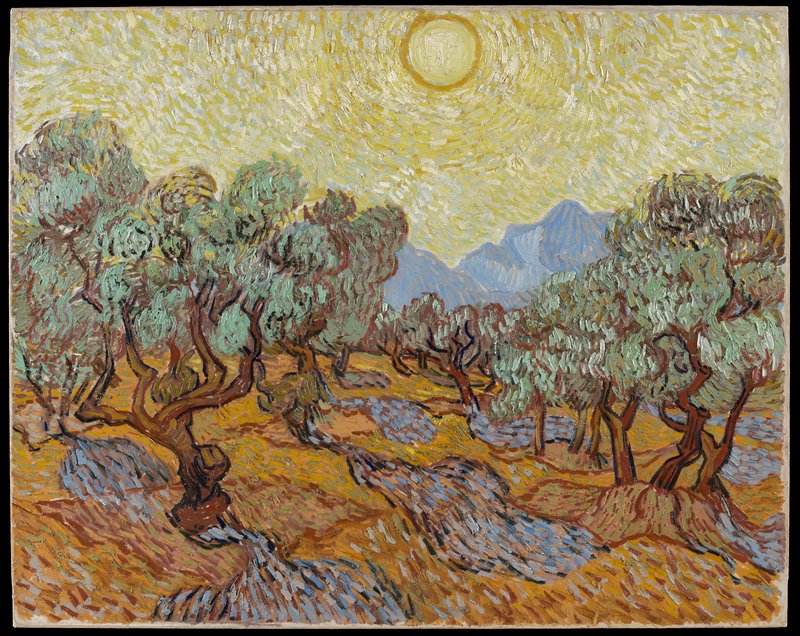
Olive Trees, Vincent van Gogh, 1889

Vincent van Gogh

Olive Trees, 1889

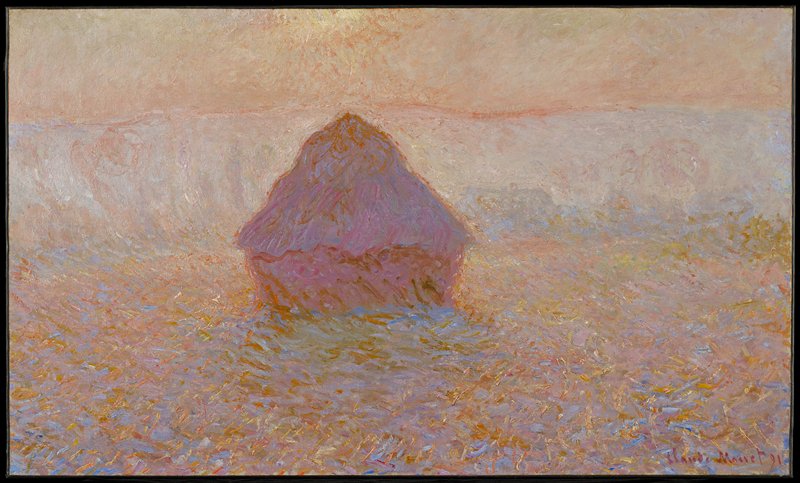
Grainstack, Sun in the Mist, Claude Monet, 1891

Claude Monet

Grainstack, Sun in the Mist, 1891

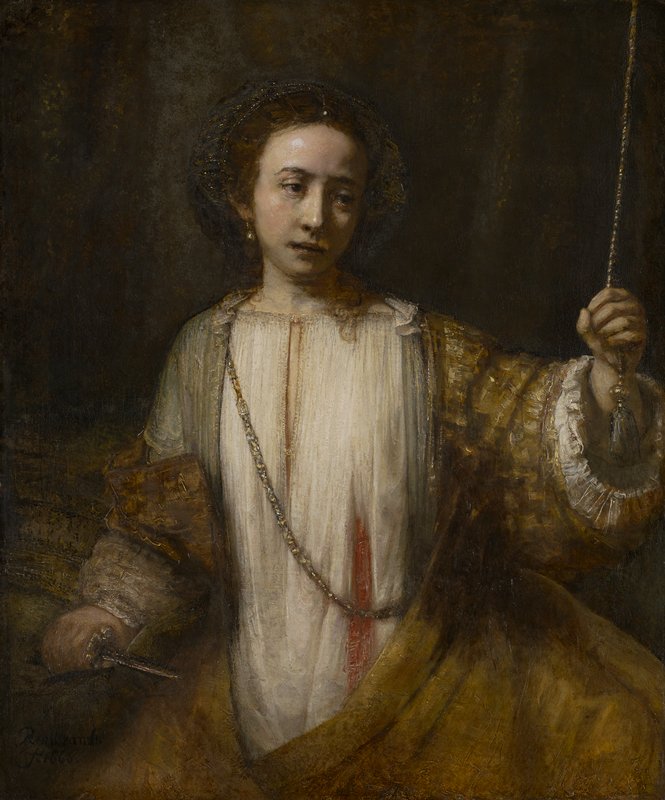
Lucretia, Rembrandt van Rijn, 1666

Rembrandt van Rijn

Lucretia, 1666

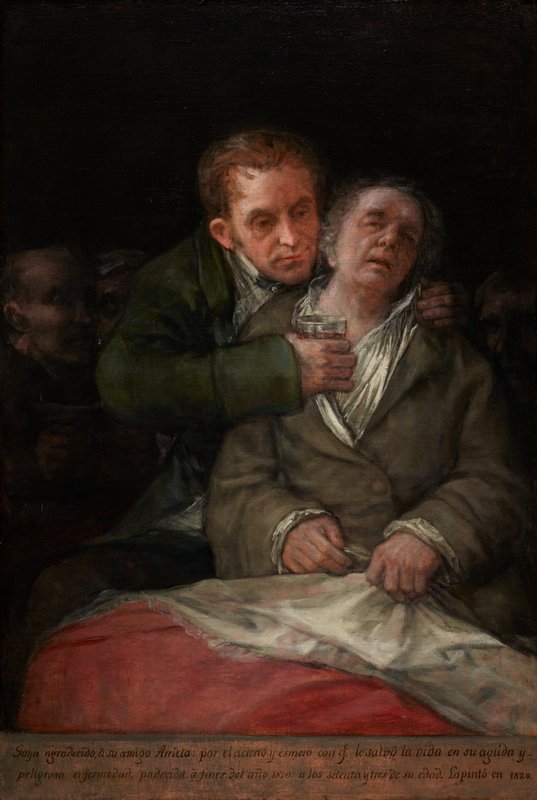
Self-Portrait with Dr. Arrieta, Francisco José de Goya y Lucientes, 1820

Francisco de Goya

Self-Portrait with Dr. Arrieta, 1820

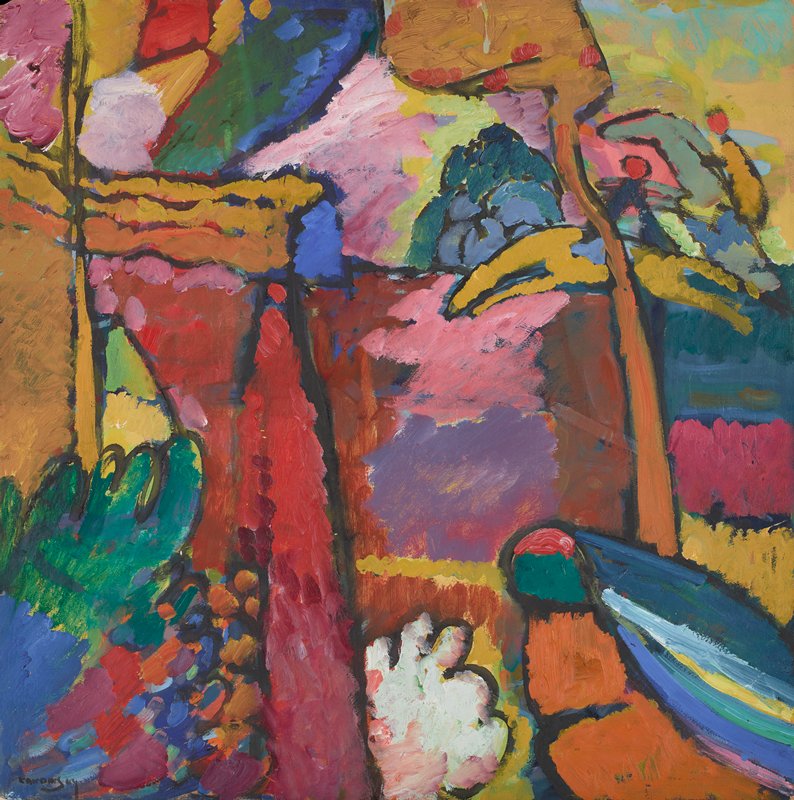
Study for Improvisation V, Vassily Kandinsky, 1910

Vasily Kandinsky

Study for Improvisation V, 1910

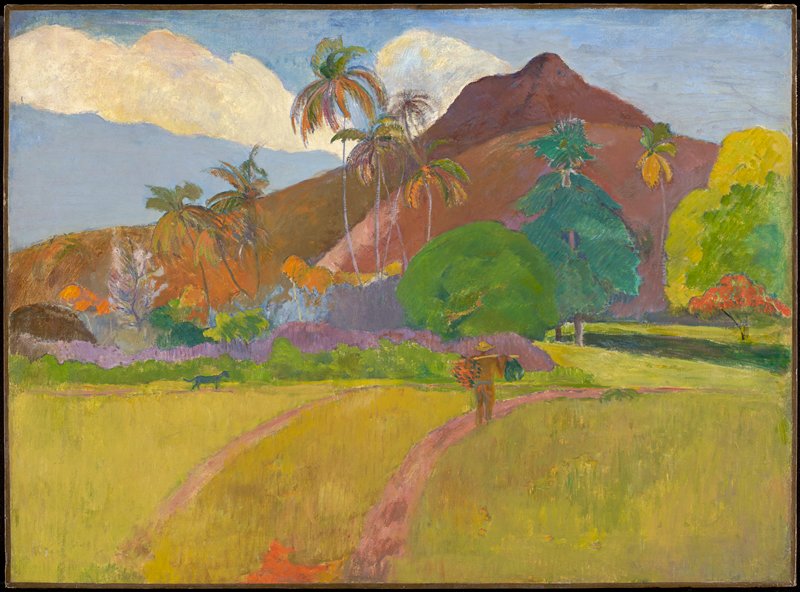
Tahitian Landscape, Paul Gauguin, 1891

Paul Gauguin

Tahitian Landscape, 1891

Chestnut Trees at Jas de Bouffan, Paul Cézanne, c. 1885–86

Paul Cézanne

Chestnut Trees at Jas de Bouffan, c. 1885–86

The Union of England and Scotland (Charles I as the Prince of Wales), Peter Paul Rubens, 1633–34

Peter Paul Rubens

The Union of England and Scotland (Charles I as the Prince of Wales), 1633–34