ART WIKI33 040 em exposição
MapaColeçãoArtistasMuseusExposiçõesRevista
Entrar

ART WIKI

Onde está a obra-prima, e a que horas se abre a porta.

Coleções: Art Institute of Chicago, Galeria Nacional de Arte, Galeria Tretiakov, Getty Villa, Harvard Art Museums, Hermitage, Hirshhorn Museum and Sculpture Garden, Instituto de Artes de Minneapolis, Museu de Arte de Cleveland, Museu de Arte Moderna, Museu do Louvre, Museu Estatal de Amesterdão, Museu J. Paul Getty, Museu Metropolitano de Arte, Museu Nacional de Arte da Dinamarca, Museu Pushkin, Museu Russo, Museu Smithsoniano de Arte Americana, Museu Vitória e Alberto, Museu Whitney de Arte Americana, National Museum of Asian Art, National Portrait Gallery, Catálogo Estatal do Fundo Museológico da Rússia (274 museus), Europeana (19 museus), Wikidata (6 museus), Paris Musées (12 museus) e Joconde, a base de museus do Ministério da Cultura de França (495 museus). As imagens pertencem aos titulares dos direitos.

Secções

  • Mapa
  • Pesquisa
  • Coleção
  • Obras-primas
  • Em exposição agora
  • Artistas

Mais

  • Museus e galerias
  • Exposições
  • Revista
  • De onde vêm os dados
  • Privacidade e cookies
InícioMapaCatálogo
  1. Coleção/
  2. Österreichische Galerie Belvedere/
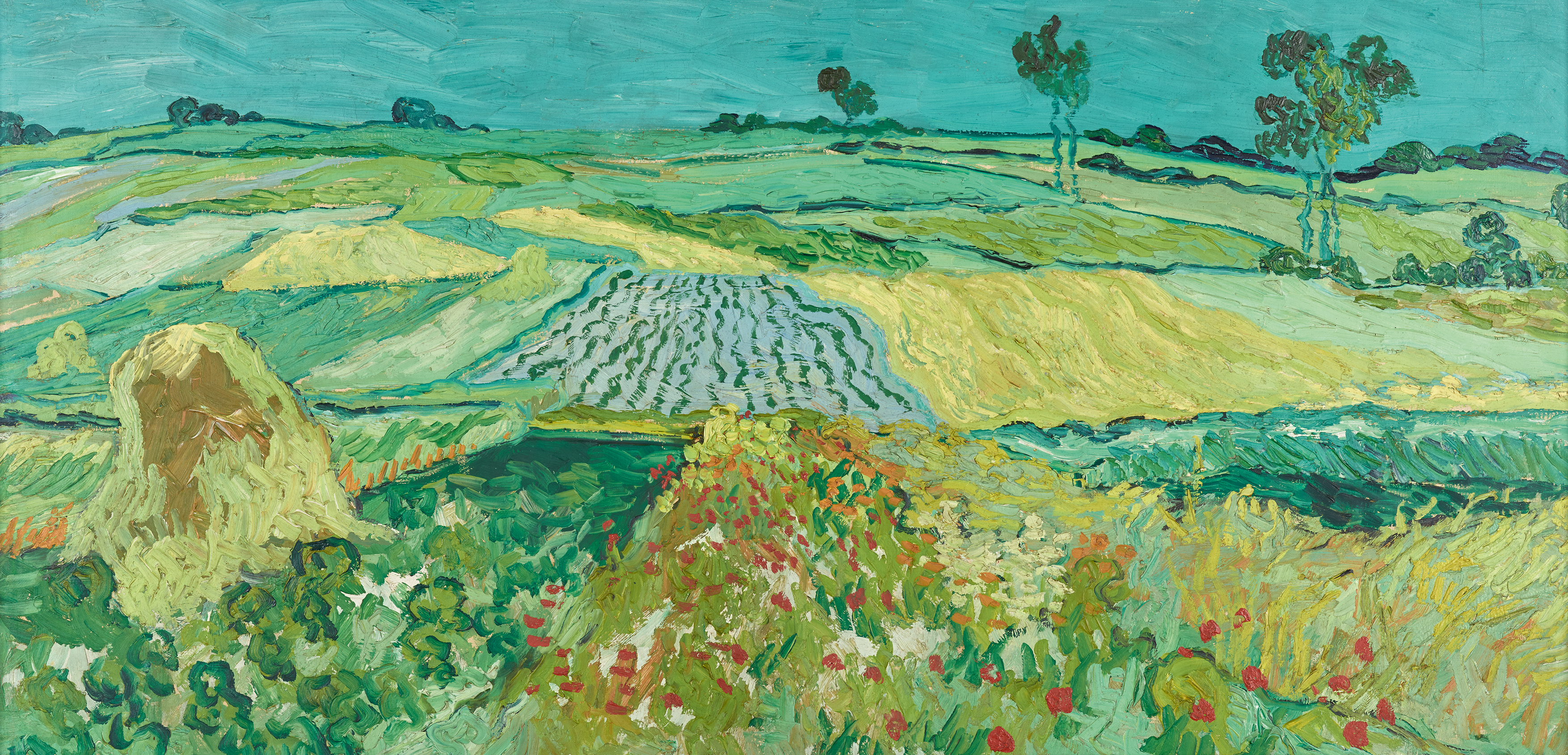
  3. Die Ebene von Auvers
Die Ebene von Auvers, Vincent van Gogh, 1890
Vincent van Gogh, retratoVincent van GoghPaíses Baixos, 1853–1890

Die Ebene von Auvers

1890 · Painting

Será possível contemplá-la?

Desconhecido

Österreichische Galerie Belvedere

Viena, Áustria

O proprietário é conhecido; não se sabe se hoje está exposta.

Neste estado desde
27 de set. de 2026
Fonte
O museu
No mapaPágina do museu

Sobre a pintura

Nas palavras do museu — em alemão

Ein blaugrüner Himmel wie nach einem Regen senkt sich als schmaler Streifen über die Ebene von Auvers. Die Landschaft scheint die Farbe regelrecht aufzusaugen. Leuchten im Vordergrund noch einzelne Blumen in Rot und Orange, so verschmelzen die Töne in Richtung Horizont immer stärker miteinander. Die Tiefenflucht und der hohe Horizont fangen die enorme Weite der Gegend ein, ungestüme Pinselstriche formen ihre Höhen und Senken. Van Gogh verbringt die letzten beiden Monate seines Lebens hier. Als ihm sein Bruder Theo lange erwartete Leinwände und Farben schickt, verfällt er einem regelrechten Schaffensrausch. Dutzende Bilder wie dieses entstehen. Der Maler stirbt bald nach dessen Vollendung.

Österreichische Galerie Belvedere

Pormenores

1890 · aos 37 anos
18531890

No catálogo

PinturasPintura neerlandesaImpressionismoSéculo XIX

Fontes

  • Österreichische Galerie Belvedere
  • Imagem: Österreichische Galerie Belvedere — CC BY-SA 4.0

Entretanto, na vida de Vincent van Gogh

A vida inteira
  1. 1888

    To Arles, dreaming of a “Studio of the South”

    The public still neither accepted nor bought his paintings, and in February 1888 Van Gogh left for Arles in the south of France to found a “Studio of the South”, a brotherhood of like-minded artists in which he gave Gauguin the leading role. Theo backed the plan with money.

  2. 23 October 1888

    Gauguin arrives in Arles

    After much pleading Gauguin arrived in Arles, and in November the two painted together: Gauguin portrayed Van Gogh in “The Painter of Sunflowers”, and their first joint outing was to the Alyscamps. At Gauguin's suggestion Vincent painted from memory, producing “Memory of the Garden at Etten”.

  3. 23 December 1888

    The severed ear

    After an altercation on the evening of 23 December, Van Gogh, seemingly hearing voices, severed his left ear, wholly or in part, with a razor and delivered it, wrapped in paper, to a woman at a brothel. Next morning a policeman found him unconscious; in hospital he was diagnosed with “acute mania with generalised delirium”.

  4. 1889

    Voluntarily into the Saint-Paul asylum

    Van Gogh left Arles and voluntarily entered the Saint-Paul-de-Mausole asylum, a former monastery in Saint-Rémy-de-Provence, accompanied by the Protestant clergyman Frédéric Salles. Of his two cells with barred windows one became a studio, and the clinic and its garden became the main subjects of his paintings.

  5. 27 July 1890

    A fatal wound: a revolver shot

    Out painting, Van Gogh shot himself in the chest with a revolver he had bought to scare off birds while working outdoors; the bullet passed below his heart, and he made his own way back to his room at the inn. Theo arrived the next day and stayed with him to the end; according to Theo, Vincent's last words were: “The sadness will last forever.”

  6. 29 de julho de 1890

    Died
Mais obras de Vincent van Gogh

Todas as obras
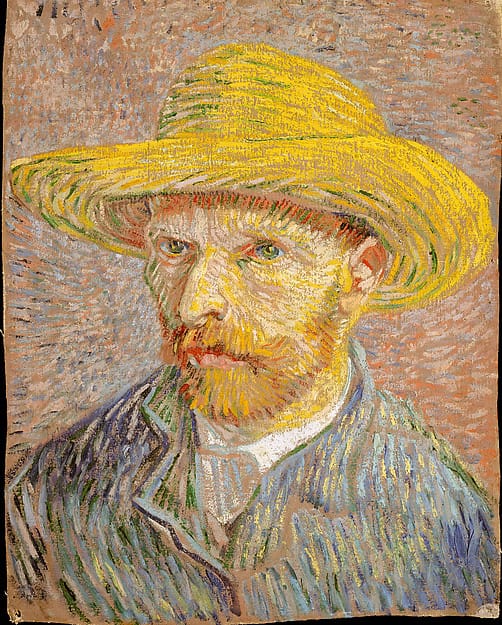
Self-Portrait with a Straw Hat (obverse: The Potato Peeler), Vincent van Gogh, 1887

Self-Portrait with a Straw Hat (obverse: The Potato Peeler)

1887 · Museu Metropolitano de Arte

Self-portrait, Vincent van Gogh, 1887

Self-portrait

1887 · Museu Estatal de Amesterdão

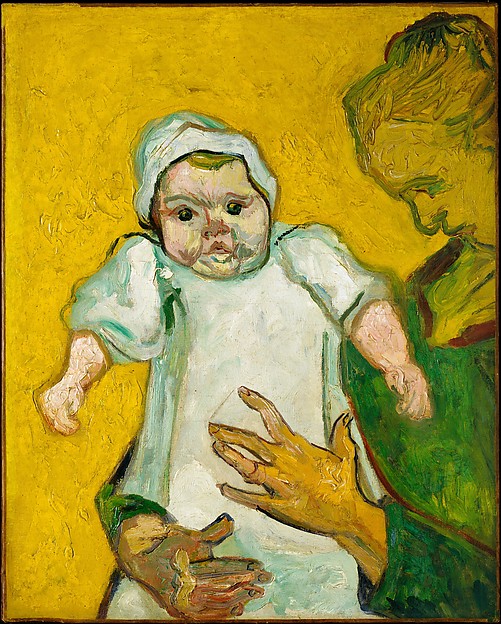
Madame Roulin and Her Baby, Vincent van Gogh, 1888

Madame Roulin and Her Baby

1888 · Museu Metropolitano de Arte

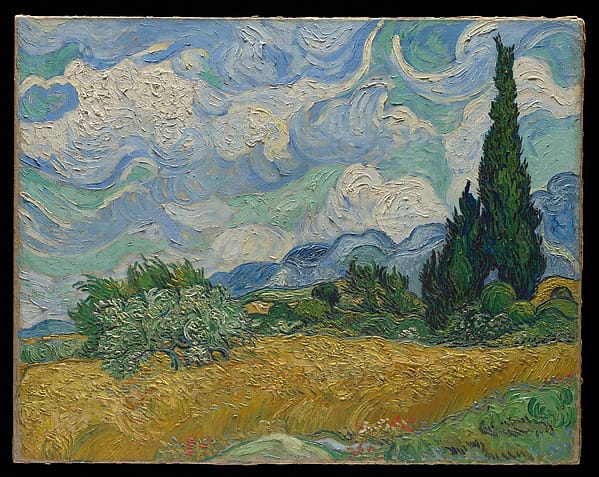
Wheat Field with Cypresses, Vincent van Gogh, 1889

Wheat Field with Cypresses

1889 · Museu Metropolitano de Arte

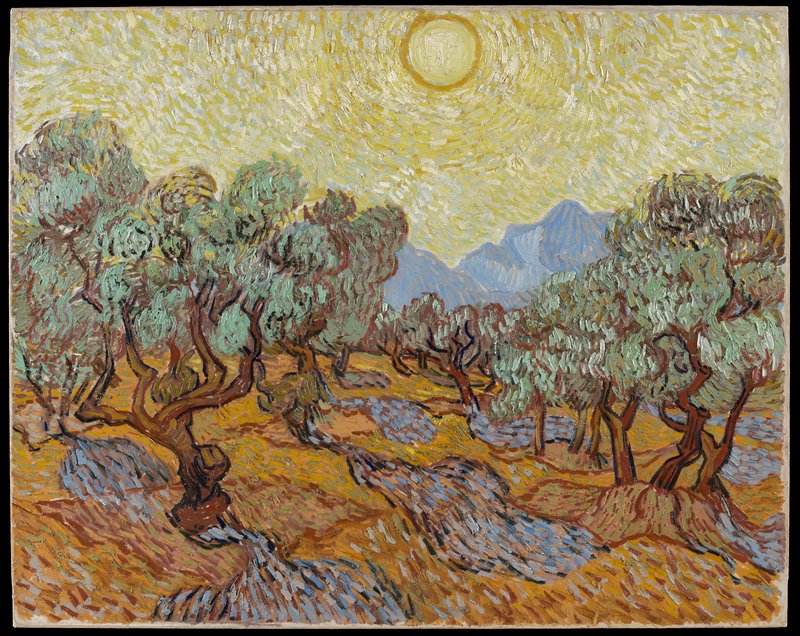
Olive Trees, Vincent van Gogh, 1889

Olive Trees

1889 · Instituto de Artes de Minneapolis

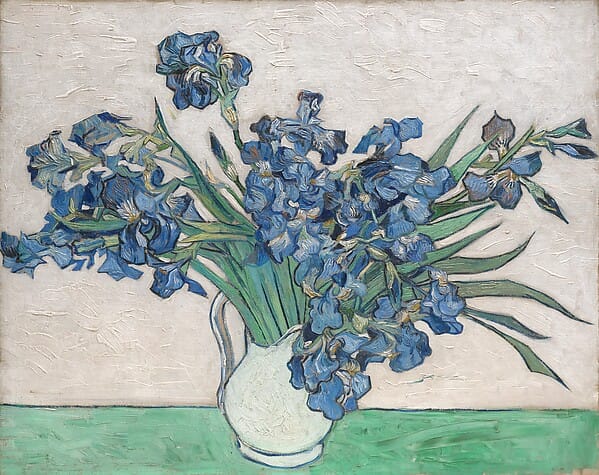
Irises, Vincent van Gogh, 1890

Irises

1890 · Museu Metropolitano de Arte

Het Singel bij de Lutherse Kerk te Amsterdam, Vincent van Gogh, 1885

Het Singel bij de Lutherse Kerk te Amsterdam

1885 · Museu Estatal de Amesterdão

The Potato Peeler (reverse: Self-Portrait with a Straw Hat), Vincent van Gogh, 1885

The Potato Peeler (reverse: Self-Portrait with a Straw Hat)

1885 · Museu Metropolitano de Arte

Da coleção: Österreichische Galerie Belvedere

Página do museu
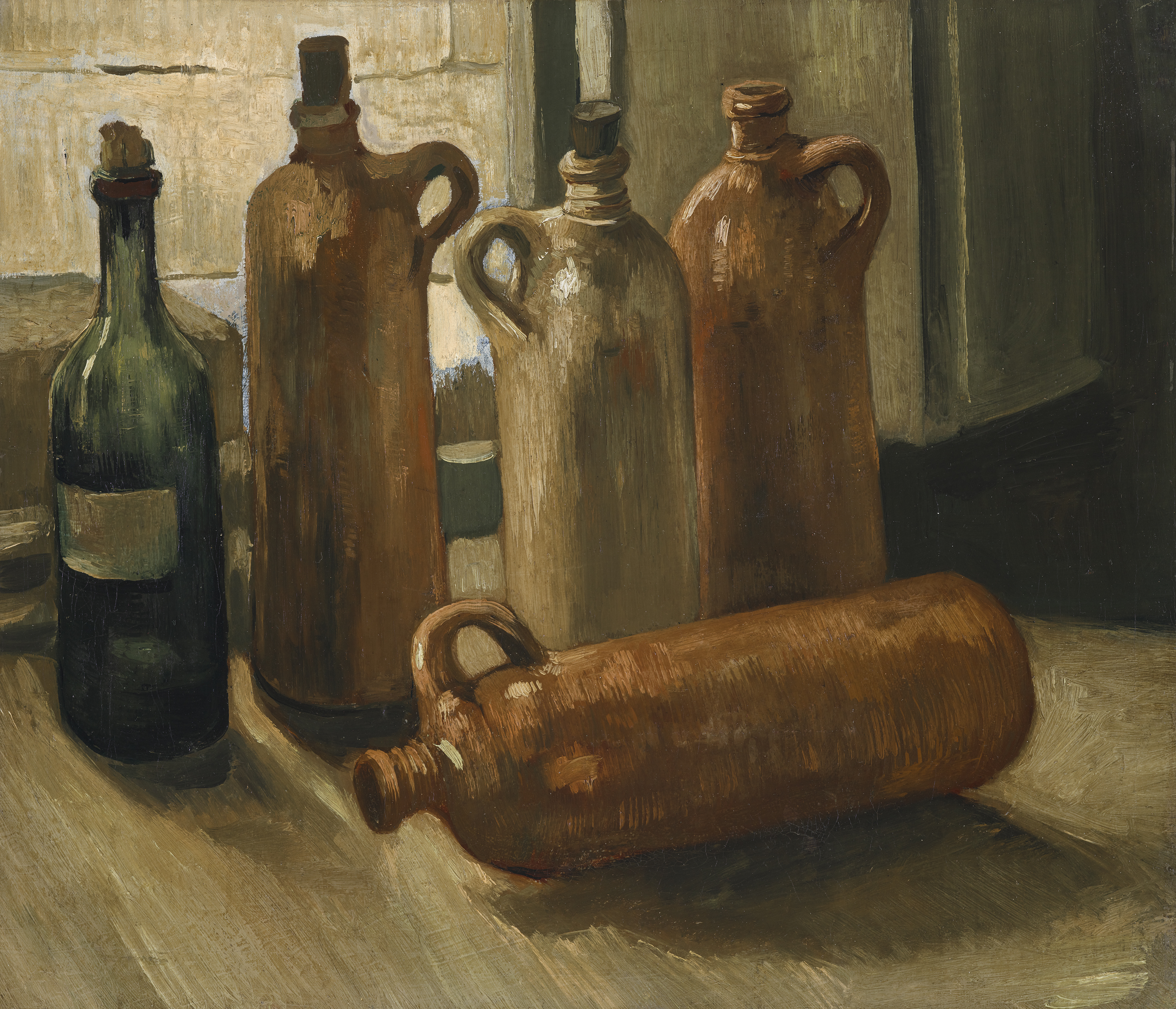
Stillleben mit fünf Flaschen, Vincent van Gogh, 1884

Vincent van Gogh

Stillleben mit fünf Flaschen, 1884

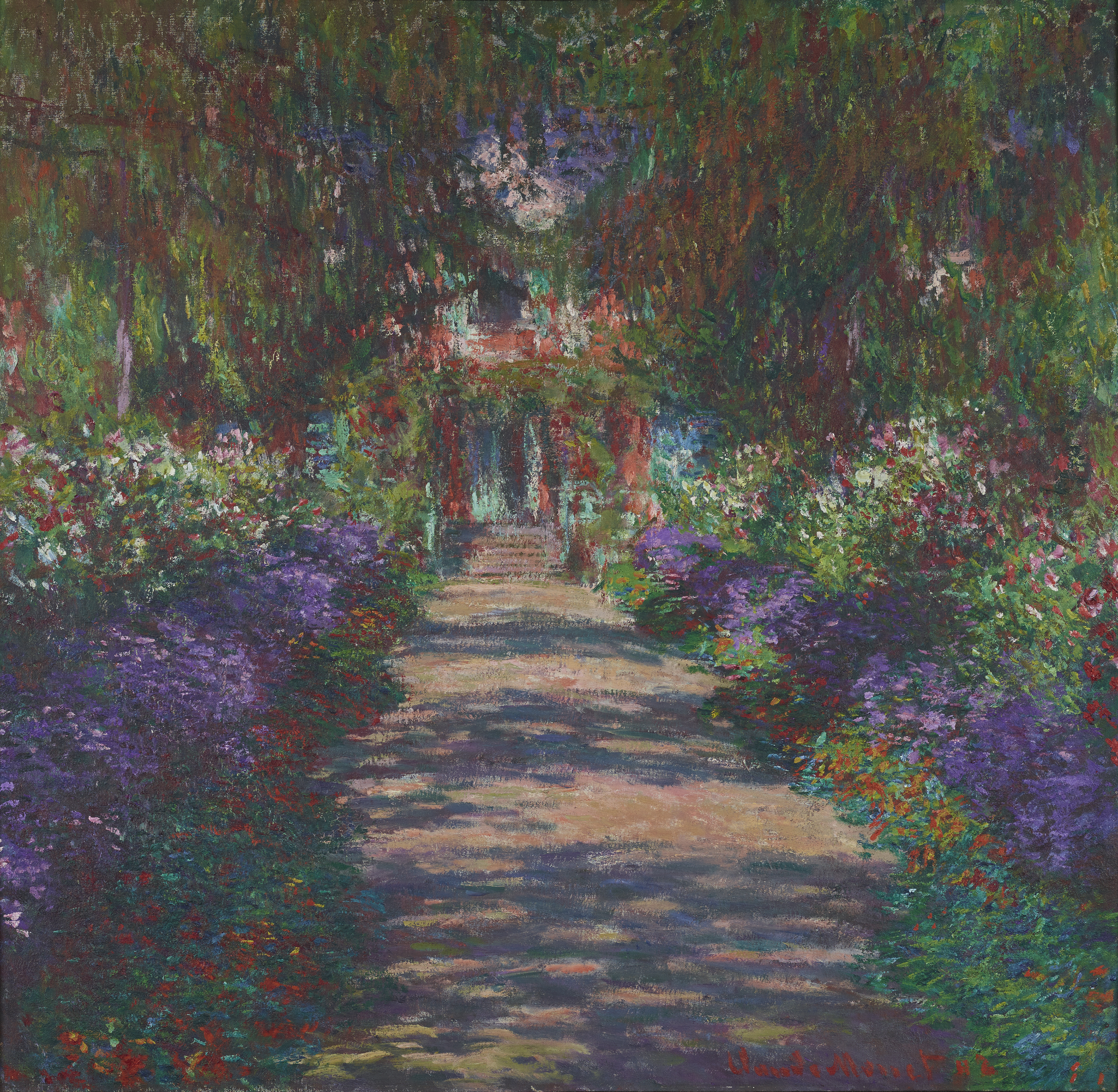
Eine Allee in Monets Garten in Giverny, Claude Monet, 1902

Claude Monet

Eine Allee in Monets Garten in Giverny, 1902

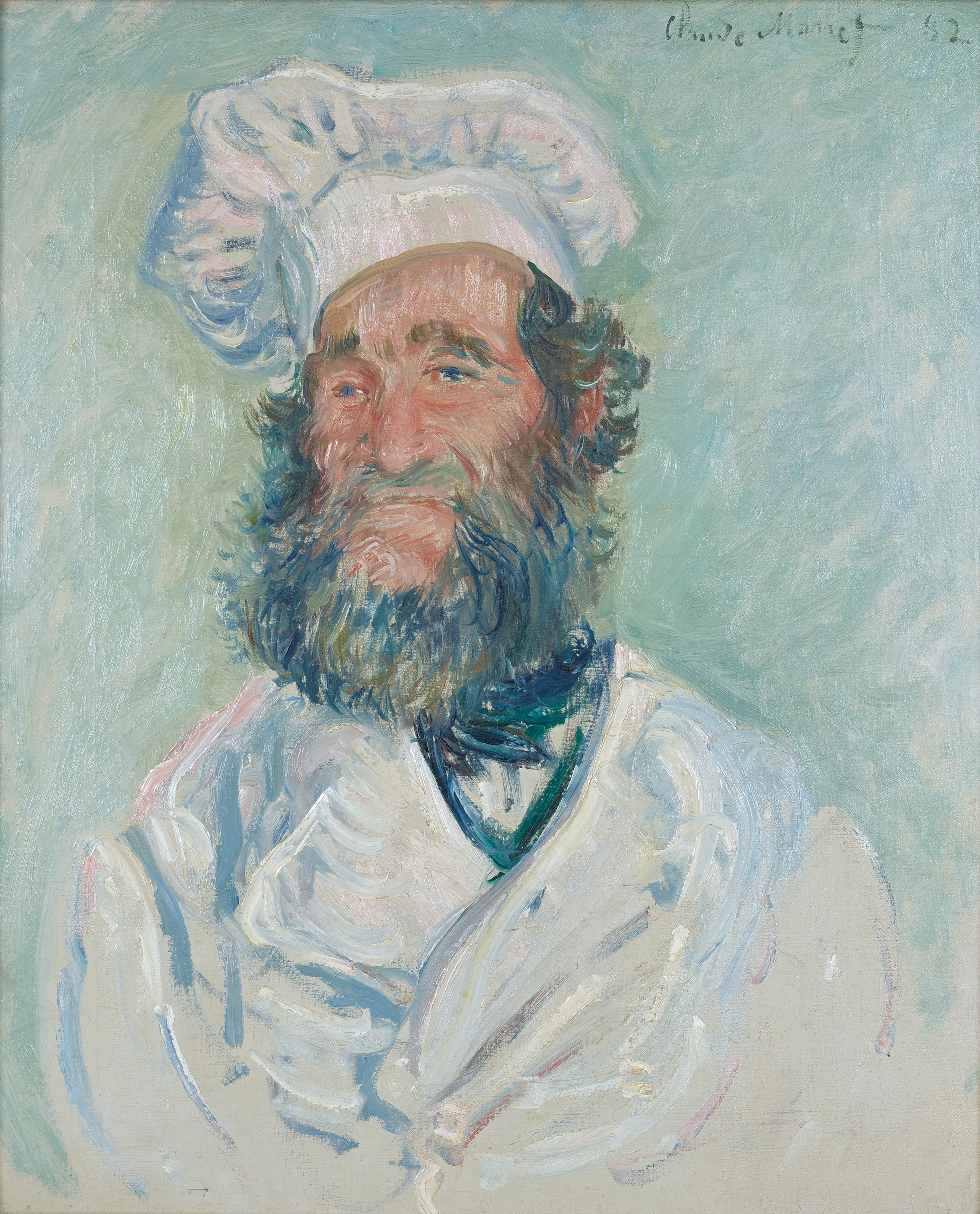
Der Koch (Le Père Paul), Claude Monet, 1882

Claude Monet

Der Koch (Le Père Paul), 1882

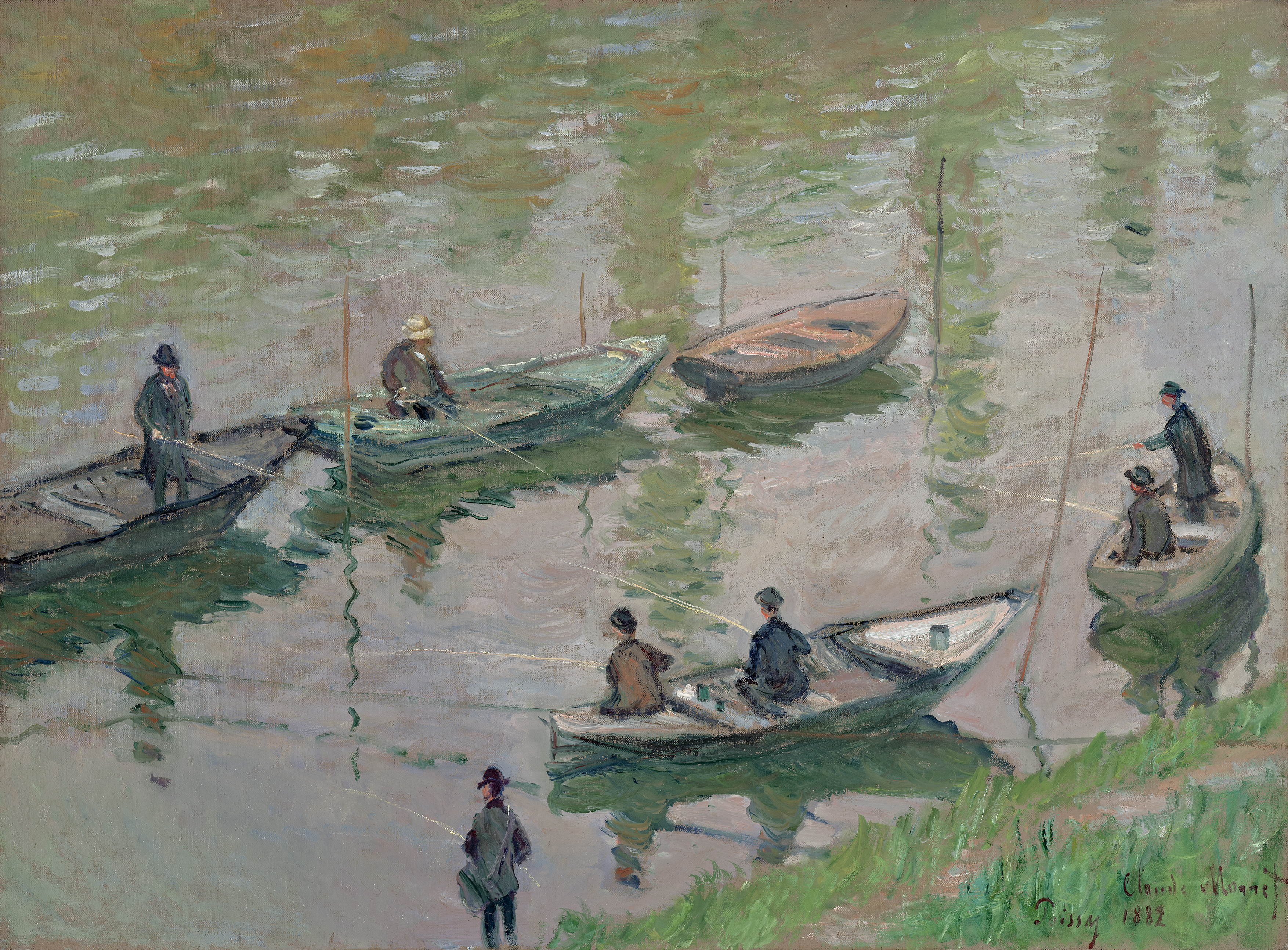
Angler auf der Seine bei Poissy, Claude Monet, 1882

Claude Monet

Angler auf der Seine bei Poissy, 1882

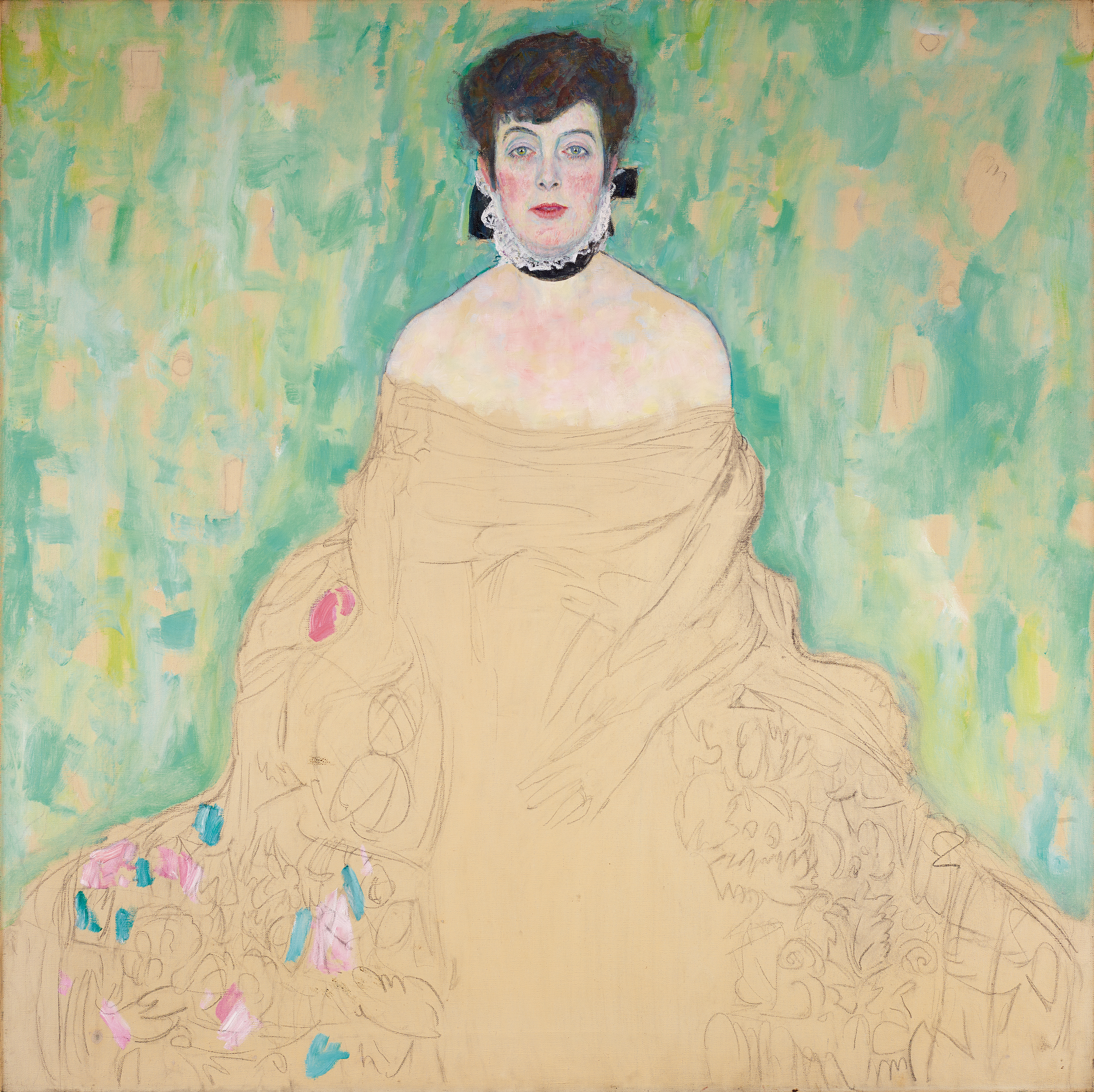
Amalie Zuckerkandl, Gustav Klimt, 1917–1918

Gustav Klimt

Amalie Zuckerkandl, 1917–1918

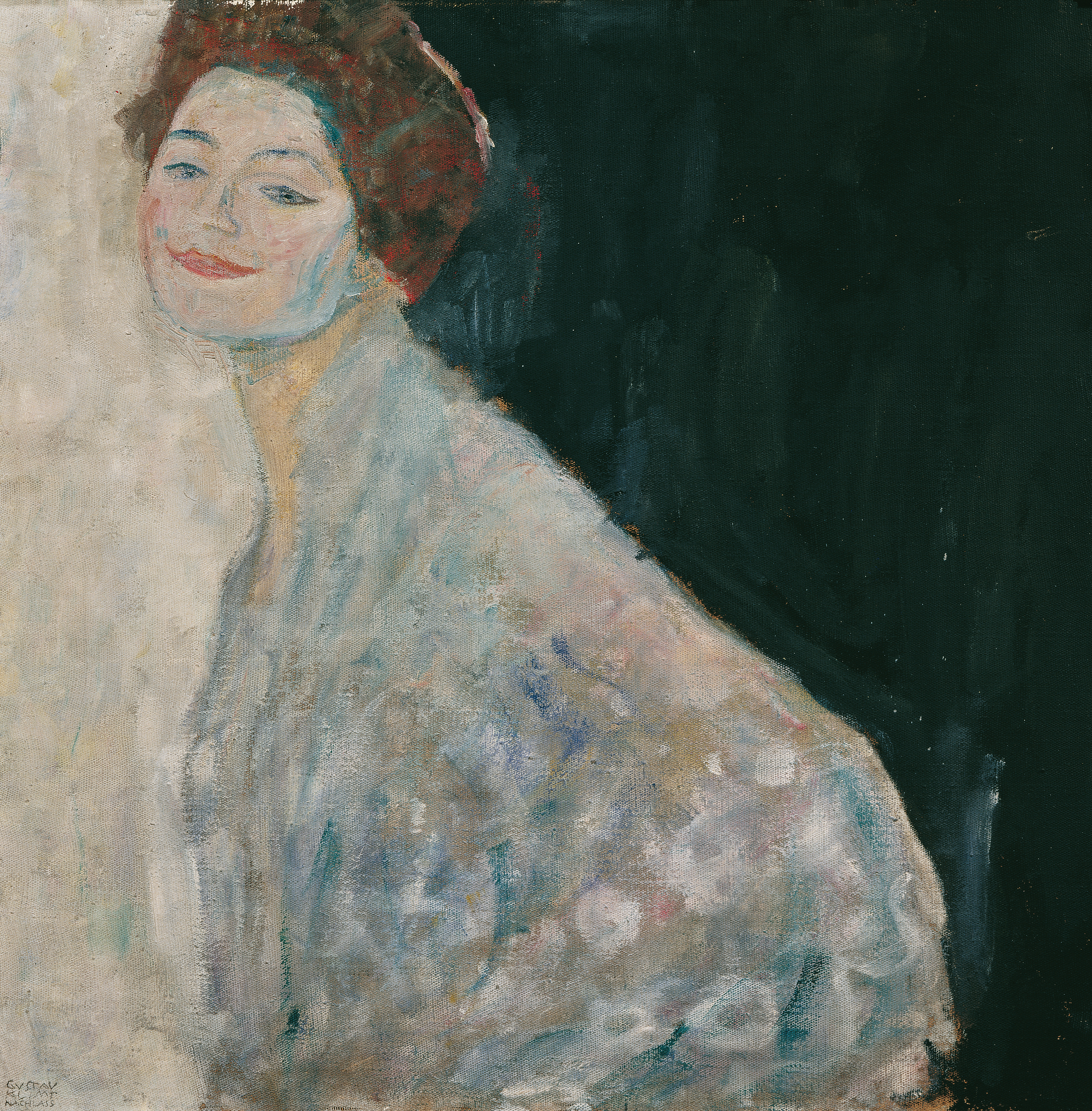
Dame in Weiß, Gustav Klimt, 1917–1918

Gustav Klimt

Dame in Weiß, 1917–1918

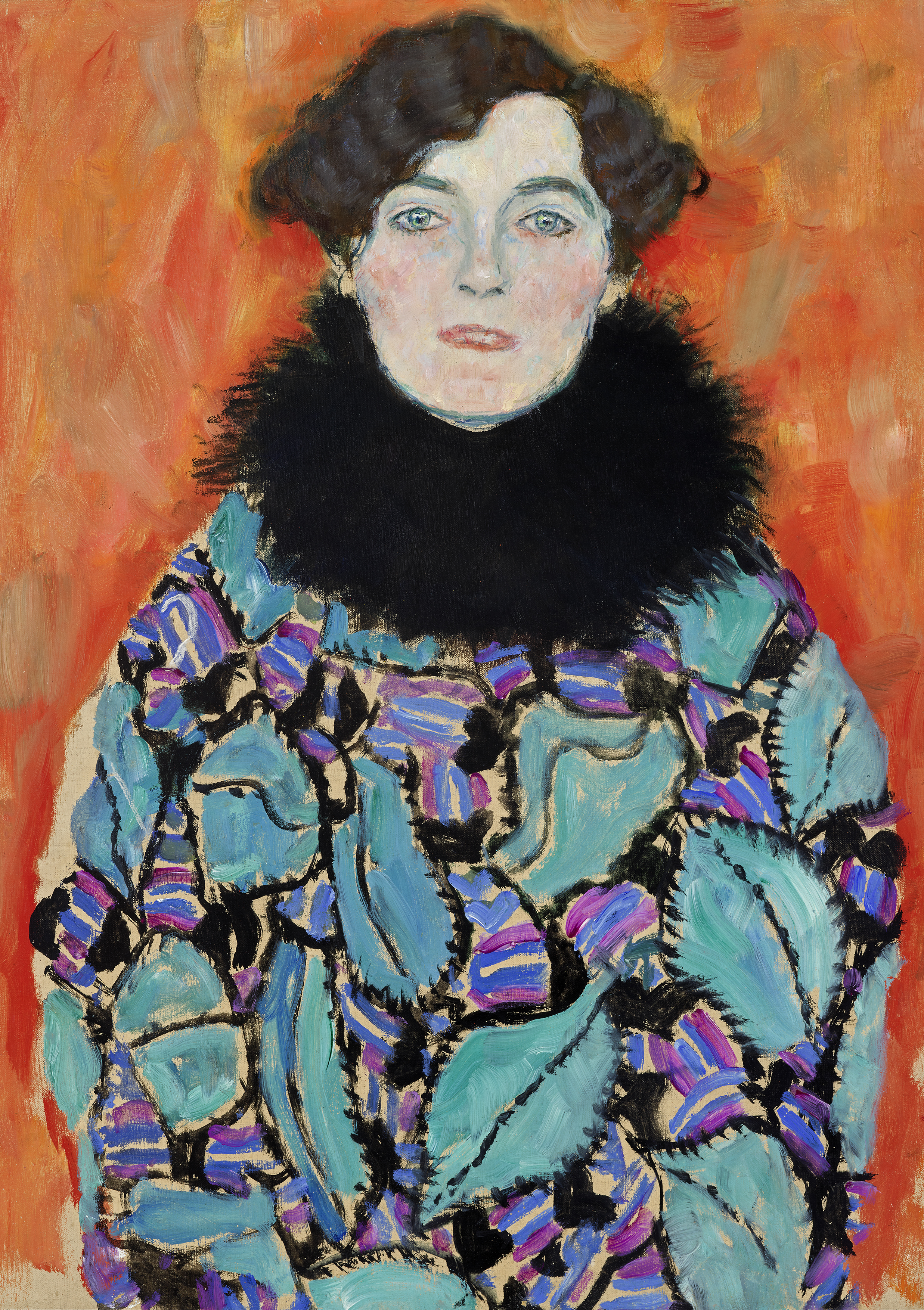
Johanna Staude, Gustav Klimt, 1917–1918

Gustav Klimt

Johanna Staude, 1917–1918

Adam und Eva, Gustav Klimt, 1916–1918

Gustav Klimt

Adam und Eva, 1916–1918