ART WIKI32 979 em exposição
MapaColeçãoArtistasMuseusExposiçõesRevista
Entrar

ART WIKI

Onde está a obra-prima, e a que horas se abre a porta.

Coleções: Art Institute of Chicago, Galeria Nacional de Arte, Galeria Tretiakov, Getty Villa, Harvard Art Museums, Hermitage, Hirshhorn Museum and Sculpture Garden, Instituto de Artes de Minneapolis, Museu de Arte de Cleveland, Museu de Arte Moderna, Museu do Louvre, Museu Estatal de Amesterdão, Museu J. Paul Getty, Museu Metropolitano de Arte, Museu Nacional de Arte da Dinamarca, Museu Pushkin, Museu Russo, Museu Smithsoniano de Arte Americana, Museu Vitória e Alberto, Museu Whitney de Arte Americana, National Museum of Asian Art, National Portrait Gallery, Catálogo Estatal do Fundo Museológico da Rússia (274 museus), Europeana (19 museus), Wikidata (6 museus), Paris Musées (12 museus) e Joconde, a base de museus do Ministério da Cultura de França (495 museus). As imagens pertencem aos titulares dos direitos.

Secções

  • Mapa
  • Pesquisa
  • Coleção
  • Obras-primas
  • Em exposição agora
  • Artistas

Mais

  • Museus e galerias
  • Exposições
  • Revista
  • De onde vêm os dados
  • Privacidade e cookies
InícioMapaCatálogo
  1. Coleção/
  2. Art Institute of Chicago/
  3. Carnival in Arcueil
Carnival in Arcueil, Lyonel Feininger, 1911
Lyonel Feininger, retratoLyonel FeiningerAlemanha, 1871–1956

Carnival in Arcueil

1911 · Painting

Sobre a pintura

This is one of a group of recently rediscovered early masterpieces by Lyonel Feininger that had been left behind when the artist and his family were forced to leave Nazi Germany in 1937 for the United States. For over forty years, this group of roughly fifty pictures remained unknown and inaccessible in the East German home of the friend in whose custody Feininger had left them. Only after a prolonged legal battle were all but three of the pictures finally returned to the artist's heirs in 1984 and exhibited as a group in 1985.

Continuar a ler

This picture reveals an artist of remarkable maturity and vision, despite the fact that Feininger had not turned seriously to painting until 1907. It was only then that improved financial circumstances allowed him to give up his successful career as a cartoonist. The setting for this painting is the town of Arcueil, south of Paris, where Feininger spent several months a year from 1906 to 1912. Its majestic viaduct became a frequent subject in the artist's drawings starting as early as 1908. His intense interest in architecture, which was to remain constant in Feininger's work, is apparent here not only in the use of the viaduct but also in the brilliantly colored block of houses in the middle ground. It may have been reinforced at this time by his interest in Robert Delaunay's work, in which architectural subjects likewise plays a primary role.

Feininger's early admiration for Vincent van Gogh seems evident in the heavily impastoed surface and in the use of highly saturated colors, especially yellow, which in the row of houses is beautifully modulated by touches of pink, green, and orange. Also reminiscent of van Gogh are the animated, billowing contours of the houses' rooftops, which in turn echo the sweeping movement of the clouds. Against this dramatic backdrop, Feininger deployed a motley crew of grotesque and vaguely sinister characters, some of whom recall Feininger's earlier cartoons. With their vividly colored costumes, these figures create a striking counterpoint to the dominant yellow of the background. But the ultimate impression is one of dissonance between the grandeur and beauty of the town's architecture and the bombastic artificiality of its inhabitants.

—Entry, Margherita Andreotti, Art Institute of Chicago Museum Studies, Vol. 20, No. 2, The Joseph Winterbotham Collection at The Art Institute of Chicago (1994), p. 144-145.

This is one of thirty-five works that comprise the Winterbotham Collection. Click here to learn more about the collection.

Art Institute of Chicago · CC BY 4.0

Pormenores

1911 · aos 40 anos
18711956
Número de inventário
1990.119

Entretanto, na vida de Lyonel Feininger

A vida inteira
  1. 1908–1919

    Years in Berlin, the “marine” pictures

    From 1908 to 1919 he lives in Berlin and paints a series of “marine” pictures in the spirit of Caspar David Friedrich.

  2. 5 de abril de 1909

    Son born: Laurence Feininger

  3. 1909–1918

    Summers on the island of Usedom

    From 1909 to 1918 he spends his summer vacations on the island of Usedom to recover and find new inspiration; typical works of these years are marine scenes from the Baltic shore. He keeps painting and drawing Benz for the rest of his life, even after returning to live in the United States.

  4. 11 de junho de 1910

    Son born: T. Lux Feininger

  5. 1913

    The First German Autumn Salon

    In 1913 he takes part in the exhibition of the First German Autumn Salon in Berlin.

Mais obras de Lyonel Feininger

Todas as obras

Na mesma sala · Gallery 392, Art Institute of Chicago

Página do museu

Será possível contemplá-la?

Sim, recebe visitas

Art Institute of Chicago

Chicago, Estados Unidos

Sala392

Exposta ao público. Quem o garante vem indicado abaixo.

Verificado
há 3 dias
Neste estado desde
19 de ago. de 2026
Fonte
O museu
No mapaPágina do museu

O que mostra

CarnivalsFigures (representations)CostumesMusicMusical instrumentsClownsYellow (color)HousesStructuresBuildingsBridgesCity scenesTownsCelebrationsJoseph Winterbotham Collection

No catálogo

PinturasÓleoPintura norte-americanaModernismoSéculo XXEstados Unidos

Fontes

  • Art Institute of Chicago
  • Imagem: Art Institute of Chicago — © the artist or rights holder
The Bicycle Race, Lyonel Feininger, 1912

The Bicycle Race

1912 · Galeria Nacional de Arte

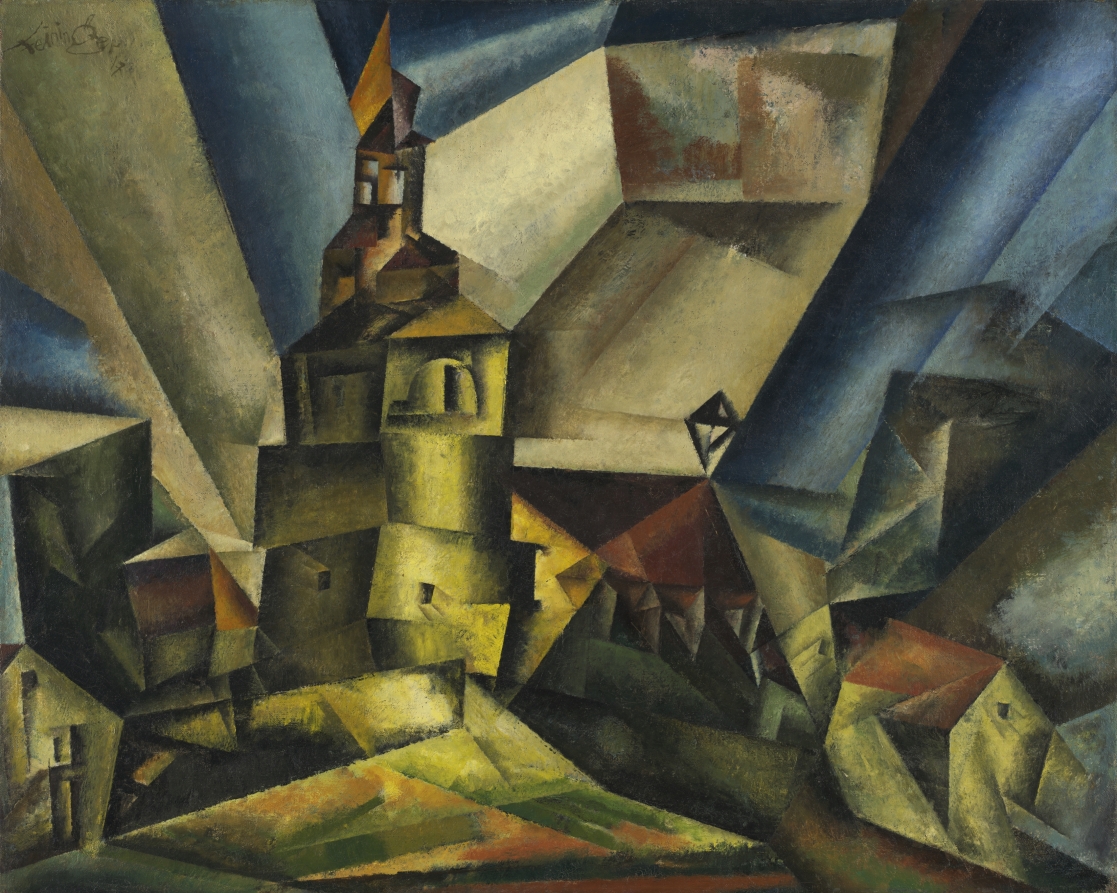
Markwippach, Lyonel Feininger, 1917

Markwippach

1917 · Museu de Arte de Cleveland

Bird Cloud, Lyonel Feininger, 1926

Bird Cloud

1926 · Harvard Art Museums

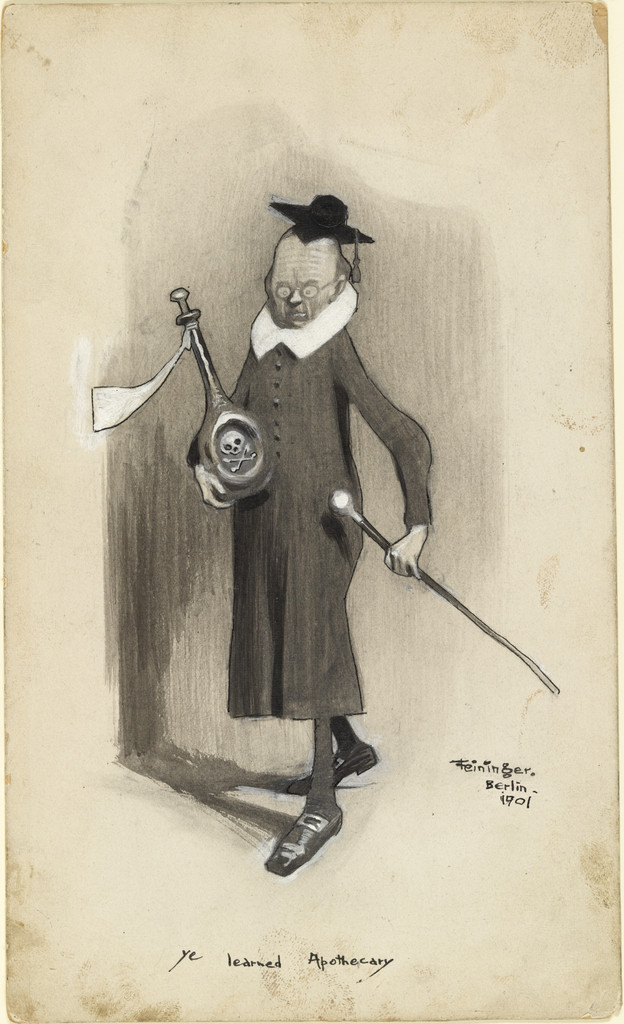
Ye Learned Apothecary, Lyonel Feininger, 1901

Ye Learned Apothecary

1901 · Não exposta · Museu de Arte Moderna

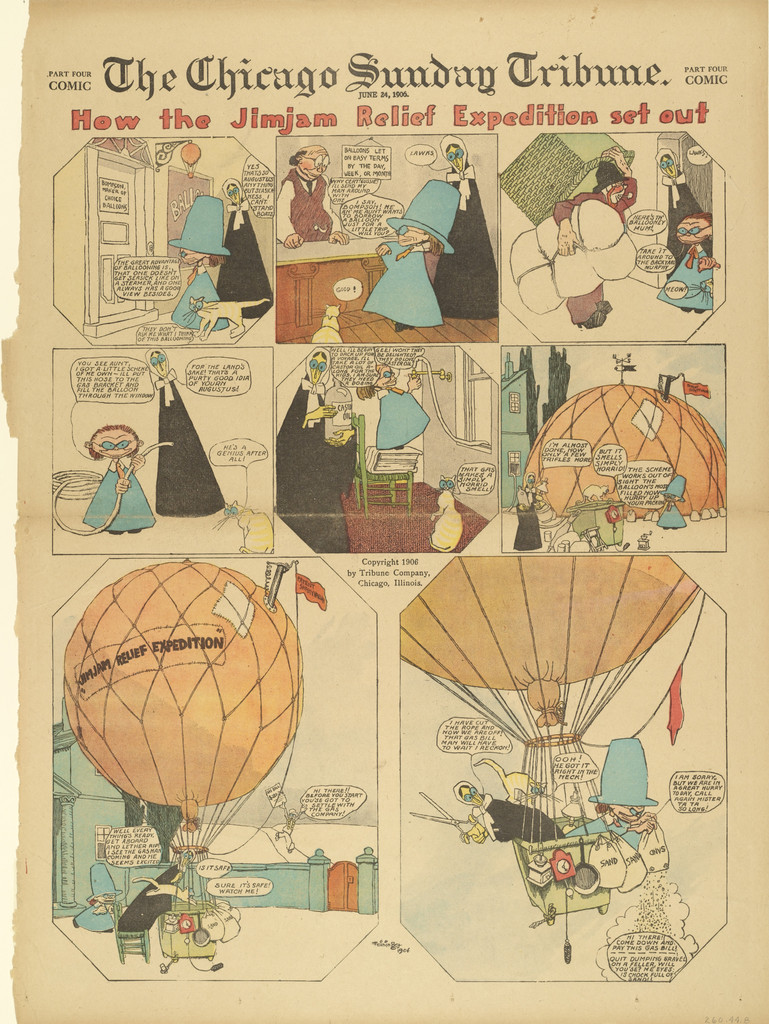
How the Jimjam Relief Expedition Set Out  from The Chicago Sunday Tribune, Lyonel Feininger, June 24, 1906

How the Jimjam Relief Expedition Set Out from The Chicago Sunday Tribune

June 24, 1906 · Não exposta · Museu de Arte Moderna

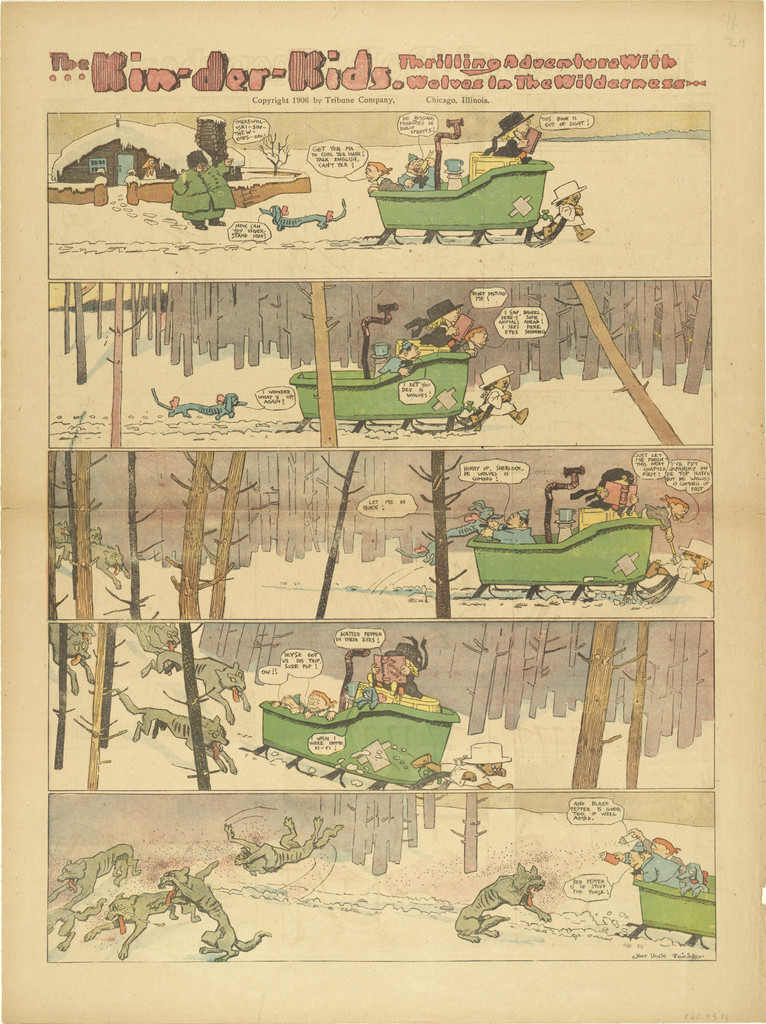
The Kin-der-Kids: Thrilling Adventure with Wolves in the Wilderness from The Chicago Sunday Tribune, Lyonel Feininger, (November 11) 1906

The Kin-der-Kids: Thrilling Adventure with Wolves in the Wilderness from The Chicago Sunday Tribune

(November 11) 1906 · Não exposta · Museu de Arte Moderna

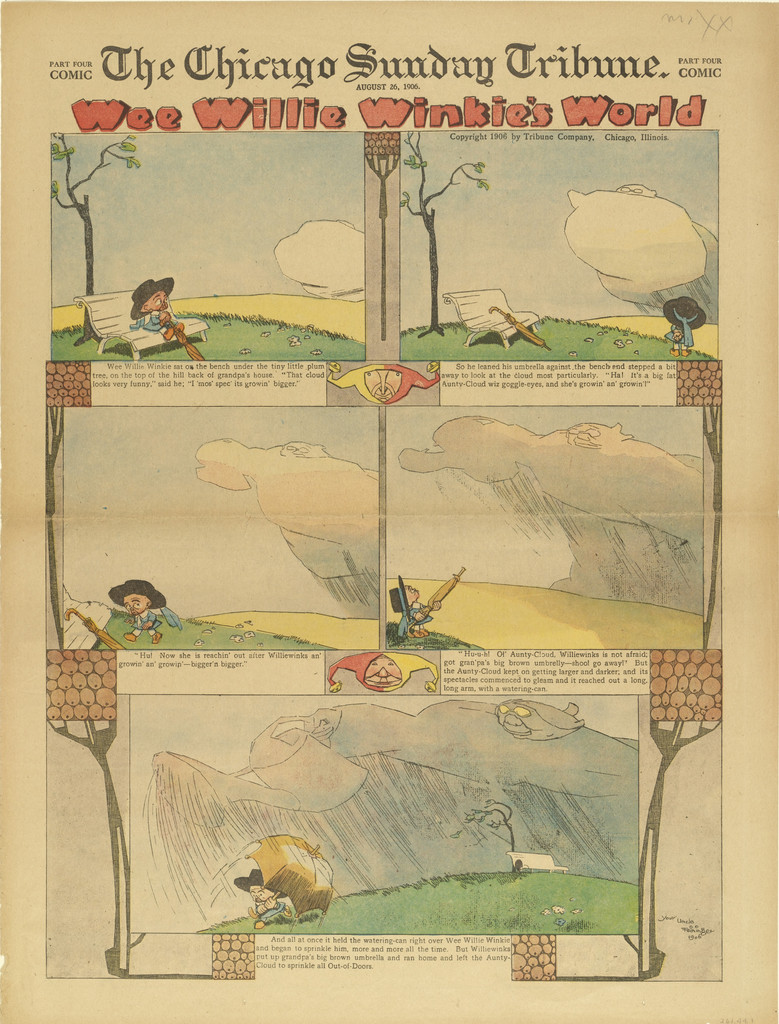
Wee Willie Winkie's World from The Chicago Sunday Tribune, Lyonel Feininger, August 26, 1906

Wee Willie Winkie's World from The Chicago Sunday Tribune

August 26, 1906 · Não exposta · Museu de Arte Moderna

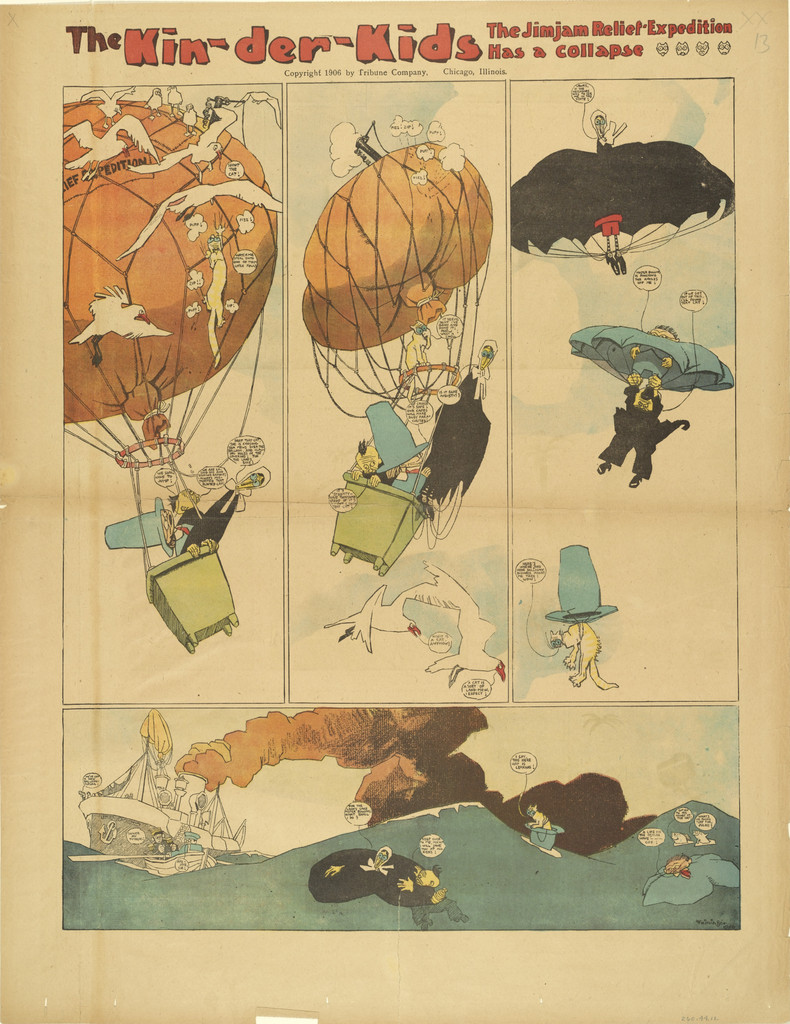
Kin-der-Kids: The Jimjam Expedition has a Collapse from The Chicago Sunday Tribune, Lyonel Feininger, (July 22) 1906

Kin-der-Kids: The Jimjam Expedition has a Collapse from The Chicago Sunday Tribune

(July 22) 1906 · Não exposta · Museu de Arte Moderna

Improvisation No. 30 (Cannons), Vasily Kandinsky, 1913

Vasily Kandinsky

Improvisation No. 30 (Cannons), 1913

Painting with Green Center, Vasily Kandinsky, 1913

Vasily Kandinsky

Painting with Green Center, 1913

Landscape with Two Poplars, Vasily Kandinsky, 1912

Vasily Kandinsky

Landscape with Two Poplars, 1912

Painting with Troika, Vasily Kandinsky, January 18, 1911

Vasily Kandinsky

Painting with Troika, January 18, 1911

Self-Portrait, Max Beckmann, 1937

Max Beckmann

Self-Portrait, 1937

Small Town by Day (Badische Kleinstadt bei Tage), Georg Scholz, 1922–23

Georg Scholz

Small Town by Day (Badische Kleinstadt bei Tage), 1922–23

Movements, Marsden Hartley, 1913

Marsden Hartley

Movements, 1913

Champs de Mars: The Red Tower, Robert Delaunay, 1911/23

Robert Delaunay

Champs de Mars: The Red Tower, 1911/23