 William EttyReino Unido, 1787–1849
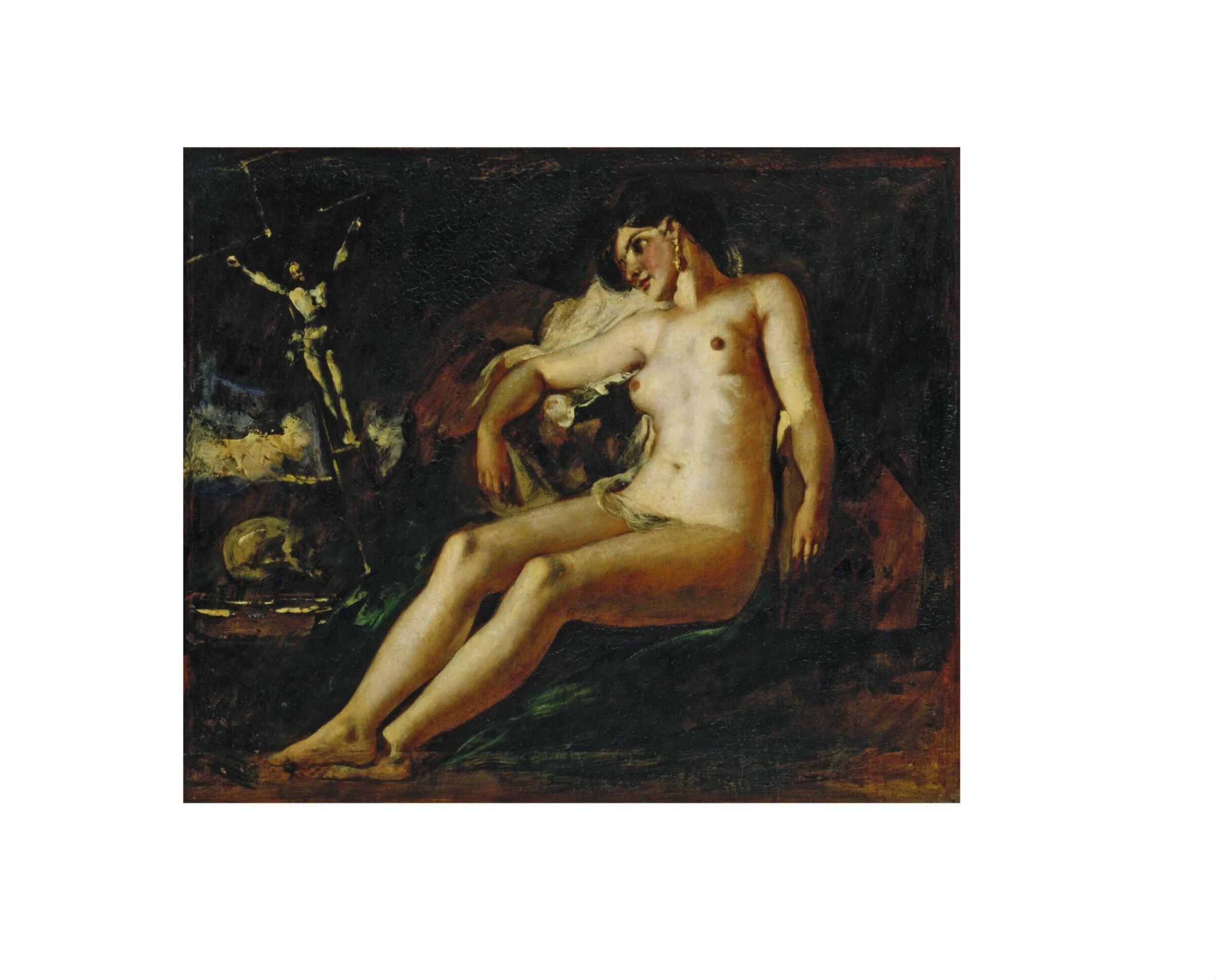
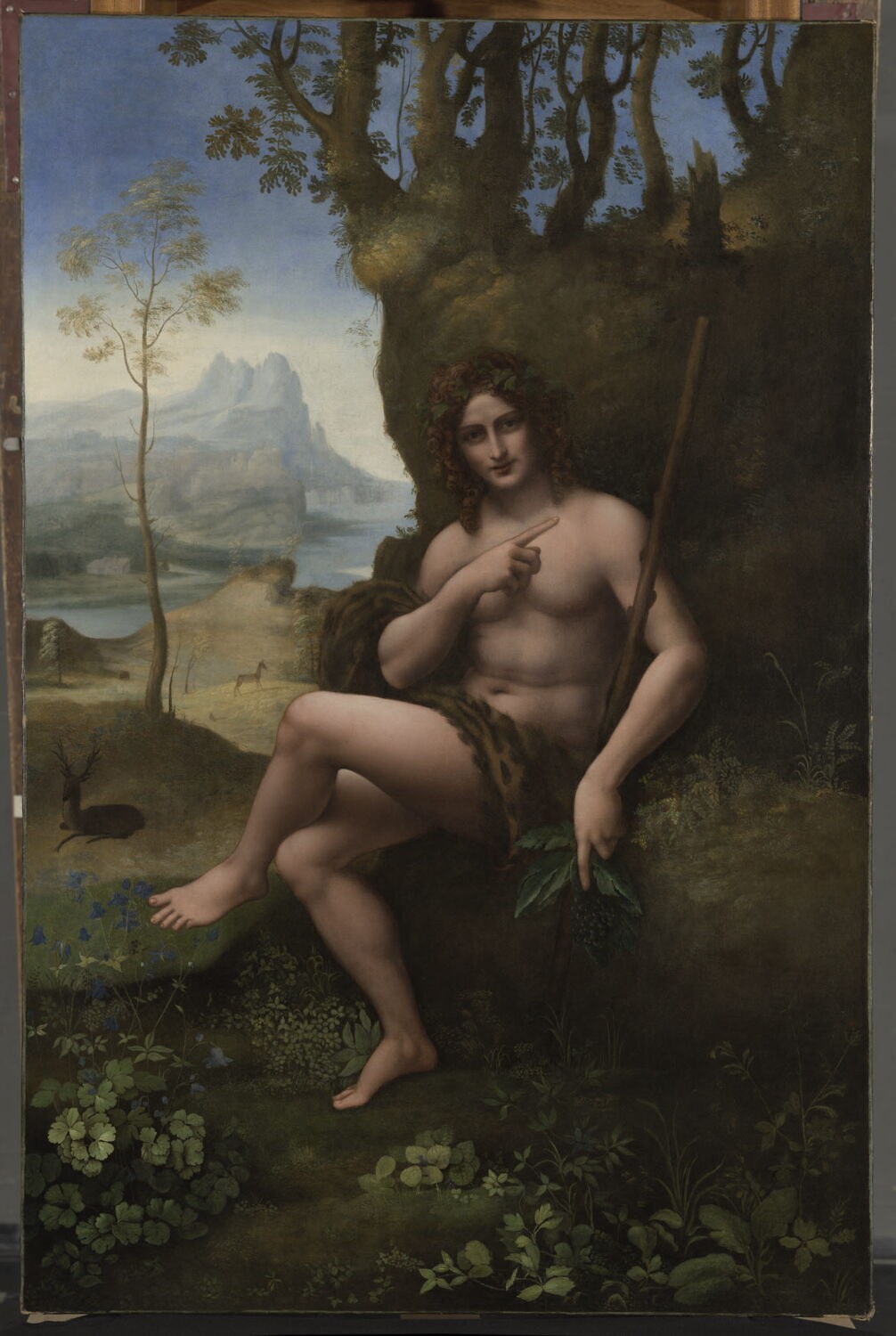
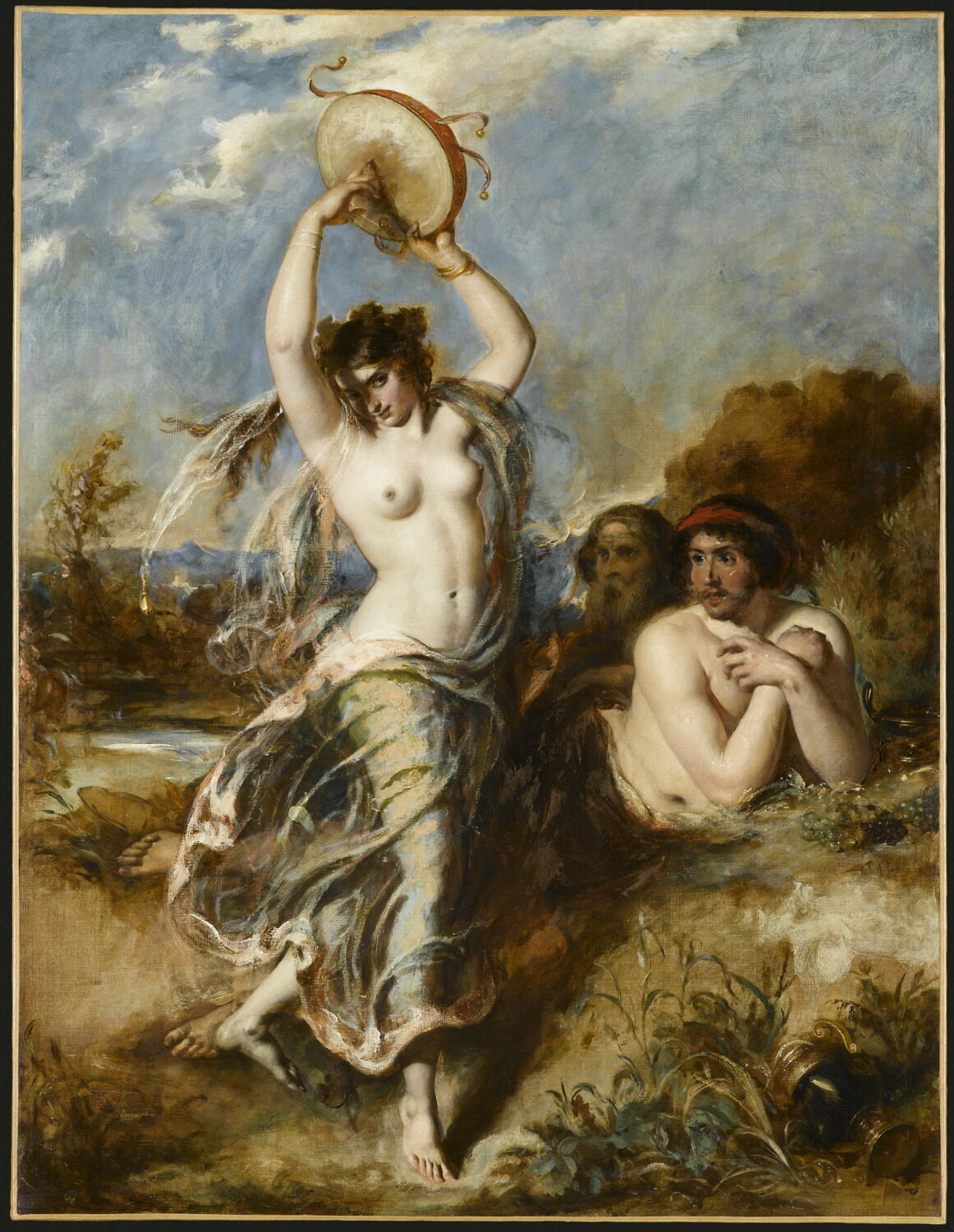
Bacchante au tambourin
Posso vê-la?
Não exposta de momento
Onde está «Bacchante au tambourin» hoje? Coleção: Museu do Louvre, Paris. Não exposta de momento. Verificado 26 de setembro de 2026.

Paris, França
Pertence à coleção, mas de momento não está exposta.
- Verificado
- Neste estado desde
- Fonte
- O museu
Pormenores
- Número de inventário
- RF 1970 49
No catálogo
Fontes
- Museu do Louvre
- Imagem: Museu do Louvre — © 2008 GrandPalaisRmn (musée du Louvre) / Jean-Gilles Berizzi
Na vida de William Etty
A vida inteira1828
1828 Summer Exhibition: “The World Before the Flood” and “Venus”
Etty showed three pictures: “The World Before the Flood”, “Venus, the Evening Star” and “Guardian Cherubs”, a portrait of the children of the Earl of Normanton and the only non-nude painting he exhibited at the Academy in the 1820s. The first two drew positive reviews and sold for substantial sums (the Marquess of Stafford bought the first, prompting The Gentleman’s Magazine to hint that it would keep company with that nobleman’s private Titians), and in the same year the British Institution awarded him £100.
after 1828
Dispute with the Academy over life classes
Even as an Academician Etty regularly attended life classes; colleagues thought it at best peculiar and at worst improper for a man of his standing, and Constable sarcastically wrote that Etty set the models an excellent example of regularity. Etty offered to resign rather than give up his studies, the Academy grudgingly allowed him to continue, and he divided his time between its own classes and those at nearby St Martin’s Lane.
October – December 1828
Diploma work: “Sleeping Nymph and Satyrs”
Elected a full Royal Academician in February 1828, defeating John Constable by 18 votes to five, Etty set aside all other projects once the Summer Exhibition was over to concentrate on a diploma piece, without which he could not become an Academician. “Sleeping Nymph and Satyrs” was presented to the Academy in October and in December he received the rank; complaints about his supposed indecency were by then resurfacing, since all but one of the 15 paintings he had exhibited at the Academy in the 1820s included at least one nude figure.
7 January 1830
Death of his mentor Thomas Lawrence
Thomas Lawrence died on 7 January 1830. Etty was devastated by the loss and was one of those considered to succeed Lawrence as President of the Royal Academy, although in the event he did not stand for election.
1830
Paris during the July Revolution
Etty arrived in Paris in early July 1830 and found the city unpleasantly hedonistic, writing to Betsy that he would not wish to bring up a daughter there. When the July Revolution broke out at the end of the month he was moved by the death and destruction around him but kept copying at the Louvre, and on 31 July he abandoned his planned onward journey to Brussels and Antwerp and set off for London with the five copies he had made.
1830s
Turns to portraiture and still life
In the 1830s Etty began to branch out into the more lucrative but less respected field of portraiture, and later became the first English painter to paint significant still lifes. He continued to paint both male and female nudes, which drew severe criticism and condemnation from parts of the press.