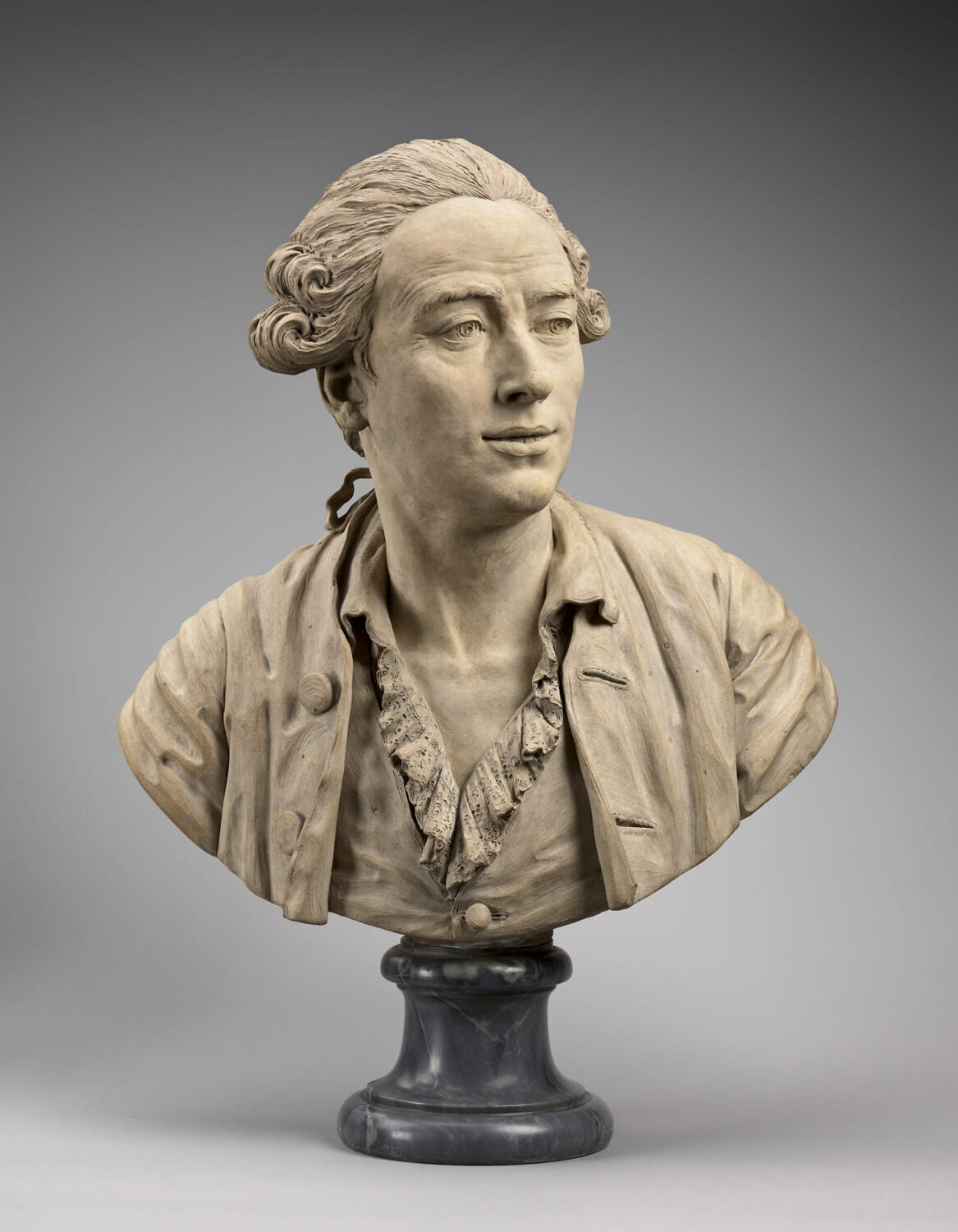
Augustin PajouFrancja, 1730–1809
Minerva
Czy można zobaczyć?
Tak, teraz na wystawie
Gdzie jest teraz „Minerva”? J. Paul Getty Museum, Museum South Pavilion, Atrium, Los Angeles. Tak, teraz na wystawie. Sprawdzono 5 października 2026.
Teraz otwarte· do 17:30
Dostępne dla publiczności.
- Sprawdzono
- Ten status od
- Źródło
- Muzeum
O rzeźbie
Minerva advances to defend the arts and sciences in Augustin Pajou’s marble figure of about 1775–1785, in the J. Paul Getty Museum, Los Angeles. Emblems at her feet stand for medicine, music, painting, sculpture and justice. The Roman goddess of wisdom and warfare suited a collector with both artistic and political interests. Scholars think the statue first belonged to Duke Étienne-François de Choiseul, a diplomat and Louis XV’s secretary for war. He collected paintings, prints and small sculptures, including at least two other works by Pajou. On view in the South Pavilion atrium.
Opis muzeum
Minerva, the Roman goddess of wisdom and war, strides forward to protect Painting, Sculpture, Music, Justice, and Medicine, the attributes of which lie at her feet. Augustin Pajou's midsize marble statues were generally intended for wealthy collectors. Scholars believe this piece was originally owned by Duke Étienne-François de Choiseul, an important member of the French aristocracy and a collector of paintings and prints. Choiseul also had a predilection for refined cabinet sculptures, like Pajou's figure of Minerva, and owned at least two other works by the sculptor. Pajou's accomplished rendering of antiquity, very much consistent with Enlightenment taste in the late 1700s, undoubtedly appealed to Choiseul. The subject of the statuette aptly reflects Choiseul's love of art, his diplomatic skills, and his position as secretary of state for war under the French king Louis XV.
J. Paul Getty Museum
Szczegóły
- Numer inwentarzowy
- 98.SA.157
W katalogu
Źródła
- J. Paul Getty Museum
- Zdjęcie: J. Paul Getty Museum — Open Content