ART WIKI32.963 te zien
KaartCollectieKunstenaarsMuseaTentoonstellingenJournal
Inloggen

ART WIKI

Waar het meesterwerk hangt en wanneer men u toelaat.

Collecties: Art Institute of Chicago, Cleveland Museum of Art, Getty Villa, Harvard Art Museums, Hermitage, Hirshhorn Museum and Sculpture Garden, J. Paul Getty Museum, Louvre, Metropolitan Museum of Art, Minneapolis Institute of Art, Museum of Modern Art, National Gallery of Art, National Museum of Asian Art, National Portrait Gallery, Poesjkinmuseum, Rijksmuseum Amsterdam, Russisch Museum, Smithsonian American Art Museum, Statens Museum for Kunst, Tretjakovgalerij, Victoria and Albert Museum, Whitney Museum of American Art, Staatscatalogus van het Russische museumfonds (274 musea), Europeana (19 musea), Wikidata (6 musea), Paris Musées (12 musea) en Joconde, de museumdatabank van het Franse ministerie van Cultuur (495 musea). De afbeeldingen behoren toe aan hun rechthebbenden.

Rubrieken

  • Kaart
  • Zoeken
  • Collectie
  • Meesterwerken
  • Nu te zien
  • Kunstenaars

Meer

  • Musea & galerieën
  • Tentoonstellingen
  • Journal
  • Waar de gegevens vandaan komen
  • Privacy & cookies
StartpaginaKaartCatalogus
  1. Collectie/
  2. Museum of Modern Art/
  3. Self-portrait in the studio
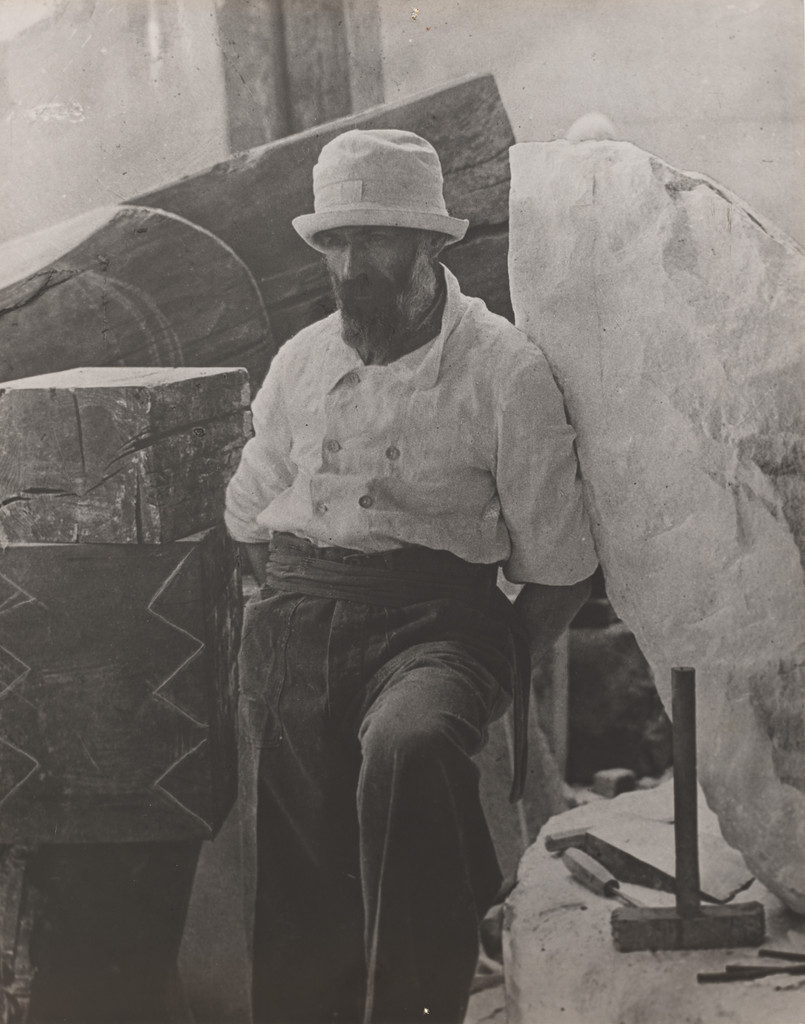
Self-portrait in the studio, Constantin Brancusi, 1920-22
Constantin Brancusi, portretConstantin BrancusiRoemenië, 1876–1957

Self-portrait in the studio

1920-22 · Photograph

Mag men het zien?

Ontvangt momenteel niet

Museum of Modern Art

New York, Verenigde Staten

Het hoort bij de collectie, maar is momenteel niet tentoongesteld.

Gecontroleerd
8 dagen geleden
Bron
De eigen collectiegegevens van het museum
Op de kaartMuseumpagina

Gegevens

1920-22 · op 44-jarige leeftijd
18761957
Inventarisnummer
1116.1979

In de catalogus

Foto’sZilvergelatinedrukModernisme20e eeuw

Bronnen

  • Museum of Modern Art: de open data van het museum · opgehaald 15 dagen geleden
  • Afbeelding: Museum of Modern Art — © the artist or rights holder

Intussen, in het leven van Constantin Brancusi

Het hele leven
  1. 1910s

    “Mobile groups”: rearranging the sculptures

    During the 1910s Brâncuși arranges sculptures and pedestals in changing compositions that he calls “mobile groups”: he moves the works and watches how each change alters the space around them. When he sells a sculpture he often puts a plaster version in the same position, and by the 1920s the studio is also an exhibition space whose arrangement forms part of the work.

  2. November 1919

    Meeting Erik Satie

    The writer Henri-Pierre Roché brings the composer Erik Satie, exactly ten years older than Brâncuși, to his studio together with Marcel Duchamp, beginning a friendship that lasts from 1919 to 1925. After dinner Brâncuși plays the violin for his guest, and Satie, in Roché’s words, teaches him verbal fencing, self-belief and clarity of thought.

  3. January 1920

    “Princess X” excluded from the Salon des Indépendants

    In January 1920 the organizers of the Salon des Indépendants exclude “Princess X” (1915–1916) because they regard its shape as phallic. Fernand Léger and other friends of Brâncuși protest, the sculpture is returned to the exhibition, and the dispute leads to the manifesto “Pour l’indépendance de l’art”, signed by more than seventy artists and writers; Erik Satie signed the protest petition on 25 February 1920.

  4. 26 May 1920

    The Dada festival: a manifesto with Léger

    Brâncuși is friends with Tristan Tzara, Francis Picabia and Duchamp but does not join the Dada movement, merely attending its readings and performances; on 26 May 1920 he takes part in the Dada festival in Paris and signs the manifesto “Contre cubisme, contre dadaïsme” with Léger.

  5. 1921

    Man Ray and the darkroom

    Brâncuși, who has photographed his work since the 1910s, meets Man Ray in 1921, who helps him buy equipment, set up a darkroom and improve his developing methods. He photographs the sculptures under changing light, alters his framing and documents the relationships between the works and the surrounding space; he also films his studio and sculptures mounted on rotating bases.

  6. September 1921

    A Brâncuși issue of “The Little Review”

    In September 1921 the American magazine “The Little Review” publishes an issue devoted to Brâncuși, with an essay by Ezra Pound and 24 photographic plates showing sculptures and views of the studio.

Meer van Constantin Brancusi

Alle werken
Maiastra, Constantin Brâncuși, c. 1911

Maiastra

c. 1911 · National Gallery of Art

Bird in Space, Constantin Brâncuși, 1925

Bird in Space

1925 · National Gallery of Art

Bird in Space, Constantin Brâncuși, 1927

Bird in Space

1927 · National Gallery of Art

Agnes E. Meyer, Constantin Brâncuși, 1929

Agnes E. Meyer

1929 · National Gallery of Art

Male Torso, Constantin Brancusi, 1917

Male Torso

1917 · Cleveland Museum of Art

Golden Bird, Constantin Brancusi, 1919/20 (base c. 1922)

Golden Bird

1919/20 (base c. 1922) · Art Institute of Chicago

Golden Bird, Constantin Brancusi, c. 1919

Golden Bird

c. 1919 · Minneapolis Institute of Art

Wisdom, Constantin Brancusi, c. 1908

Wisdom

c. 1908 · Art Institute of Chicago

Buren in huis: Museum of Modern Art

Museumpagina
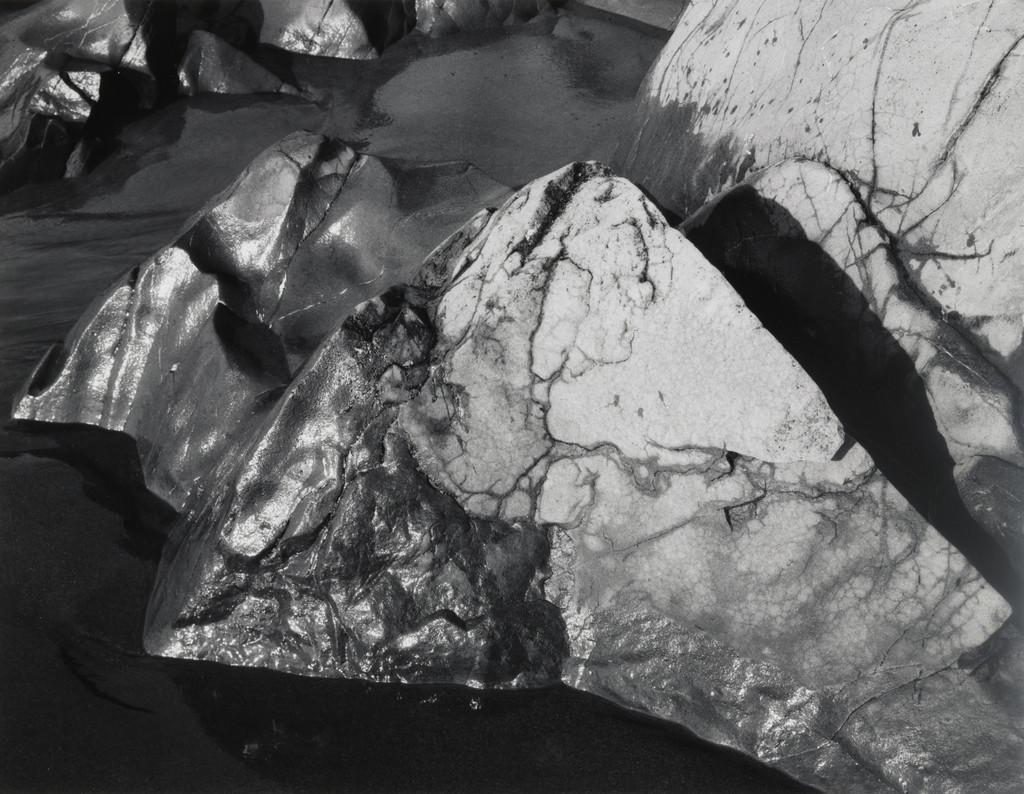
Rock, Bakers Beach, San Francisco, California, Ansel Adams, c. 1931

Ansel Adams

Rock, Bakers Beach, San Francisco, California, c. 1931

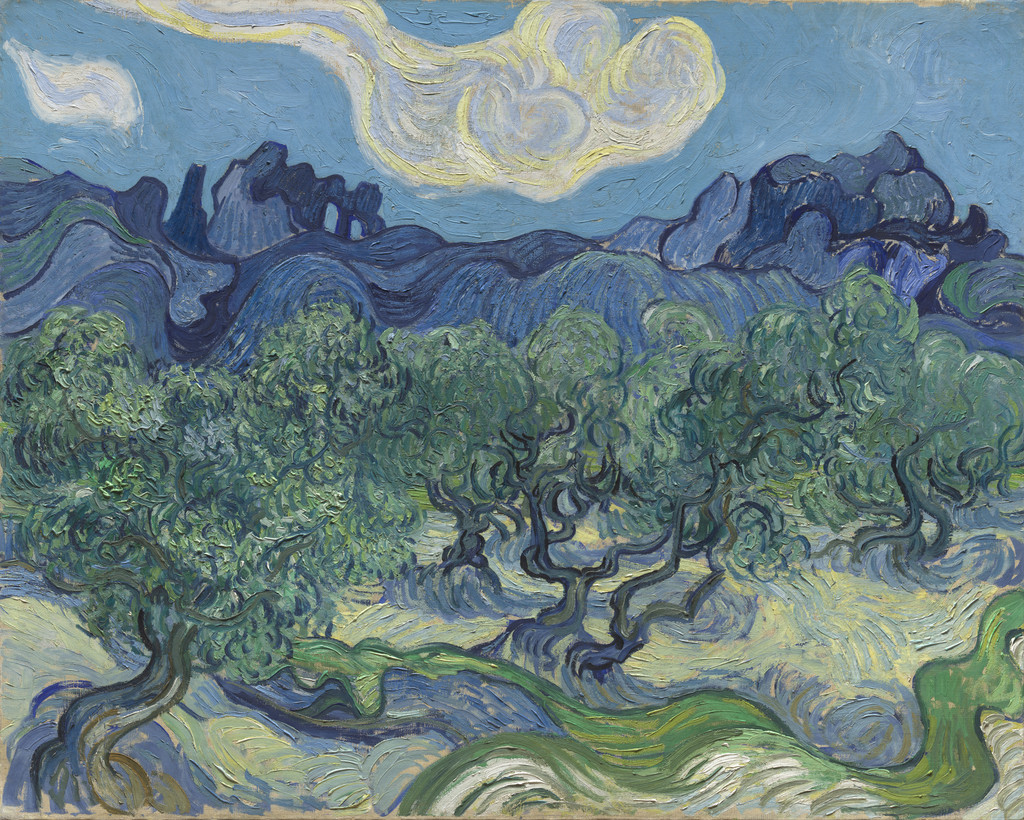
The Olive Trees, Vincent van Gogh, Saint Rémy, June-July 1889

Vincent van Gogh

The Olive Trees, Saint Rémy, June-July 1889

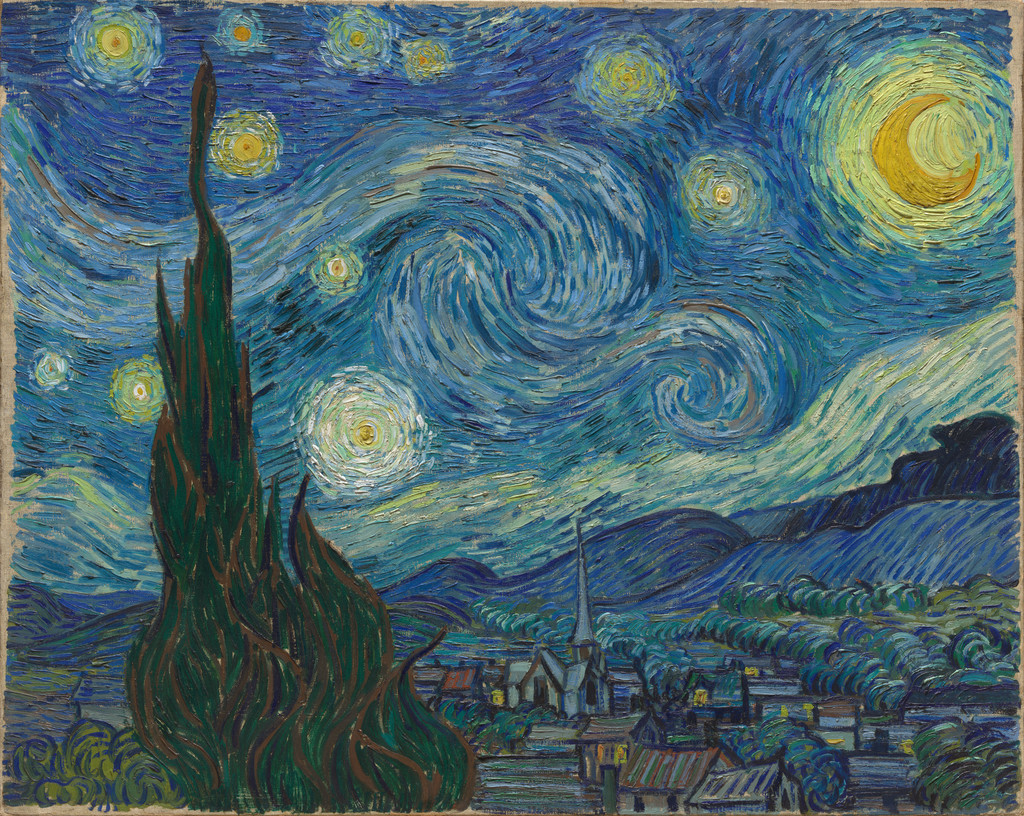
The Starry Night, Vincent van Gogh, Saint Rémy, June 1889

Vincent van Gogh

De sterrennacht, Saint Rémy, June 1889

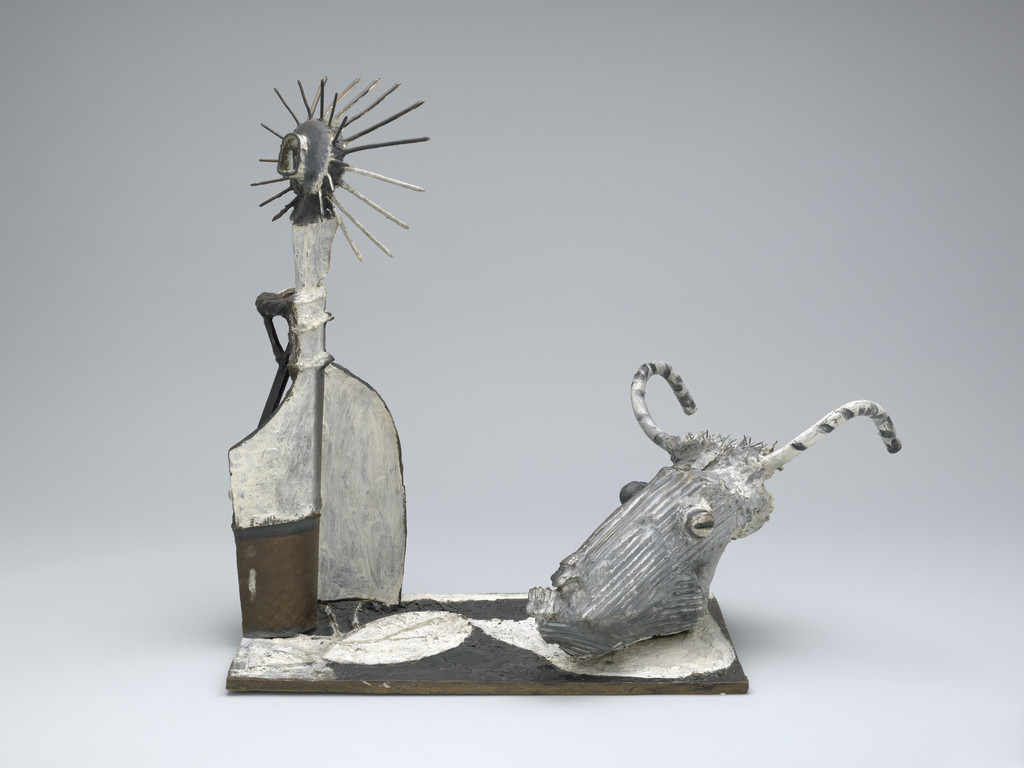
Goat Skull and Bottle, Pablo Picasso, Vallauris, 1951 (cast 1954)

Pablo Picasso

Goat Skull and Bottle, Vallauris, 1951 (cast 1954)

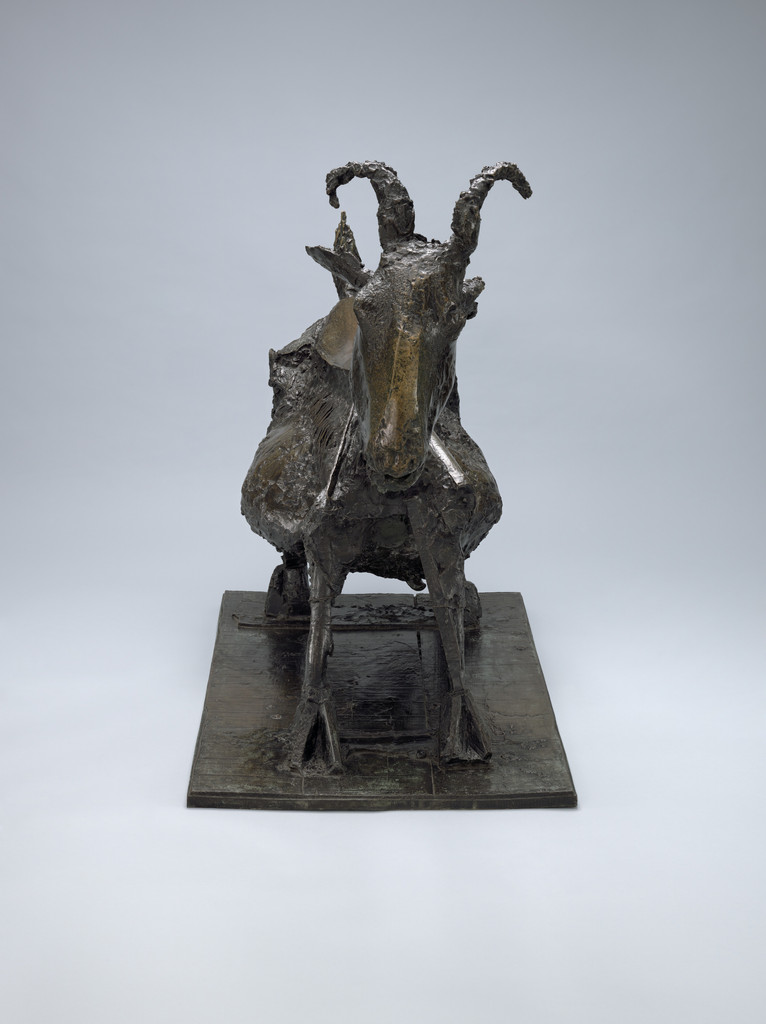
She-Goat, Pablo Picasso, Vallauris, 1950 (cast 1952)

Pablo Picasso

She-Goat, Vallauris, 1950 (cast 1952)

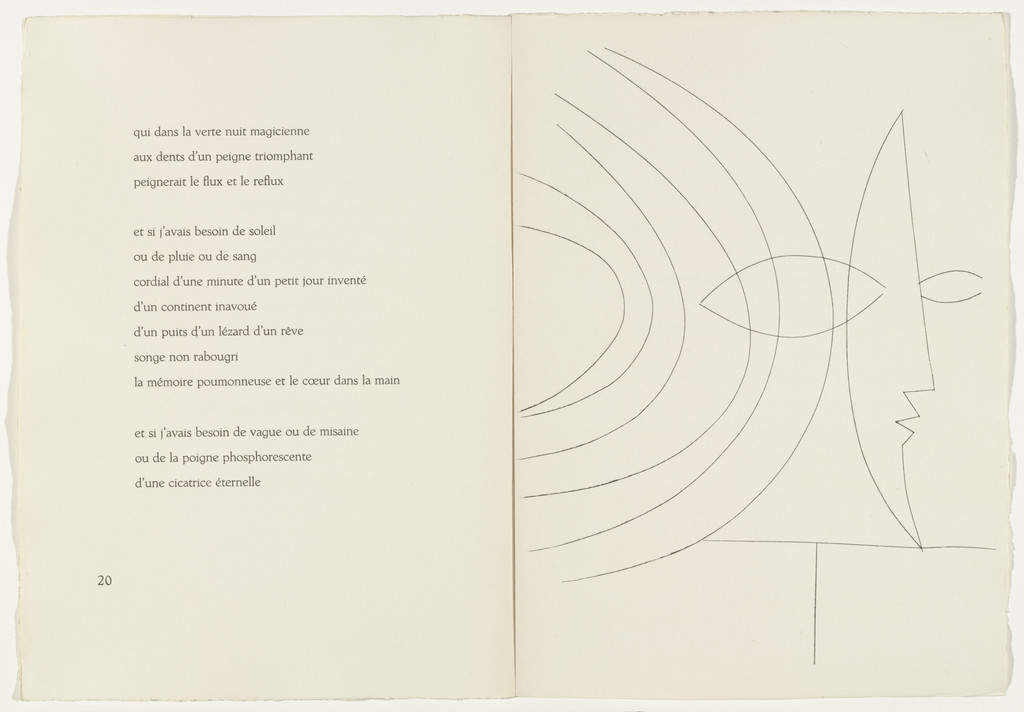
Face in Profile (plate, page 21) from Corps perdu, Pablo Picasso, 1949, published 1950

Pablo Picasso

Face in Profile (plate, page 21) from Corps perdu, 1949, published 1950

Coupling (plate, page 17) from Corps perdu, Pablo Picasso, 1949, published 1950

Pablo Picasso

Coupling (plate, page 17) from Corps perdu, 1949, published 1950

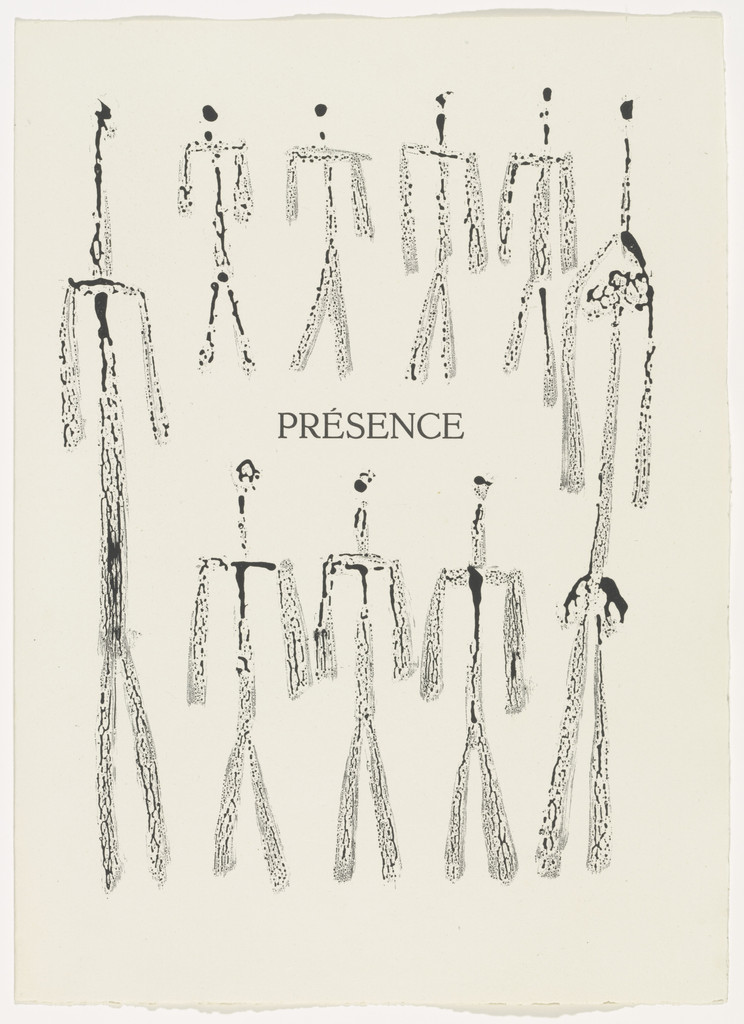
"Présence" (chapter title, page 13) from Corps perdu, Pablo Picasso, 1949, published 1950

Pablo Picasso

"Présence" (chapter title, page 13) from Corps perdu, 1949, published 1950