ART WIKI32.963 te zien
KaartCollectieKunstenaarsMuseaTentoonstellingenJournal
Inloggen

ART WIKI

Waar het meesterwerk hangt en wanneer men u toelaat.

Collecties: Art Institute of Chicago, Cleveland Museum of Art, Getty Villa, Harvard Art Museums, Hermitage, Hirshhorn Museum and Sculpture Garden, J. Paul Getty Museum, Louvre, Metropolitan Museum of Art, Minneapolis Institute of Art, Museum of Modern Art, National Gallery of Art, National Museum of Asian Art, National Portrait Gallery, Poesjkinmuseum, Rijksmuseum Amsterdam, Russisch Museum, Smithsonian American Art Museum, Statens Museum for Kunst, Tretjakovgalerij, Victoria and Albert Museum, Whitney Museum of American Art, Staatscatalogus van het Russische museumfonds (274 musea), Europeana (19 musea), Wikidata (6 musea), Paris Musées (12 musea) en Joconde, de museumdatabank van het Franse ministerie van Cultuur (495 musea). De afbeeldingen behoren toe aan hun rechthebbenden.

Rubrieken

  • Kaart
  • Zoeken
  • Collectie
  • Meesterwerken
  • Nu te zien
  • Kunstenaars

Meer

  • Musea & galerieën
  • Tentoonstellingen
  • Journal
  • Waar de gegevens vandaan komen
  • Privacy & cookies
StartpaginaKaartCatalogus
  1. Collectie/
  2. Österreichische Galerie Belvedere/
  3. Seite 113
Seite 113, Gustav Klimt, 1898
Gustav Klimt, portretGustav KlimtOostenrijk, 1862–1918

Seite 113

1898 · Sketchbook

Mag men het zien?

Onbekend

Österreichische Galerie Belvedere

Wenen, Oostenrijk

De eigenaar is bekend; of het werk nu te zien is, is onbekend.

Ongewijzigd sinds
27 sep 2026
Bron
Het museum
Op de kaartMuseumpagina

Over het werk

In de woorden van het museum — in het Duits

Noch deutlicher als auf Seite 107 wird die Figur des/der gramgebeugten Alten durch eine wellenförmige Linie mit der Gruppe des Elternpaares verbunden. Über der Zeichnung ein X in einem Kreis, mit dem Klimt diese Lösung markierte.

Österreichische Galerie Belvedere

Gegevens

1898 · op 36-jarige leeftijd
18621918

In de catalogus

Tekeningen & aquarellenImpressionisme19e eeuw

Bronnen

  • Österreichische Galerie Belvedere
  • Afbeelding: Österreichische Galerie Belvedere — CC BY-SA 4.0

Intussen, in het leven van Gustav Klimt

Het hele leven
  1. 1897

    First president of the Vienna Secession

    The Secession began as a union of fifty founders and Klimt was chosen as its first president: he was sponsored by the influential Carl Moll, and was the eccentric, taciturn leader regarded as steadfast and authentic. In the salon of Carl and Anna Moll he met Viennese society and began painting portraits of its ladies.

  2. from the late 1890s

    Summers on the Attersee

    From the late 1890s Klimt spent every summer with the Flöge family on the Attersee and painted landscapes there — the only genre besides figure painting that seriously interested him. The locals called him the “forest demon”; space in these landscapes is flattened so completely into one plane that he is believed to have painted them through a telescope.

  3. 1897–1917

    Society portraits of Viennese ladies

    Over twenty years Klimt painted nearly twenty society portraits of women, which gave him financial independence; Carl Moll introduced him to many of the sitters, most of them from the Jewish upper bourgeoisie. In the portraits the ladies are hidden in sumptuous clothing, their heads and hands seeming to float detached from reality.

  4. 1898/1899

    Son born: Gustav Ucicky

  5. 1900

    “Philosophy” at the Secession: the scandal

    First shown at the Secession's seventh exhibition, “Philosophy” provoked protests from the public and university professors, and a scandal unprecedented in Vienna brought the exhibition a record 35,000 visitors. Three weeks after the opening the painting went to the World Fair in Paris and won a gold medal.

  6. 1900–1907

    He returns the advance and keeps the paintings

    The state commission refused to accept the three “Faculty Paintings”; Klimt told the minister he would return the 60,000-krone advance, refused to work for the Austrian state again and kept the pictures. The ministry demanded them, but Klimt did not open the door to the removal men — and the affair ended in his victory.

Meer van Gustav Klimt

Alle werken
Mäda Primavesi (1903–2000), Gustav Klimt, 1912–13

Mäda Primavesi (1903–2000)

1912–13 · Metropolitan Museum of Art

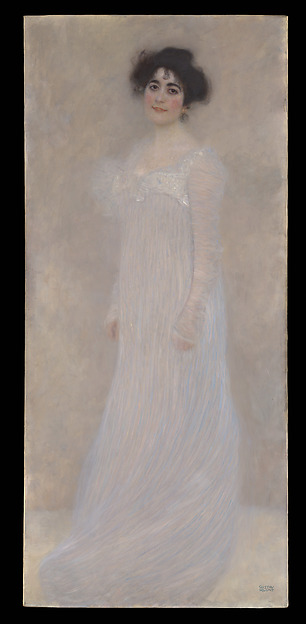
Serena Pulitzer Lederer (1867–1943), Gustav Klimt, 1899

Serena Pulitzer Lederer (1867–1943)

1899 · Metropolitan Museum of Art

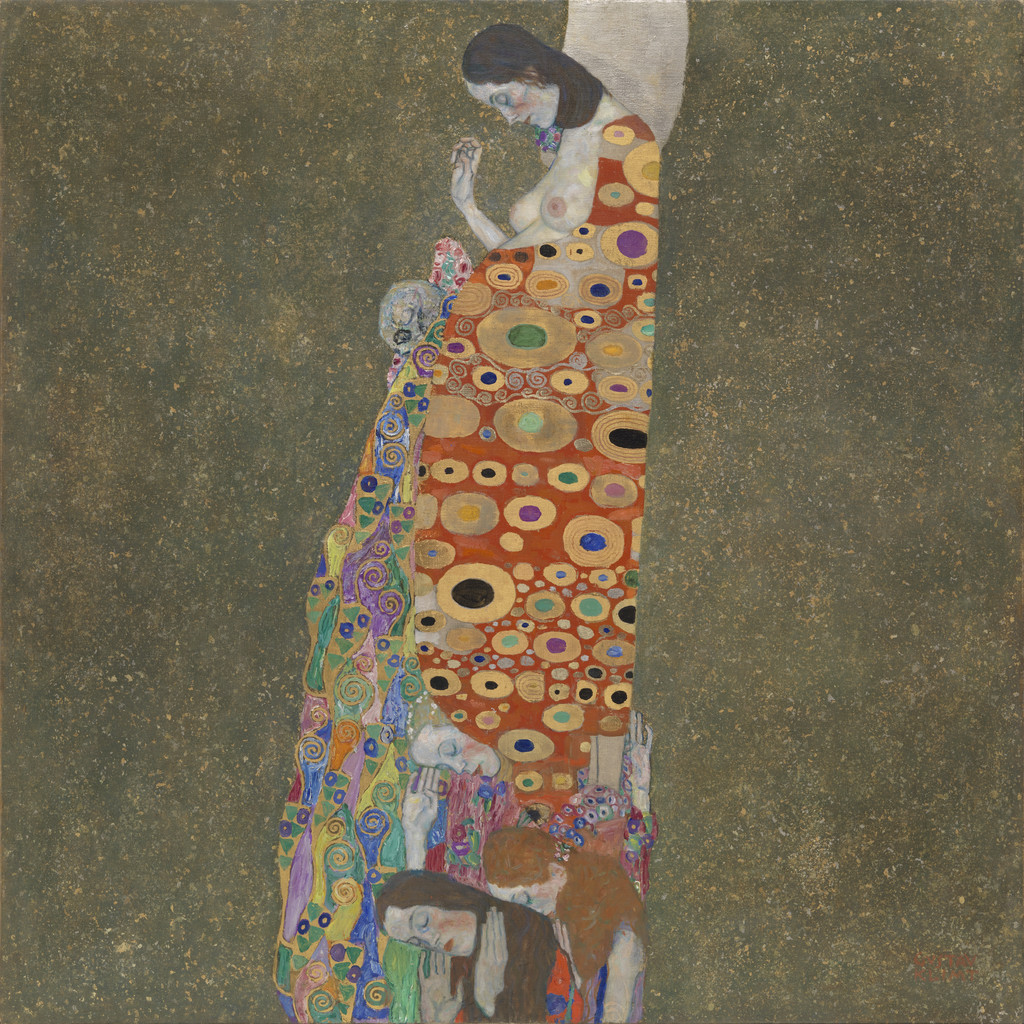
Hope, II, Gustav Klimt, 1907-08

Hope, II

1907-08 · Museum of Modern Art

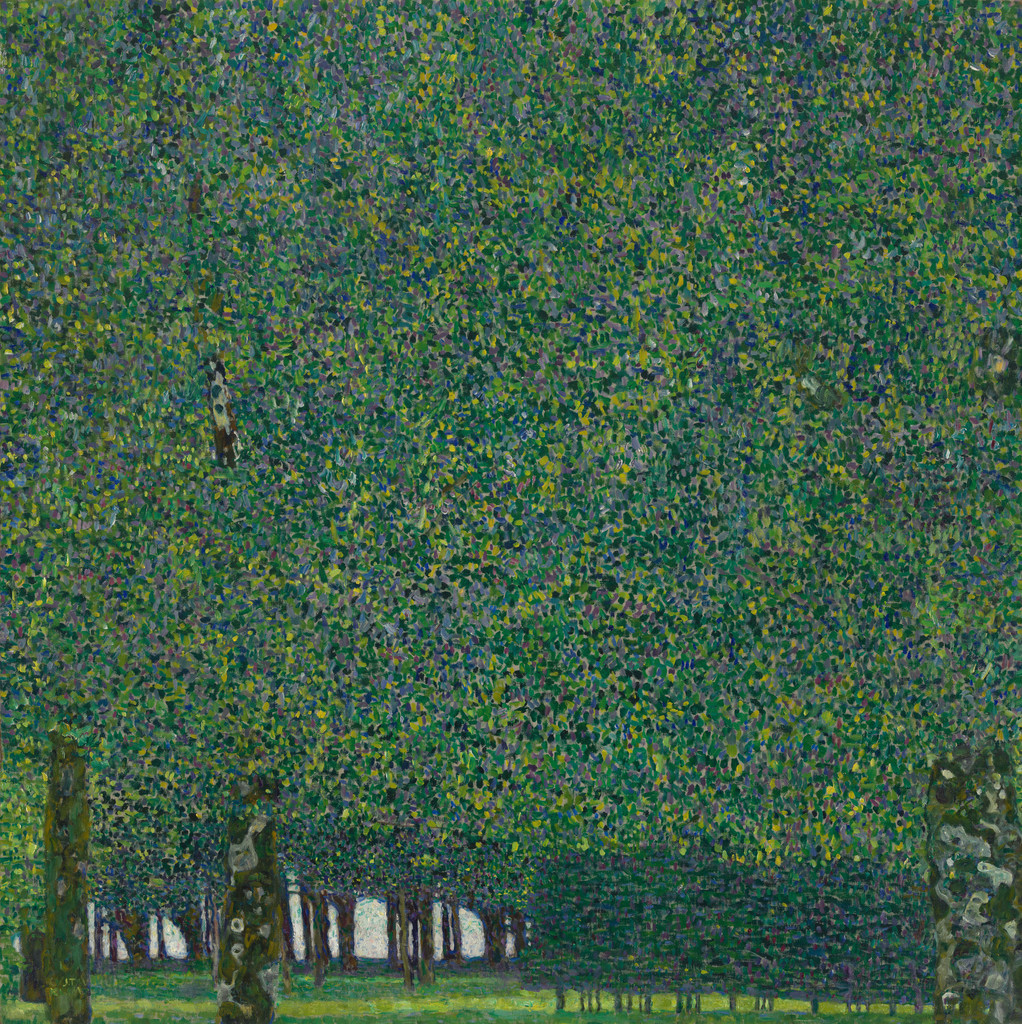
The Park, Gustav Klimt, 1910 or earlier

The Park

1910 or earlier · Museum of Modern Art

Baby (Cradle), Gustav Klimt, 1917/1918

Baby (Cradle)

1917/1918 · National Gallery of Art

Pear Tree, Gustav Klimt, 1903 (reworked by the artist 1903/1918)

Pear Tree

1903 (reworked by the artist 1903/1918) · Harvard Art Museums

Studie van een in een plaid gewikkelde, rustende vrouw, Gustav Klimt, 1872 - 1918

Studie van een in een plaid gewikkelde, rustende vrouw

1872 - 1918 · Rijksmuseum Amsterdam

Studie für „Bildnis Johanna Staude“, Gustav Klimt

Studie für „Bildnis Johanna Staude“

Albertina

Uit de collectie: Österreichische Galerie Belvedere

Museumpagina
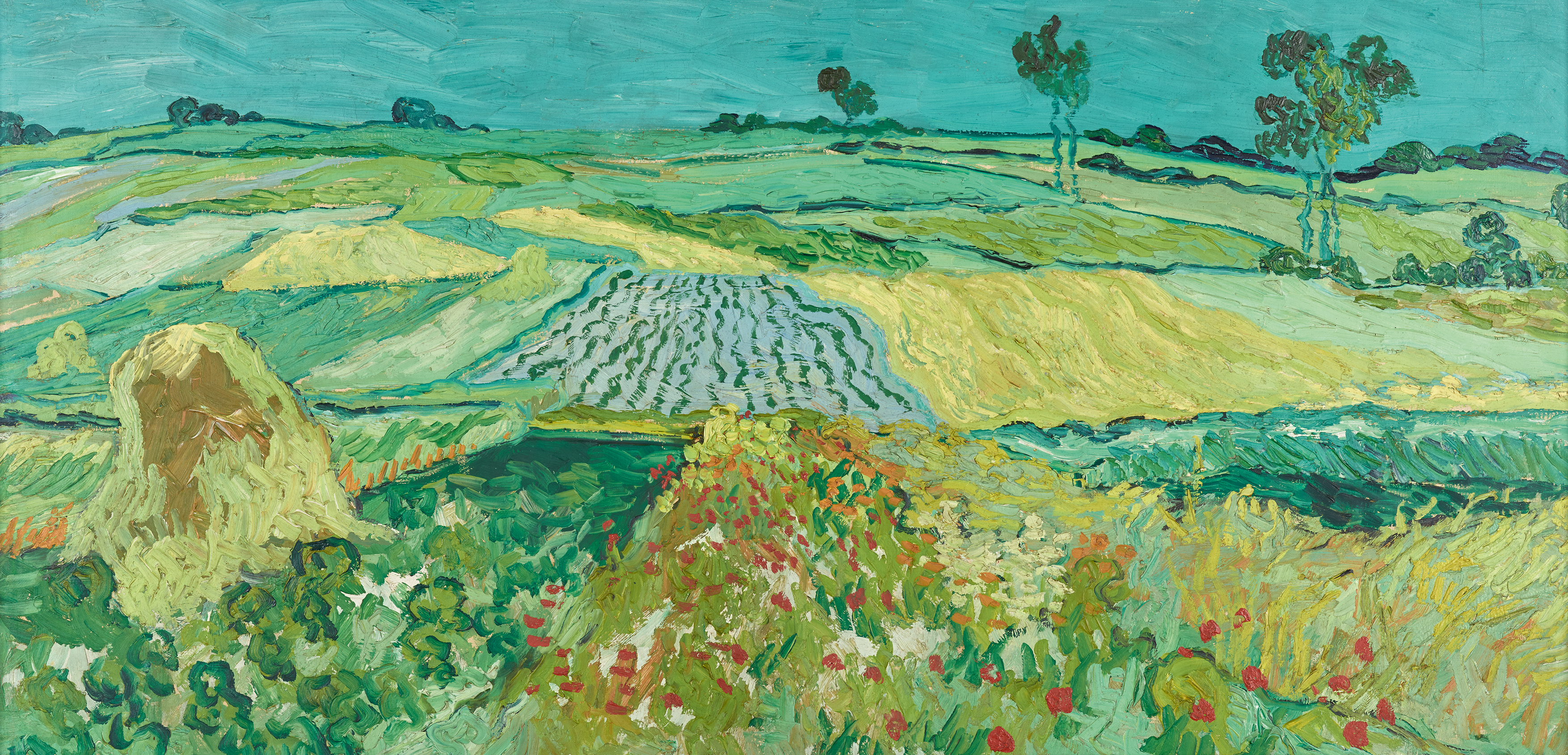
Die Ebene von Auvers, Vincent van Gogh, 1890

Vincent van Gogh

Die Ebene von Auvers, 1890

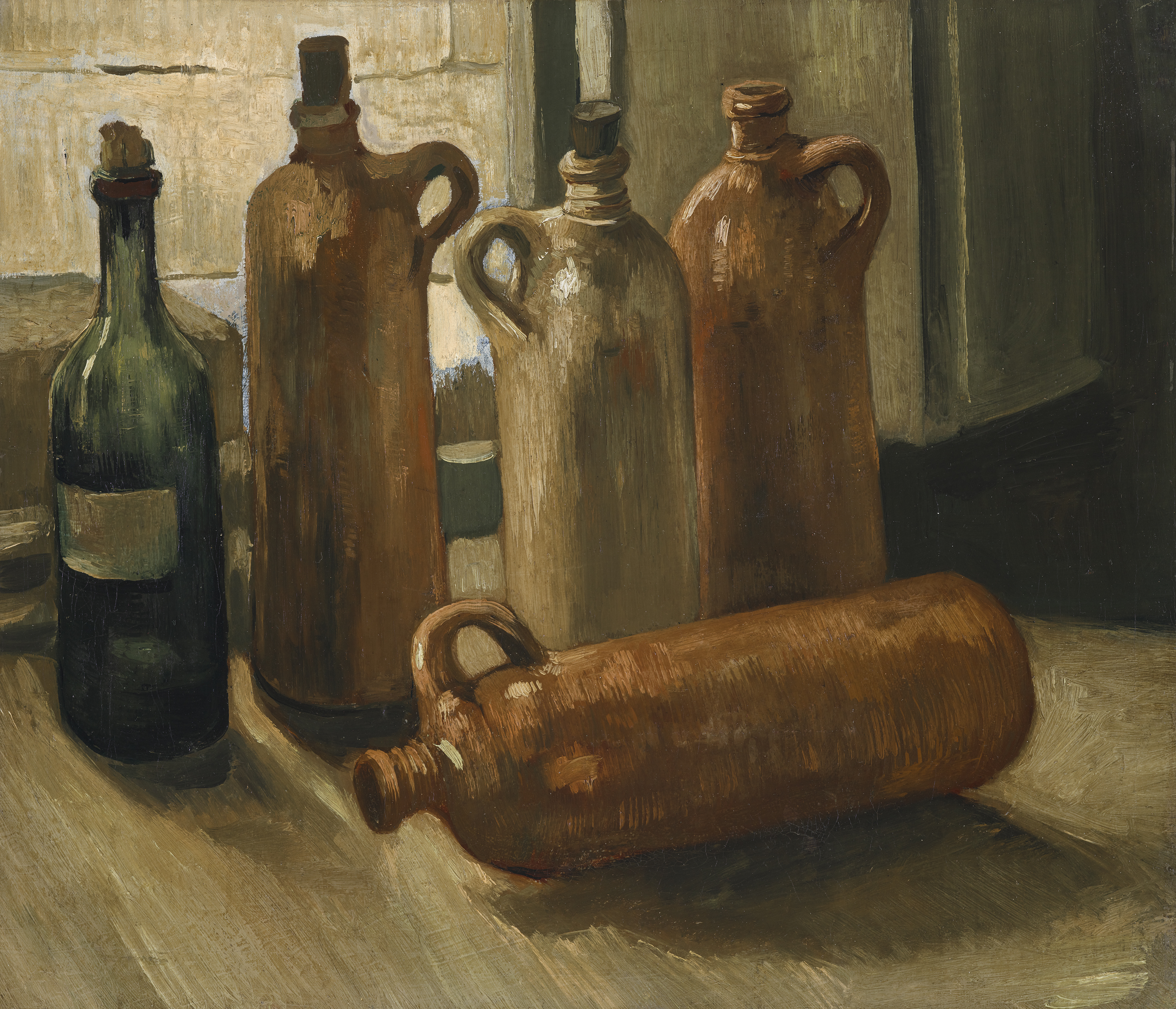
Stillleben mit fünf Flaschen, Vincent van Gogh, 1884

Vincent van Gogh

Stillleben mit fünf Flaschen, 1884

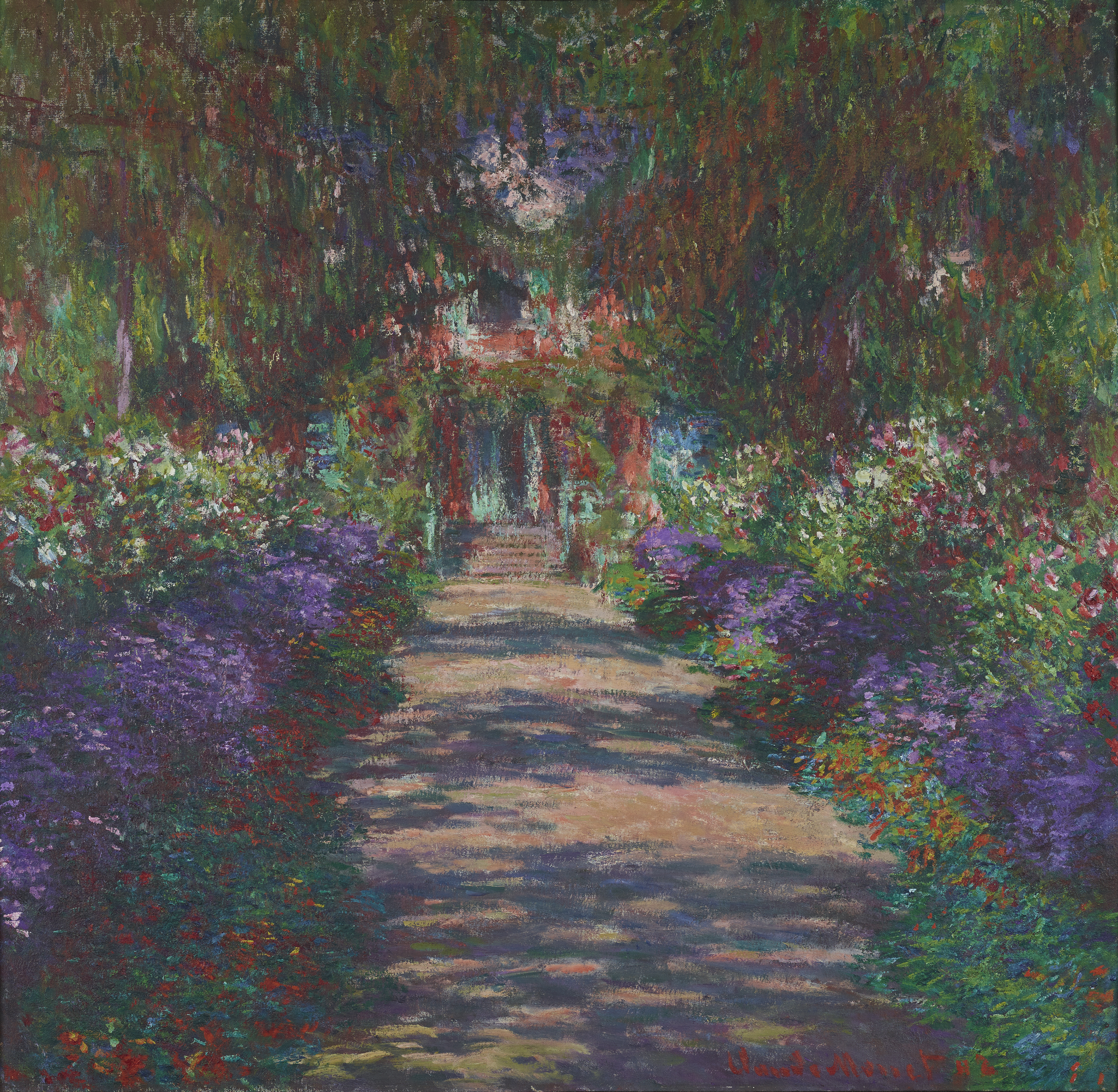
Eine Allee in Monets Garten in Giverny, Claude Monet, 1902

Claude Monet

Eine Allee in Monets Garten in Giverny, 1902

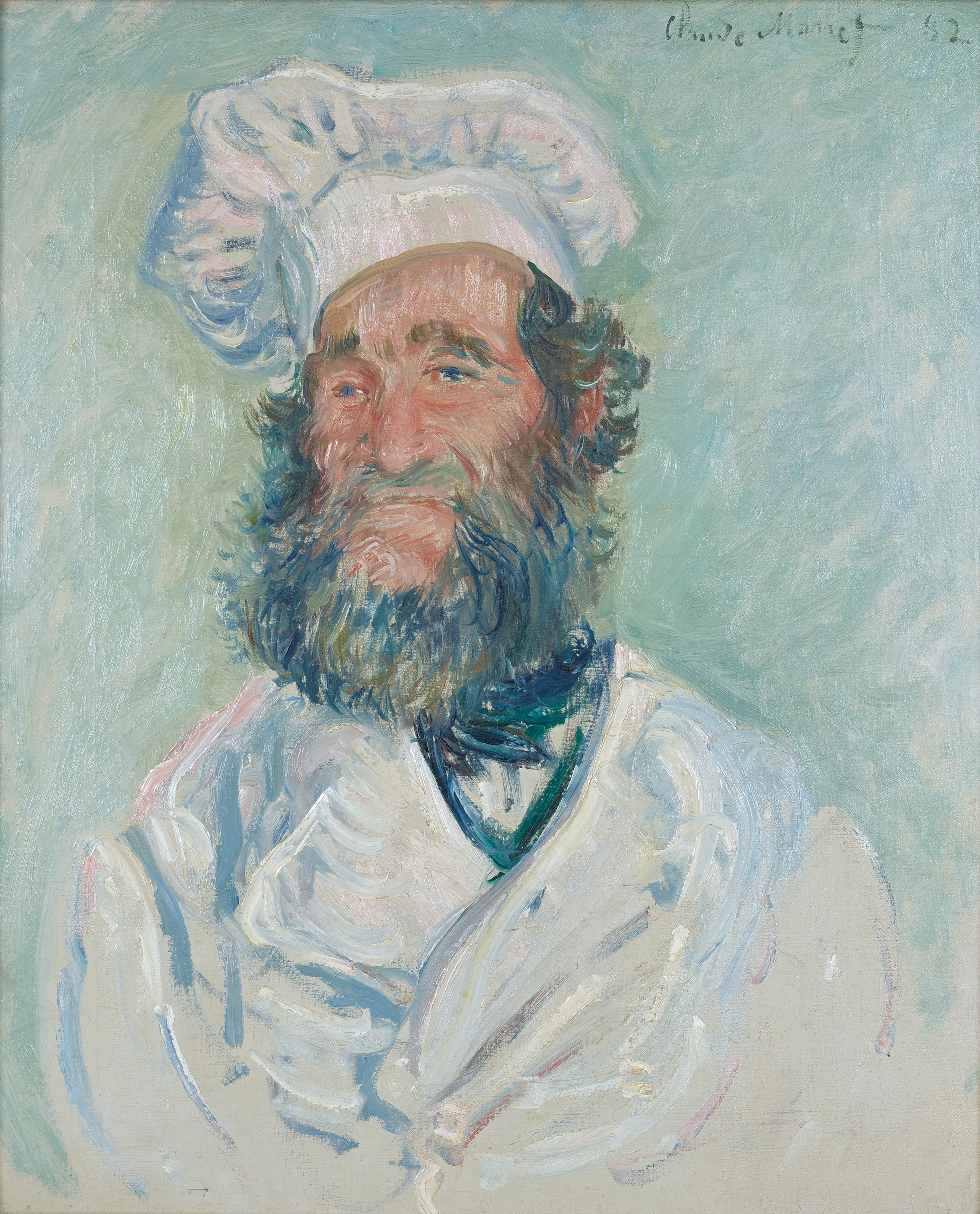
Der Koch (Le Père Paul), Claude Monet, 1882

Claude Monet

Der Koch (Le Père Paul), 1882

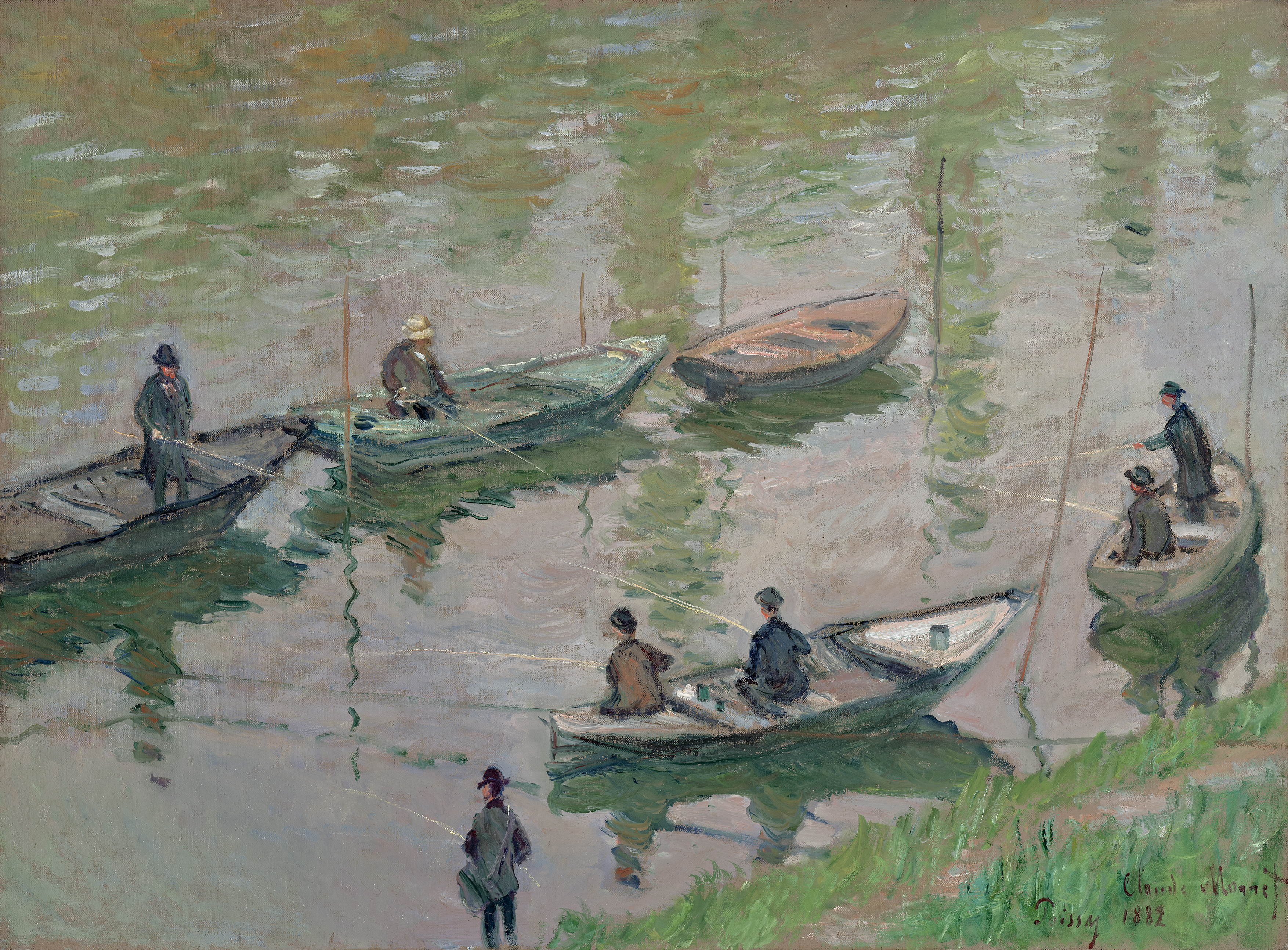
Angler auf der Seine bei Poissy, Claude Monet, 1882

Claude Monet

Angler auf der Seine bei Poissy, 1882

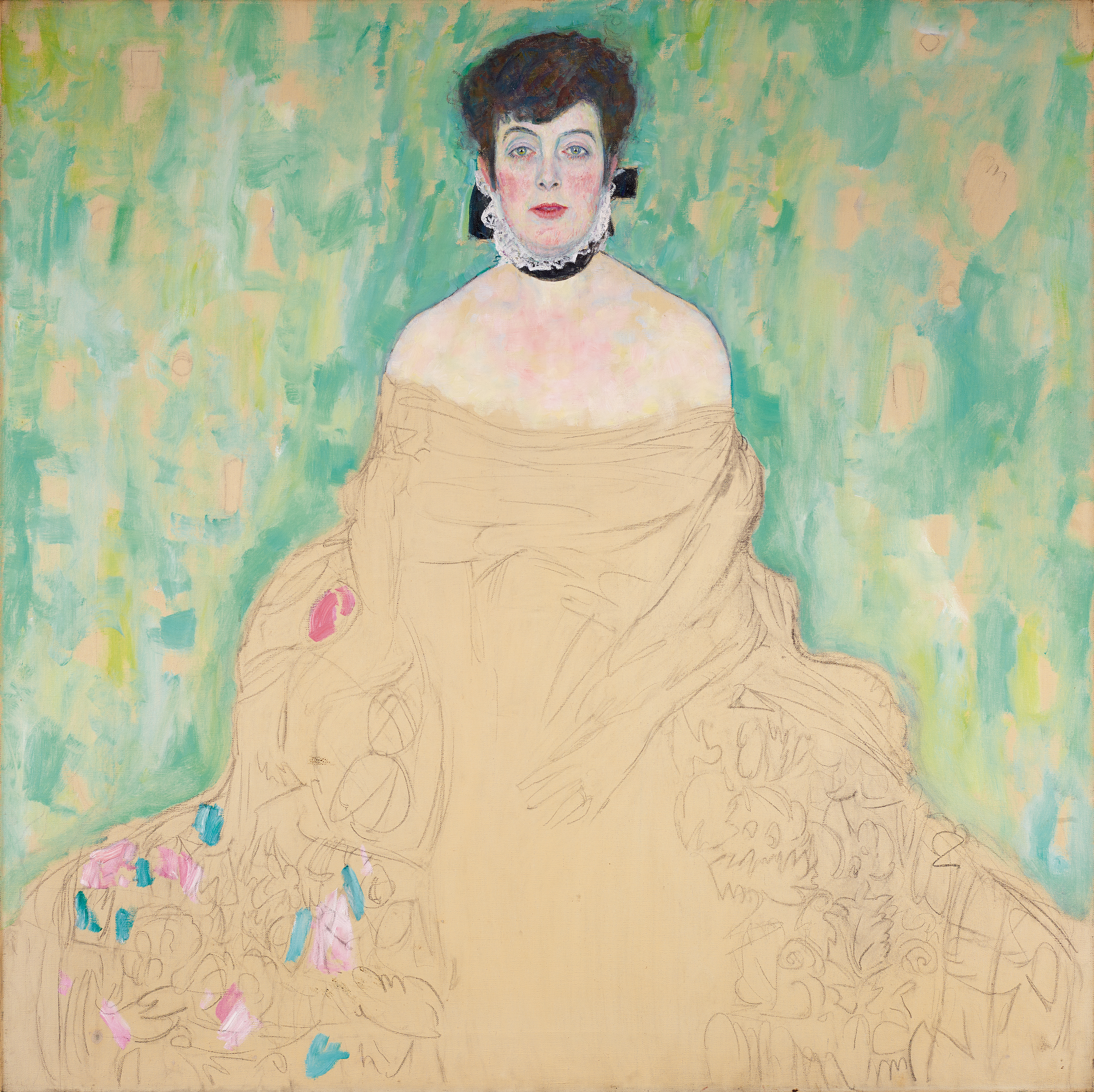
Amalie Zuckerkandl, Gustav Klimt, 1917–1918

Gustav Klimt

Amalie Zuckerkandl, 1917–1918

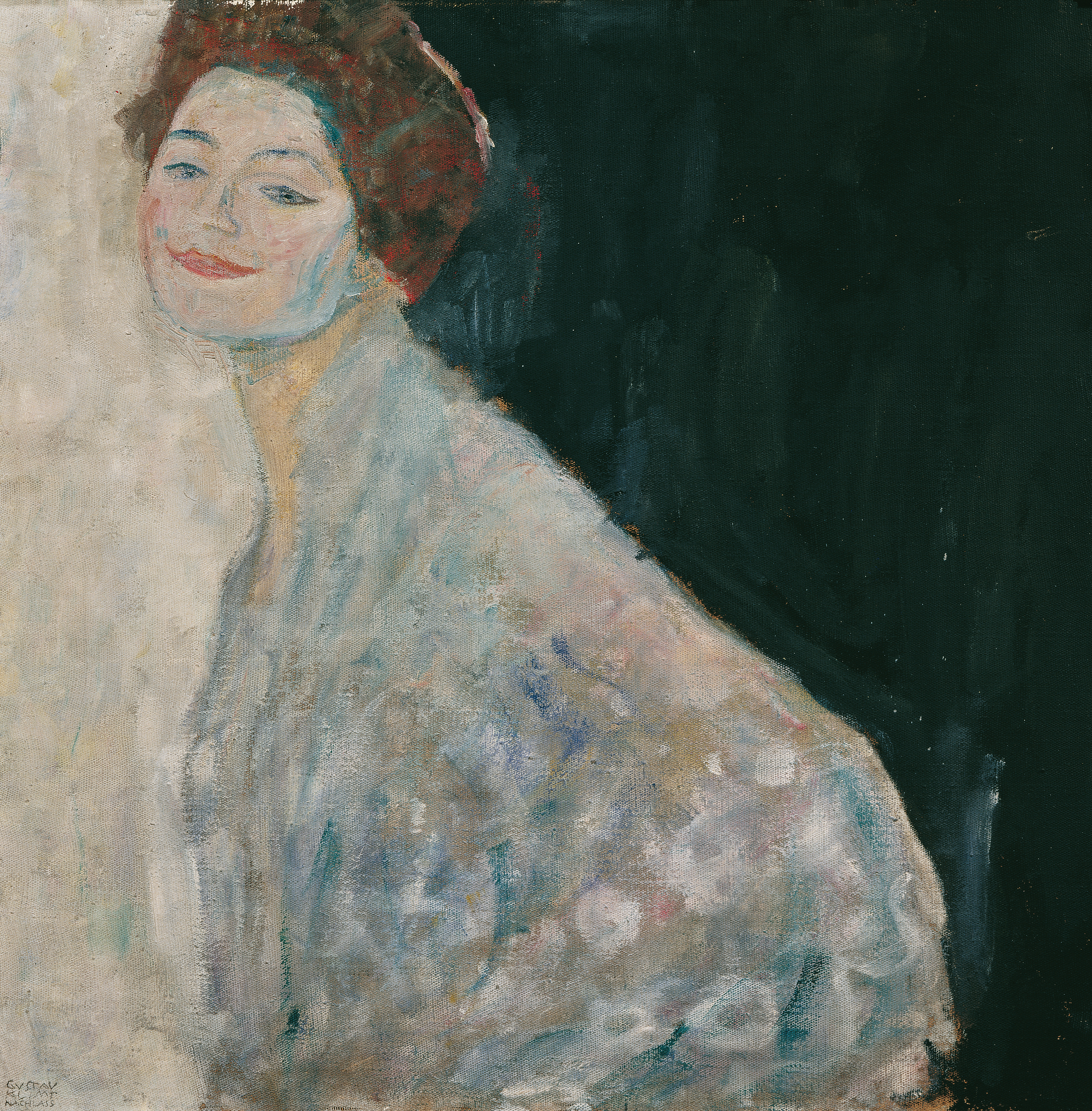
Dame in Weiß, Gustav Klimt, 1917–1918

Gustav Klimt

Dame in Weiß, 1917–1918

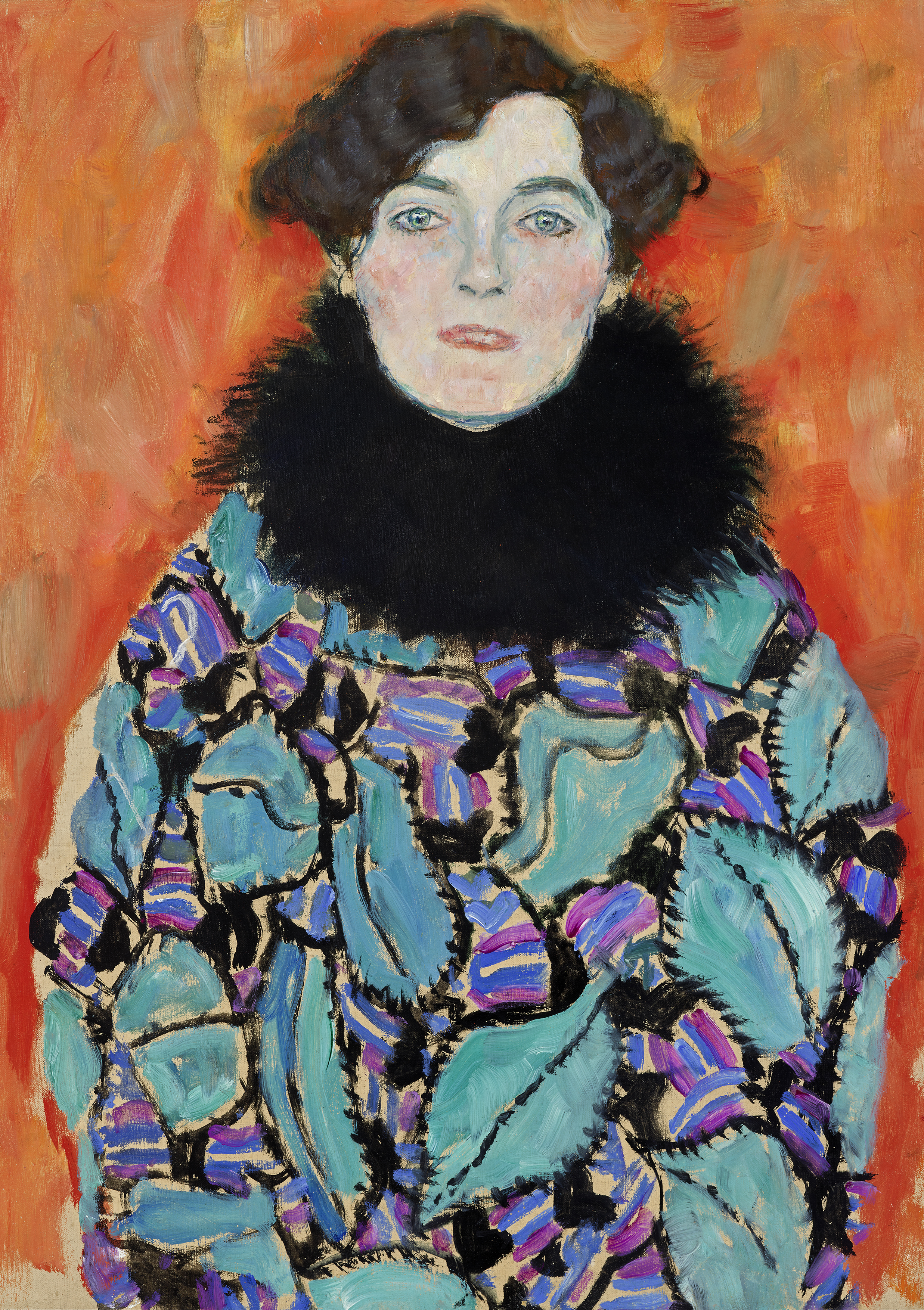
Johanna Staude, Gustav Klimt, 1917–1918

Gustav Klimt

Johanna Staude, 1917–1918