ART WIKI33.040 te zien
KaartCollectieKunstenaarsMuseaTentoonstellingenJournal
Inloggen

ART WIKI

Waar het meesterwerk hangt en wanneer men u toelaat.

Collecties: Art Institute of Chicago, Cleveland Museum of Art, Getty Villa, Harvard Art Museums, Hermitage, Hirshhorn Museum and Sculpture Garden, J. Paul Getty Museum, Louvre, Metropolitan Museum of Art, Minneapolis Institute of Art, Museum of Modern Art, National Gallery of Art, National Museum of Asian Art, National Portrait Gallery, Poesjkinmuseum, Rijksmuseum Amsterdam, Russisch Museum, Smithsonian American Art Museum, Statens Museum for Kunst, Tretjakovgalerij, Victoria and Albert Museum, Whitney Museum of American Art, Staatscatalogus van het Russische museumfonds (274 musea), Europeana (19 musea), Wikidata (6 musea), Paris Musées (12 musea) en Joconde, de museumdatabank van het Franse ministerie van Cultuur (495 musea). De afbeeldingen behoren toe aan hun rechthebbenden.

Rubrieken

  • Kaart
  • Zoeken
  • Collectie
  • Meesterwerken
  • Nu te zien
  • Kunstenaars

Meer

  • Musea & galerieën
  • Tentoonstellingen
  • Journal
  • Waar de gegevens vandaan komen
  • Privacy & cookies
StartpaginaKaartCatalogus
  1. Collectie/
  2. Museum of Modern Art/
  3. Hope, II
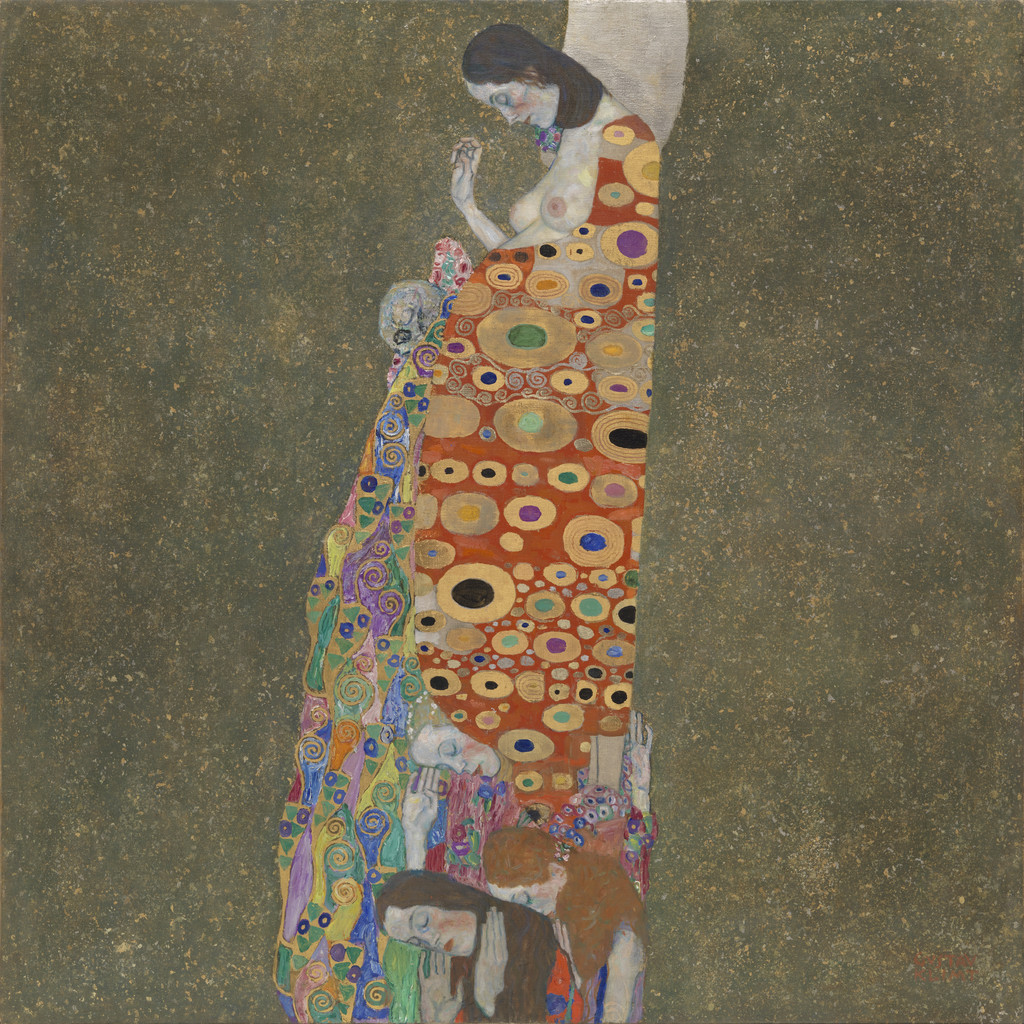
Hope, II, Gustav Klimt, 1907-08
Gustav Klimt, portretGustav KlimtOostenrijk, 1862–1918

Hope, II

1907-08 · Painting

Mag men het zien?

Ja, het ontvangt bezoek

Museum of Modern Art

New York, Verenigde Staten

ZaalMoMA, verdieping 5

Publiek tentoongesteld. Wie daarvoor instaat, staat hieronder.

Gecontroleerd
16 dagen geleden
Bron
Het museum
Op de kaartMuseumpagina

Over het schilderij

Hope II (German: Die Hoffnung II) is a 1907–1908 oil-on-canvas painting with gold and platinum, by the Austrian symbolist painter Gustav Klimt. It depicts a pregnant woman with closed eyes and was the second of Klimt's works to focus on a pregnant woman, both depicting Herma, one of his favourite models. It was originally entitled Vision by Klimt, but has become known as Hope II after the earlier work Hope, which is now distinguished as Hope I. Hope II was acquired by the Museum of Modern Art in New York City in 1978.

Wikipedia · CC BY-SA

Gegevens

1907-08
18621918
Inventarisnummer
468.1978

Intussen, in het leven van Gustav Klimt

Het hele leven
  1. 1900–1907

    He returns the advance and keeps the paintings

    The state commission refused to accept the three “Faculty Paintings”; Klimt told the minister he would return the 60,000-krone advance, refused to work for the Austrian state again and kept the pictures. The ministry demanded them, but Klimt did not open the door to the removal men — and the affair ended in his victory.

  2. 1905

    Klimt and his group leave the Secession

    Klimt and his “stylist” followers, who held that art should enter every sphere of life, fell out with the “naturalists”; the decision against Klimt's group was carried by a single vote. For the next three years the group had no joint exhibitions.

  3. 1906

    The “Kunstschau” group

    A year after the split Klimt formed the “Kunstschau” group, or “Klimt group”, which included Carl Moll, Otto Wagner and other leading Austrian artists.

  4. 1 June – 16 November 1908

    The first Vienna Art Show

    For the sixtieth anniversary of Franz Joseph's reign pavilions with 54 rooms were built on a temporary site and over 900 works shown. Room 22, which Peter Altenberg called “the church of modern art named after Gustav Klimt”, held “The Kiss”, “Adele Bloch-Bauer I”, “Danaë” and “The Three Ages of Woman”.

  5. 1909

    The second Vienna Art Show

    The second generation of modernists was represented by Kokoschka and Egon Schiele, and Klimt showed “Judith II” and “Hope II”. The works of Van Gogh, Munch, Gauguin, Vallotton, Bonnard and Matisse gave him the impulse for a new phase, but he never organized exhibitions again.

Meer van Gustav Klimt

Alle werken

In dezelfde zaal · MoMA, Floor 5, Museum of Modern Art

Museumpagina
  • 1910

    Klimt at the Venice Biennale

    Klimt's exhibition at the 1910 Venice Biennale influenced the artistic scene of Venice; the Italian Liberty artists Galileo Chini and Vittorio Zecchin were among those he influenced.

  • In de catalogus

    SchilderijenOlieverfOostenrijkse schilderkunstModernisme20e eeuw

    Bronnen

    • Museum of Modern Art
    • Afbeelding: Museum of Modern Art — © the artist or rights holder
    Mäda Primavesi (1903–2000), Gustav Klimt, 1912–13

    Mäda Primavesi (1903–2000)

    1912–13 · Metropolitan Museum of Art

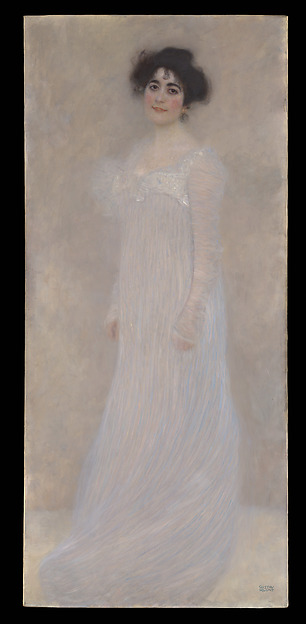
    Serena Pulitzer Lederer (1867–1943), Gustav Klimt, 1899

    Serena Pulitzer Lederer (1867–1943)

    1899 · Metropolitan Museum of Art

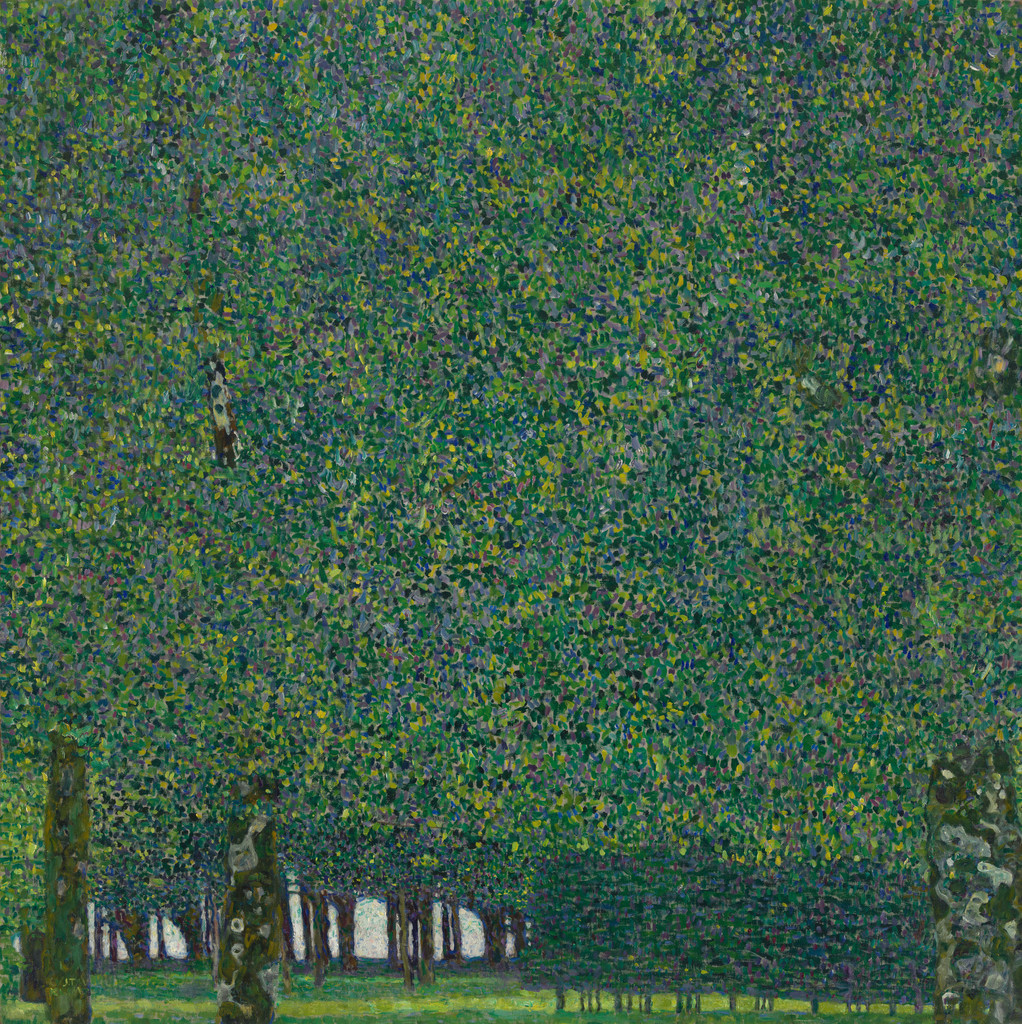
    The Park, Gustav Klimt, 1910 or earlier

    The Park

    1910 or earlier · Museum of Modern Art

    Baby (Cradle), Gustav Klimt, 1917/1918

    Baby (Cradle)

    1917/1918 · National Gallery of Art

    Pear Tree, Gustav Klimt, 1903 (reworked by the artist 1903/1918)

    Pear Tree

    1903 (reworked by the artist 1903/1918) · Harvard Art Museums

    Studie van een in een plaid gewikkelde, rustende vrouw, Gustav Klimt, 1872 - 1918

    Studie van een in een plaid gewikkelde, rustende vrouw

    1872 - 1918 · Rijksmuseum Amsterdam

    Studie für „Bildnis Johanna Staude“, Gustav Klimt

    Studie für „Bildnis Johanna Staude“

    Albertina

    Brustbild einer Frau, Gustav Klimt

    Brustbild einer Frau

    Albertina

    The Park, Gustav Klimt, 1910 or earlier

    Gustav Klimt

    The Park, 1910 or earlier

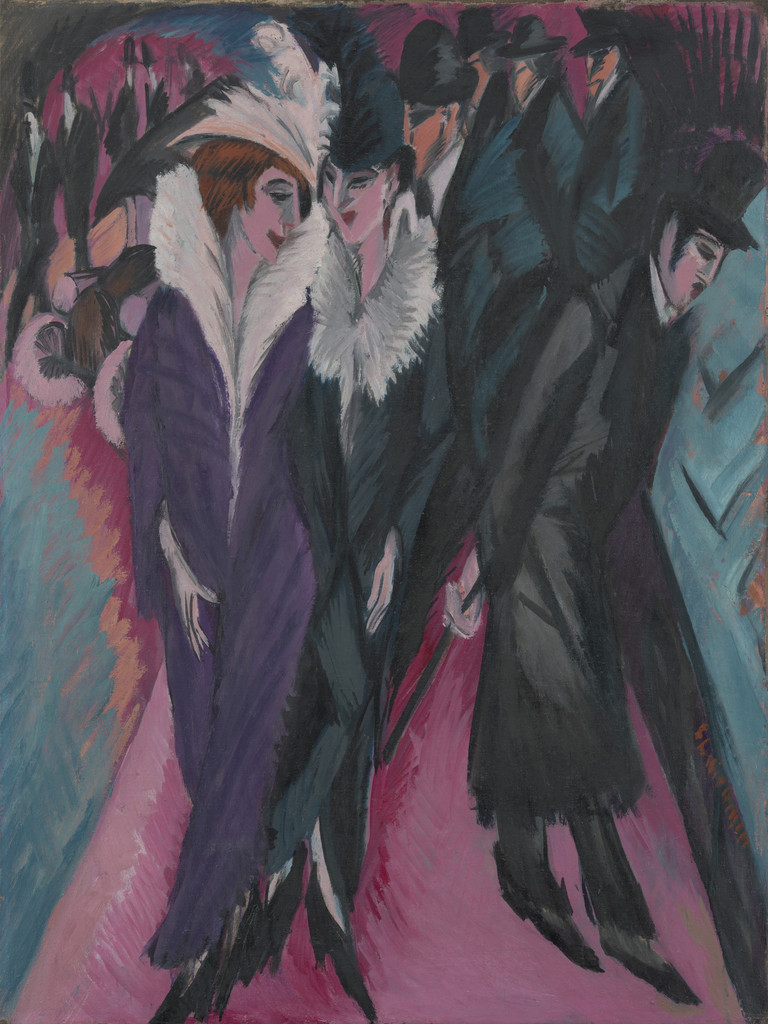
    Street, Berlin, Ernst Ludwig Kirchner, 1913

    Ernst Ludwig Kirchner

    Street, Berlin, 1913

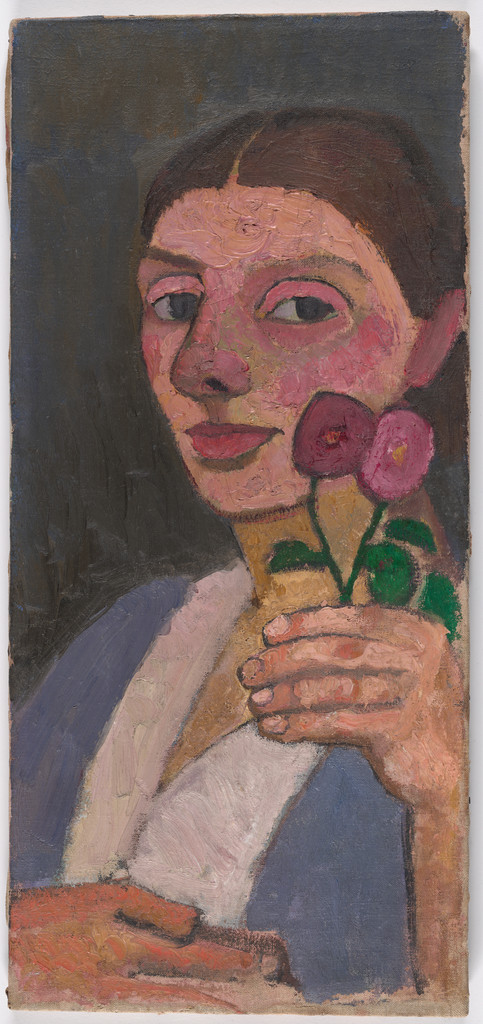
    Self-Portrait with Two Flowers in Her Raised Left Hand, Paula Modersohn-Becker, 1907

    Paula Modersohn-Becker

    Self-Portrait with Two Flowers in Her Raised Left Hand, 1907