Aleksandr RodchenkoRusland, 1891–1956
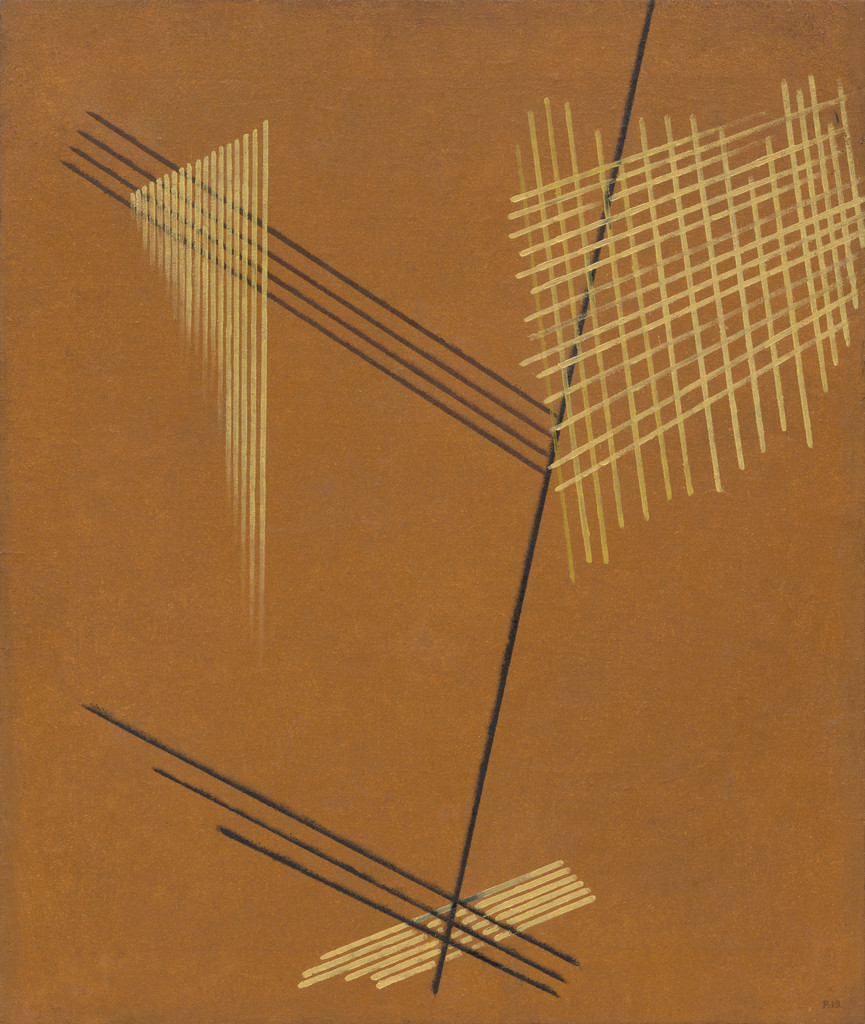
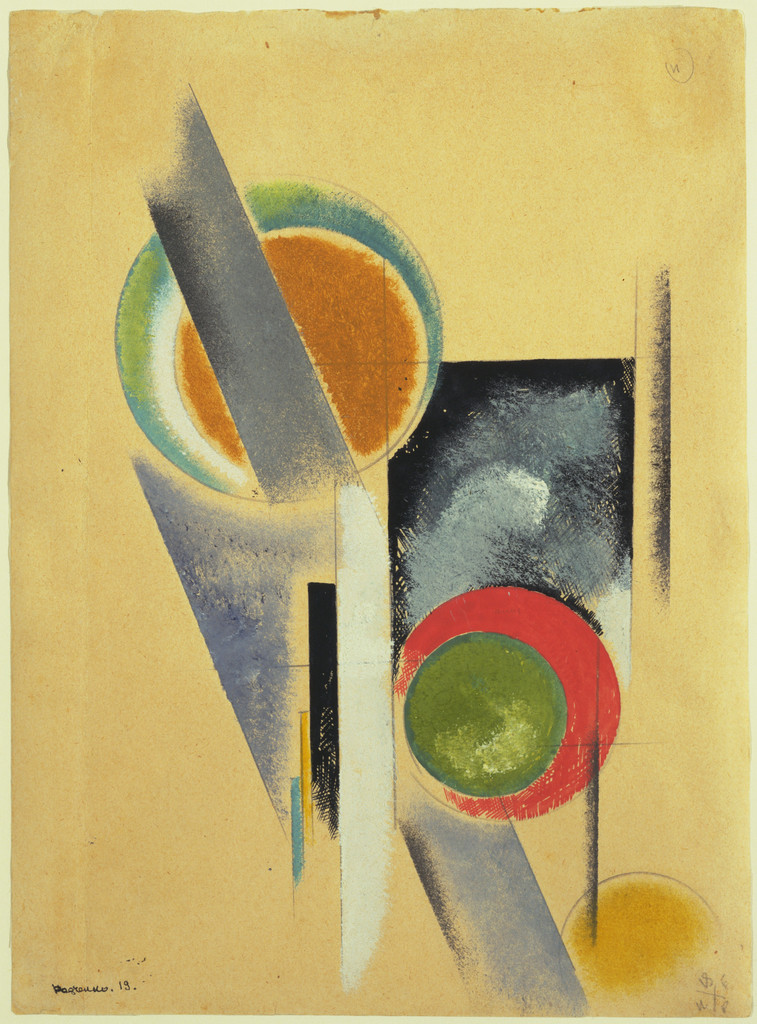
Linear Composition
Kan ik het zien?
Onbekend
Waar is „Linear Composition” nu? Collectie: Yale University Art Gallery, New Haven. Of het vandaag te zien is, is onbekend.
New Haven, Verenigde Staten
De eigenaar is bekend; of het werk nu te zien is, is onbekend.
- Ongewijzigd sinds
- Bron
- Het museum
Over het werk
Alexander Rodchenko was a pivotal figure in the Constructivist art movement, which arose in Russia following the revolution of 1917 and expanded in the Soviet Union, formed in 1922. These artists sought to develop a new practice of artistic creation that would complement the emerging socialist society and perhaps even contribute directly to economic production. One of their overriding goals was to find an exit route from the preceding tradition of bourgeois art, with its emphasis on individual expression and aesthetic contemplation. By contrast, Rodchenko and his counterparts cast themselves as artist-laborers who worked in a kind of artistic laboratory for industrial science. In this drawing, however, the arrangement of shapes seems more arbitrary than analytical: there is a free and even whimsical quality to the work, suggesting that the need for scientific exactitude in service of the revolution had not yet expunged the impulse toward lyrical expression.
Yale University Art Gallery
Gegevens
- Inventarisnummer
- 2019.63.2
In de catalogus
Bronnen
- Yale University Art Gallery
- Afbeelding: Yale University Art Gallery — Image: Yale University Art Gallery · In Copyright
In het leven van Aleksandr Rodchenko
Het hele leven1918–1921
Heads the Museum Bureau of Narkompros
From 1918 to 1921 Rodchenko heads the museum bureau of the Fine Arts Department of Narkompros. By other accounts, he was appointed Director of the Museum Bureau and Purchasing Fund in 1920, responsible for reorganising art schools and museums.
1920–1930
Professor at VKhUTEMAS/VKhUTEIN
For ten years Rodchenko teaches in the woodworking and metalworking faculties (merged into the Dermetfak in 1928), training students to design multifunctional objects for everyday life and public buildings, expressive through construction rather than ornament.
1921
Turns to Productivism
With Stepanova and Aleksei Gan, Rodchenko joins the Productivist group, which advocated bringing art into everyday life, and gives up painting for graphic design — posters, books and films. He also created the early corporate identity of the airline Dobrolyot (later Aeroflot), with its “Winged Hammer and Sickle” logo.
1921
“5×5=25”: three monochrome canvases
At the “5×5=25” exhibition in Moscow Rodchenko shows the first true monochrome paintings — red, blue and yellow. He later proclaimed that he had reduced painting to its logical conclusion: “I affirmed: it's all over.”
1921
Succeeds Kandinsky as head of Inkhuk
In 1921 Rodchenko succeeds Wassily Kandinsky as chairman of the Institute of Artistic Culture (Inkhuk), where he works until 1924.
1922
Works with Dziga Vertov
Rodchenko works intensively with the filmmaker Dziga Vertov, whose ideas and practice deeply influenced him.