Aleksandr RodchenkoRusland, 1891–1956
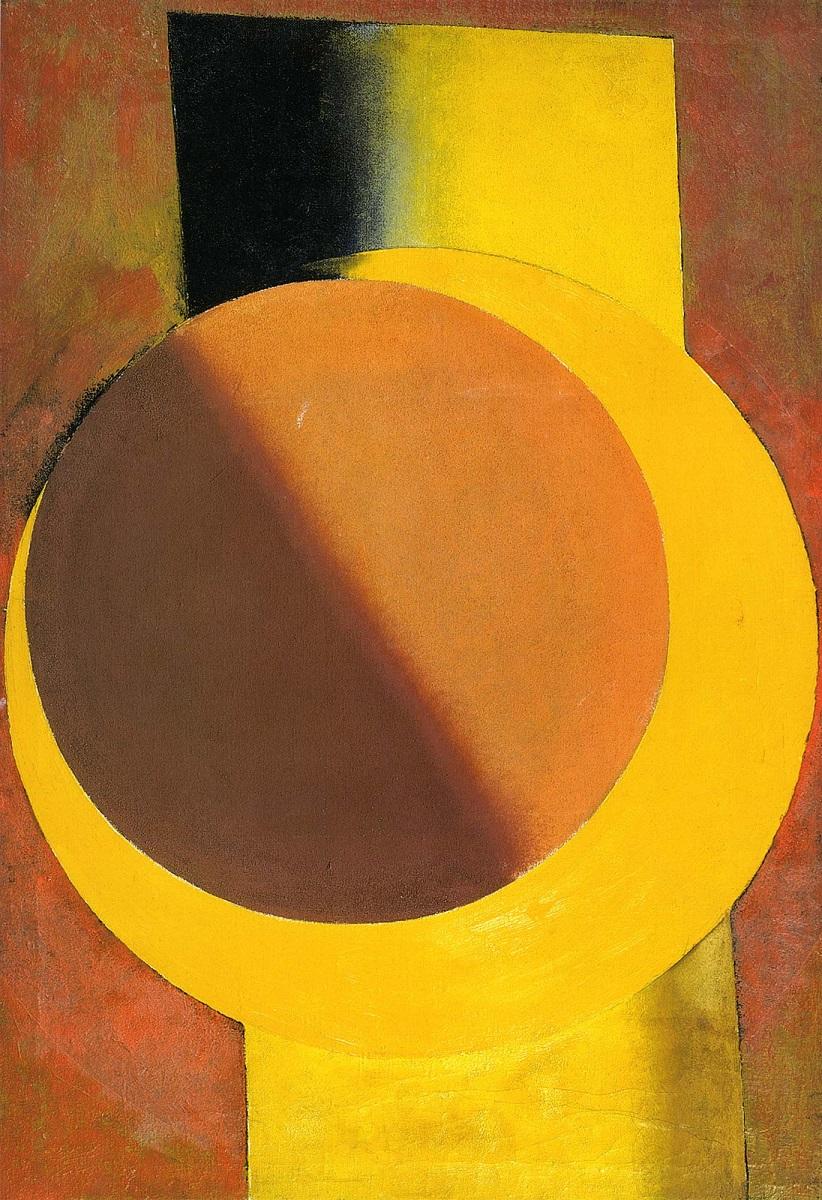
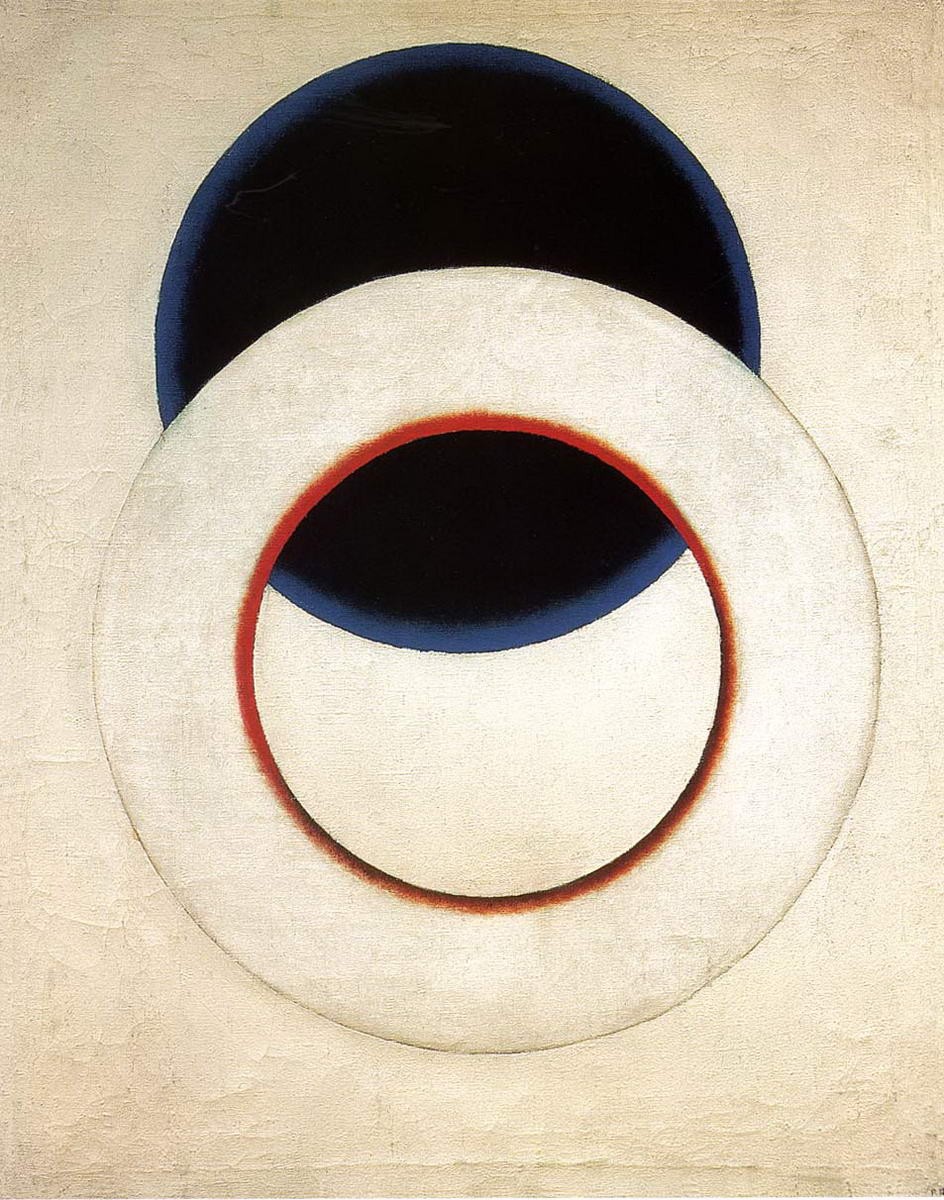
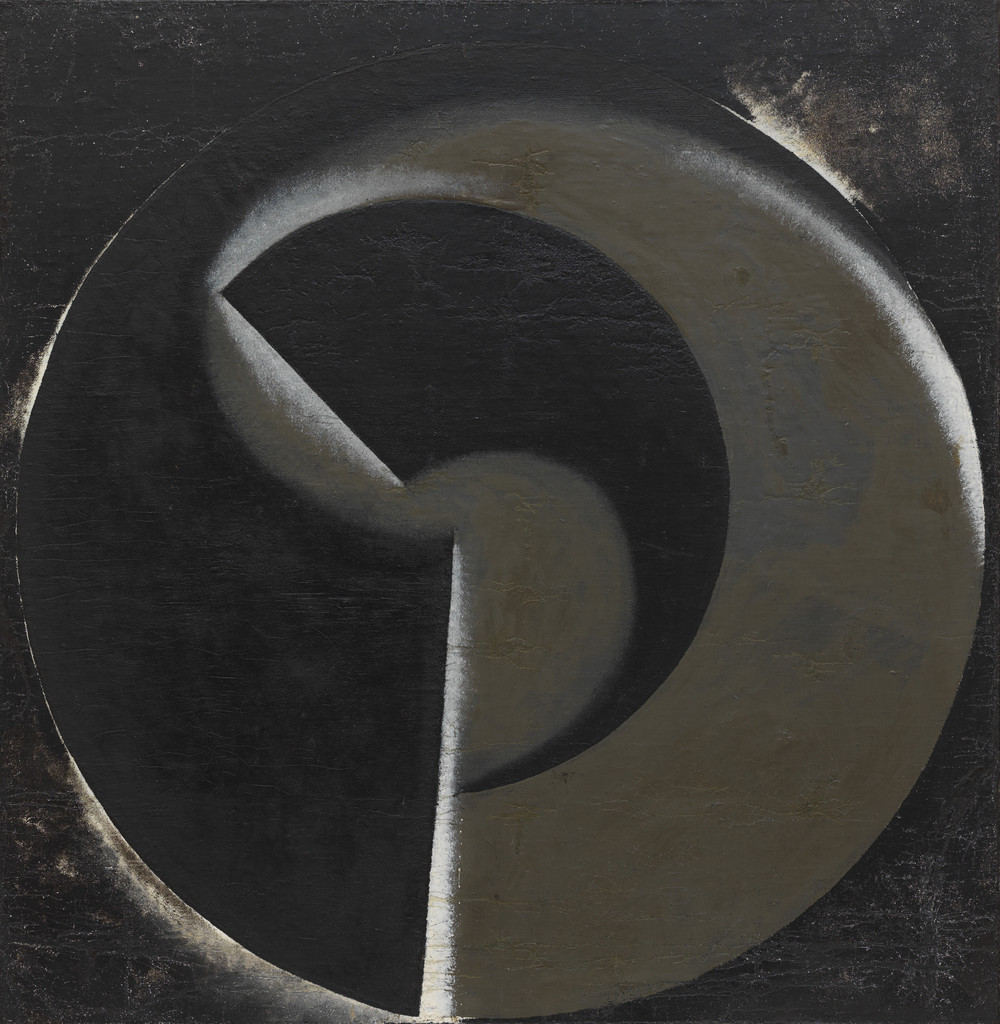
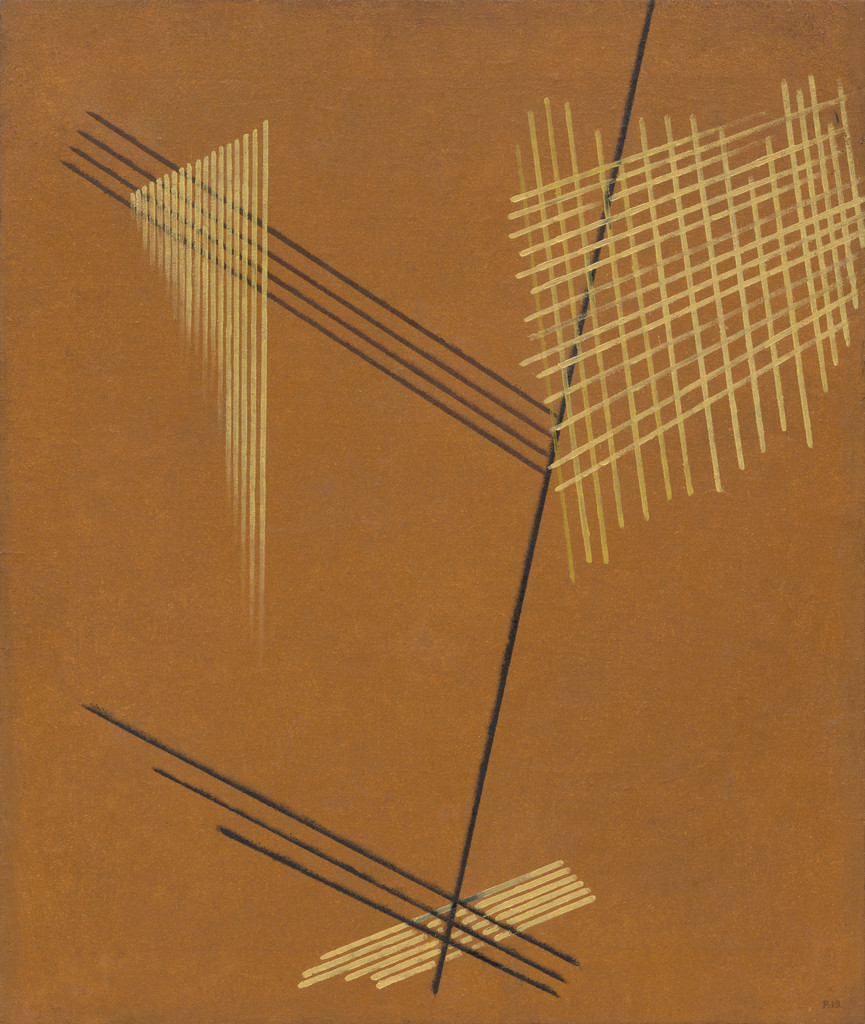
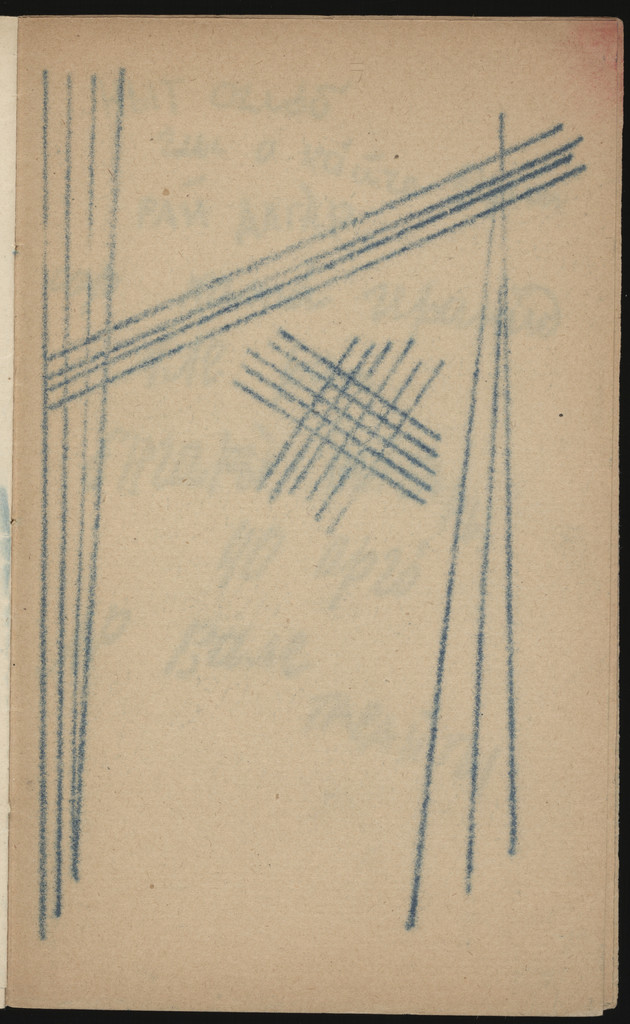
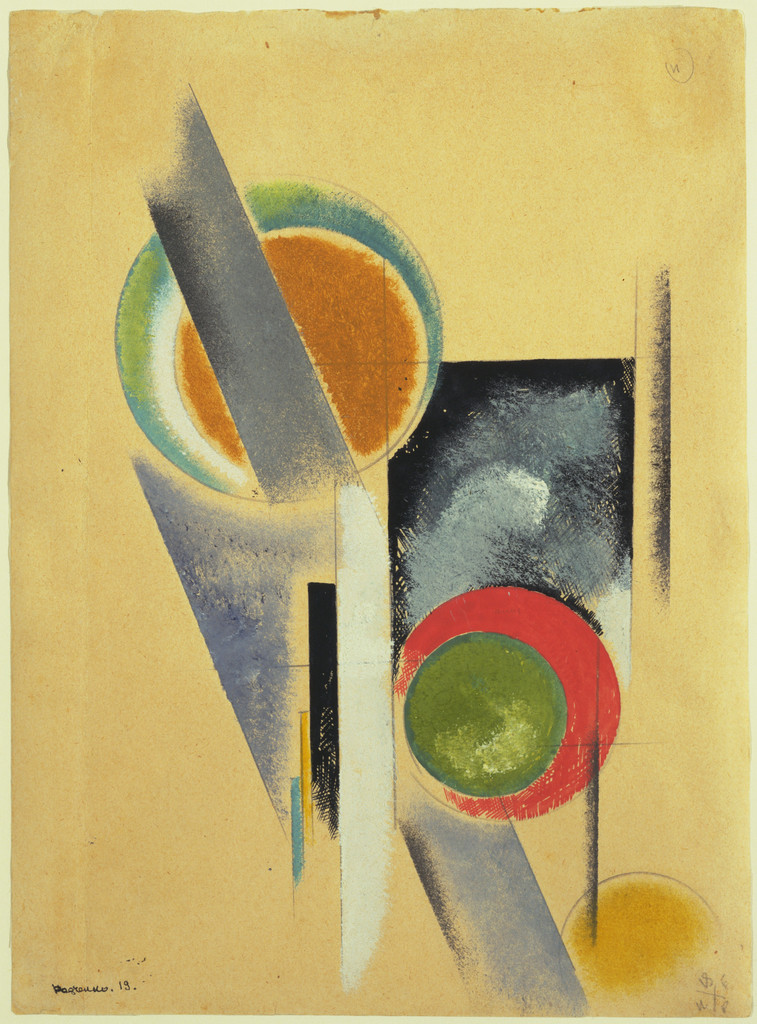
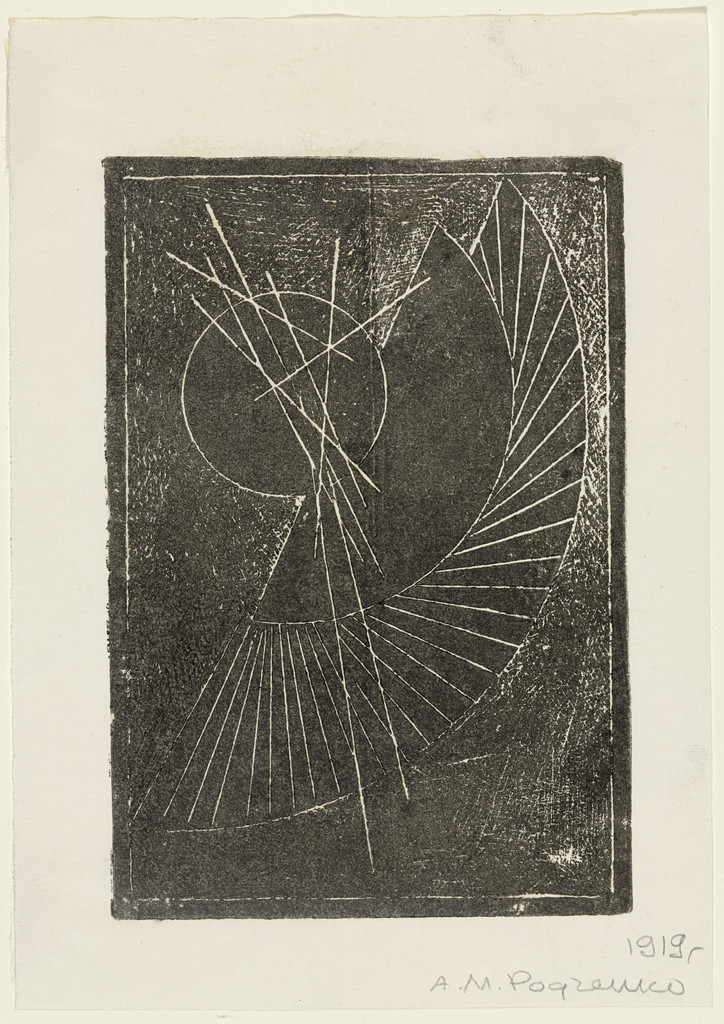
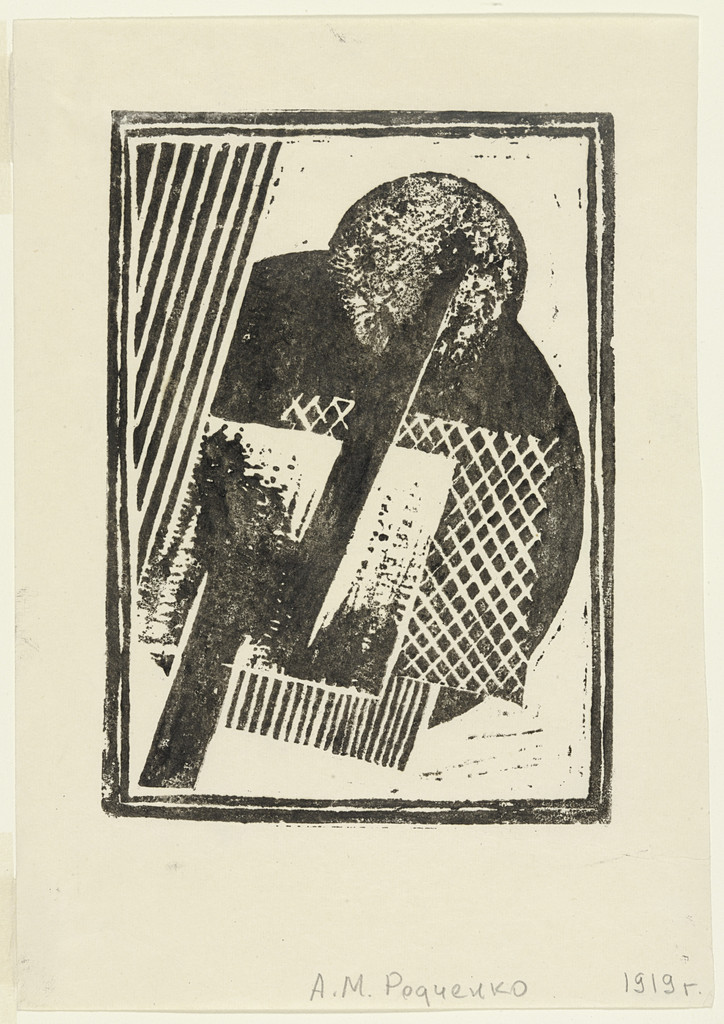
Untitled
Kan ik het zien?
Nu niet te zien
Waar is „Untitled” nu? Collectie: National Gallery of Art, Washington D.C. Nu niet te zien. Gecontroleerd 23 november 2026.

Washington D.C., Verenigde Staten
Het hoort bij de collectie, maar is momenteel niet tentoongesteld.
- Gecontroleerd
- Ongewijzigd sinds
- Bron
- Het museum
Gegevens
- Inventarisnummer
- 1987.60.1
Wat het toont
In de catalogus
Bronnen
- National Gallery of Art
- Afbeelding: National Gallery of Art — © the artist or rights holder
In het leven van Aleksandr Rodchenko
Het hele leven1916 – early 1917
Called up: a hospital train
That same year Rodchenko is called up; until early 1917 he serves as quartermaster of a Moscow Zemstvo hospital train.
1917
Secretary of the artists' union Young Federation
Right after the February Revolution a painters' union is founded in Moscow; Rodchenko becomes secretary of its Young Federation, working mainly to secure decent living and working conditions for young artists.
1920–1930
Professor at VKhUTEMAS/VKhUTEIN
For ten years Rodchenko teaches in the woodworking and metalworking faculties (merged into the Dermetfak in 1928), training students to design multifunctional objects for everyday life and public buildings, expressive through construction rather than ornament.
1921
Turns to Productivism
With Stepanova and Aleksei Gan, Rodchenko joins the Productivist group, which advocated bringing art into everyday life, and gives up painting for graphic design — posters, books and films. He also created the early corporate identity of the airline Dobrolyot (later Aeroflot), with its “Winged Hammer and Sickle” logo.
1921
“5×5=25”: three monochrome canvases
At the “5×5=25” exhibition in Moscow Rodchenko shows the first true monochrome paintings — red, blue and yellow. He later proclaimed that he had reduced painting to its logical conclusion: “I affirmed: it's all over.”
1921
Succeeds Kandinsky as head of Inkhuk
In 1921 Rodchenko succeeds Wassily Kandinsky as chairman of the Institute of Artistic Culture (Inkhuk), where he works until 1924.