 Gustav KlimtOostenrijk, 1862–1918
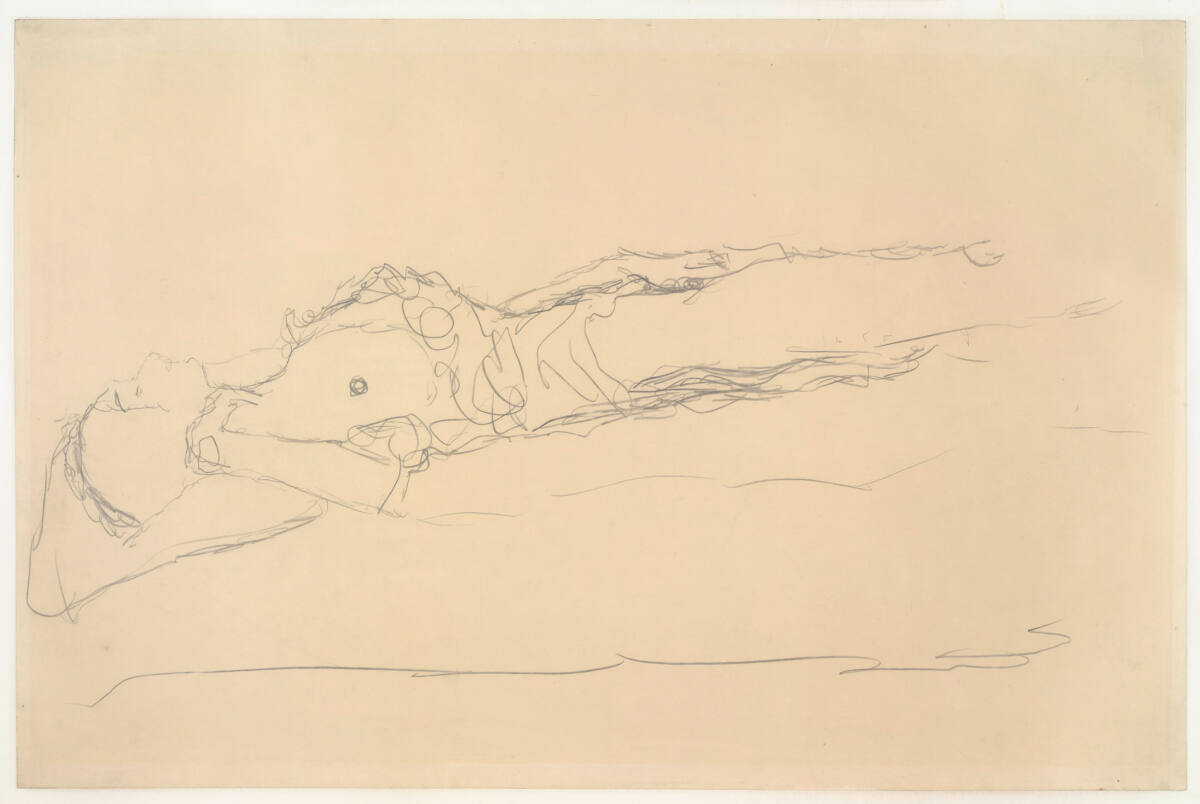
Liegender Halbakt
Kan ik het zien?
Onbekend
Waar is „Liegender Halbakt” nu? Collectie: Albertina, Wenen. Onbekend.

Wenen, Oostenrijk
De eigenaar is bekend; of het werk nu te zien is, is onbekend.
- Ongewijzigd sinds
- Bron
- Het museum
Gegevens
In de catalogus
Bronnen
- Albertina
- Afbeelding: Albertina — Public Domain Mark 1.0
In het leven van Gustav Klimt
Het hele leven1897–1917
Society portraits of Viennese ladies
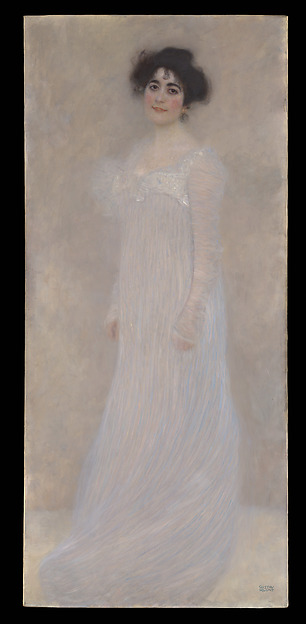
Over twenty years Klimt painted nearly twenty society portraits of women, which gave him financial independence; Carl Moll introduced him to many of the sitters, most of them from the Jewish upper bourgeoisie. In the portraits the ladies are hidden in sumptuous clothing, their heads and hands seeming to float detached from reality.
1908–1914
Galerie Miethke: a portfolio of reproductions of Klimt's work
Galerie Miethke, headed by Carl Moll and Klimt's exclusive agent, began after the 1908 Kunstschau to issue a portfolio of reproductions to promote Klimt abroad — five instalments of ten plates each. Klimt chose the works and approved the quality of the reproductions himself; the fifth instalment was never produced.
1914–1918
The war: colourful ladies and a good income
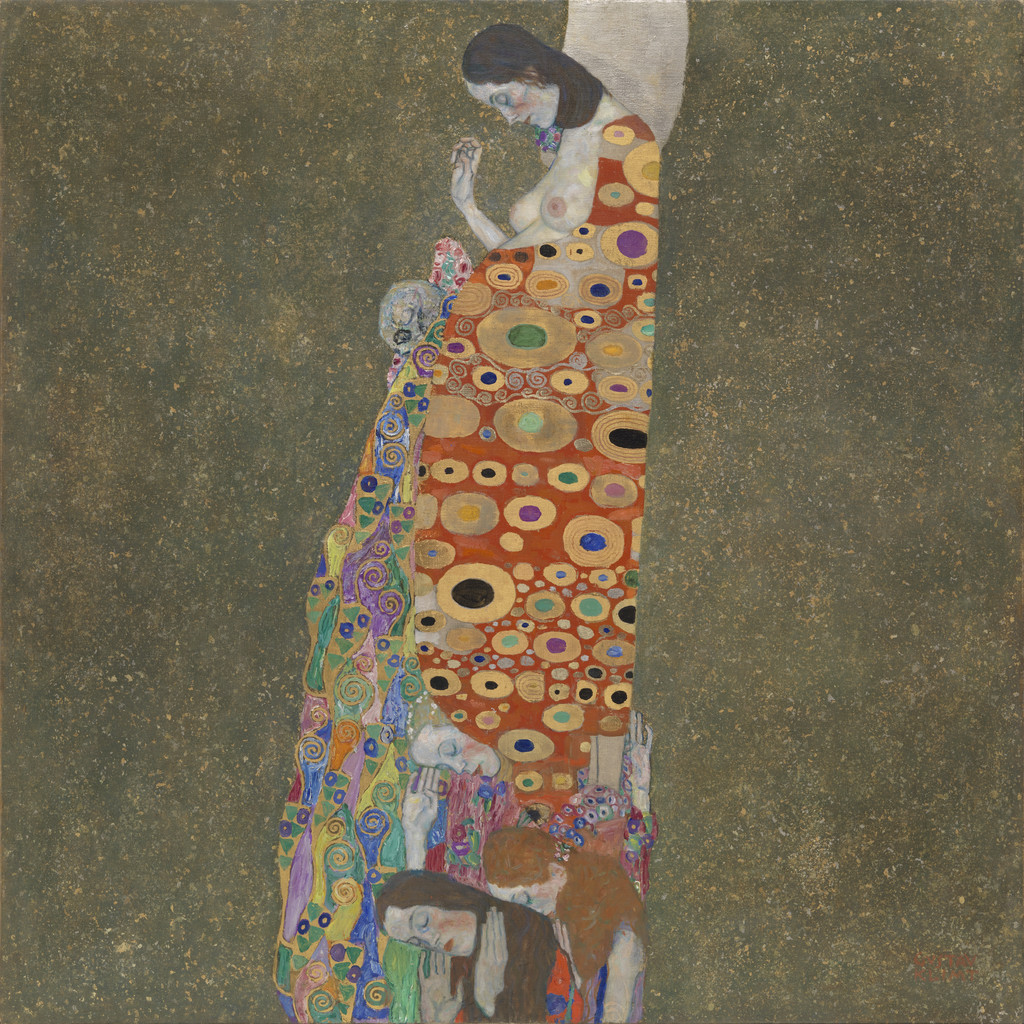
As if pushing the war out of his world, Klimt again painted the “beautiful Viennese women” — “Lady with a Fan”, “The Bride”, both “Dancers”; “Death and Life” is his only picture on a topical subject. His notebook shows that he earned well in the war years, collectors readily buying his portraits of elegant strangers.
1915
Death of his mother
His mother, Anna Klimt, died; Gustav continued to live on Westbahnstrasse with his two unmarried sisters.
11 January 1918
A stroke, the hospital, pneumonia
A stroke paralysed Klimt's right side; in hospital, where he was put on a water bed for bedsores, he caught influenza and pneumonia. For three weeks the press printed bulletins, and on his deathbed he demanded that his sisters send for Emilie Flöge.
6 februari 1918
Died