 Aleksandr RodchenkoRusland, 1891–1956
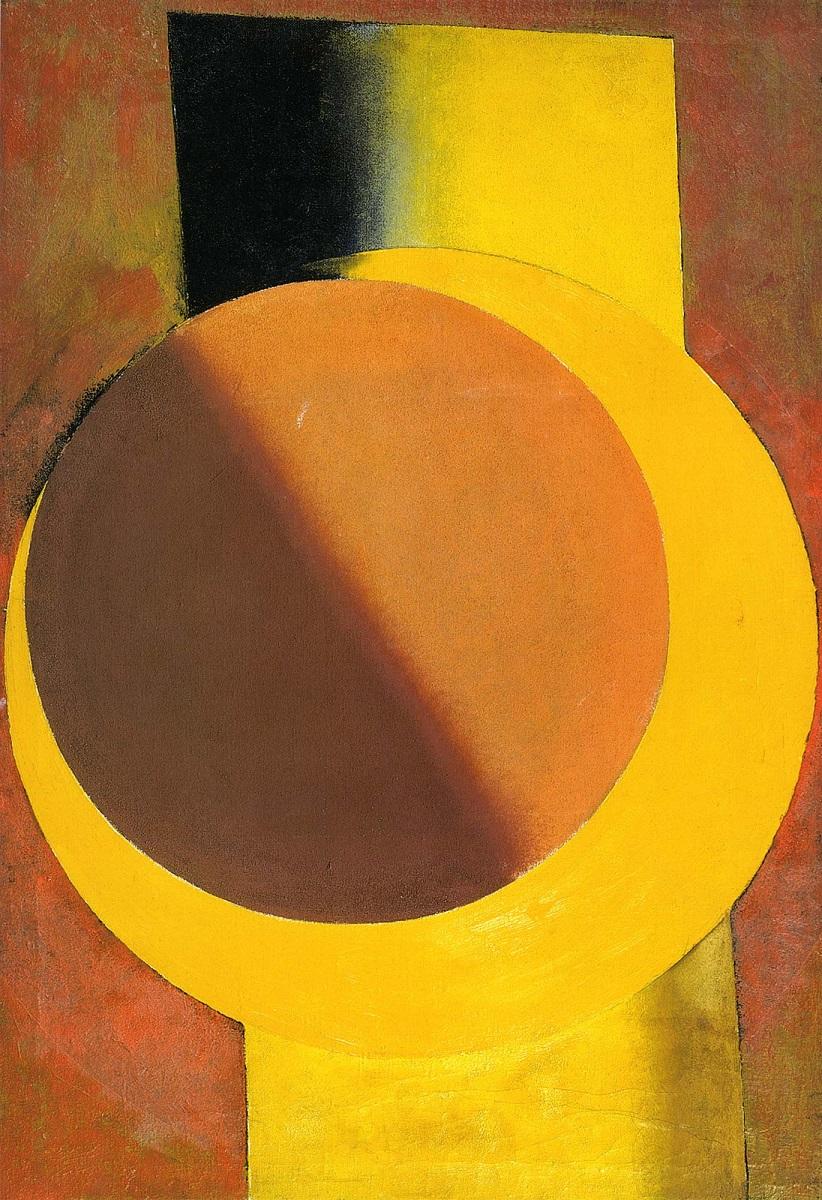
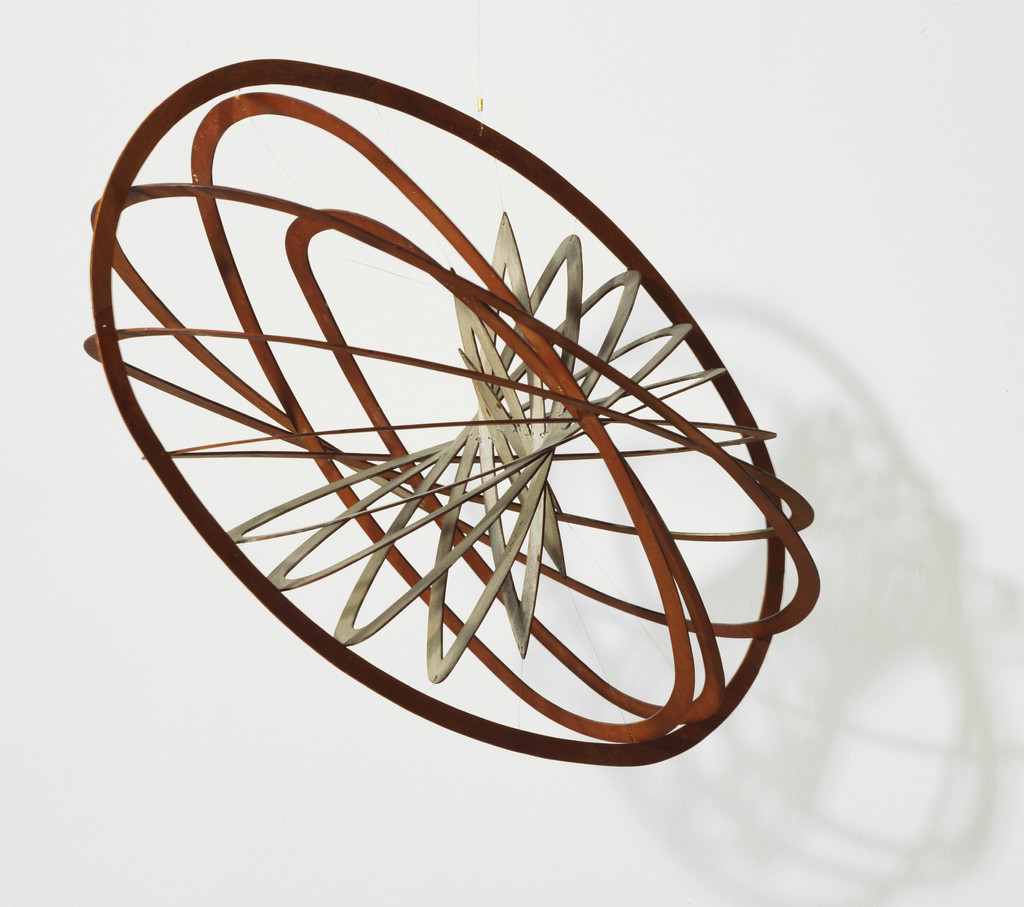
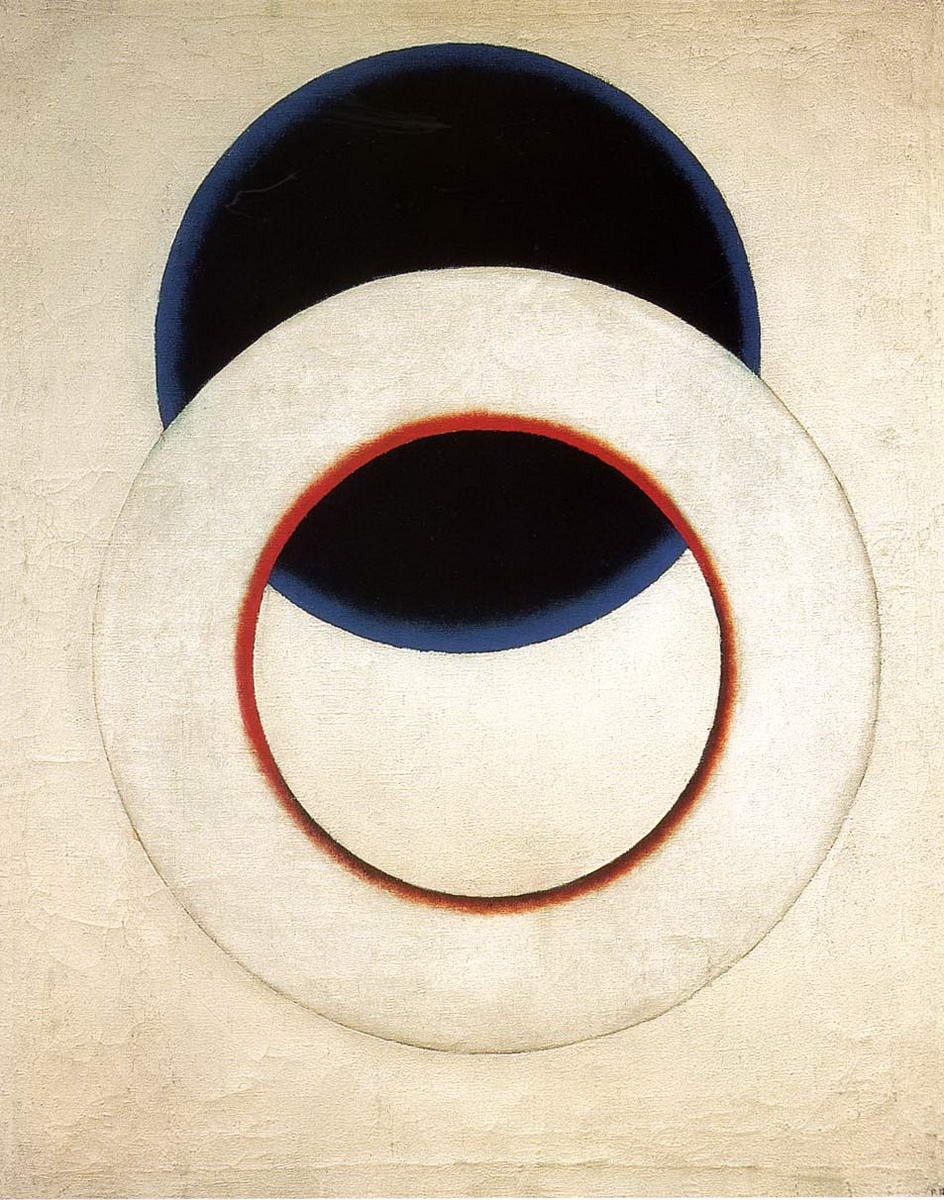
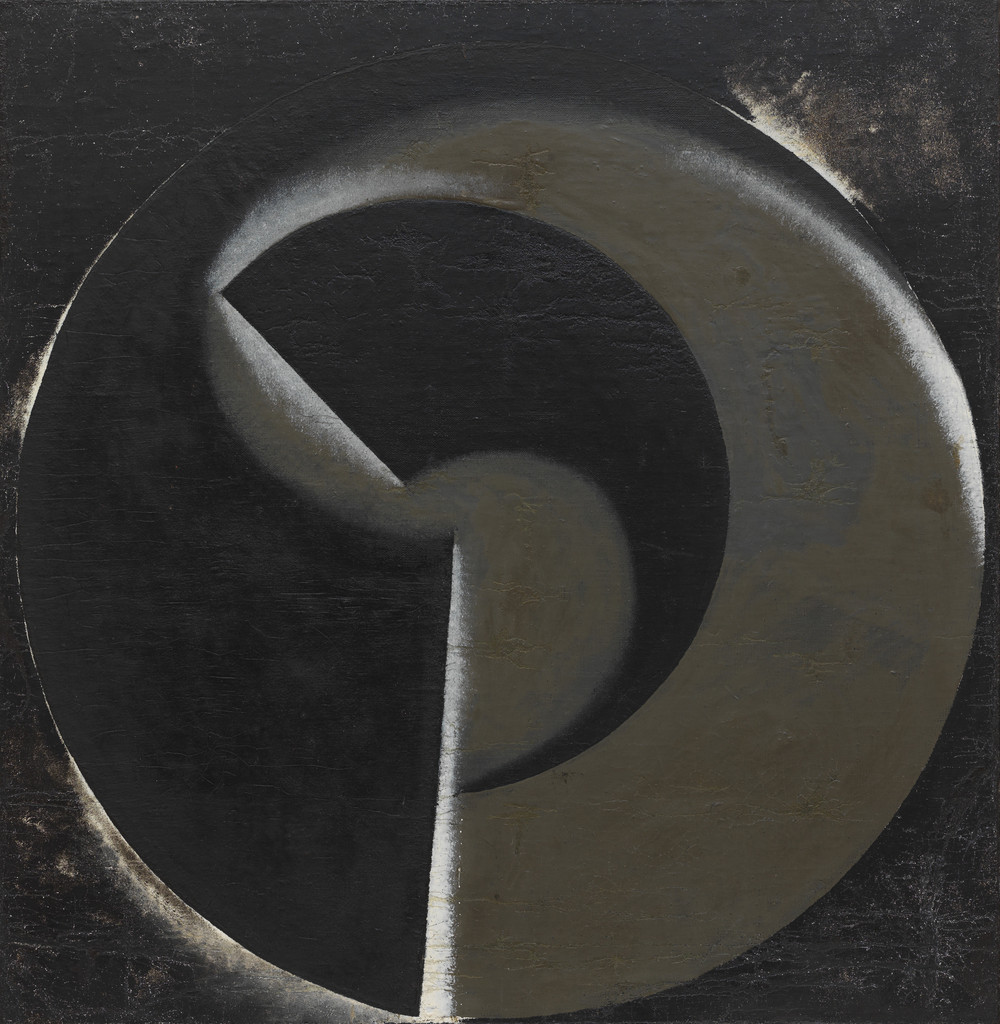
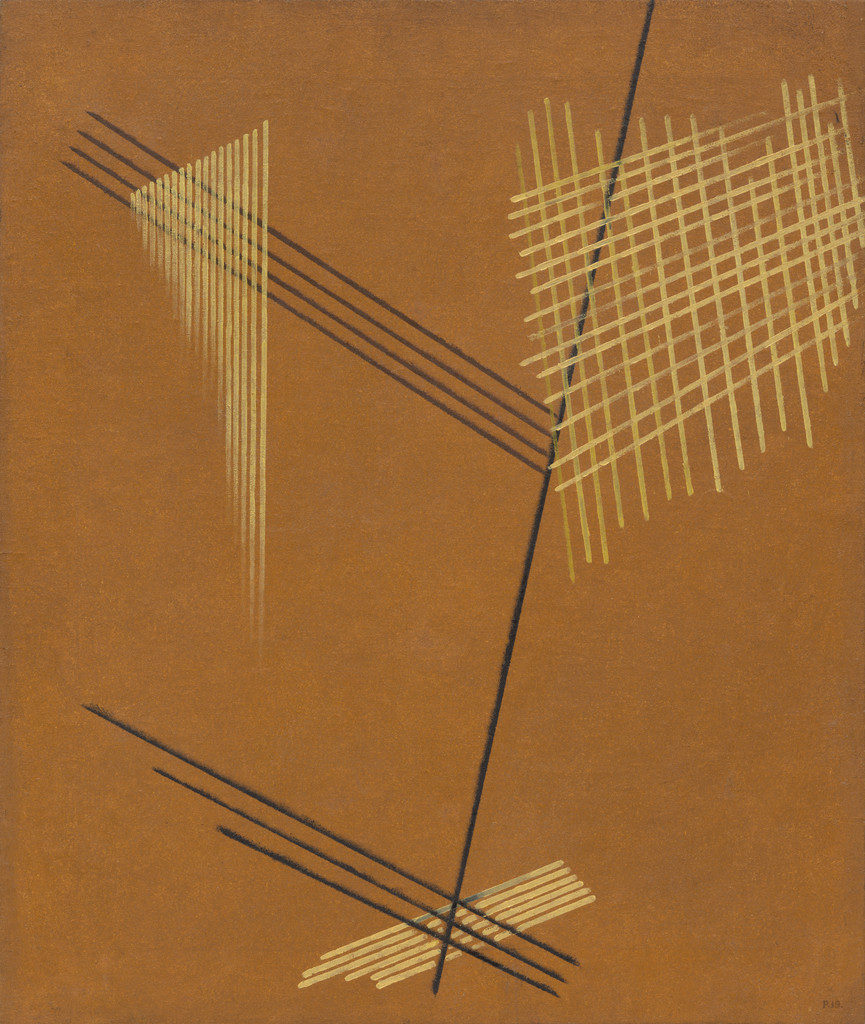
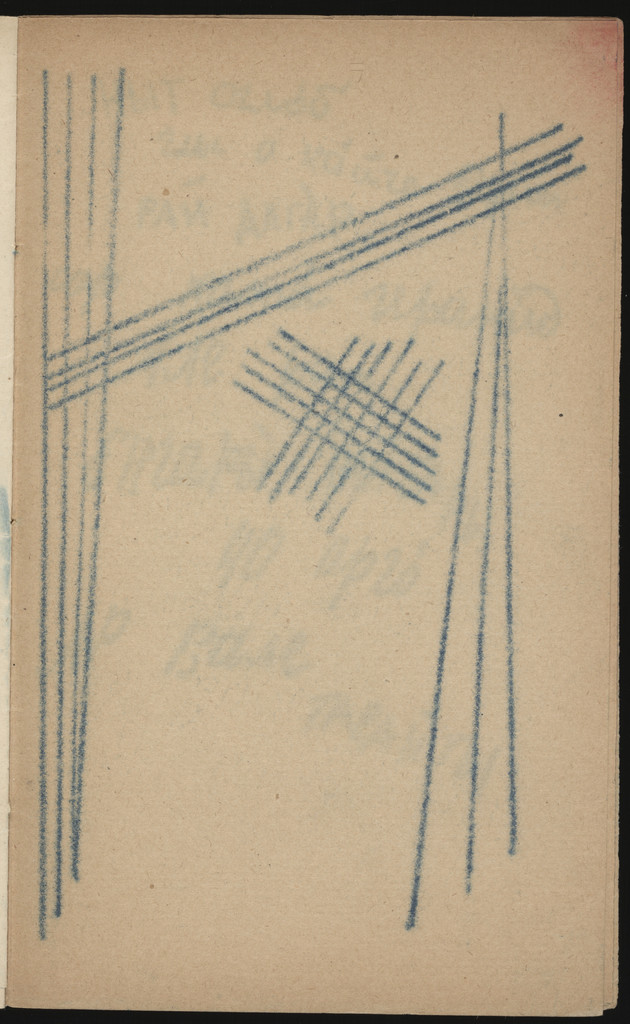
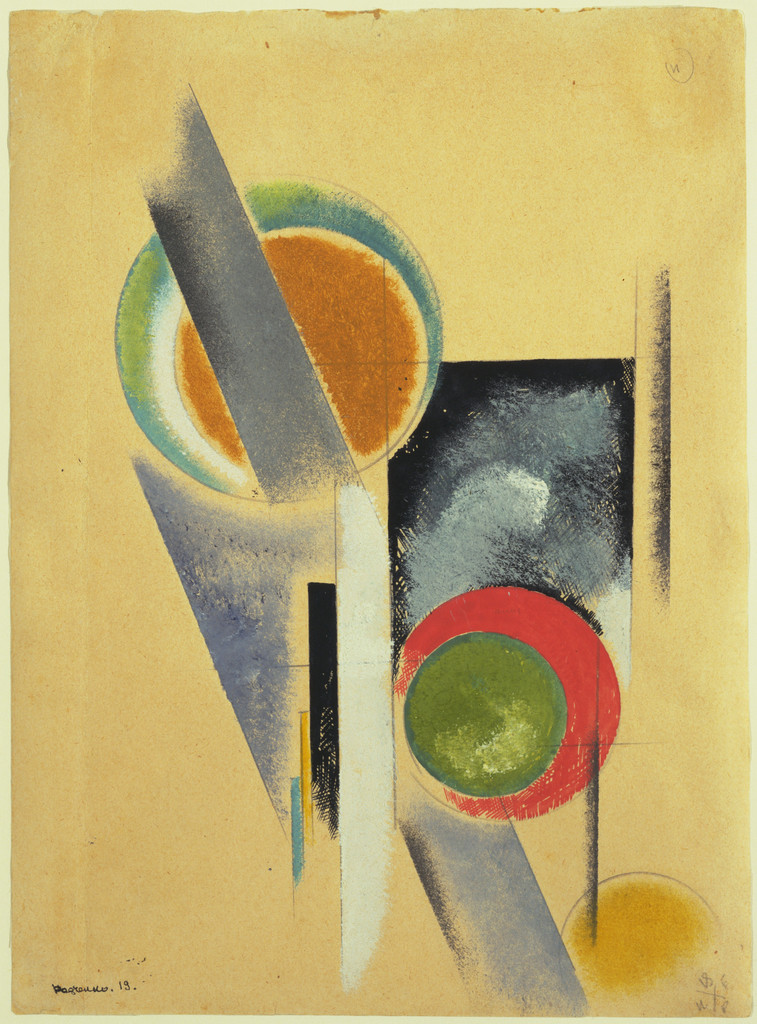
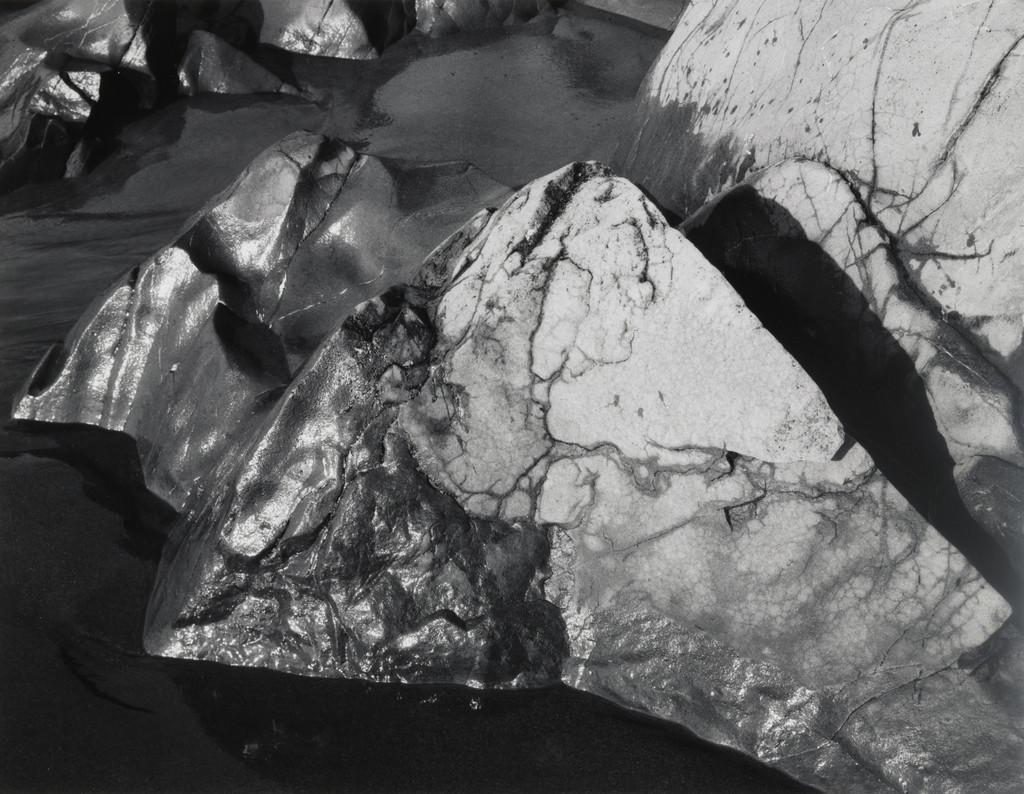
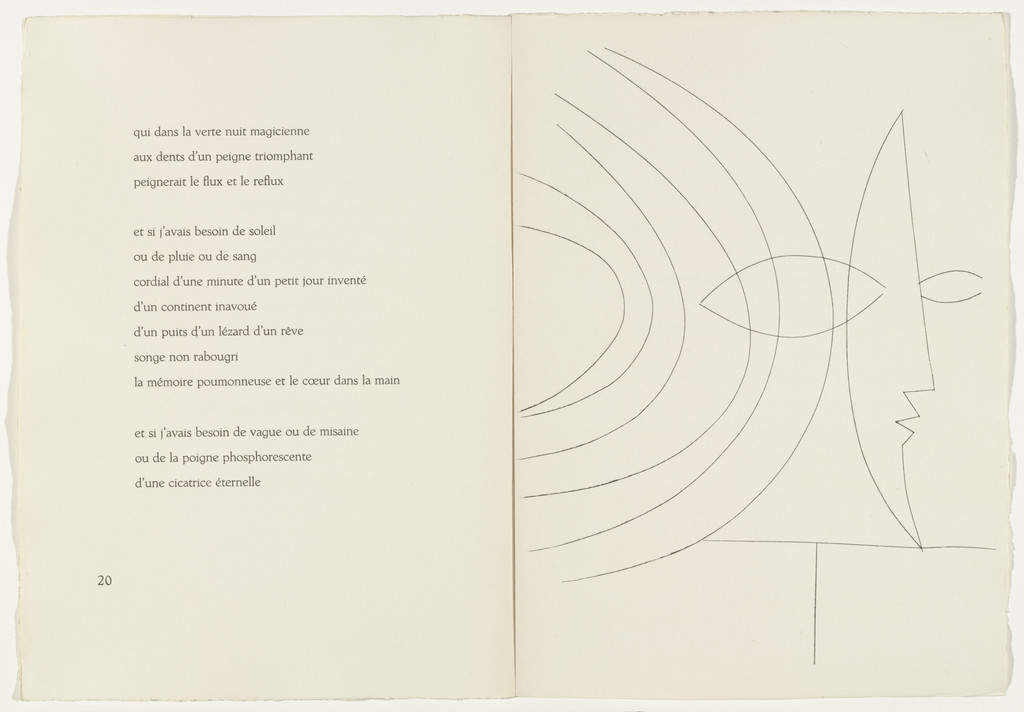
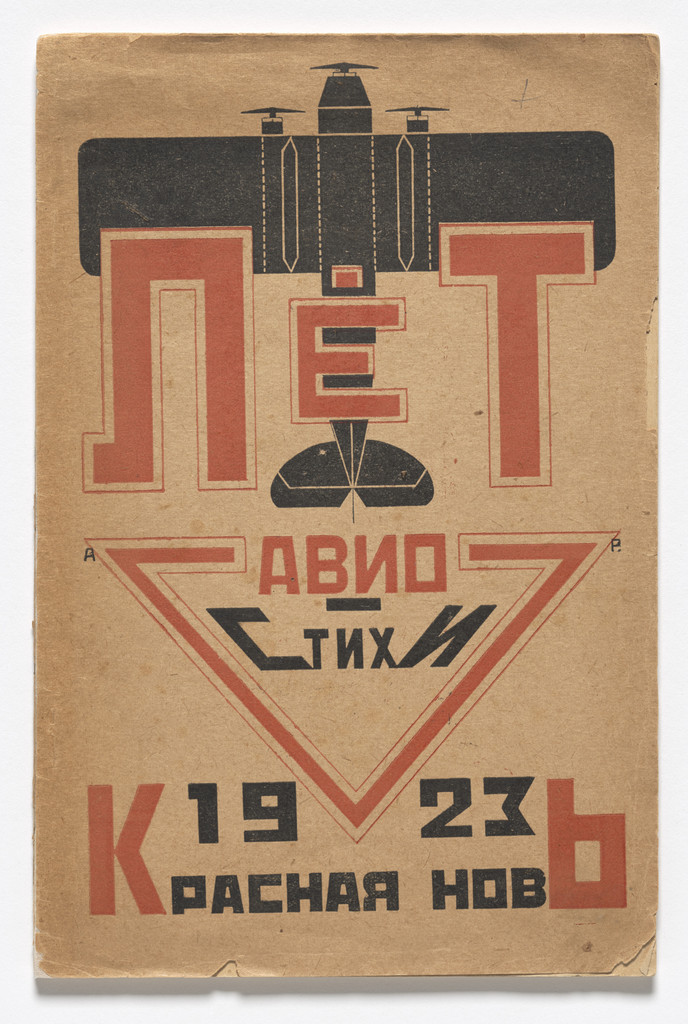
Let. Avio-stikhi
Kan ik het zien?
Nu niet te zien
Waar is „Let. Avio-stikhi” nu? Collectie: Museum of Modern Art, New York. Nu niet te zien. Gecontroleerd 22 september 2026.

New York, Verenigde Staten
Het hoort bij de collectie, maar is momenteel niet tentoongesteld.
- Gecontroleerd
- Bron
- Het museum
Gegevens
- Inventarisnummer
- 297.2001.1-4
In de catalogus
Bronnen
- Museum of Modern Art
- Afbeelding: Museum of Modern Art — © the artist or rights holder
In het leven van Aleksandr Rodchenko
Het hele leven1920–1930
Professor at VKhUTEMAS/VKhUTEIN
For ten years Rodchenko teaches in the woodworking and metalworking faculties (merged into the Dermetfak in 1928), training students to design multifunctional objects for everyday life and public buildings, expressive through construction rather than ornament.
1921
Turns to Productivism
With Stepanova and Aleksei Gan, Rodchenko joins the Productivist group, which advocated bringing art into everyday life, and gives up painting for graphic design — posters, books and films. He also created the early corporate identity of the airline Dobrolyot (later Aeroflot), with its “Winged Hammer and Sickle” logo.
1921
“5×5=25”: three monochrome canvases
At the “5×5=25” exhibition in Moscow Rodchenko shows the first true monochrome paintings — red, blue and yellow. He later proclaimed that he had reduced painting to its logical conclusion: “I affirmed: it's all over.”
1921
Succeeds Kandinsky as head of Inkhuk
In 1921 Rodchenko succeeds Wassily Kandinsky as chairman of the Institute of Artistic Culture (Inkhuk), where he works until 1924.
1922
Works with Dziga Vertov
Rodchenko works intensively with the filmmaker Dziga Vertov, whose ideas and practice deeply influenced him.
1924
Takes up photography
From 1924 Rodchenko takes his own photographs, becoming famous for his experiments with angles and viewpoints. His credo: “I want to teach people to see extraordinarily ordinary things.”