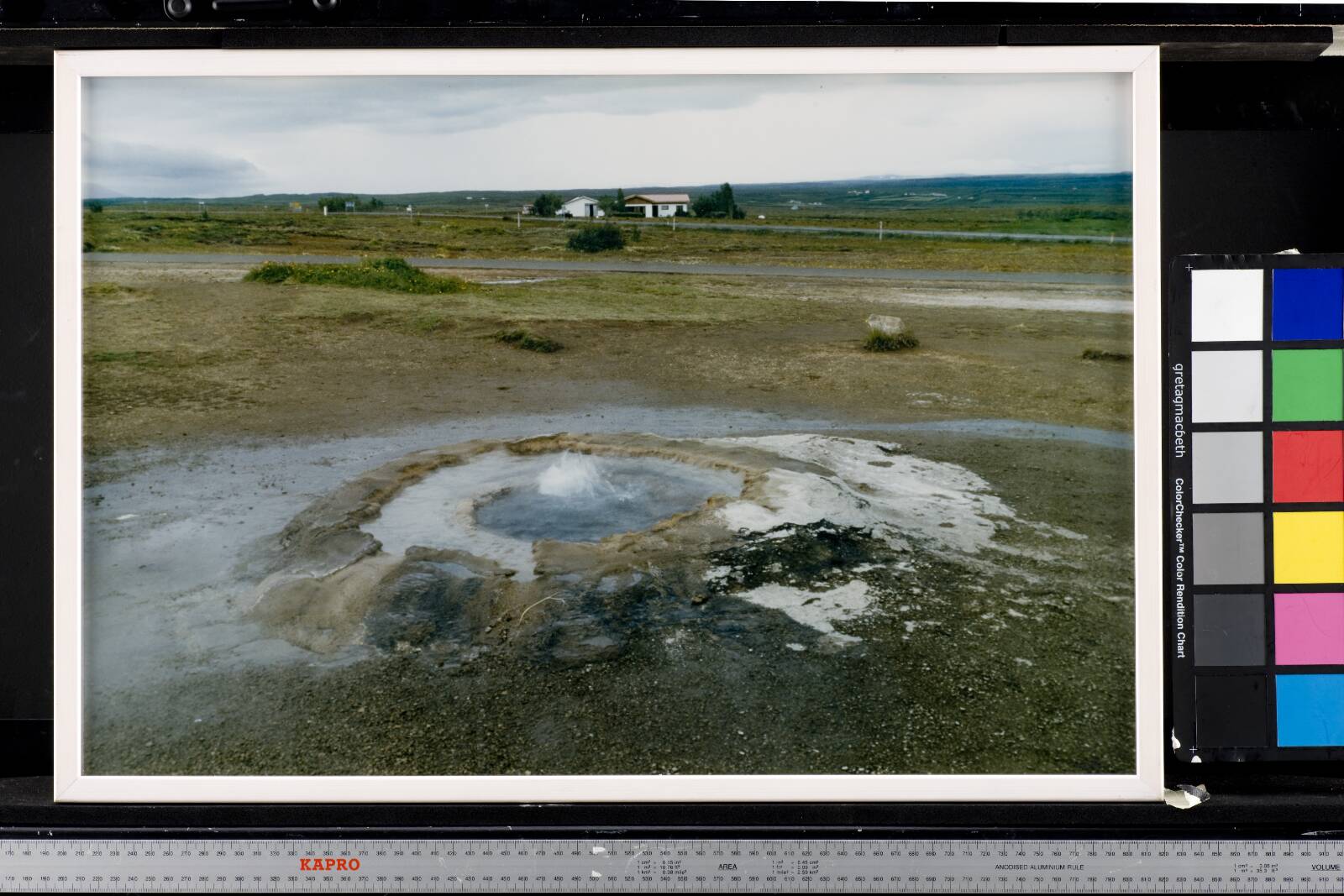
 Olafur EliassonDenemarken, 1967
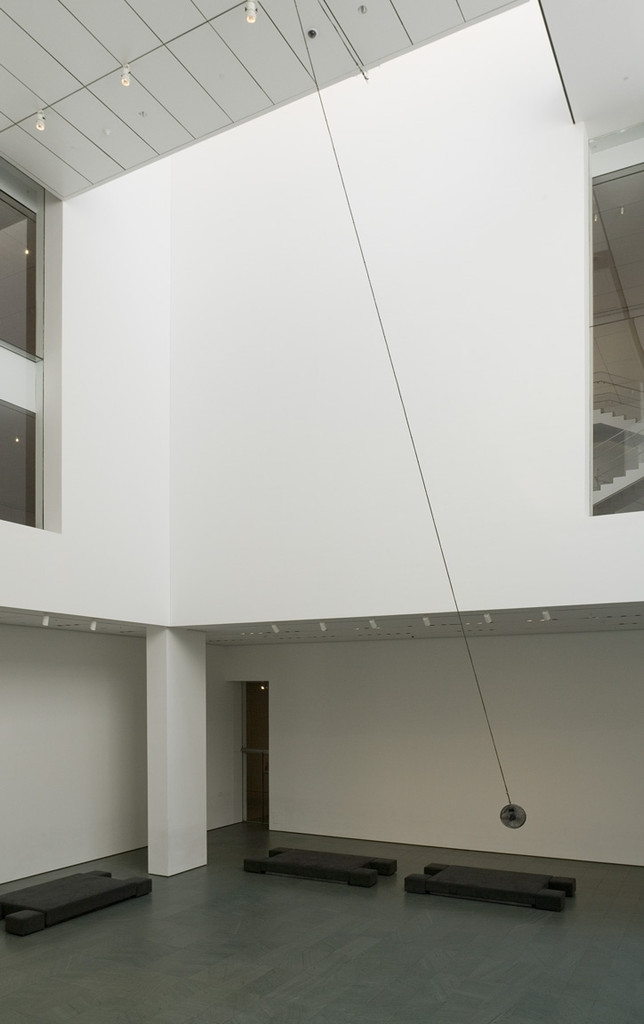
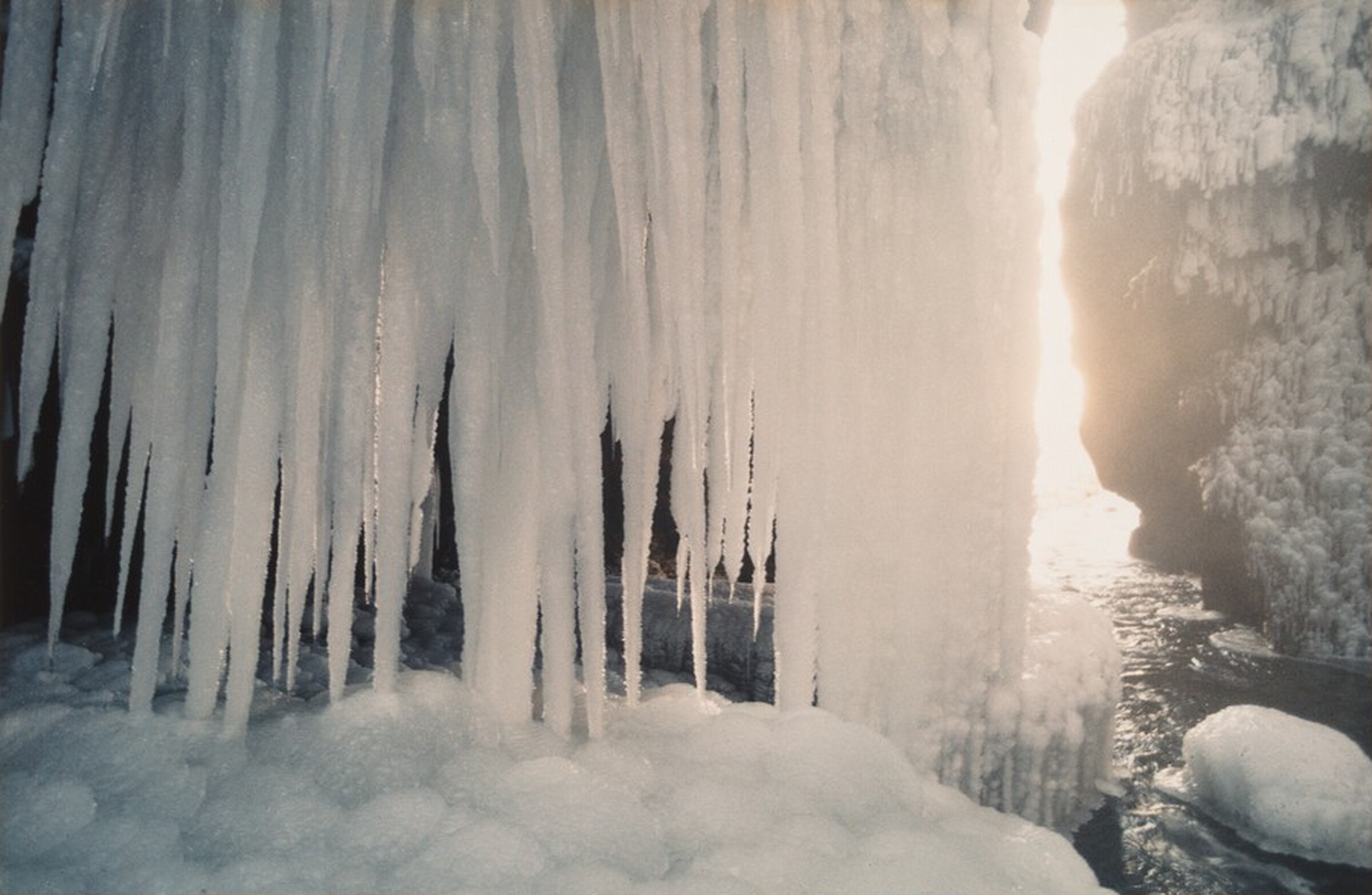
Islandserie
Mag men het zien?
Ontvangt momenteel niet

Statens Museum for Kunst
Kopenhagen, Denemarken
Het hoort bij de collectie, maar is momenteel niet tentoongesteld.
- Gecontroleerd
- Ongewijzigd sinds
- Bron
- Het museum
Gegevens
- Inventarisnummer
- KKS1998-44
In de catalogus
Bronnen
- Statens Museum for Kunst
- Afbeelding: Statens Museum for Kunst — © the artist or rights holder
Intussen, in het leven van Olafur Eliasson
Het hele leven1993
Moves to Cologne; show with Nicolaus Schafhausen
He moves to Cologne for a year, where he has a solo show with Nicolaus Schafhausen.
1994
Moves to Berlin
He moves from Cologne to Berlin, where his studio has been ever since: first in a three-storey former train depot next to the Hamburger Bahnhof, and from 2008 in a former brewery in Prenzlauer Berg.
1995
Founds Studio Olafur Eliasson in Berlin
He sets up the studio as a “laboratory for spatial research”; by 2008 some thirty architects, engineers, craftsmen and assistants work there, together conceiving and building installations, sculptures and large-scale commissions.
1996
Begins working with Einar Thorsteinn
An architect and geometry expert 25 years his senior and a former friend of Buckminster Fuller, Thorsteinn becomes one of his frequent collaborators. Their first piece, “8900054”, is a stainless-steel dome 30 feet (9.1 m) wide and 7 feet (2.1 m) high, designed to look as if it were growing from beneath the ground.
1996
First US show at Tanya Bonakdar Gallery
His first show in the United States takes place at Tanya Bonakdar Gallery.
1997–1998
Meets his future wife at the São Paulo Biennial
At the São Paulo Biennial, where he shows work (in 1997 by one account, in 1998 by another), Eliasson meets the Danish art historian Marianne Krogh Jensen, who curated the Danish Pavilion; they will marry in 2003.