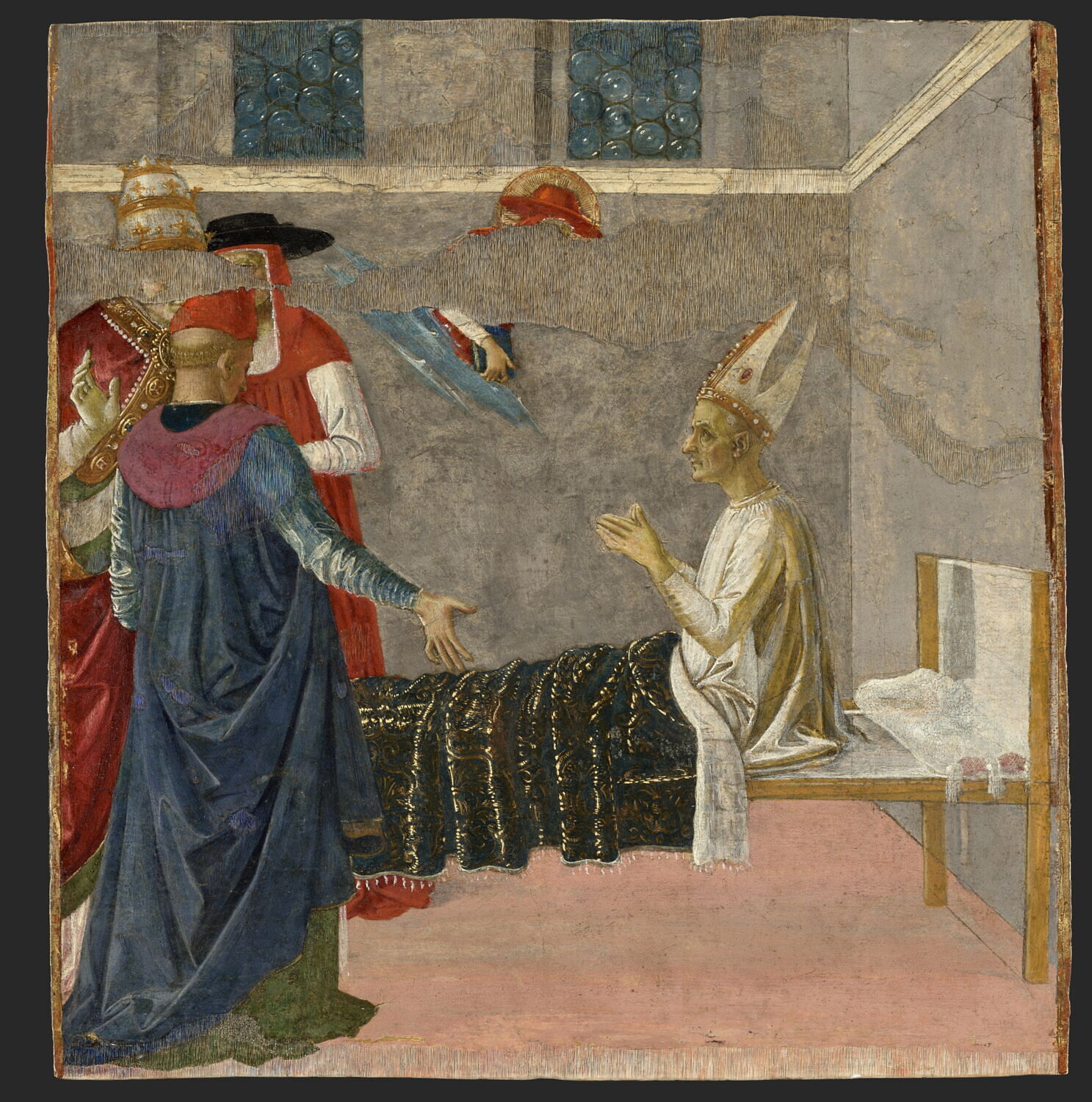
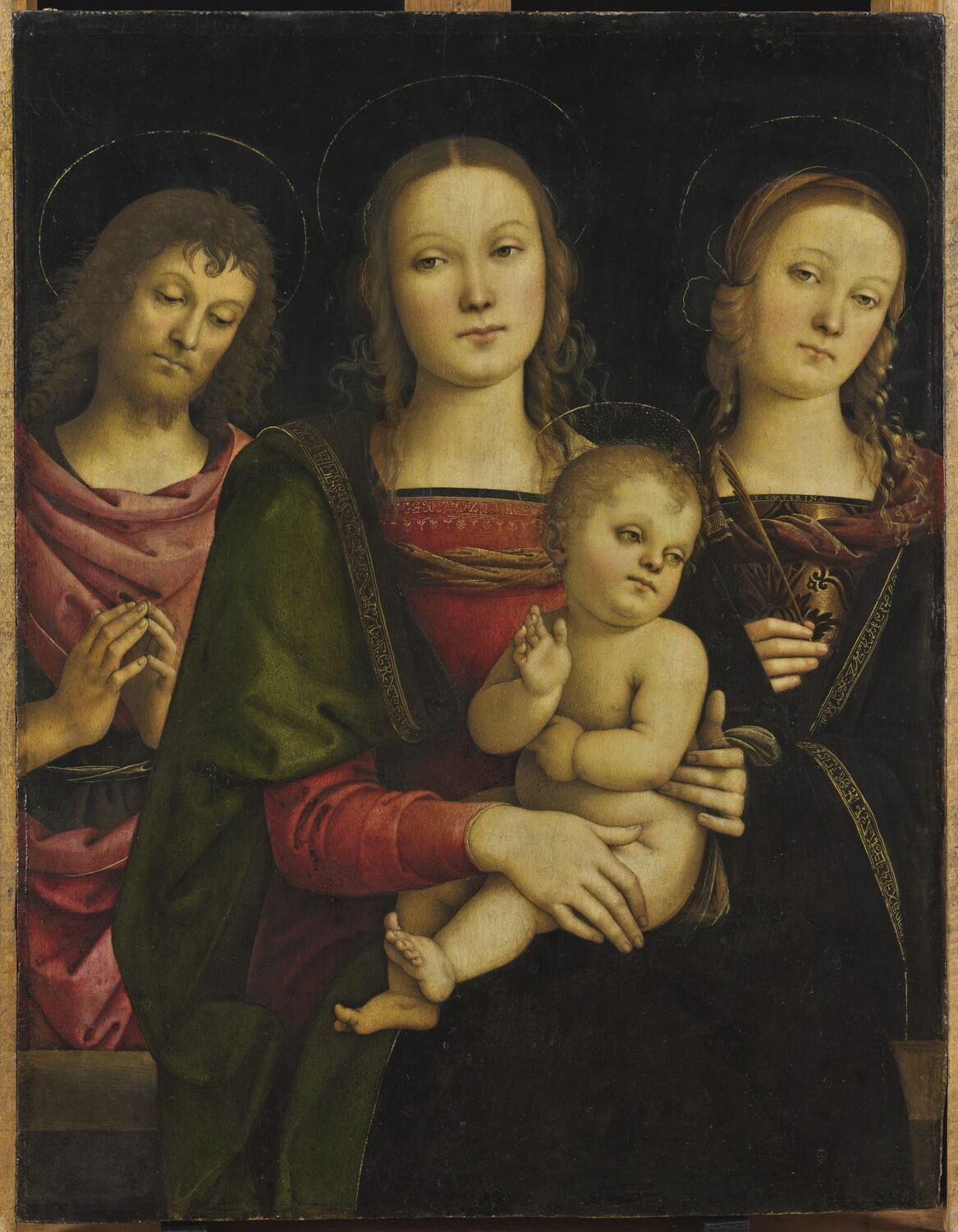
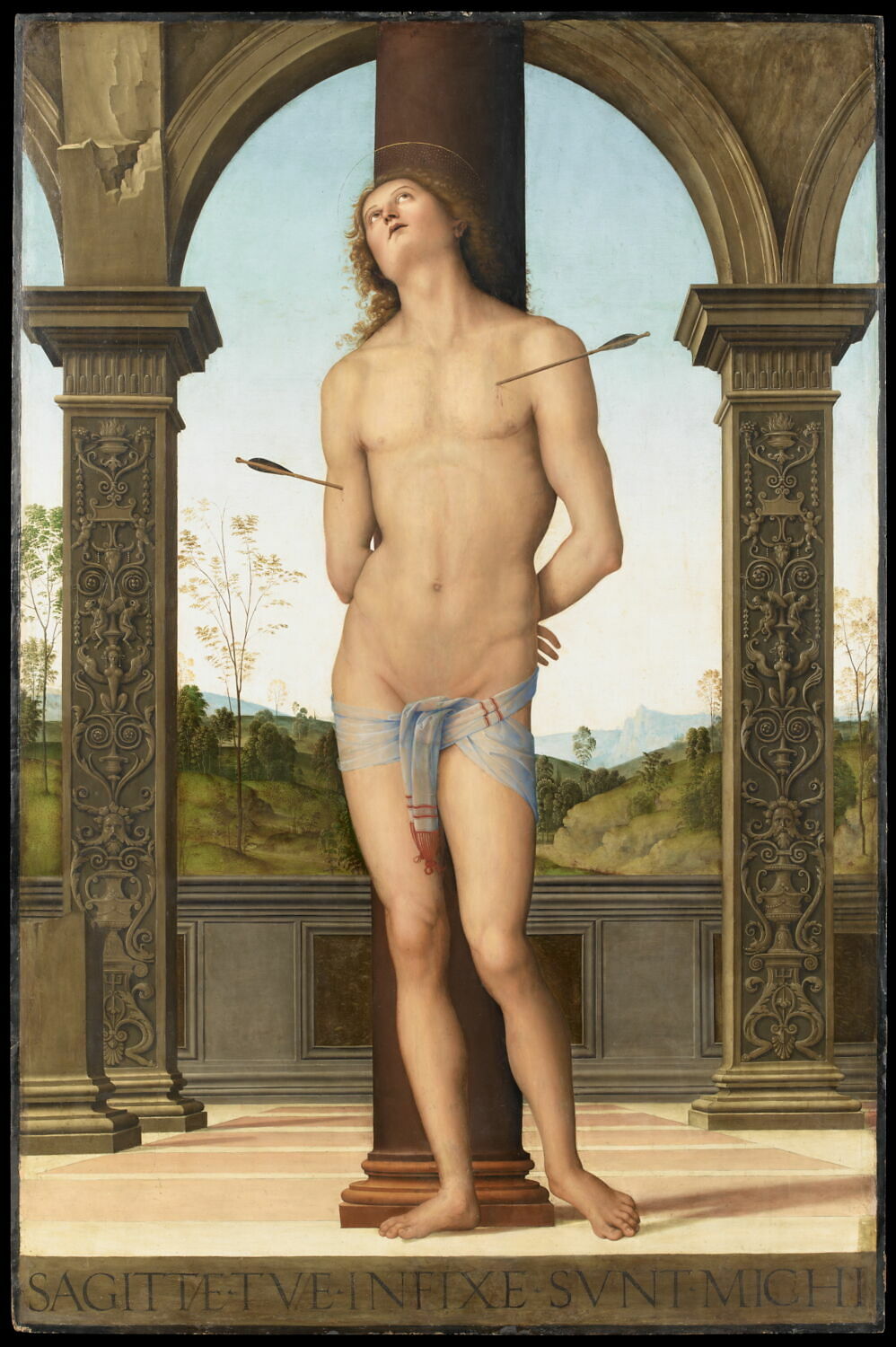
Pietro PeruginoItalië, 1448–1523
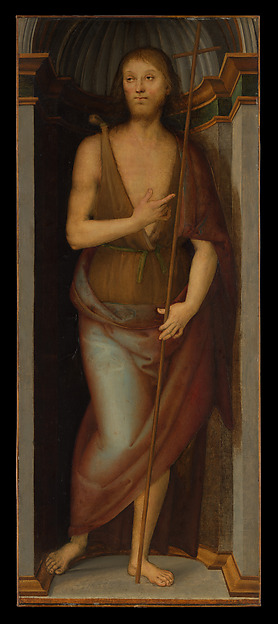
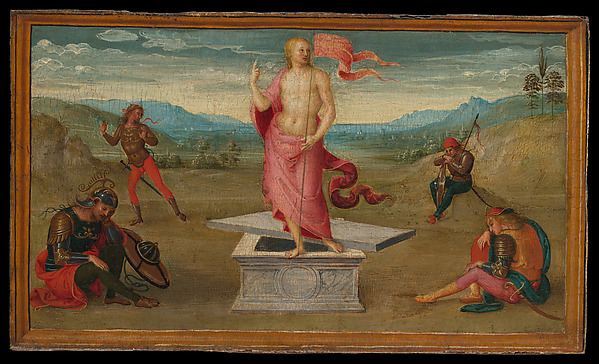
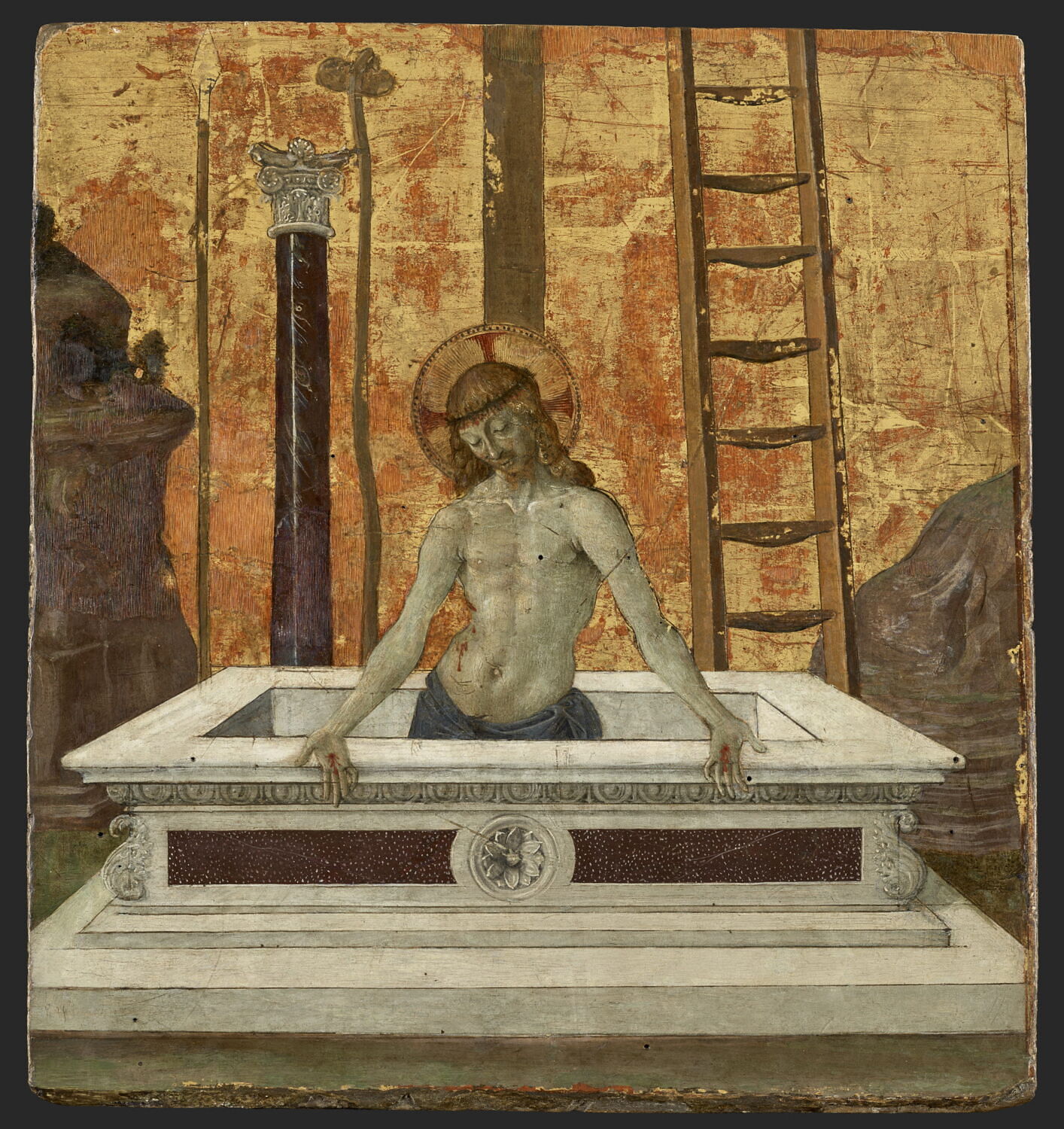
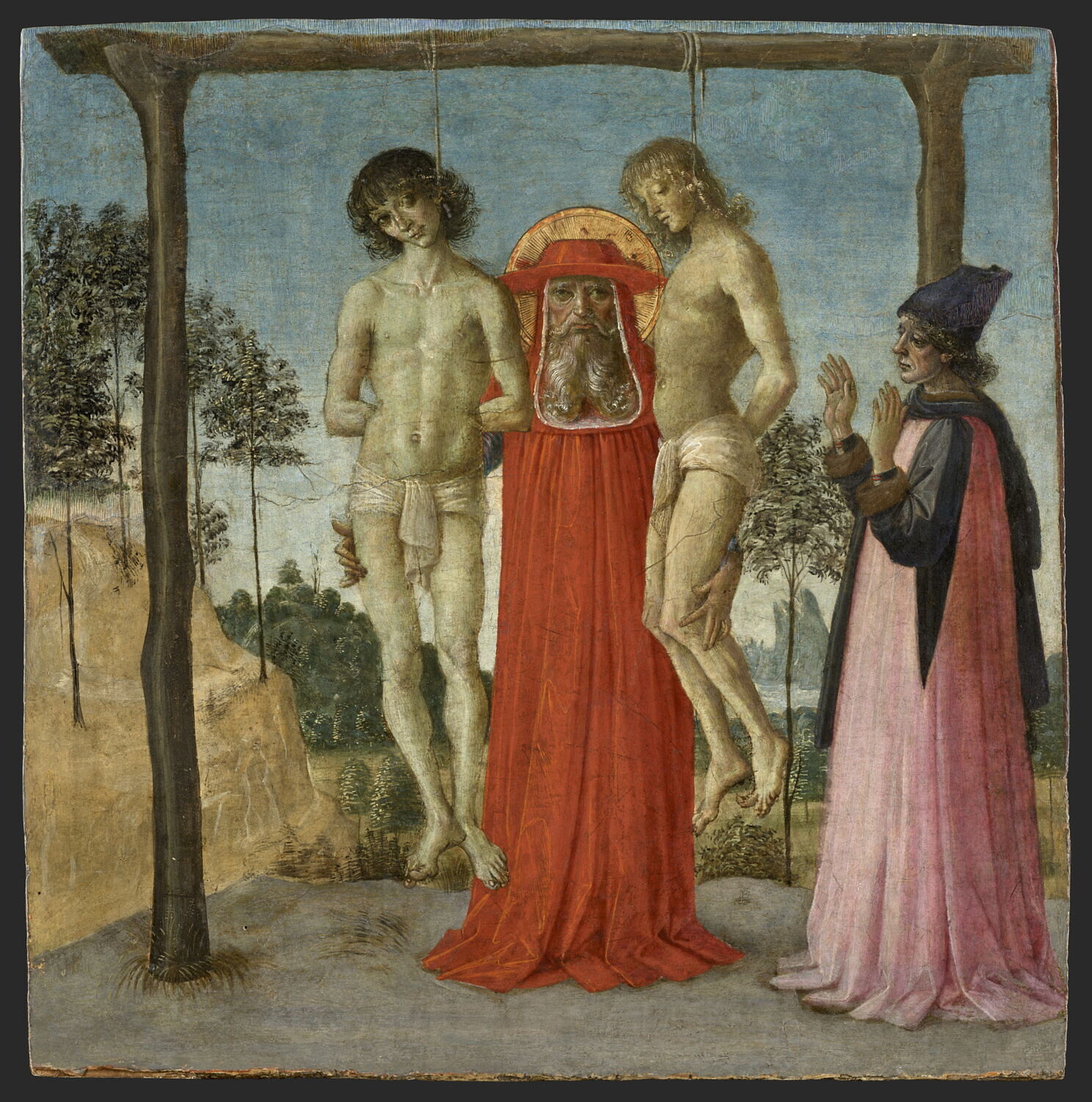
Four Standing Apostles
Mag men het zien?
Ontvangt momenteel niet

Harvard Art Museums
Cambridge, Verenigde Staten
Het hoort bij de collectie, maar is momenteel niet tentoongesteld.
- Gecontroleerd
- Ongewijzigd sinds
- Bron
- De eigen collectiegegevens van het museum
Gegevens
- Inventarisnummer
- 1926.42.2
In de catalogus
Bronnen
- Harvard Art Museums: de open data van het museum · opgehaald 8 dagen geleden
- Afbeelding: Harvard Art Museums — © President and Fellows of Harvard College
Intussen, in het leven van Pietro Perugino
Het hele leven1486–1499
Two studios: in Florence and in Perugia
Between 1486 and 1499 Perugino works mainly between Florence and Perugia, maintaining a studio in each city. In the 1480s and 1490s he is one of the most celebrated artists of Italy.
September 1493
Marriage to Chiara Fancelli and return to Florence
According to Vasari, Perugino returns to Florence in September 1493 to marry Chiara, daughter of the architect Luca Fancelli. That same year Florence again becomes his permanent home, although he continues to accept work elsewhere.
1494
Lorenzo di Credi paints Perugino's portrait
Lorenzo di Credi paints Perugino's portrait (now in the Uffizi) and places in it a scroll inscribed Timete Deum — 'Fear God'; this seems odd, as Vasari is the main source stating that Perugino had very little religion and openly doubted the immortality of the soul. Perugino himself had painted a portrait of Credi in 1488.
1496
The money-changers' guild commissions the Cambio hall
The money-changers' guild of Perugia asks Perugino to decorate the Sala delle Udienze of the Collegio del Cambio, with the humanist scholar Francesco Maturanzio as consultant. The scheme — a vault with the seven planets and the signs of the zodiac, and sacred subjects on the walls — may have been finished by 1500; on the mid-pilaster Perugino placed his own bust-form portrait.
c. 1496
Raphael's possible apprenticeship as a boy
Around 1496 Raphael, still a boy, may have been placed by his uncles under Perugino's tuition and may have had a hand in the work on the vaulting of the Cambio hall.