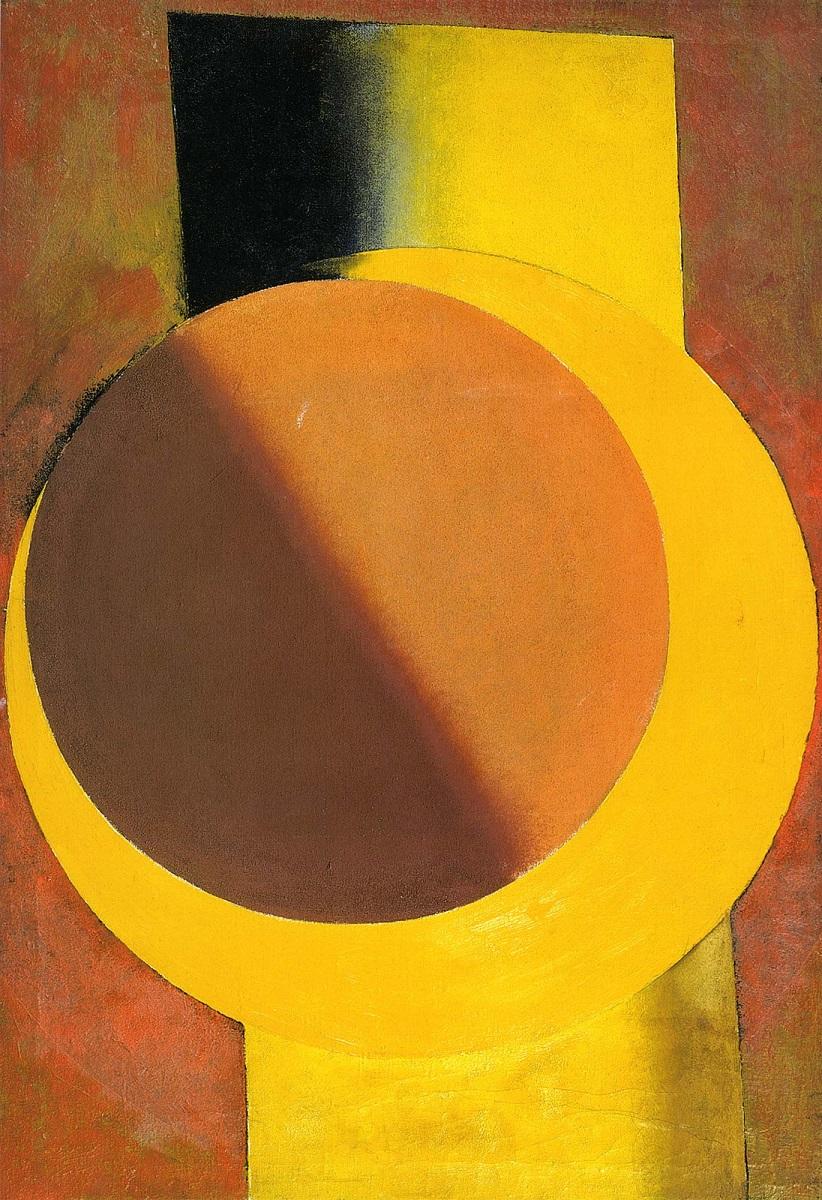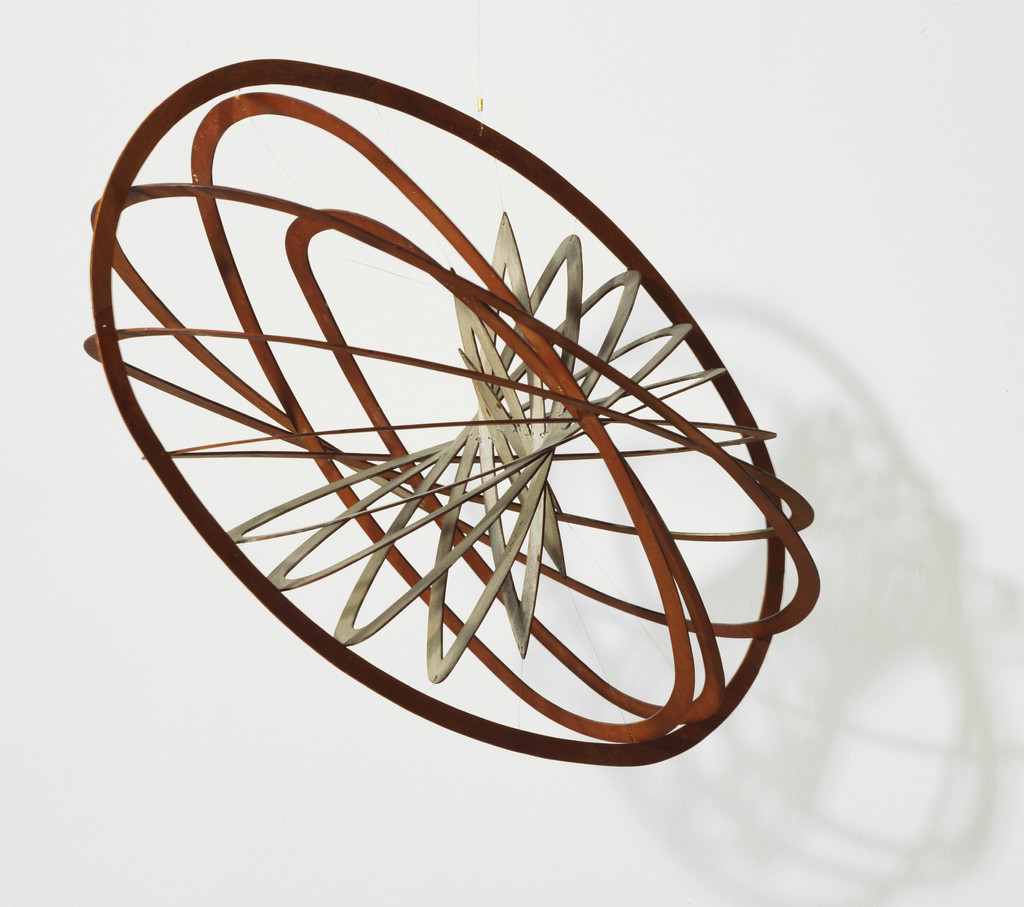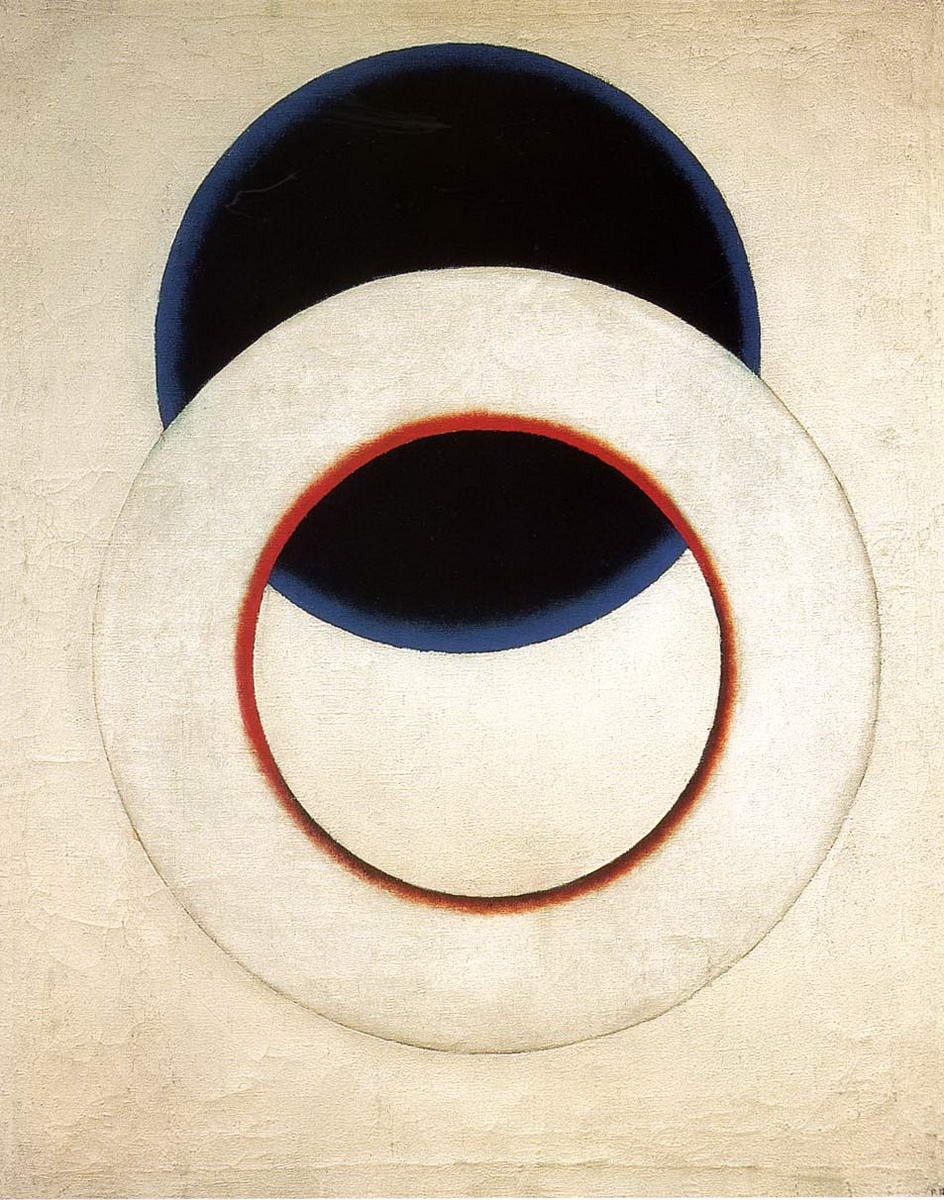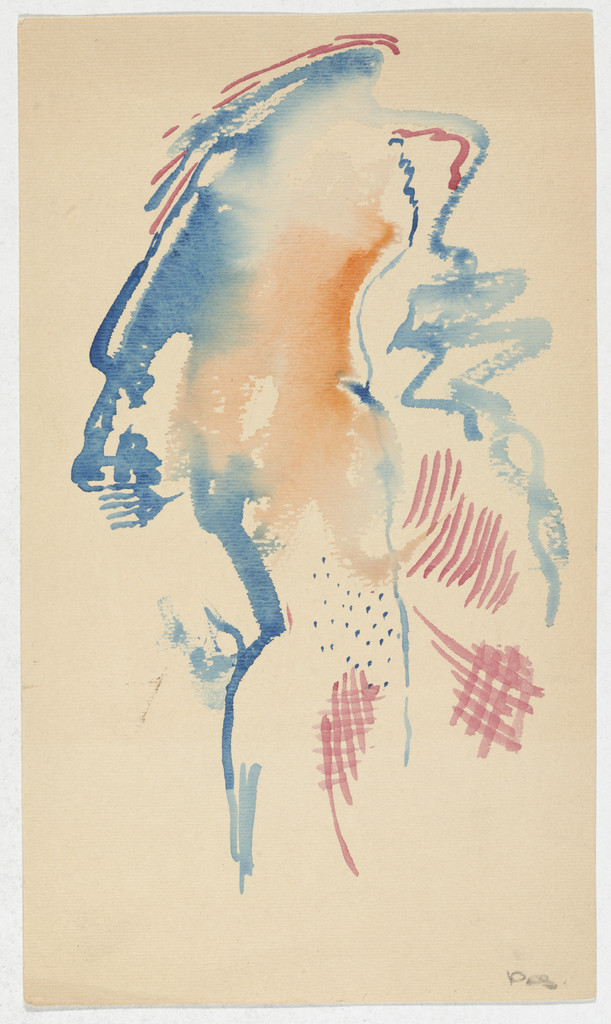
 Aleksandr RodchenkoRusland, 1891–1956
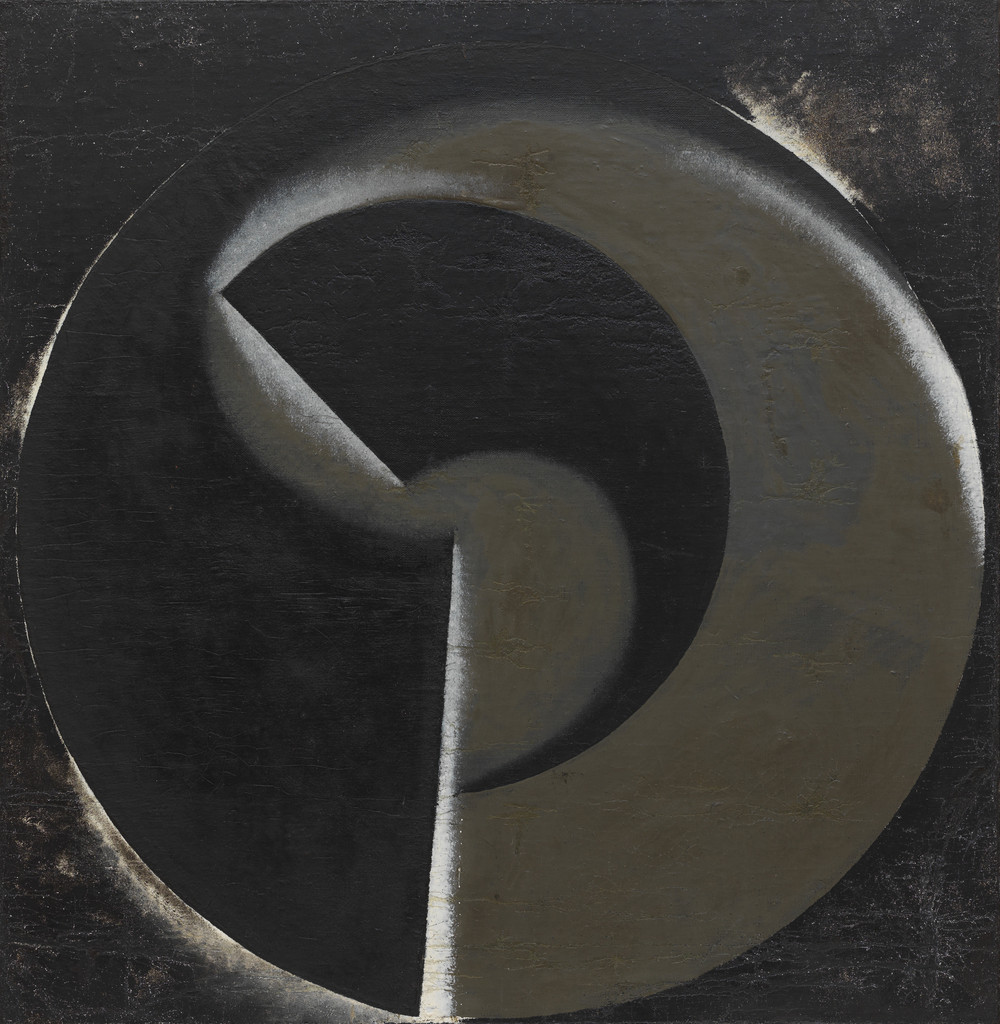
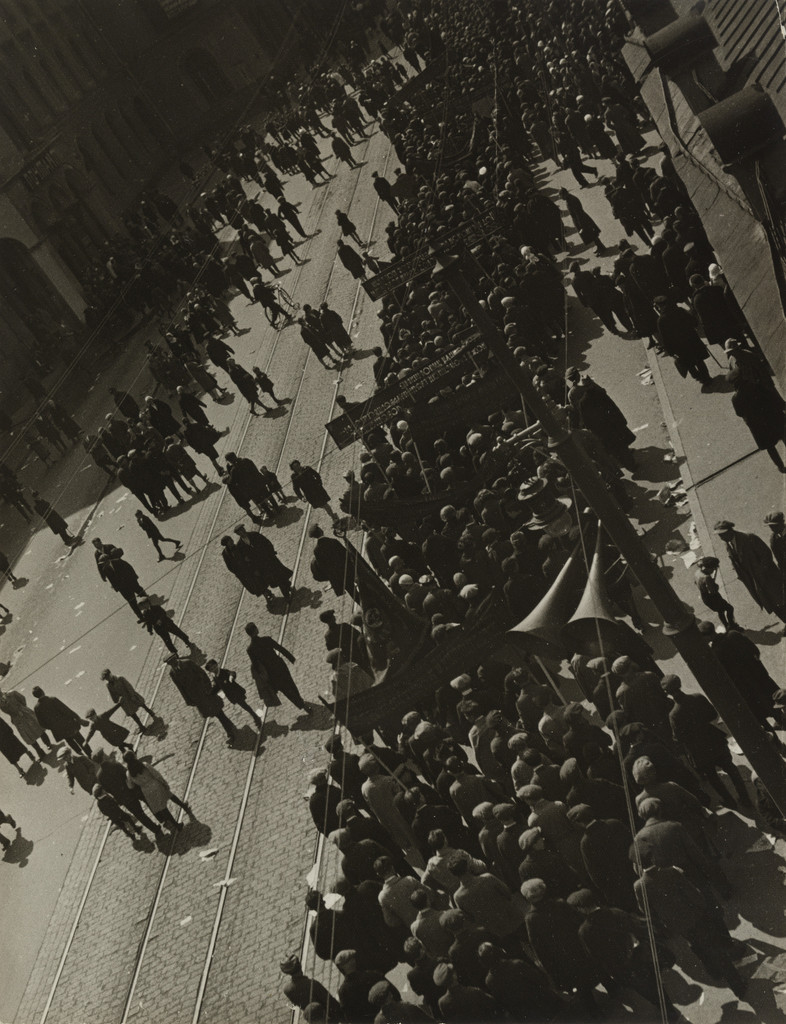
Demonstration
Mag men het zien?
Ontvangt momenteel niet

Museum of Modern Art
New York, Verenigde Staten
Het hoort bij de collectie, maar is momenteel niet tentoongesteld.
- Gecontroleerd
- 12 dagen geleden
- Bron
- De eigen collectiegegevens van het museum
Gegevens
- Inventarisnummer
- 1825.2001
Bronnen
- Museum of Modern Art: the museum's own open data · opgehaald 12 dagen geleden
- Afbeelding: Museum of Modern Art — © the artist or rights holder
Intussen, in het leven van Aleksandr Rodchenko
Het hele leven1920–1930
Professor at VKhUTEMAS/VKhUTEIN
For ten years Rodchenko teaches in the woodworking and metalworking faculties (merged into the Dermetfak in 1928), training students to design multifunctional objects for everyday life and public buildings, expressive through construction rather than ornament.
1930
Among the founders of the October photo group
Rodchenko is one of the organisers of the October photography group; critics would soon brand the group he led the centre of “petty-bourgeois aestheticism” in photography. By other accounts, he had joined the group as early as 1928.
1931
October group show at the House of the Press, and a backlash
At the October group's exhibition at the House of the Press in Moscow, Rodchenko shows “Pioneer Girl”, “Pioneer with a Trumpet” and the series “Vakhtan Sawmill”; the pictures draw devastating criticism and charges of formalism and of refusing to adapt to the tasks of “proletarian photography”. By some accounts, he is expelled from the group in 1931.
1932
Leaves October, becomes an Izogiz photo-correspondent
Rodchenko leaves the October group, becomes Izogiz's Moscow photo-correspondent and joins MOSKh, the Moscow artists' union. Under pressure he had to give up photography, returning two years later once all groups were dissolved and Socialist Realism was declared the single method.
early 1933
Secret assignment to the White Sea Canal
On OGPU orders Rodchenko is to photograph the completion and opening of the canal for propaganda and to set up photo laboratories in the Gulag; with the canal's management he greets the steamer “Karl Marx” carrying writers led by Maxim Gorky. By his own account he took over two thousand photographs there — no more than thirty are known today.
December 1933
Designs an issue of “USSR in Construction” with his photos
Rodchenko designs issue 12 of the magazine USSR in Construction, illustrated entirely with his own photographs. He was also the designer and photographer of the writers' monograph “The White Sea–Baltic Canal Named after Stalin”, and with Stepanova designed photo albums such as “15 Years of Kazakhstan”, “The First Cavalry”, “The Red Army” and “Soviet Aviation”.