 Marcel DuchampFrankrijk, 1887–1968
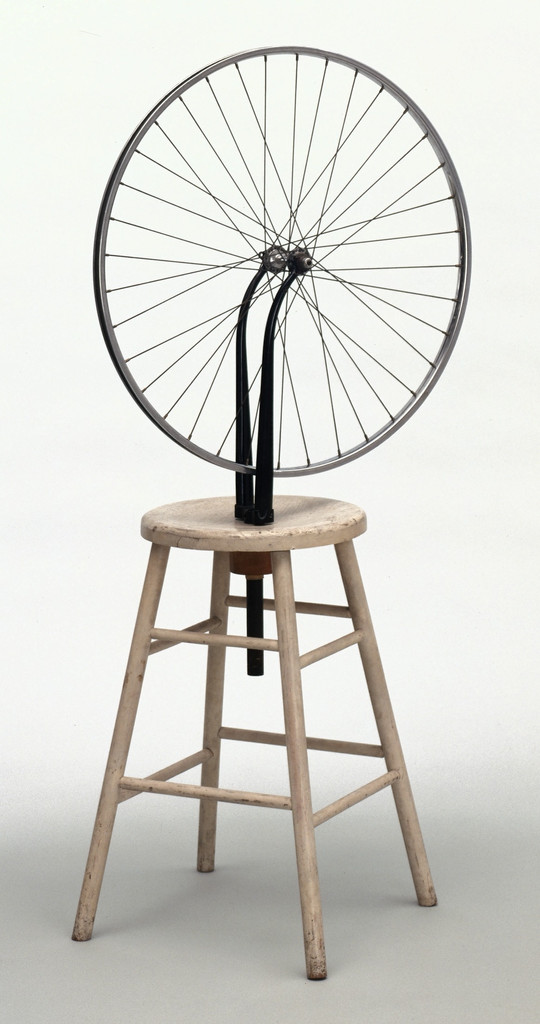
Bicycle Wheel
Mag men het zien?
Ontvangt momenteel niet

Museum of Modern Art
New York, Verenigde Staten
Het hoort bij de collectie, maar is momenteel niet tentoongesteld.
- Gecontroleerd
- 13 dagen geleden
- Bron
- De eigen collectiegegevens van het museum
About the sculpture
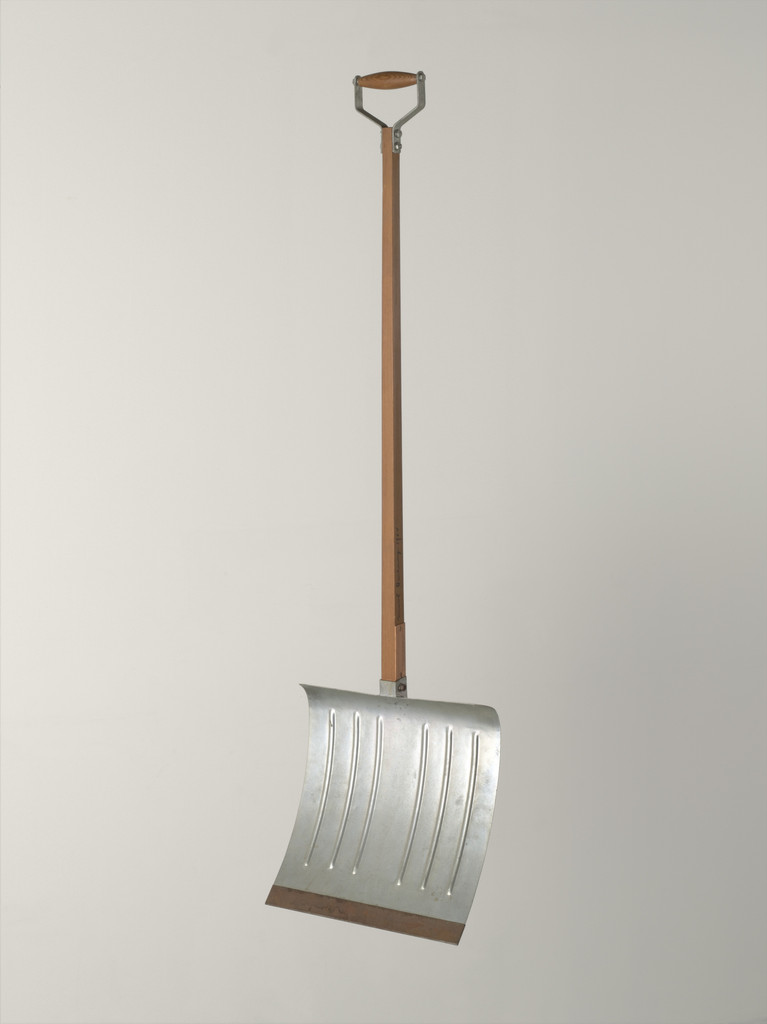
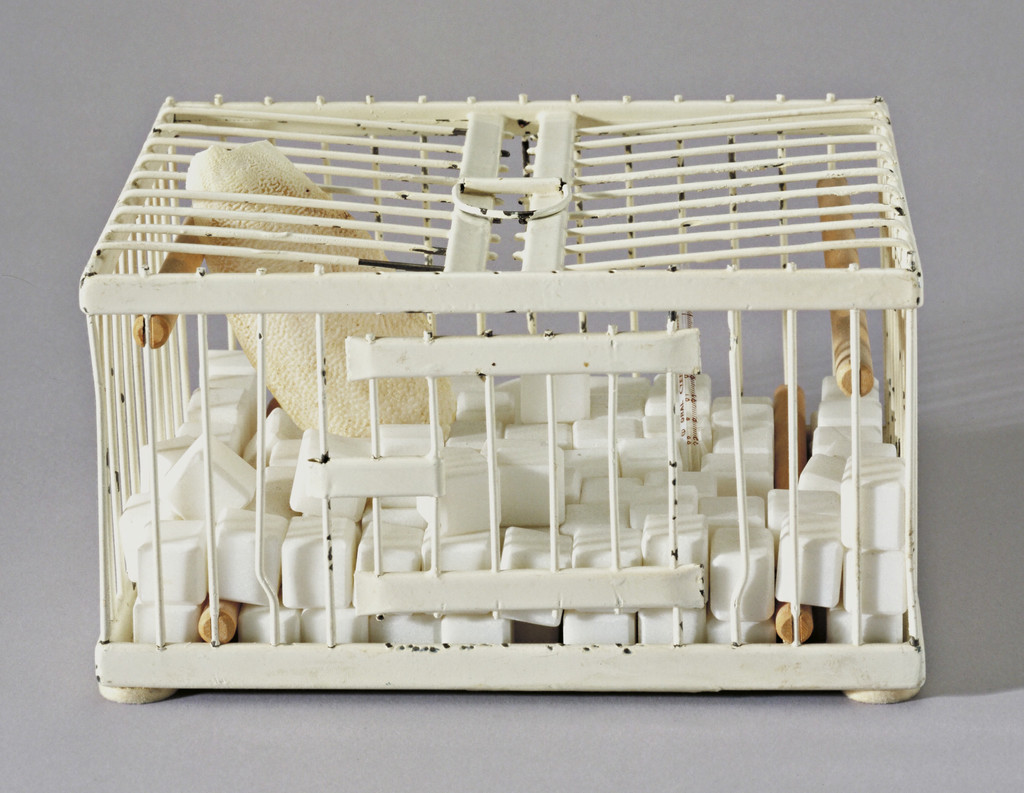
Bicycle Wheel is an early readymade created by French artist Marcel Duchamp in 1913. Consisting of a bicycle wheel mounted upside down on a wooden stool, it is often considered one of the earliest examples of kinetic sculpture. Although later categorized as a readymade, Bicycle Wheel was not originally intended as an artwork.
Gegevens
- Inventarisnummer
- 595.1967.a-b
Bronnen
- Museum of Modern Art: the museum's own open data · opgehaald 13 dagen geleden
- Afbeelding: Museum of Modern Art — © the artist or rights holder
Intussen, in het leven van Marcel Duchamp
Het hele leven1912
Takes the “Nude” back from the Salon des Indépendants
Through Duchamp’s brothers, Albert Gleizes asked him to withdraw the painting or at least rename it (as Duchamp later told it); he quietly refused, but went straight to the show and took the canvas home by taxi. “It was really a turning point in my life,” he recalled, adding that after this he would not be very much interested in groups.
november 1912 · Opleiding
École des chartes
1913
The Armory Show: the scandal of the “Nude”
At the first major exhibition in New York of the modern trends coming out of Paris, American viewers accustomed to realistic art were scandalised and the Nude stood at the centre of the controversy; it helped secure the sale of all four of Duchamp’s paintings in the show.
1915
Emigration to the United States
When the First World War began, Duchamp, exempted from service because of a heart murmur, felt uncomfortable in Paris, and the sale of all four of his paintings at the Armory Show let him finance the trip: in 1915 he left for New York. To his surprise he found himself a celebrity there and quickly befriended the patron Katherine Dreier and the artist Man Ray.
1917
“Fountain” rejected by the Independents’ show
A urinal signed with the pseudonym “R. Mutt” was submitted to the exhibition of the Society of Independent Artists, which displayed everything submitted without a jury; the committee insisted that it was not art and rejected it. The Dadaists were outraged and Duchamp resigned from the Society’s board.
1923
Back in Paris, and into chess
Back in Paris in 1923 he was in essence no longer a practising artist: his main interest became chess, which he studied for the rest of his life to the exclusion of most other activities.