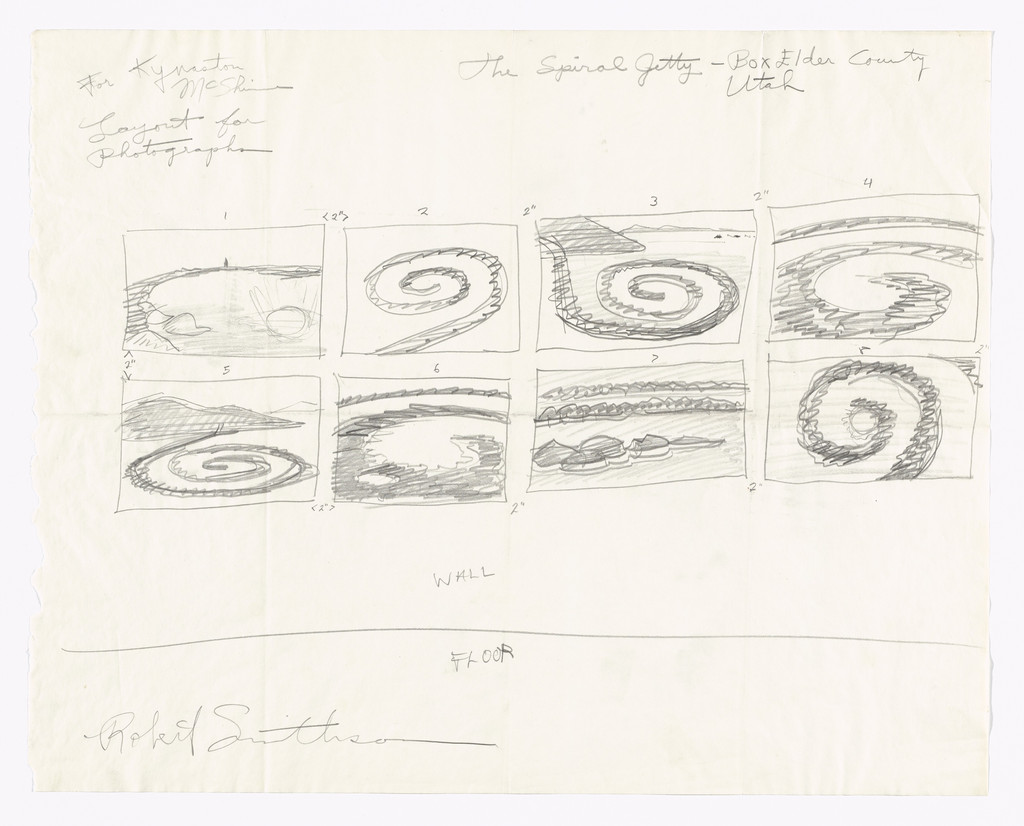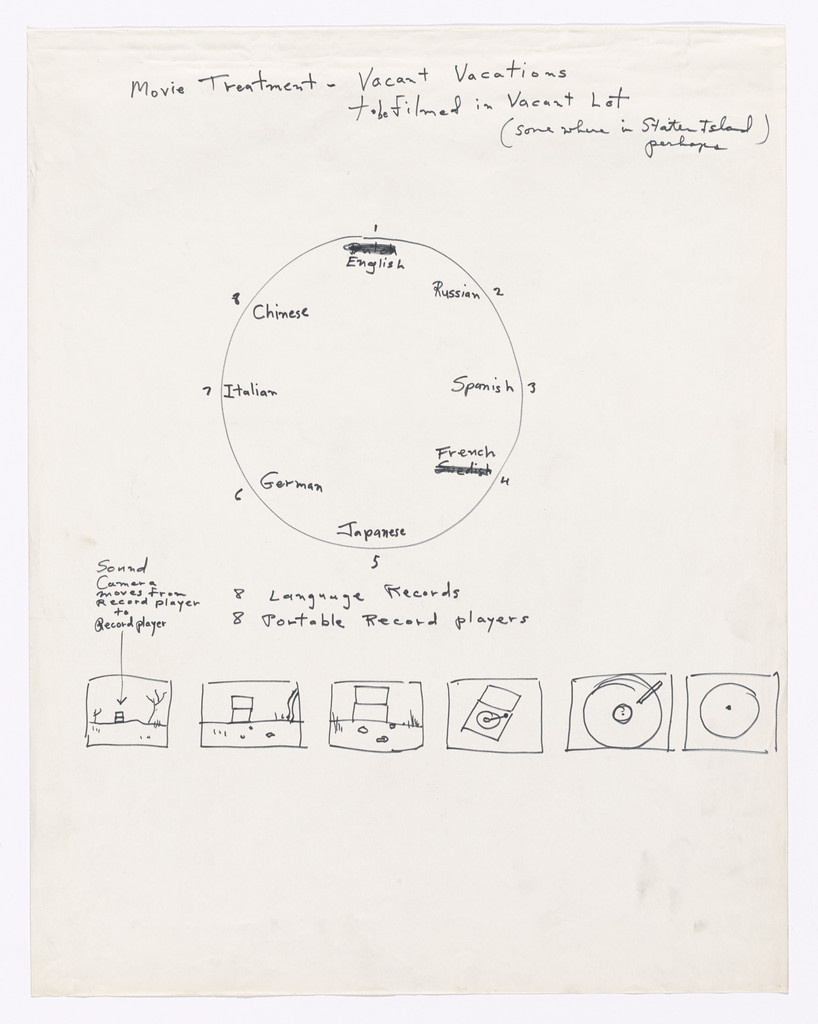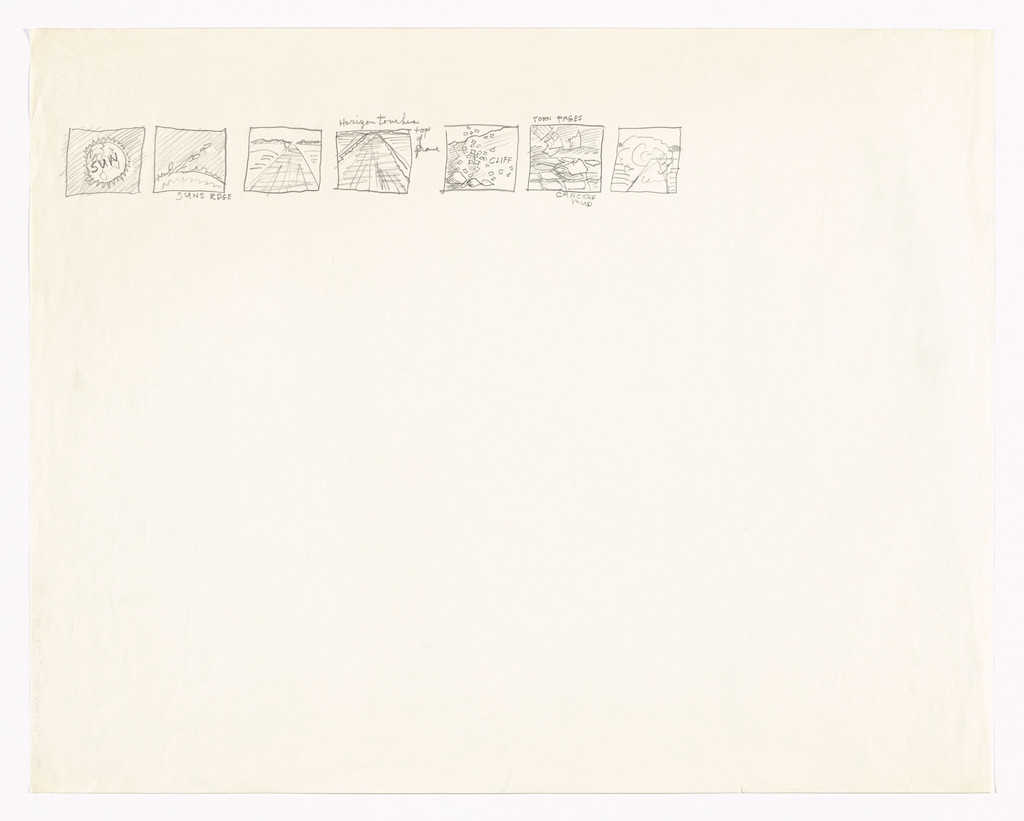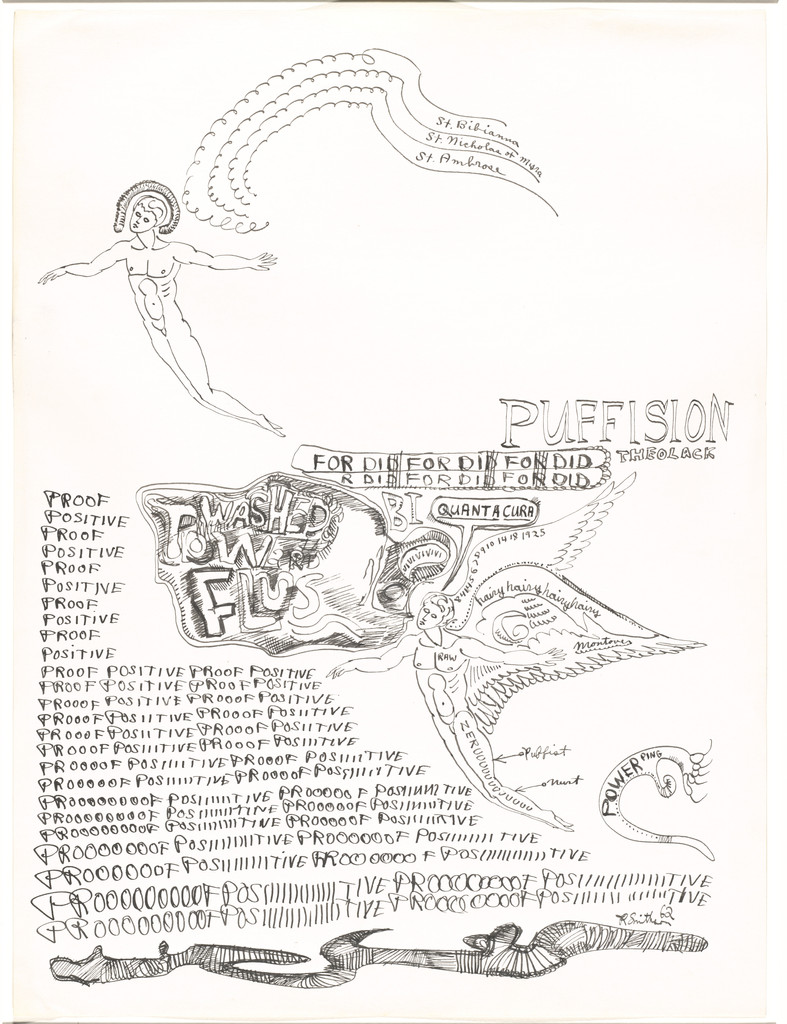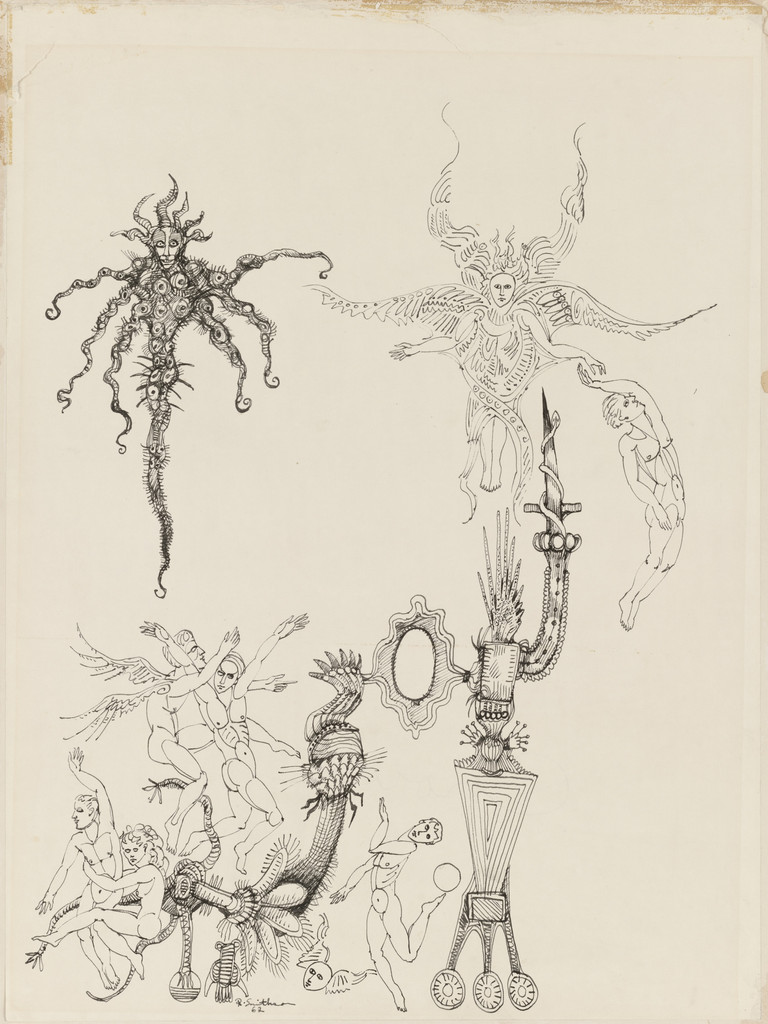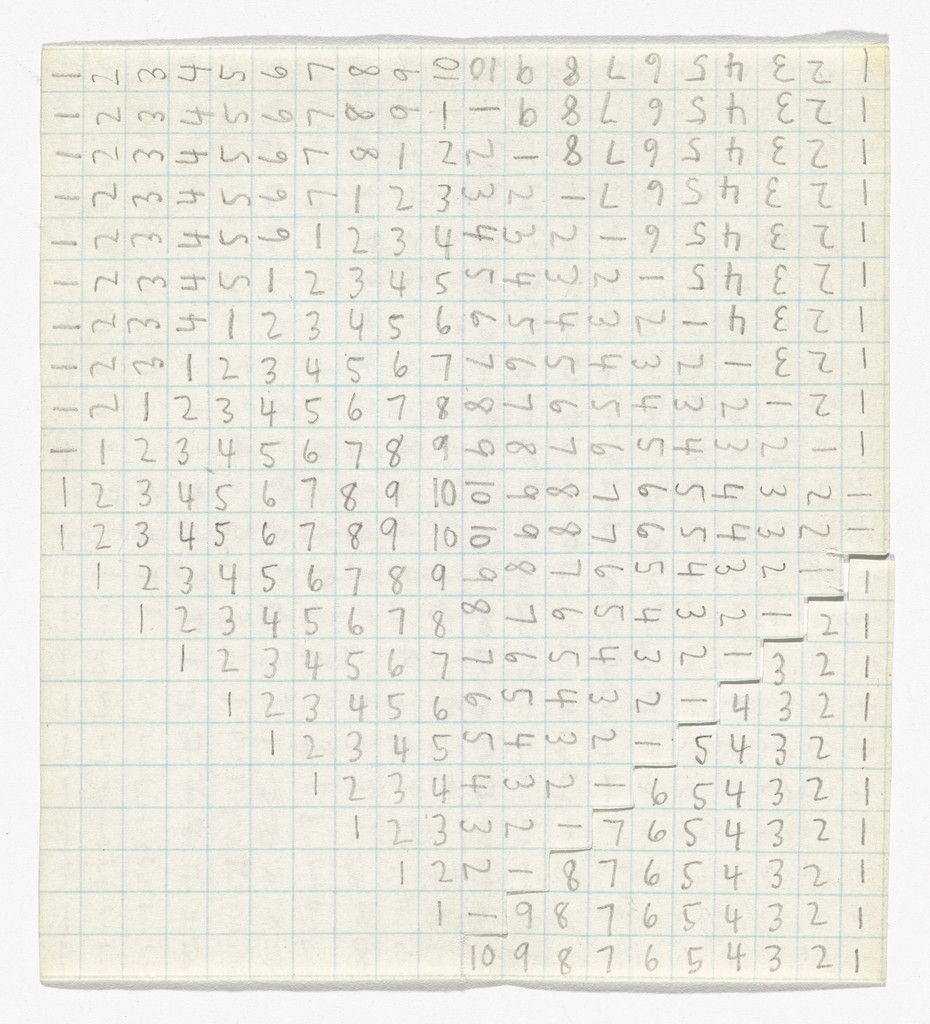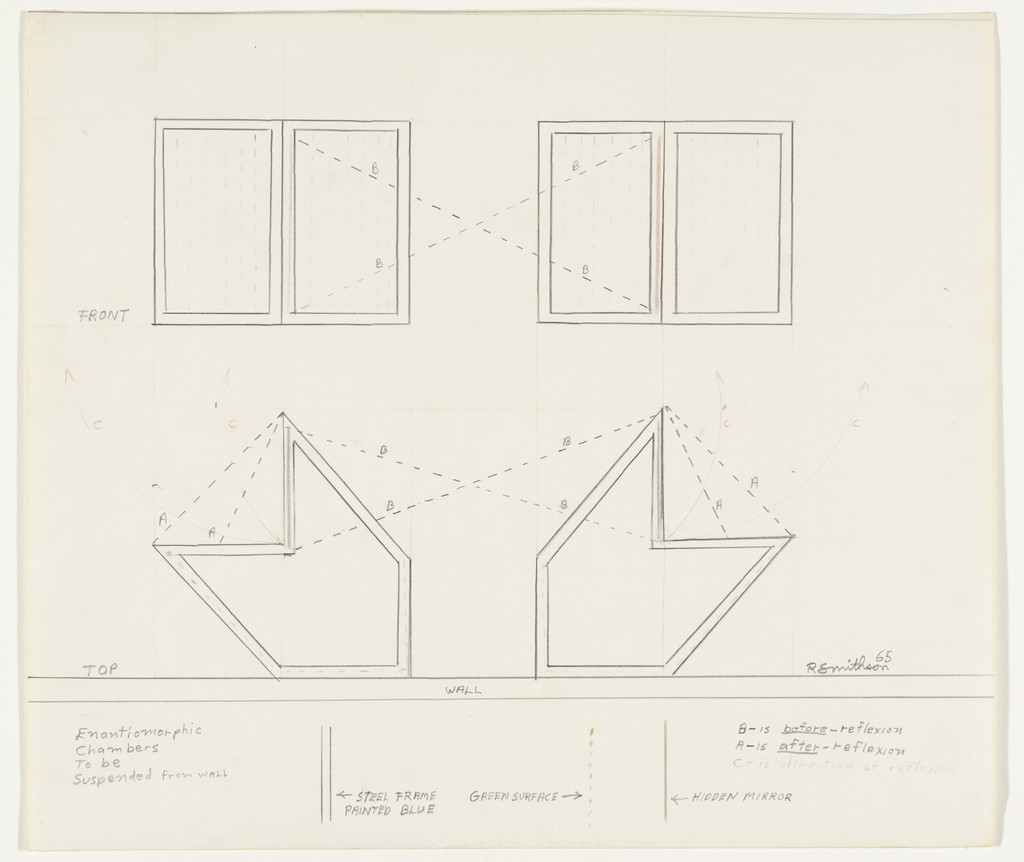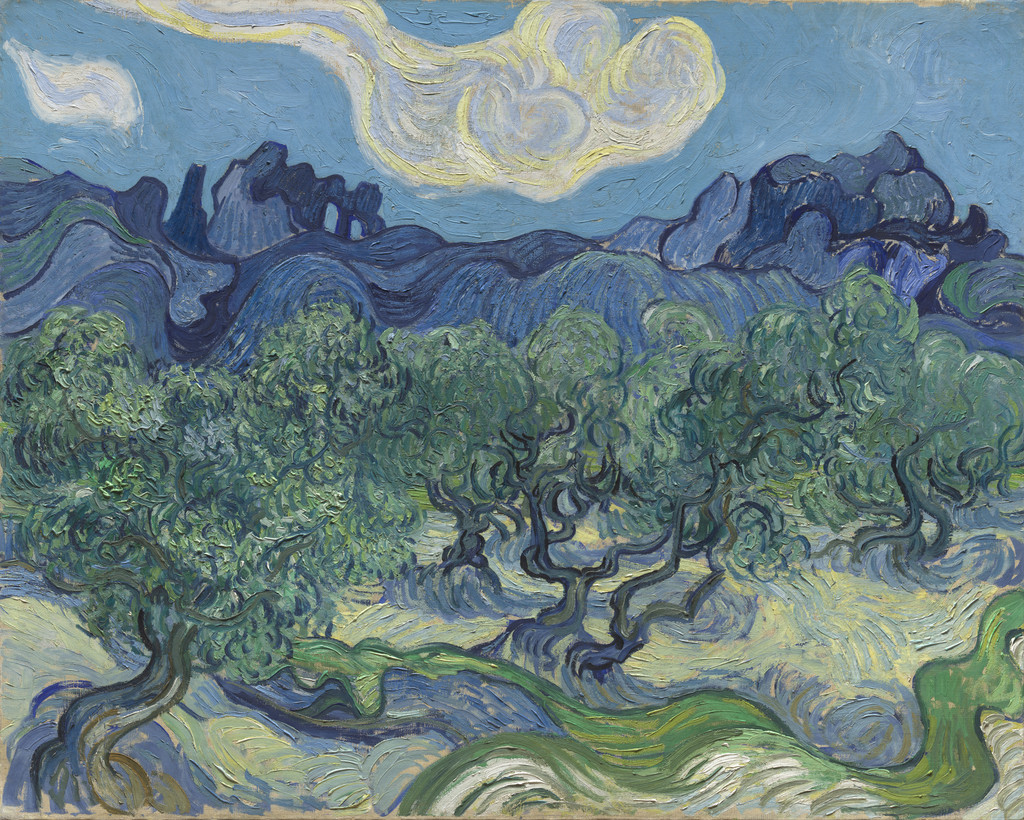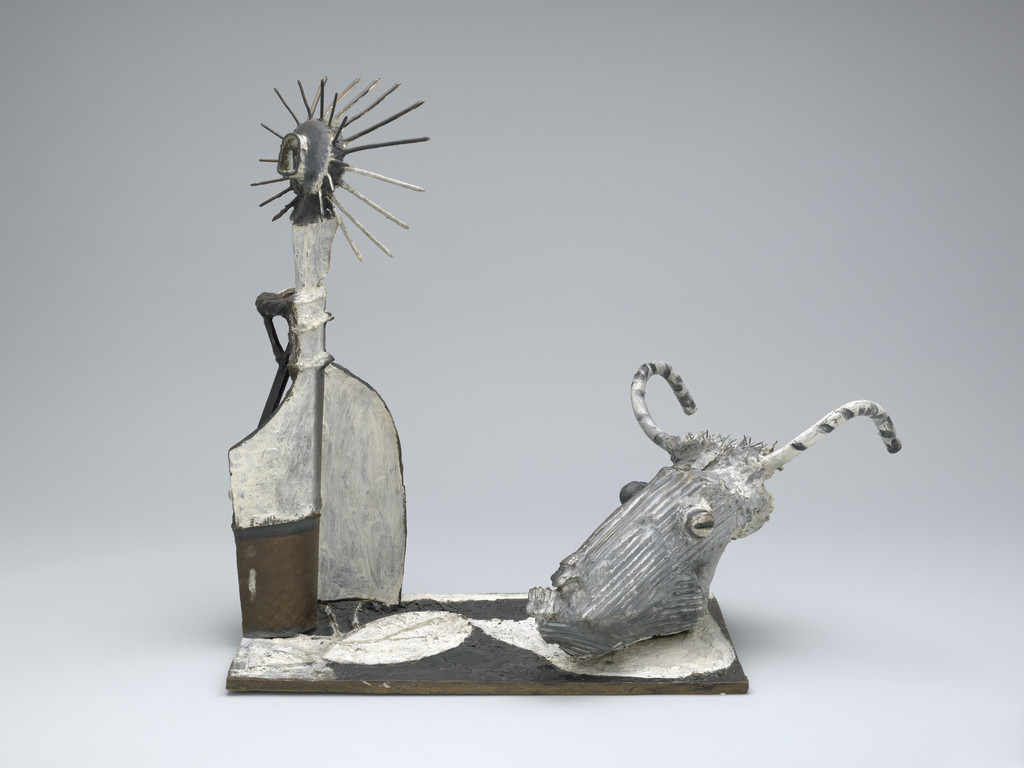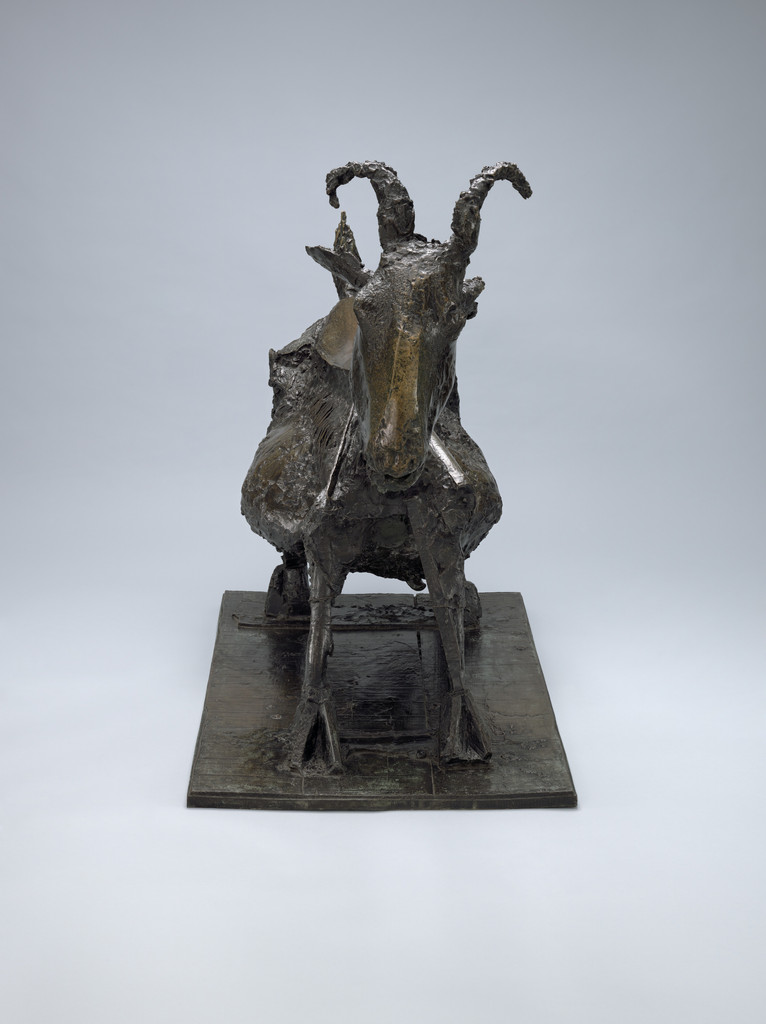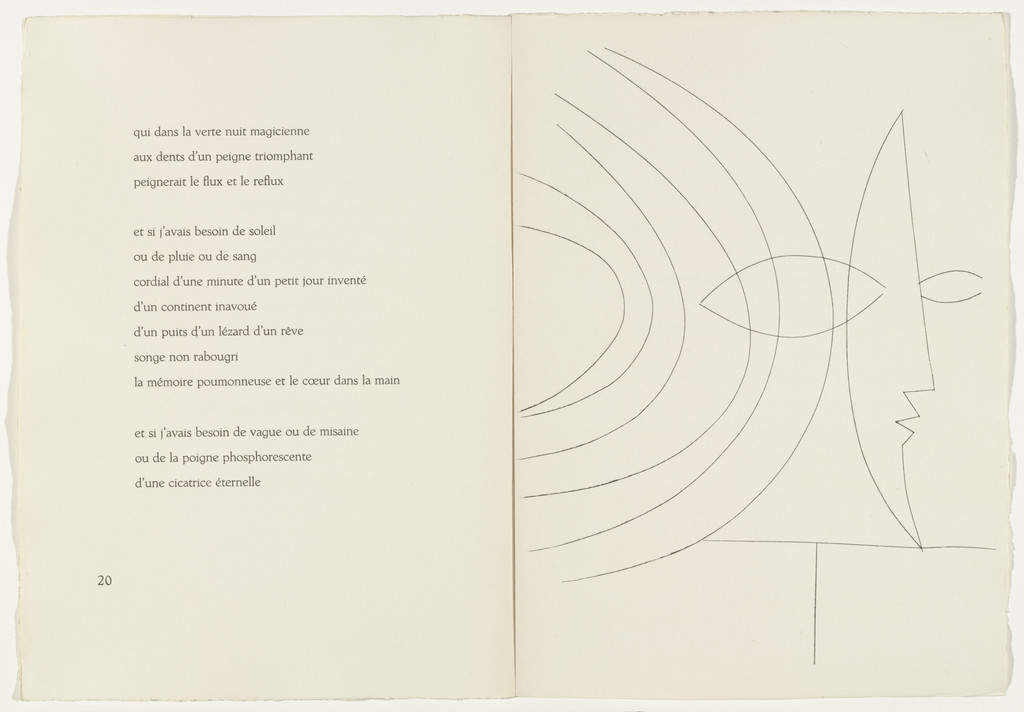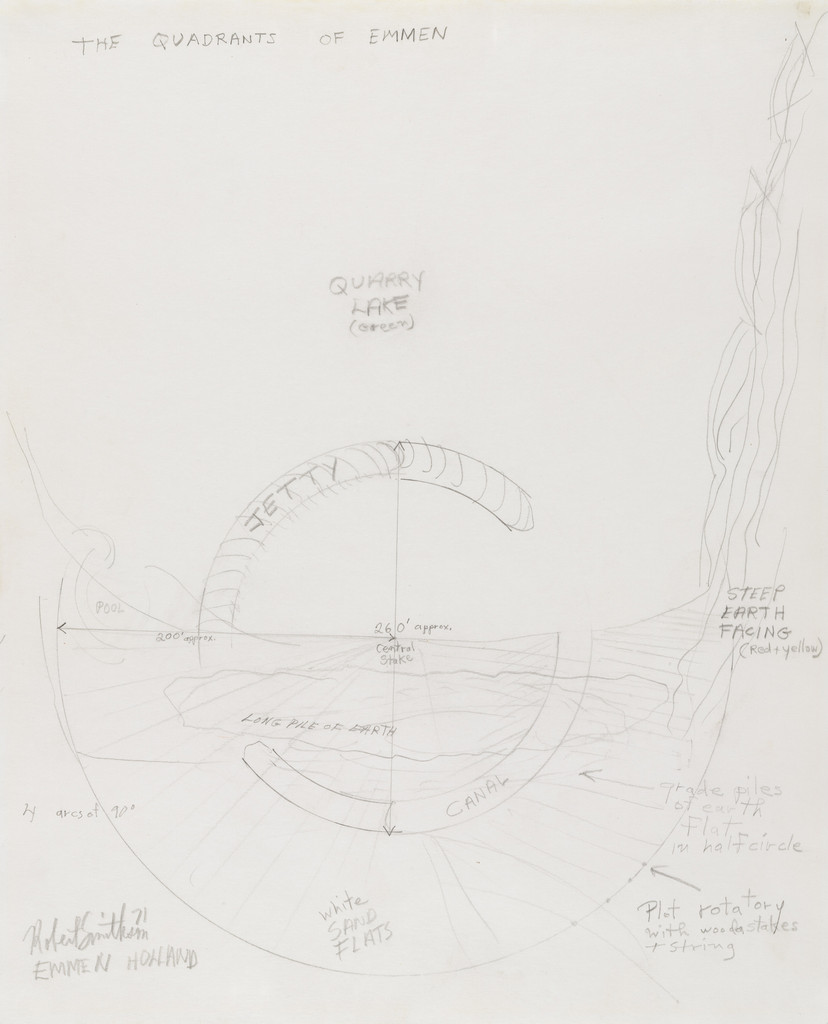
The Quadrants of Emmen
見られますか?
現在は展示されていません
『The Quadrants of Emmen』は今どこに? 所蔵: ニューヨーク近代美術館, ニューヨーク. 現在は展示されていません. 確認 2026年9月22日.

ニューヨーク, アメリカ合衆国
コレクションに属していますが、現在は展示されていません。
- 確認
- 出典
- 美術館
作品データ
- 収蔵番号
- 177.2004
カタログ収録
出典
- ニューヨーク近代美術館
- 画像: ニューヨーク近代美術館 — © the artist or rights holder
その頃、Robert Smithsonの人生では
生涯をすべて見る1969
Begins making land art
In 1969 Smithson starts producing land art pieces, developing concepts gained from his reading of William S. Burroughs, J. G. Ballard and George Kubler.
1969
Mirror travel in the Yucatán
In 1969 Smithson sets up a series of temporary mirror sculptures at various places on the Yucatán Peninsula; the photographs of “Mirror Displacements” illustrate his essay “Incidents of Mirror-Travel in the Yucatan” — part travelogue, part critical rumination, in which his interest in time as a cornerstone of his work is plain.
1970
Proposal “Floating Island” around Manhattan
In 1970 Smithson makes a series of drawings for “Floating Island: To Travel around Manhattan Island”: a barge containing broken concrete or glass is to be pulled by a tugboat; in other versions the barge is filled with earth and planted with trees and other vegetation. The project remained unrealised.
1972年6月30日–1972年10月8日
Exhibition: Documenta 5
1973
Essay on Olmsted and the dialectical landscape
In 1973, having seen the exhibition “Frederick Law Olmsted’s New York” at the Whitney Museum (curated by Elizabeth Barlow Rogers), Smithson writes the essay “Frederick Law Olmsted and the Dialectical Landscape”: in photographs of the land set aside for Central Park he sees a wasteland degraded by humans before Olmsted, and he challenges the view of the park as an outdated nineteenth-century picturesque. His proposal to make process art out of the dredging of The Pond in Central Park belongs to the same ideas.
20 July 1973
Dies inspecting the site of “Amarillo Ramp”
On 20 July 1973 Smithson dies, along with a photographer and the pilot, in the crash of a light aircraft, a Beechcraft Baron E55, while inspecting the site of “Amarillo Ramp” on the ranch of Stanley Marsh 3 near Amarillo, Texas; the National Transportation Safety Board attributed the accident to the pilot’s failure to maintain airspeed, with distraction a contributing factor. The work was later completed by his widow Nancy Holt, Richard Serra and Tony Shafrazi.