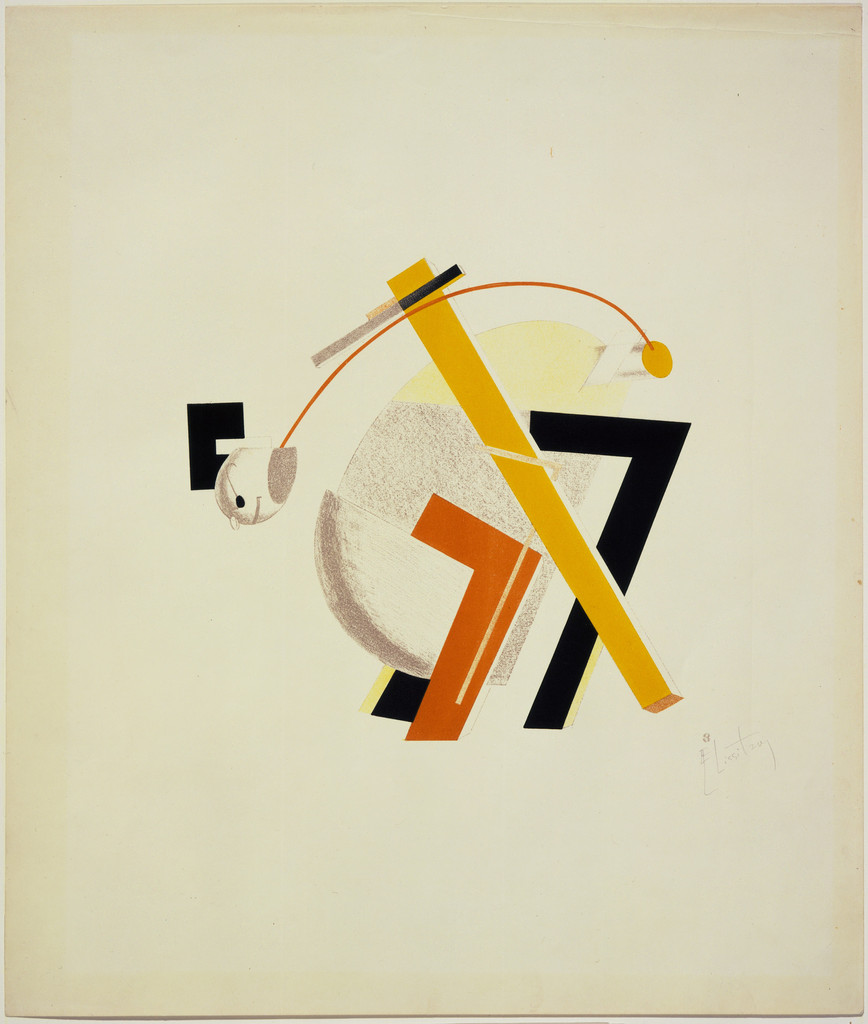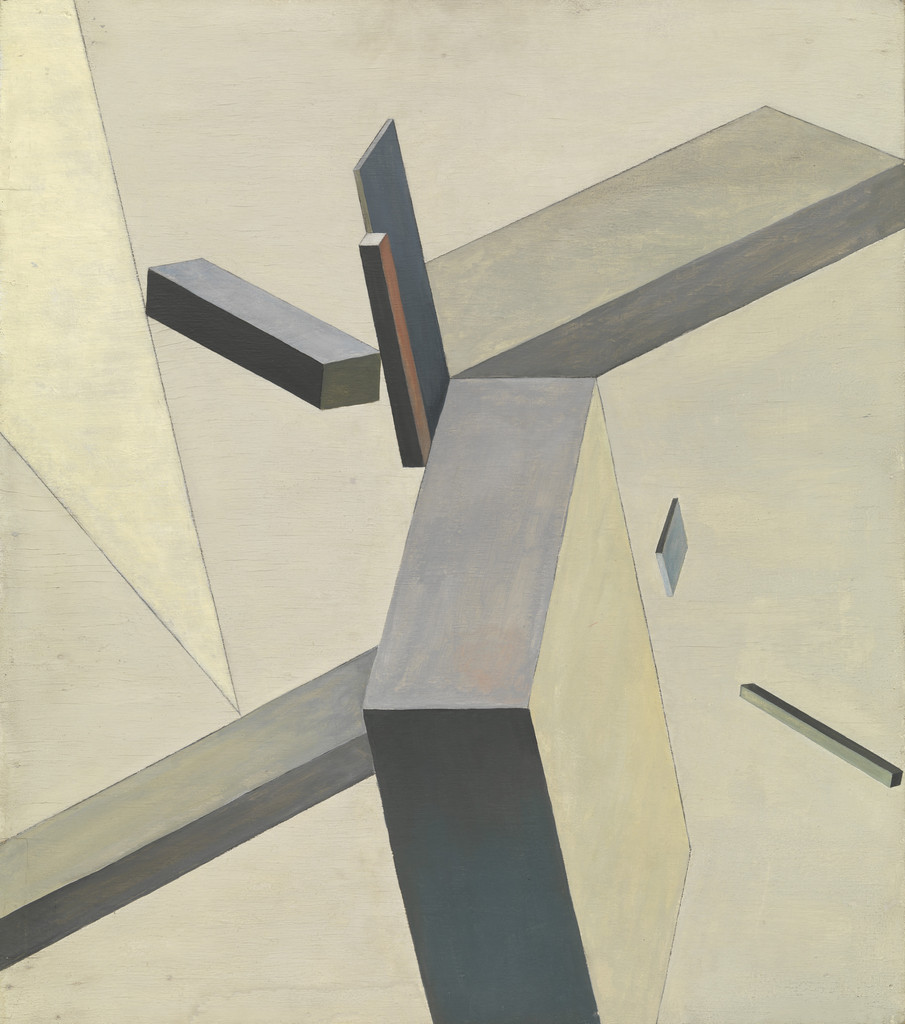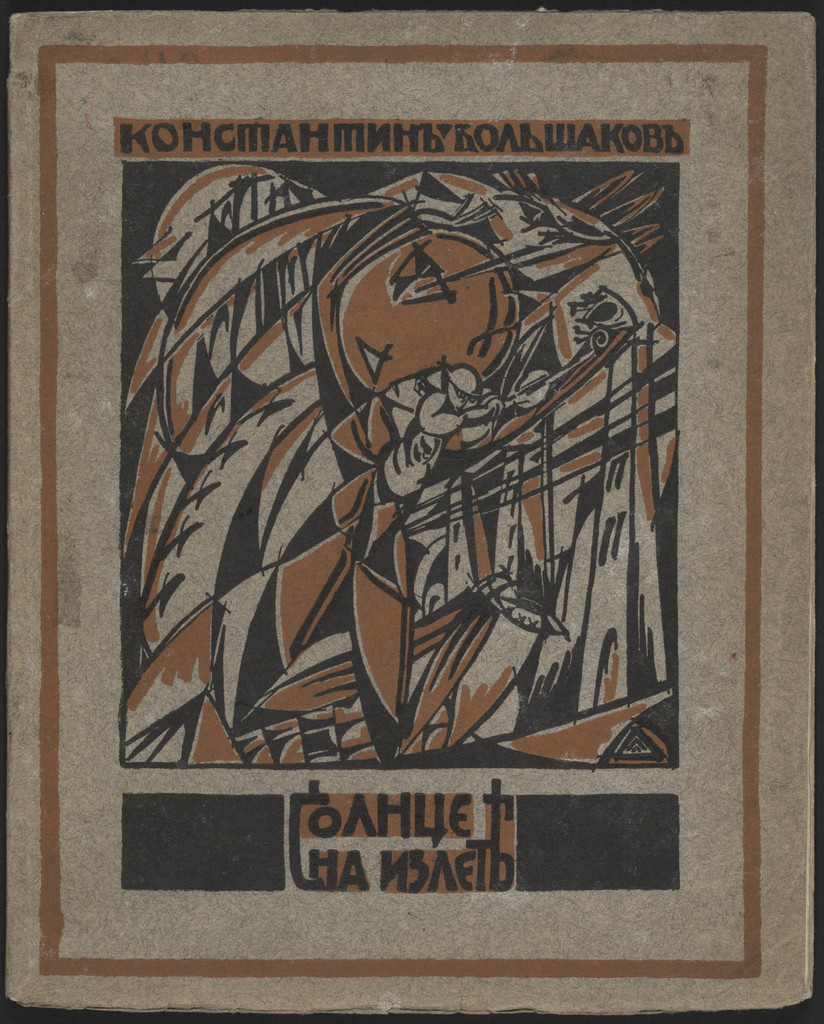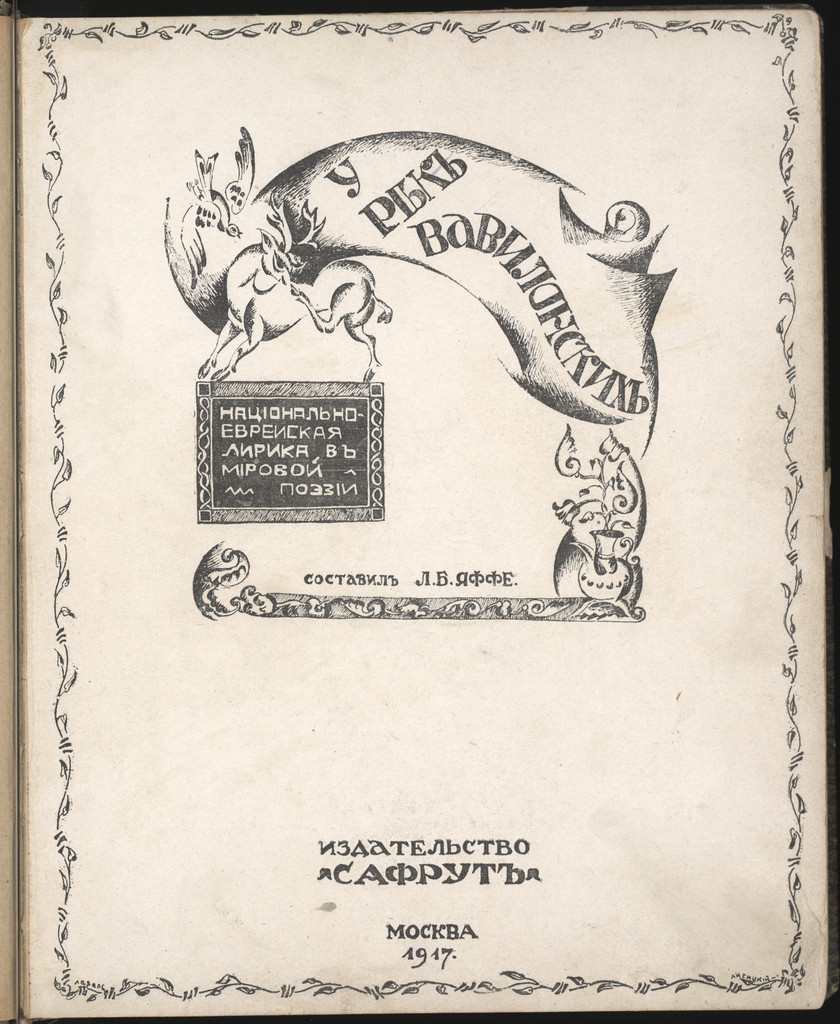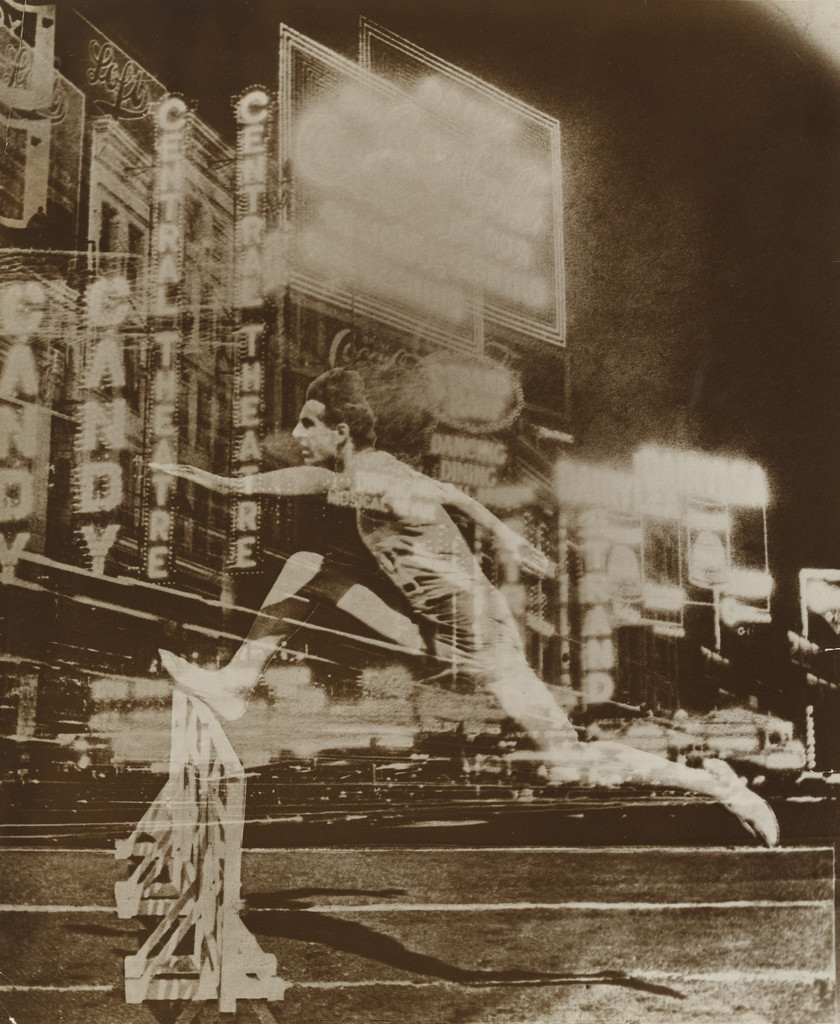
 El Lissitzkyロシア, 1890–1941
Record
お目にかかれますか?
ただいまはお迎えしていません

ニューヨーク近代美術館
ニューヨーク, アメリカ合衆国
コレクションに属していますが、現在は展示されていません。
- 確認
- 11 日前
- 出典
- 美術館自身の所蔵データ
作品データ
- 収蔵番号
- 1766.2001
出典
- ニューヨーク近代美術館: the museum's own open data · 11 日前に取得
- 画像: ニューヨーク近代美術館 — © the artist or rights holder
その頃、El Lissitzkyの人生では
生涯をすべて見る1921–1925
In Berlin: Schwitters, Moholy-Nagy, van Doesburg
In Berlin Lissitzky meets and befriends Kurt Schwitters, László Moholy-Nagy and Theo van Doesburg. Together with Schwitters and van Doesburg he presents the idea of an international artistic movement under the guidelines of constructivism, and works with Schwitters on the issue “Nasci” (“Nature”) of the periodical Merz; he also joins the Dutch group De Stijl.
1923–1924
Tuberculosis and a Swiss hospital
In 1923–1924 Lissitzky is severely ill with tuberculosis and stays in a Swiss hospital; at this time he is reported even to have considered suicide. He will die of tuberculosis in 1941.
1925
Return to the USSR
Lissitzky's years in Germany and Switzerland run from 1921 to 1925; it appears that in 1925 he returns to the Soviet Union.
1927
The All-Union Polygraphic Exhibition in Moscow
In 1927 the All-Union Typographic (Polygraphic) Exhibition takes place in Moscow under Lissitzky's direction and to his design; one of its aims is to show the paths humanity has travelled in conveying thought by means of symbolic and graphic signs. He develops new principles of exhibition display, treating an exhibition as a whole organism.
1927
Marriage to Sophie Küppers
In 1927 Lissitzky marries Sophie Küppers, the widow of Paul Küppers of the Kestnergesellschaft. Sophie, born Schneider, is a gallery owner and art historian; her first marriage was to the art historian Paul Erich Küppers.
May 1928
The Soviet pavilion at the “Pressa” exhibition in Cologne
In May 1928 the “Pressa” exhibition takes place in Cologne, with a Soviet pavilion built from Lissitzky's sketches — a large-scale project with installations, stands, kinetic objects and a photomontage frieze.