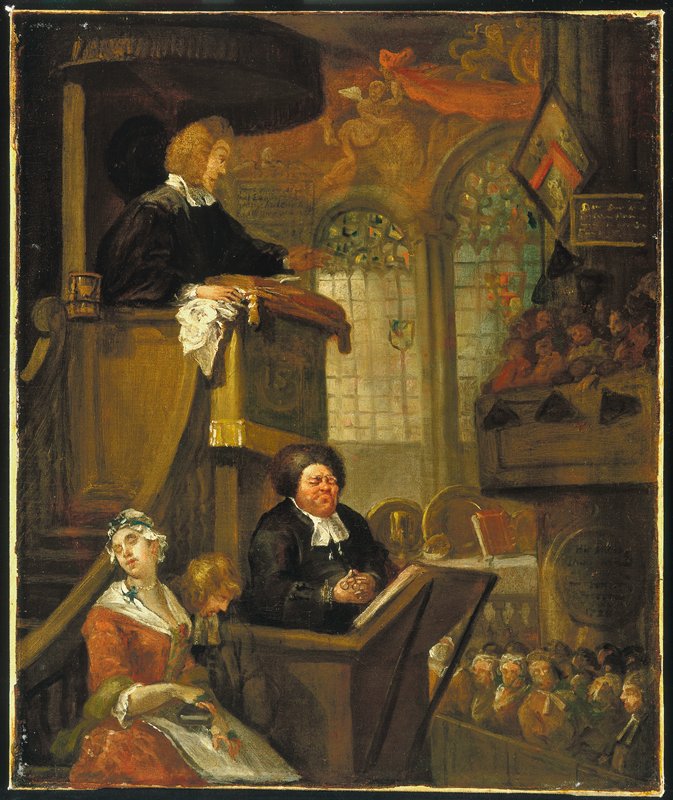
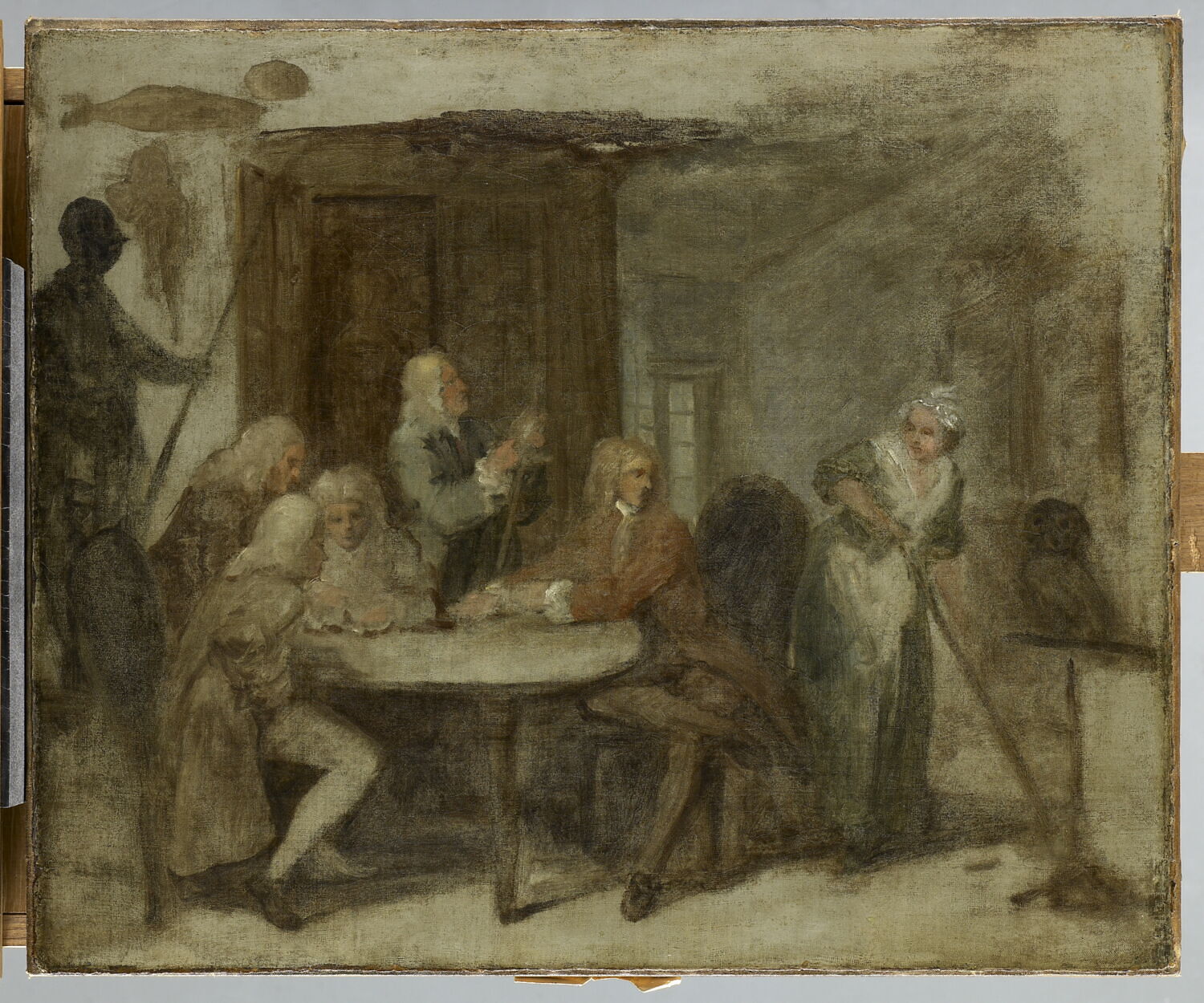
William Hogarthイングランド, 1697–1764
Mishandeling van werkdieren
見られますか?
不明
『Mishandeling van werkdieren』は今どこに? 所蔵: アムステルダム国立美術館, アムステルダム. 不明.

アムステルダム, オランダ
所蔵者は判明していますが、現在展示中かどうかは不明です。
- 出典
- 美術館
作品について
美術館の言葉で — オランダ語
Tekst in het Engels in de ondermarge. Gezicht op een straat waar dieren worden afgeranseld door mensen. Linksvoor een gekantelde koets. Uithangborden en affiches aan de gevels.
アムステルダム国立美術館
作品データ
- 収蔵番号
- RP-P-OB-18.774
描かれているもの
カタログ収録
出典
- アムステルダム国立美術館
- 画像: アムステルダム国立美術館 — public domain
その頃、William Hogarthの人生では
生涯をすべて見る1712–1764 · 活動地
London
1749
A country house in Chiswick
In 1749 Hogarth bought a country retreat in Chiswick — now Hogarth’s House, a museum — and spent time there for the rest of his life; his main home remained the house in Leicester Fields (now Leicester Square).
1753
The treatise “The Analysis of Beauty”
In 1753 Hogarth published the treatise “The Analysis of Beauty”, in which he declared the S-shaped “line of beauty” — a serpentine line that conveys life and movement — the basis of harmony, and made it his emblem. His adherents praised the book as a fine statement on aesthetics, while enemies and rivals such as Paul Sandby mocked its obscurities and minor errors in endless caricatures.