![Liz #3 [Early Colored Liz], Andy Warhol, 1963](/api/img?u=https%3A%2F%2Fwww.artic.edu%2Fiiif%2F2%2F362c0c2a-4576-2207-4ba9-2b87e6d0bad0%2Ffull%2F843%2C%2F0%2Fdefault.jpg)
 Andy Warholアメリカ合衆国, 1928–1987
Liz #3 [Early Colored Liz]
見られますか?
はい、現在展示中
『Liz #3 [Early Colored Liz]』は今どこに? シカゴ美術館, 展示室 296, シカゴ. はい、現在展示中. 確認 2026年9月29日.

シカゴ, アメリカ合衆国
閉館· 11:00に開館
一般公開されています。
- 確認
- この状態になった日
- 出典
- 美術館
この絵画について
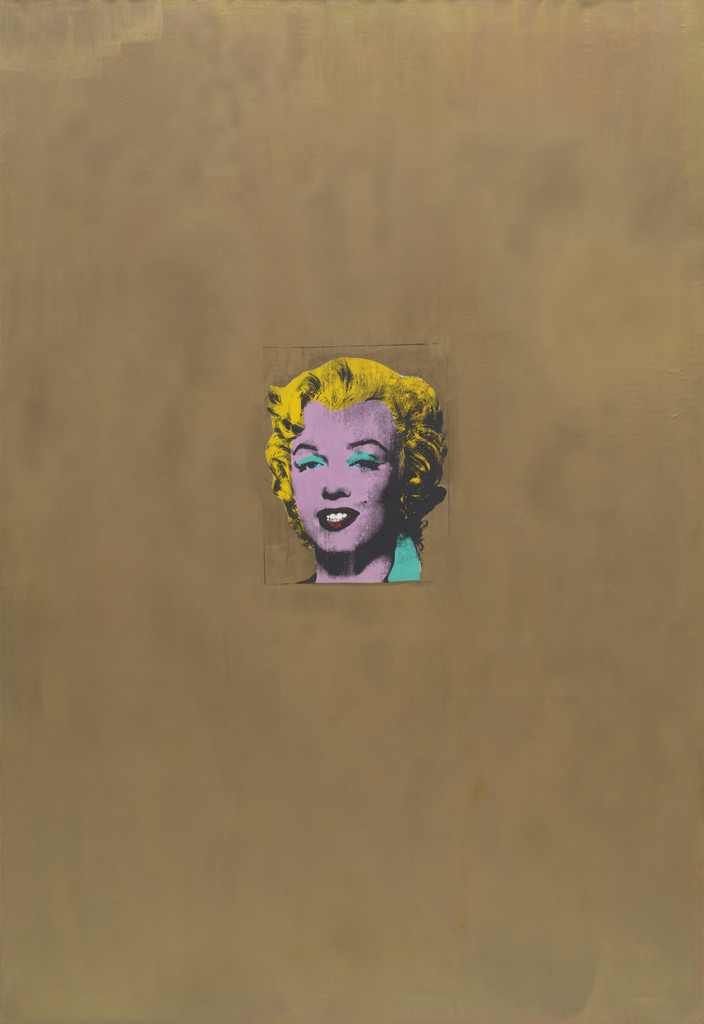
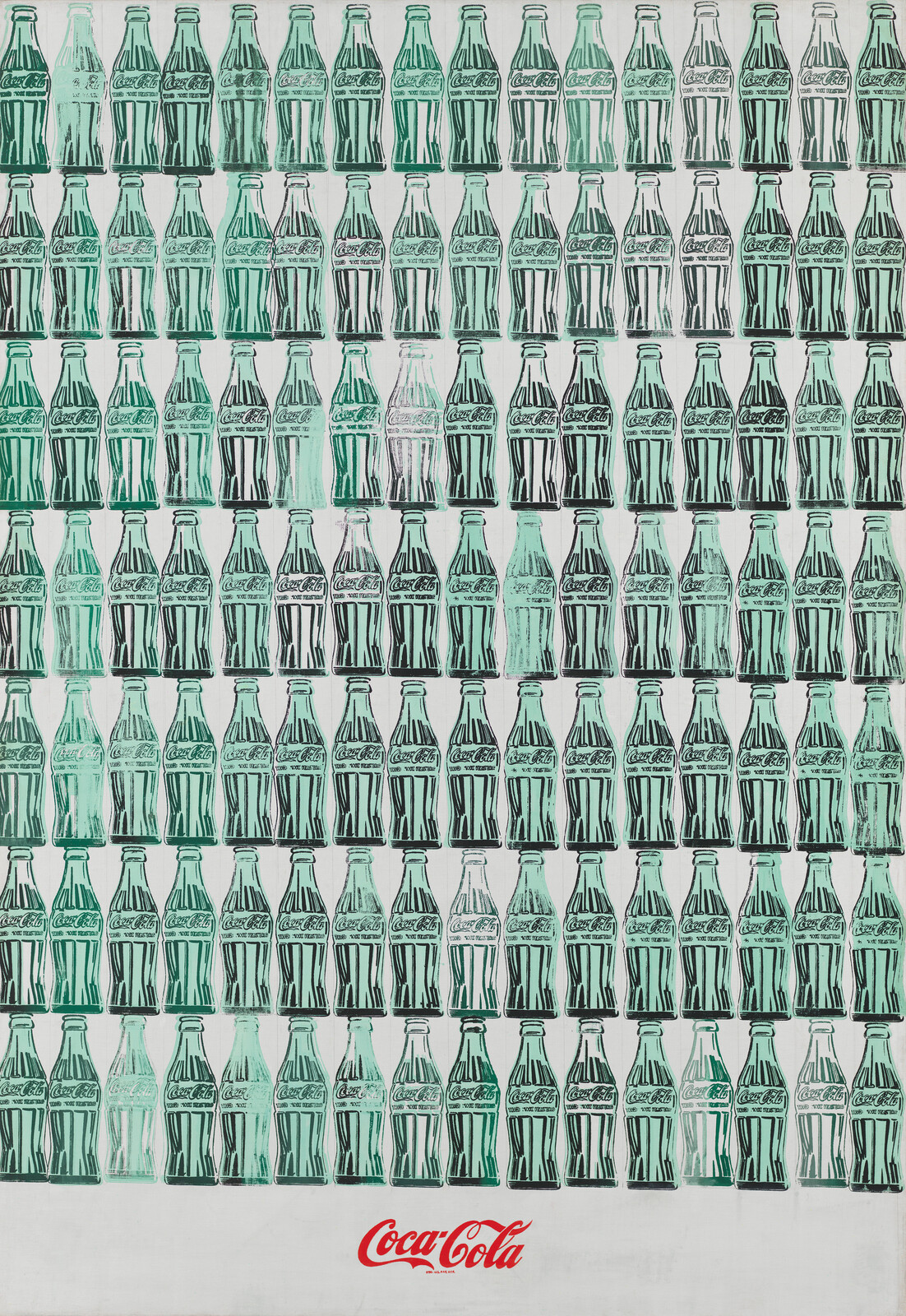
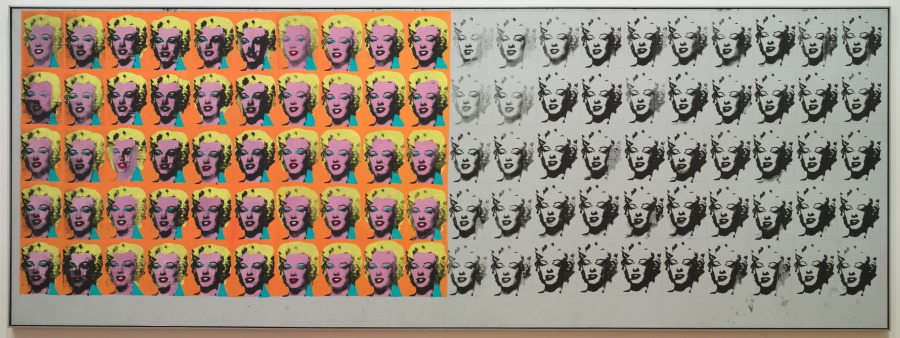
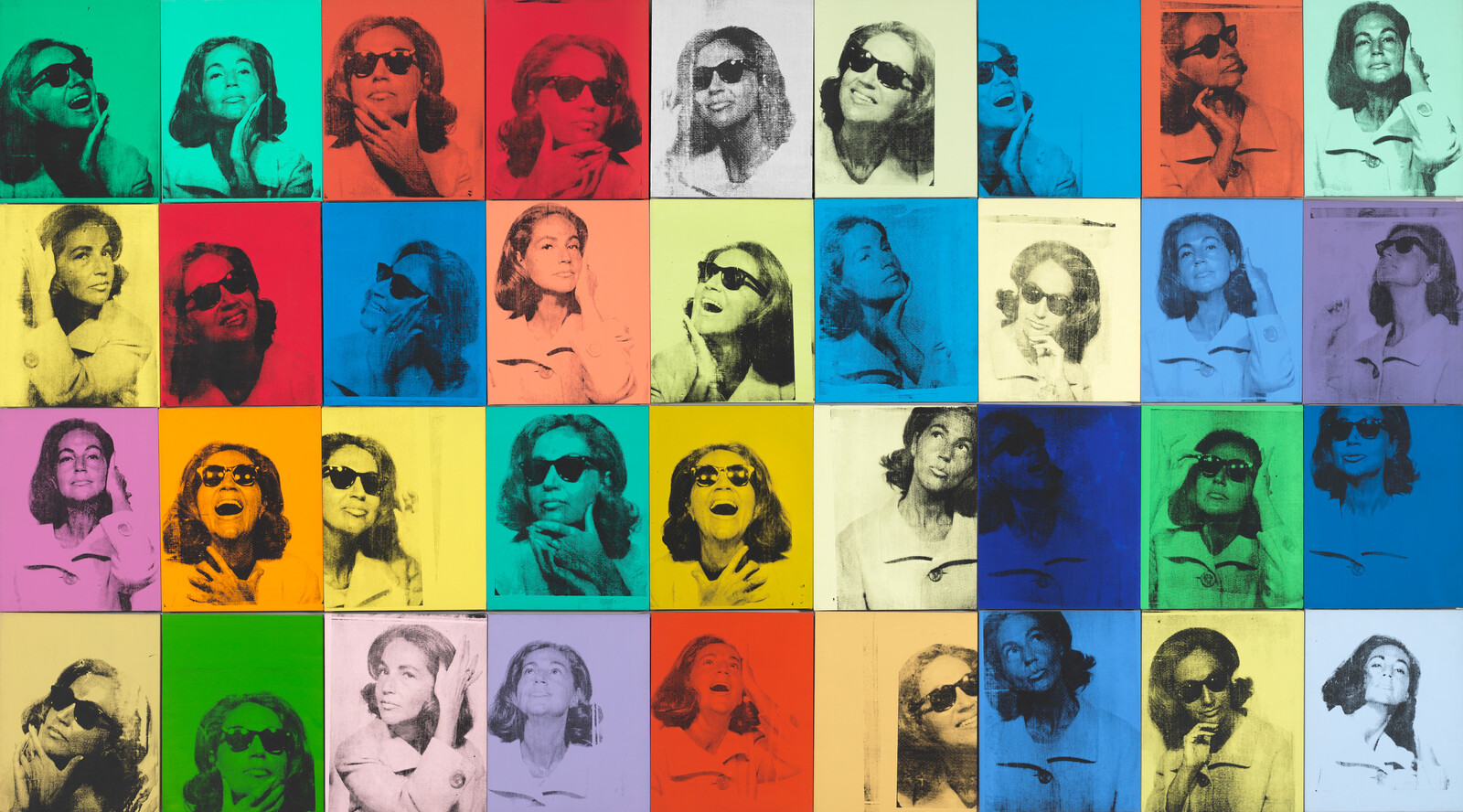
Pop Art icon Andy Warhol’s embrace of mass culture radically altered the course of late twentieth-century art history, redefining both what a work of art can or should depict as well as the way in which it can be made. His breakthrough artistic moment came when he took the commercial printing process of photo-emulsion silkscreen and applied it to canvas. This allowed him to reproduce the same image over and over, quickly and efficiently.
続きを読む
Warhol celebrated both products and personalities, giving equal weight to soup cans and movie stars. He began using images of Elizabeth Taylor in early 1962. Her beauty and allure fueled interest in the sordid tragedies of her personal life, which included failed marriages, love affairs, and a near-death experience that occurred while filming Cleopatra (1963). Liz #3 [Early Colored Liz] comes from a series of thirteen canvases, each with the same image of Taylor set before a jewel-toned background. Warhol used a preexisting publicity still of Taylor as his source material, which he cropped and then enlarged so that the actress literally fills the screen. Her signature features — her eyes and lips — have been accentuated with colors that hover between vibrant and vulgar. This garish use of “makeup” is meant to suggest style and glamor, reinforcing Taylor’s celebrity status.
シカゴ美術館CC BY 4.0
作品データ
- 収蔵番号
- 2015.160
描かれているもの
カタログ収録
出典
- シカゴ美術館
- 画像: シカゴ美術館 — © the artist or rights holder
その頃、Andy Warholの人生では
生涯をすべて見る1961
金を描く決意
1961年12月、クレス・オルデンバーグのインスタレーション『ストア』を見たウォーホルは、自分の漫画の絵には独創性が足りないと考え、失意のうちに帰宅した。Muriel Flatowが50ドルで授けた「いちばん好きなもの、つまり金を描けばよい」という冗談めいた助言を受け入れ、ドル紙幣を描き始めた。
1961–1962
Mastering silkscreen
Seeking technical advice, Warhol turned to Floriano Vecchi of Tiber Press, who showed him the basics of silkscreen printing: transferring designs to acetate, preparing screens and pulling ink with a squeegee. The experiments became a turning point and soon led to some of his earliest silkscreen works.
9 July 1962
Soup cans at the Ferus Gallery
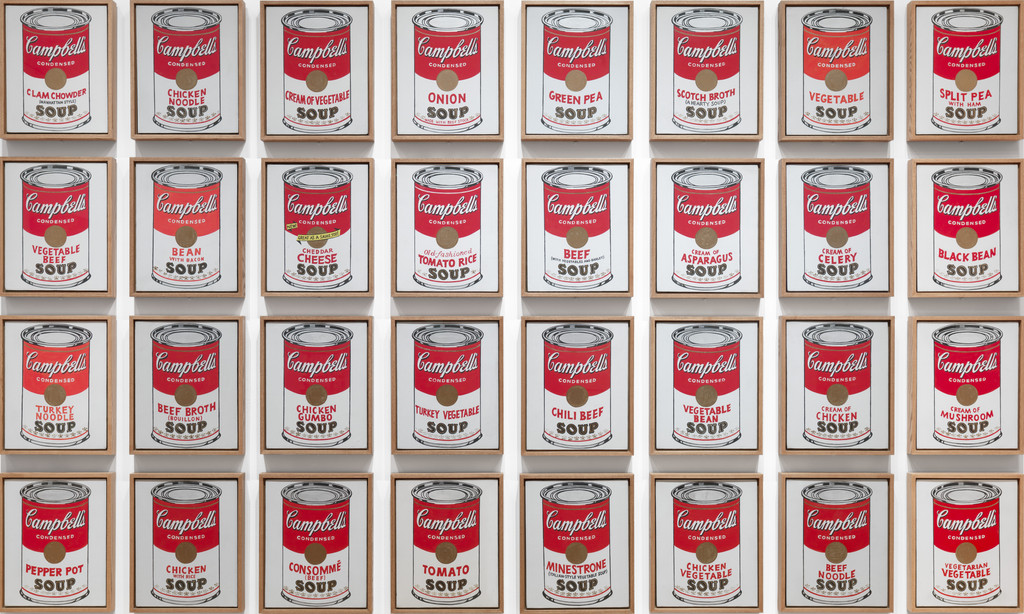
The Los Angeles dealer Irving Blum, surprised that Warhol had no gallery, offered him a solo show at the Ferus Gallery. Warhol sent 32 canvases, one for each variety of Campbell's soup; the exhibition opened on 9 July 1962 and marked his West Coast debut.
1962
“The New Realists” at the Sidney Janis Gallery
Invited by the dealer Sidney Janis, Warhol took part in the exhibition The New Realists, showing 200 Soup Cans, Big Campbell's Soup Can 19c (Beef Noodle) and Do It Yourself (Flowers). The show was widely seen as a turning point for the acceptance of Pop art: The New Yorker likened its effect on the New York art world to an “earthquake”.
1964
The Factory on 47th Street
By 1964 Warhol had moved his studio to 231 East 47th Street, which became known as the Factory; Billy Name covered it in aluminium foil and silver paint. The poet Gerard Malanga helped him with silkscreens and films, and working with assistants became a lasting feature of his method.
1965
Paris: announcing his retirement from painting
The second Flowers series was shown at Galerie Ileana Sonnabend in Paris; during the trip Warhol announced that he was retiring from painting to focus on film, saying he no longer believed in painting.