ART WIKI33,040 点が展示中
地図コレクション作家美術館展覧会ジャーナル
ログイン

ART WIKI

名画の居場所と、扉の開く時刻。

所蔵館:J・ポール・ゲティ美術館、アムステルダム国立美術館、ヴィクトリア&アルバート博物館、エルミタージュ美術館、クリーブランド美術館、ゲティ・ヴィラ、コペンハーゲン国立美術館、シカゴ美術館、スミソニアン・アメリカ美術館、スミソニアン国立アジア美術館、トレチャコフ美術館、ナショナル・ギャラリー、ニューヨーク近代美術館、ハーシュホーン博物館と彫刻の庭、ハーバード美術館群、プーシキン美術館、ホイットニー美術館、ミネアポリス美術館、メトロポリタン美術館、ルーヴル美術館、ロシア美術館、国立肖像画美術館、ロシア博物館資料国家目録(274館)、Europeana(19館)、ウィキデータ(6館)、Paris Musées(12館)、Joconde(フランス文化省の美術館データベース)(495館)。画像の権利は各権利者に帰属します。

ご案内

  • 地図
  • 検索
  • コレクション
  • 名作
  • 現在展示中
  • 作家

その他

  • 美術館・ギャラリー
  • 展覧会
  • ジャーナル
  • データの出どころ
  • プライバシーとCookie
ホーム地図カタログ
  1. コレクション/
  2. ニューヨーク近代美術館/
  3. Gold Marilyn Monroe
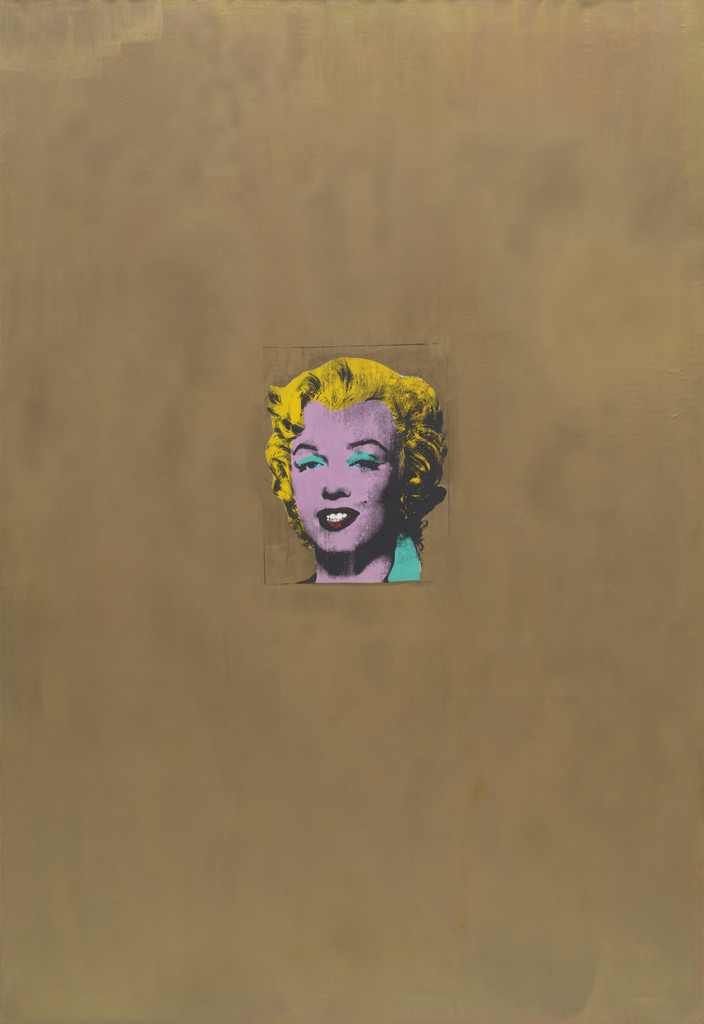
Gold Marilyn Monroe, Andy Warhol, 1962
Andy Warholの肖像Andy Warholアメリカ合衆国, 1928–1987

Gold Marilyn Monroe

1962 · Painting

お目にかかれますか?

はい、お客様をお迎えしています

ニューヨーク近代美術館

ニューヨーク, アメリカ合衆国

展示室MoMA, 4階, 420

一般公開されています。裏付けとなる出典は下に記しています。

確認
16 日前
出典
美術館
地図で見る美術館のページ

この絵画について

Gold Marilyn Monroe is a screenprint painting by Andy Warhol based on a photograph of the actress Marilyn Monroe's face centered on a large (6 ft 11 in (2.11 m) x 4 ft 9 in (1.45 m)) gold-painted canvas. Warhol used silkscreen ink on synthetic polymer paint on canvas. It was completed in 1962, the same year as Monroe's death. The image of Monroe is a direct copy of a close-up photograph, a publicity still from her 1953 film Niagara.

Gold Marilyn Monroe was included in Warhol's first show in New York, at the Stable Gallery in November 1962, where the architect Philip Johnson bought it. He eventually donated it to the Museum of Modern Art (MoMA) in New York City, where it remains.

続きを読む

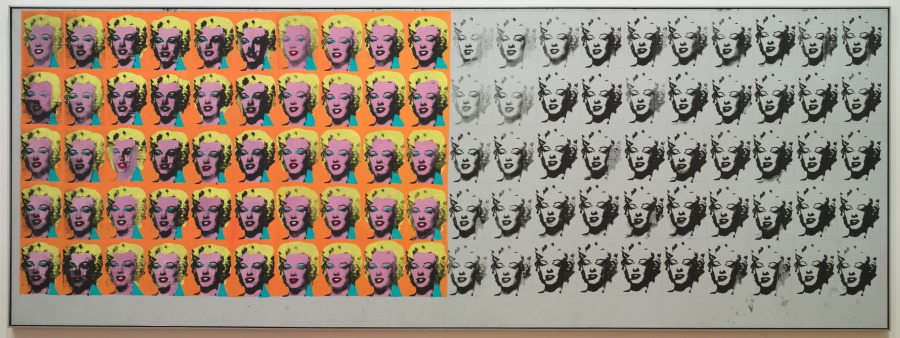
Marilyn Diptych was another 1962 work by Warhol featuring 50 repeated images using the same photo, half in bright color and half in blurry black and white. In 1967 Warhol used the same photograph again for his Marilyn Monroe portfolio a set of ten brightly and differently colored screenprints.

ウィキペディア · CC BY-SA

作品データ

1962 · 34歳
19281987
収蔵番号
316.1962

その頃、Andy Warholの人生では

生涯をすべて見る
  1. 1961

    The decision to paint money

    After seeing Claes Oldenburg's installation The Store in December 1961, Warhol went home frustrated, feeling his comic-strip paintings were no longer original enough. He accepted Muriel Flatow's tongue-in-cheek advice, given for $50, to paint what he liked most — money — and began painting dollar bills.

  2. 1961–1962

    Mastering silkscreen

    Seeking technical advice, Warhol turned to Floriano Vecchi of Tiber Press, who showed him the basics of silkscreen printing: transferring designs to acetate, preparing screens and pulling ink with a squeegee. The experiments became a turning point and soon led to some of his earliest silkscreen works.

  3. 9 July 1962

    Soup cans at the Ferus Gallery

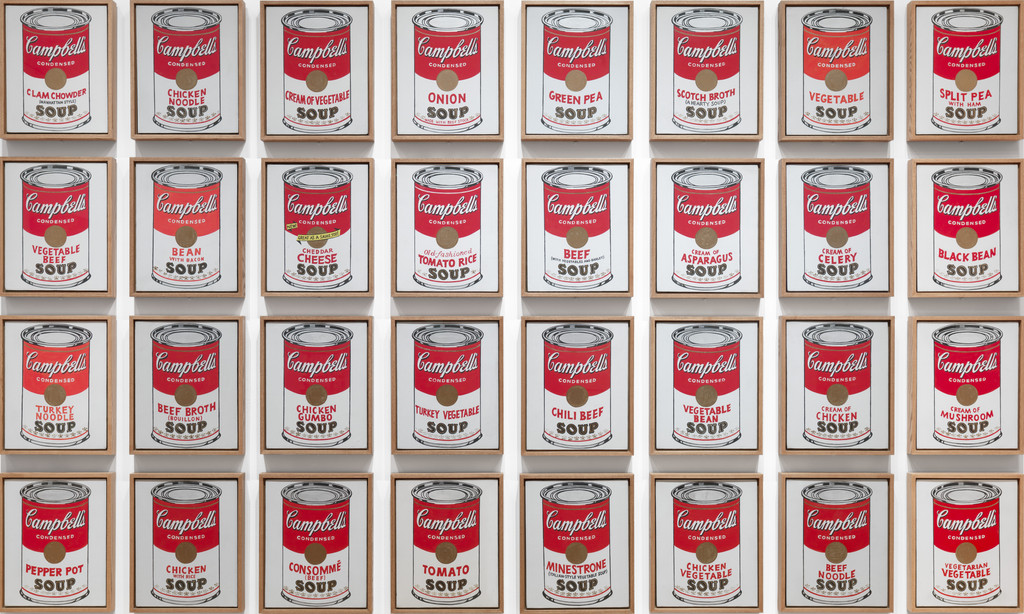
    The Los Angeles dealer Irving Blum, surprised that Warhol had no gallery, offered him a solo show at the Ferus Gallery. Warhol sent 32 canvases, one for each variety of Campbell's soup; the exhibition opened on 9 July 1962 and marked his West Coast debut.

  4. 1962

    “The New Realists” at the Sidney Janis Gallery

    Invited by the dealer Sidney Janis, Warhol took part in the exhibition The New Realists, showing 200 Soup Cans, Big Campbell's Soup Can 19c (Beef Noodle) and Do It Yourself (Flowers). The show was widely seen as a turning point for the acceptance of Pop art: The New Yorker likened its effect on the New York art world to an “earthquake”.

  5. 6 November 1962

    First solo Pop show in New York

Andy Warholのほかの作品

すべての作品

同じ展示室 · MoMA, Floor 4, 420, ニューヨーク近代美術館

美術館のページ

The filmmaker Emile de Antonio introduced Warhol to Eleanor Ward of the Stable Gallery, who agreed to a show in exchange for a painting of a two-dollar bill; the eighteen new works included Marilyn Monroe Twenty Times and Red Elvis. Michael Fried wrote in Art International that of all the painters working in the service of a popular iconography, Warhol was probably the most single-minded and the most spectacular.

  • 1964

    The Factory on 47th Street

    By 1964 Warhol had moved his studio to 231 East 47th Street, which became known as the Factory; Billy Name covered it in aluminium foil and silver paint. The poet Gerard Malanga helped him with silkscreens and films, and working with assistants became a lasting feature of his method.

  • カタログ収録

    絵画墨アメリカ絵画戦後美術20世紀

    出典

    • ニューヨーク近代美術館
    • 画像: ニューヨーク近代美術館 — © the artist or rights holder
    A Boy for Meg, Andy Warhol, 1962

    A Boy for Meg

    1962 · ナショナル・ギャラリー

    Campbell's Soup Cans, Andy Warhol, 1962

    キャンベル・スープ缶

    1962 · ニューヨーク近代美術館

    Orange Car Crash Fourteen Times, Andy Warhol, 1963

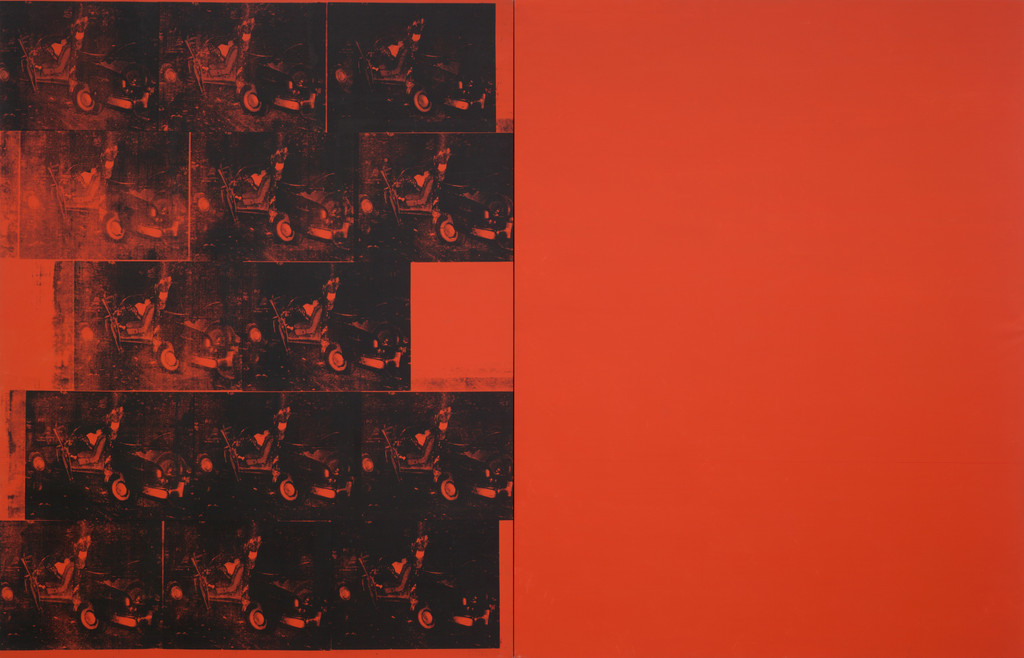
    Orange Car Crash Fourteen Times

    1963 · ニューヨーク近代美術館

    The Last Supper, Andy Warhol, 1986

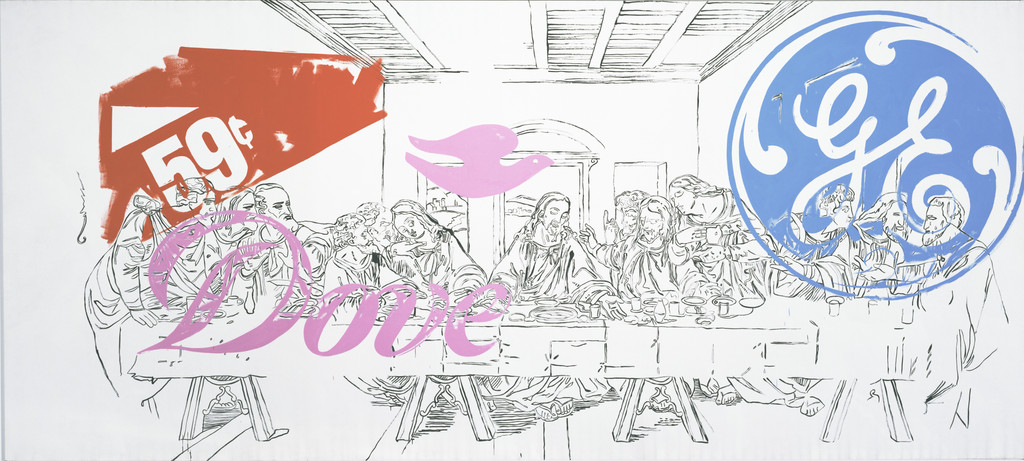
    The Last Supper

    1986 · ニューヨーク近代美術館

    Green Coca-Cola Bottles, Andy Warhol, 1962

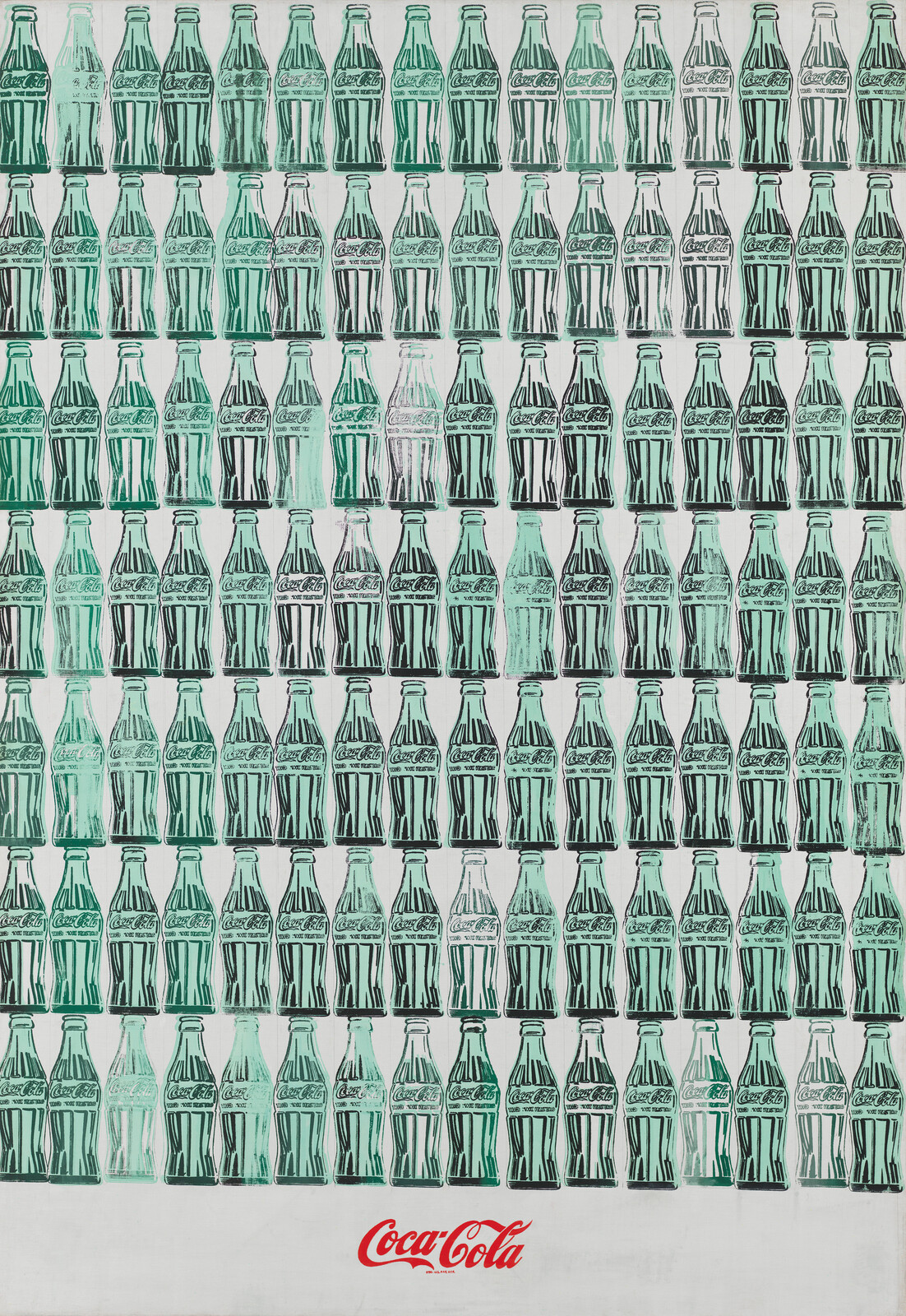
    Green Coca-Cola Bottles

    1962 · ホイットニー美術館

    Marilyn x 100, Andy Warhol, 1962

    Marilyn x 100

    1962 · クリーブランド美術館

    Liz #3 [Early Colored Liz], Andy Warhol, 1963

    Liz #3 [Early Colored Liz]

    1963 · シカゴ美術館

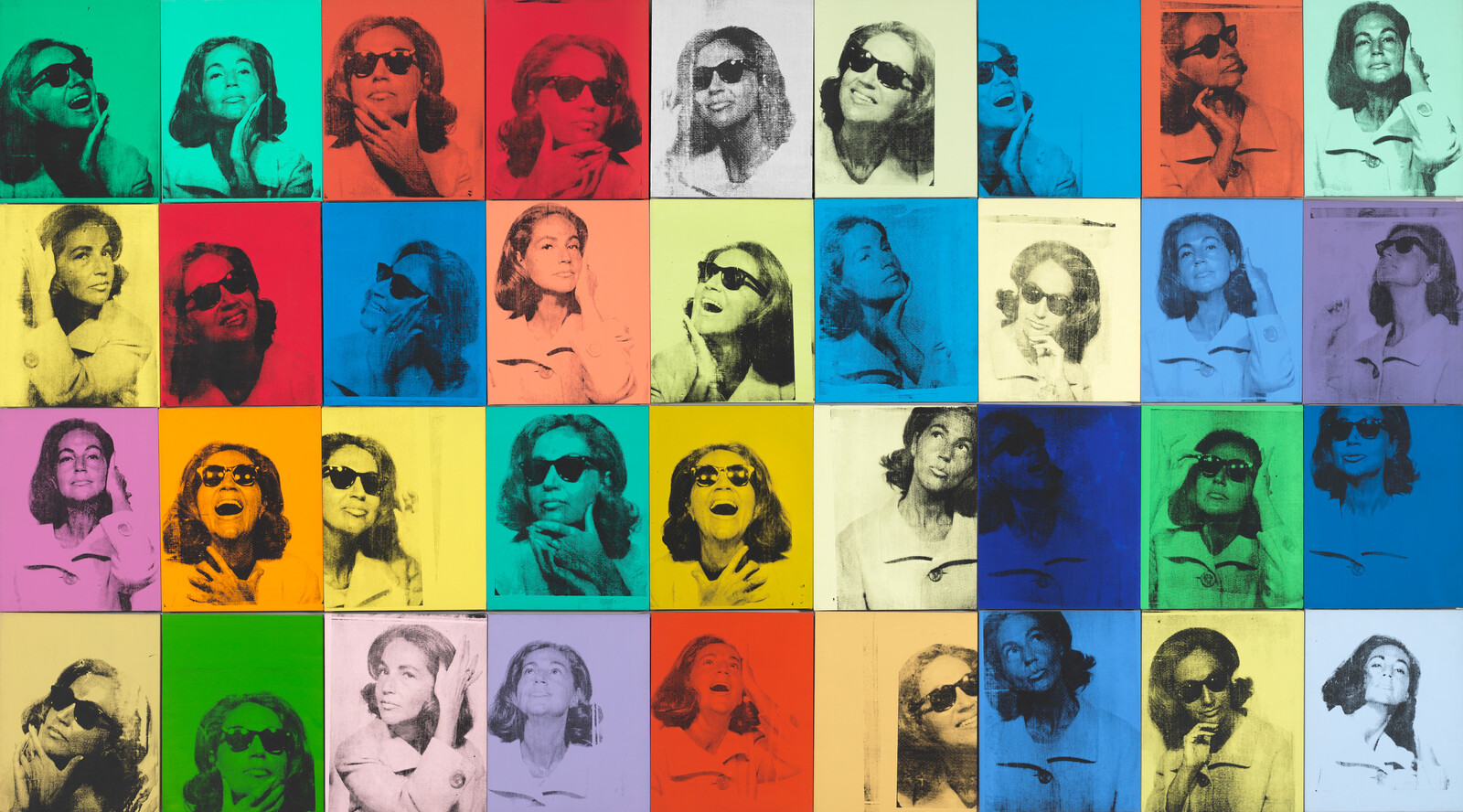
    Ethel Scull 36 Times, Andy Warhol, 1963

    Ethel Scull 36 Times

    1963 · ホイットニー美術館

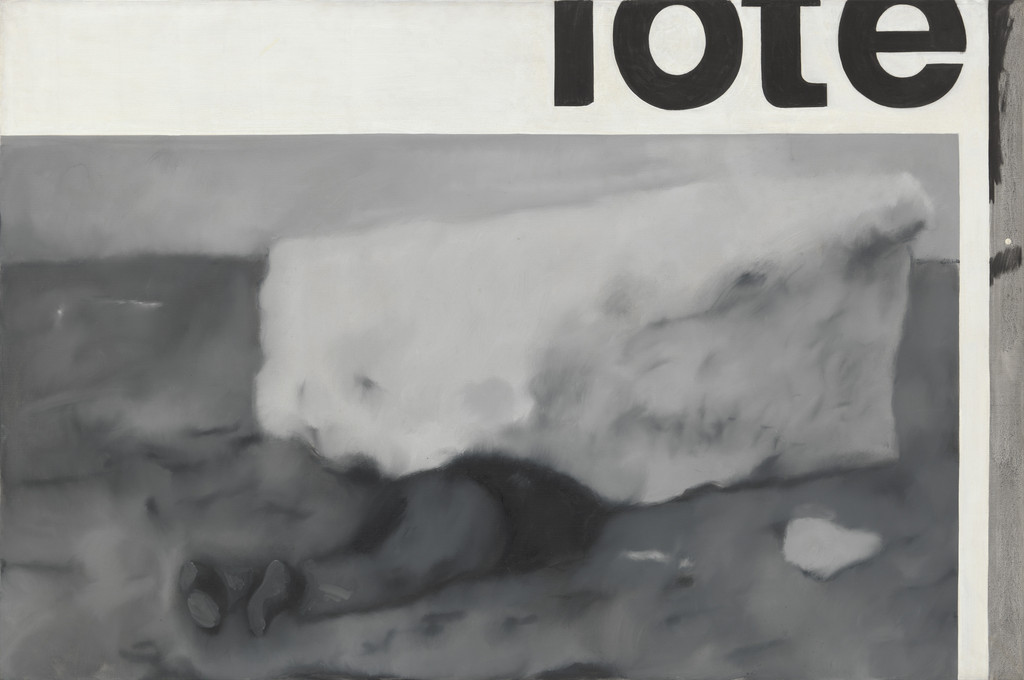
    Dead, Gerhard Richter, 1963

    Gerhard Richter

    Dead, 1963

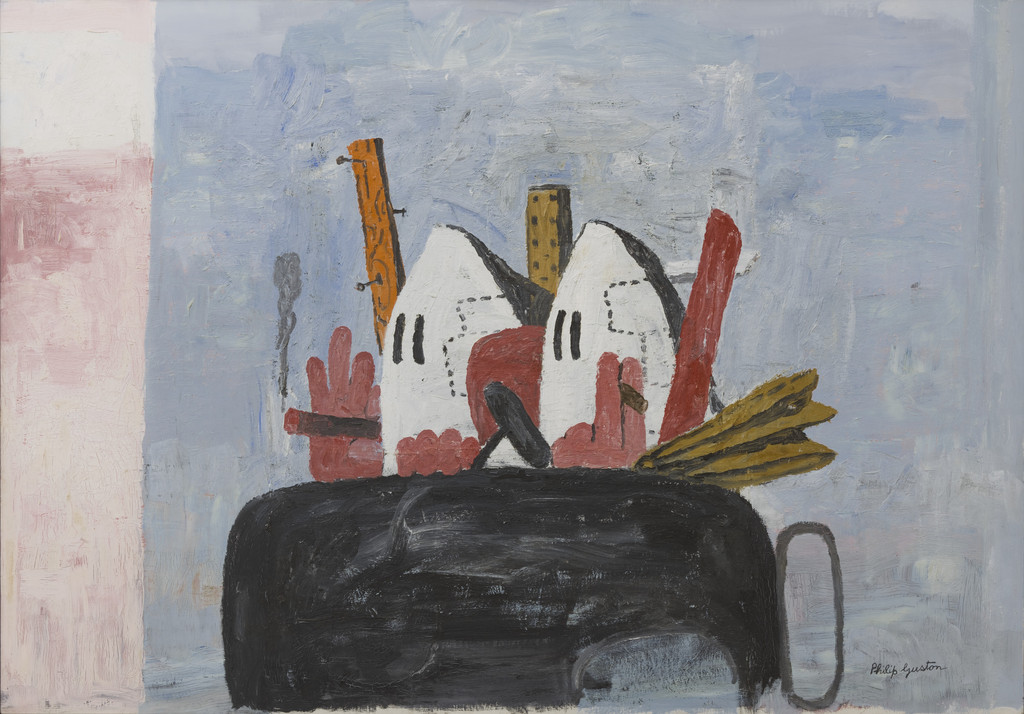
    Edge of Town, Philip Guston, 1969

    Philip Guston

    Edge of Town, 1969

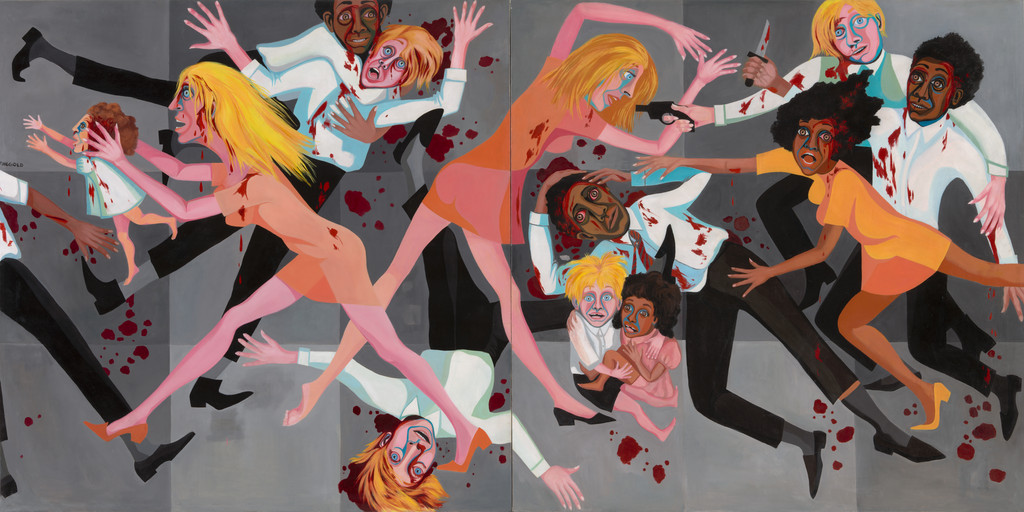
    American People Series #20: Die, Faith Ringgold, 1967

    Faith Ringgold

    American People Series #20: Die, 1967

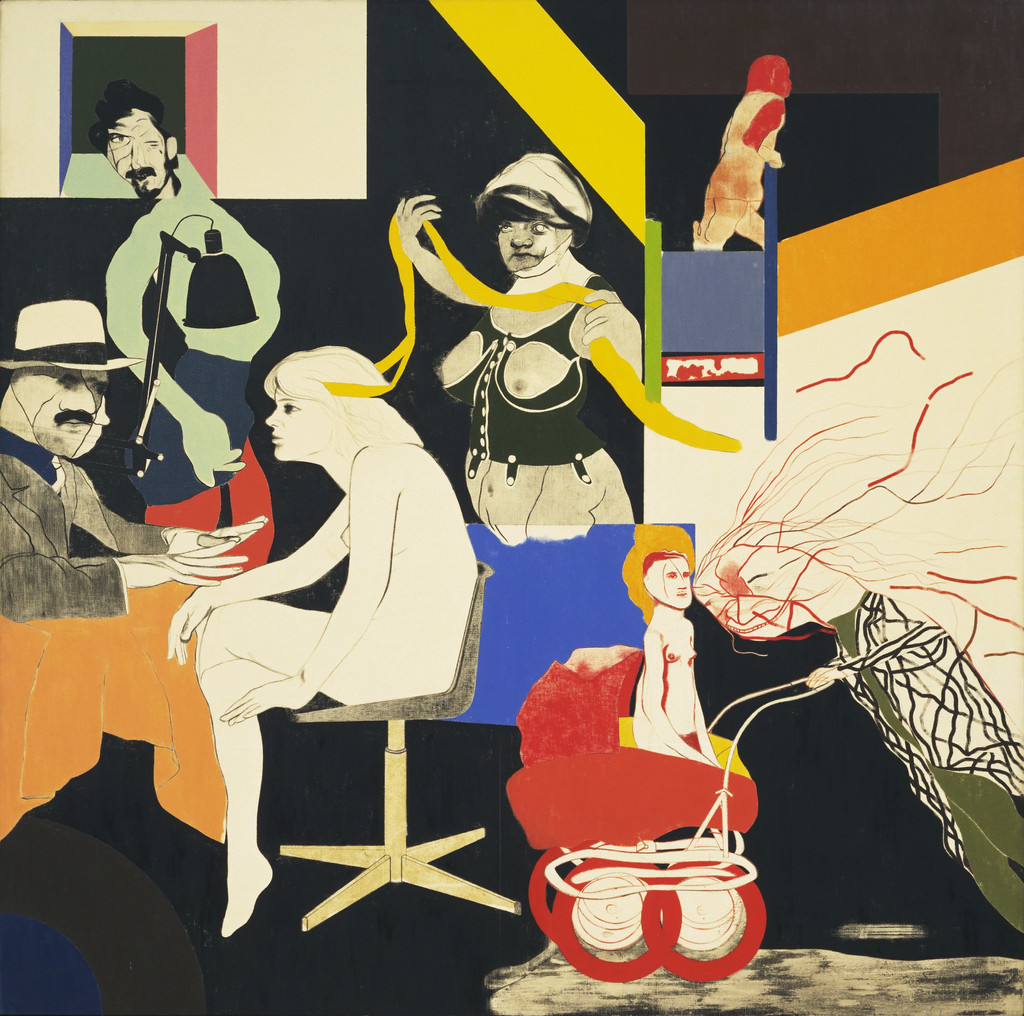
    The Ohio Gang, R. B. Kitaj, 1964

    R. B. Kitaj

    The Ohio Gang, 1964

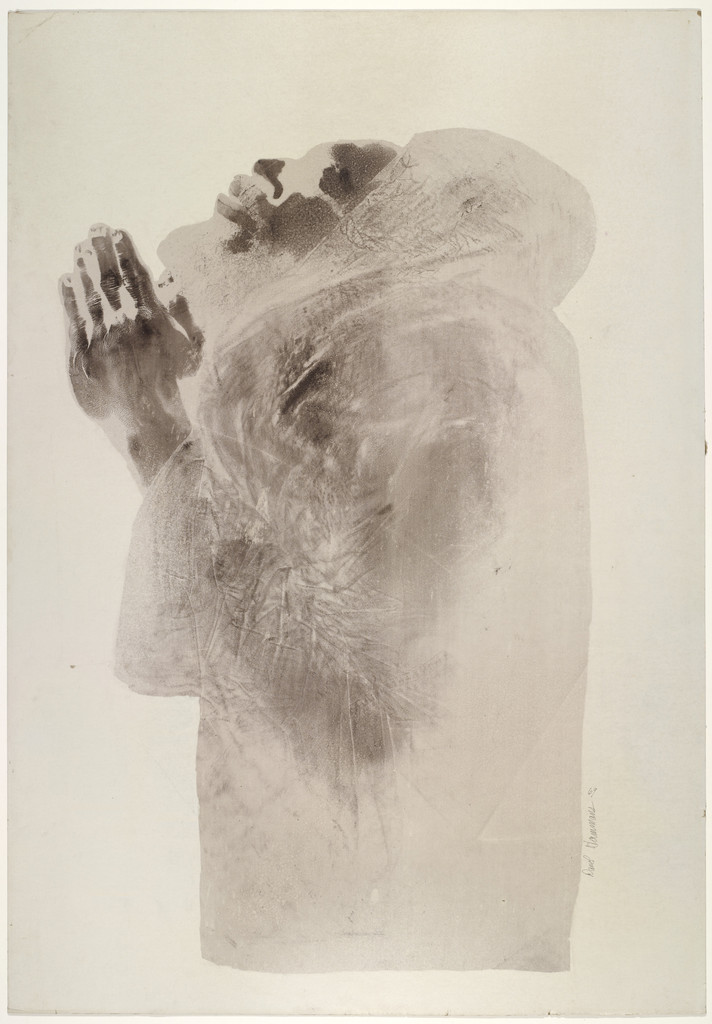
    Untitled, David Hammons, 1969

    David Hammons

    Untitled, 1969

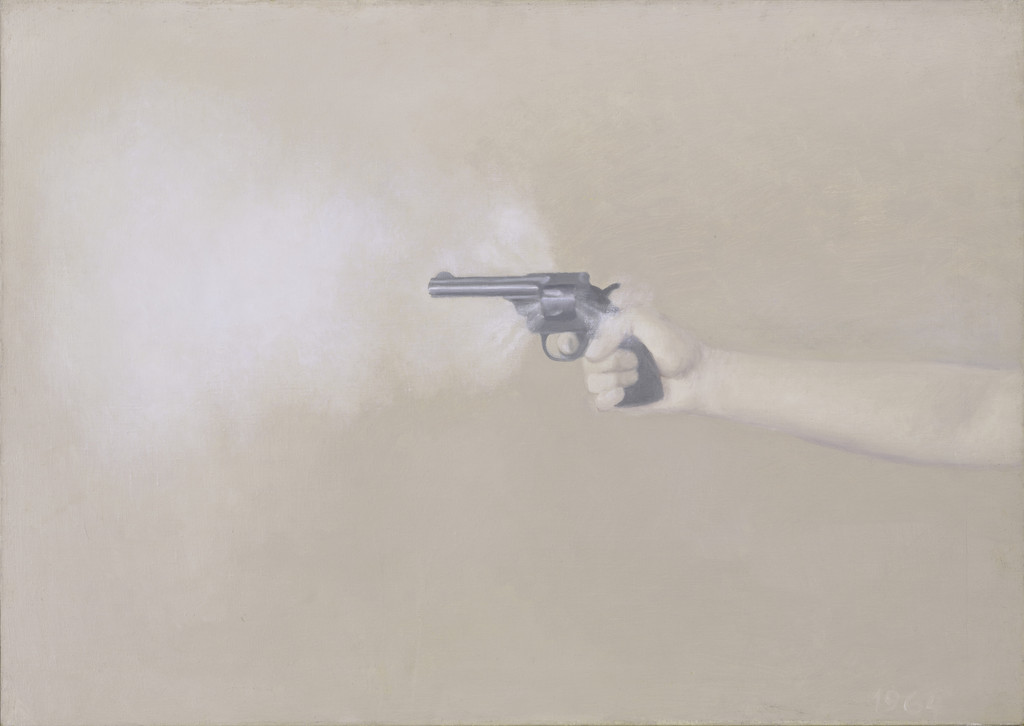
    Gun with Hand #1, Vija Celmins, 1964

    Vija Celmins

    Gun with Hand #1, 1964

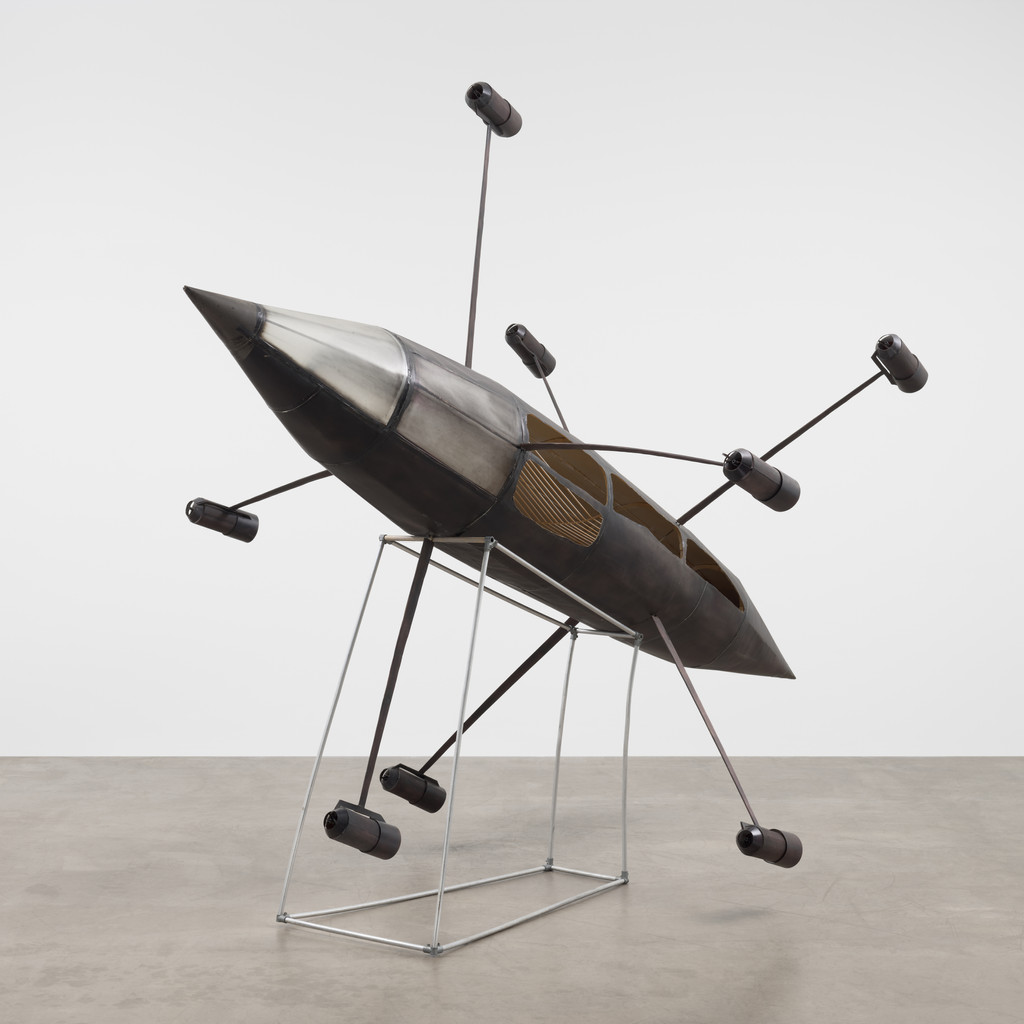
    Flying Object (Rocket), Panamarenko, 1969

    Panamarenko

    Flying Object (Rocket), 1969

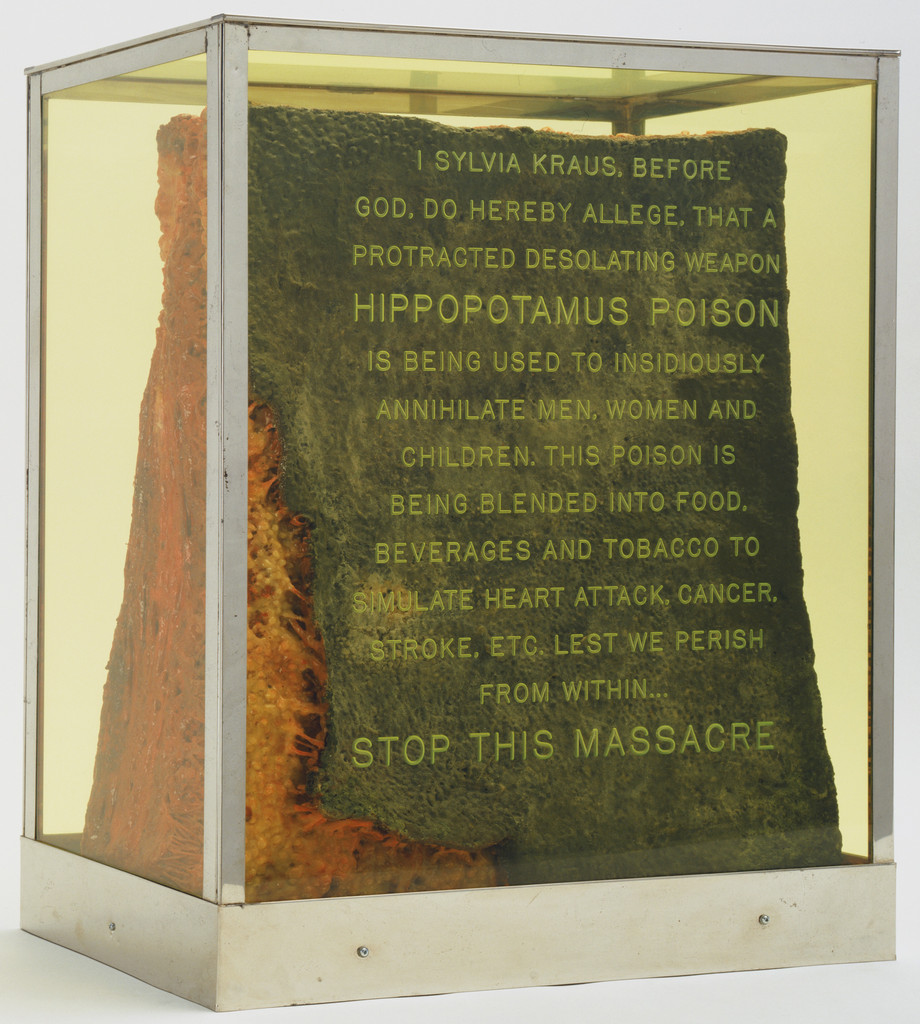
    Hippopotamus Poison, Paul Thek, 1965

    Paul Thek

    Hippopotamus Poison, 1965