 Jean-Antoine Watteauフランス, 1684–1721
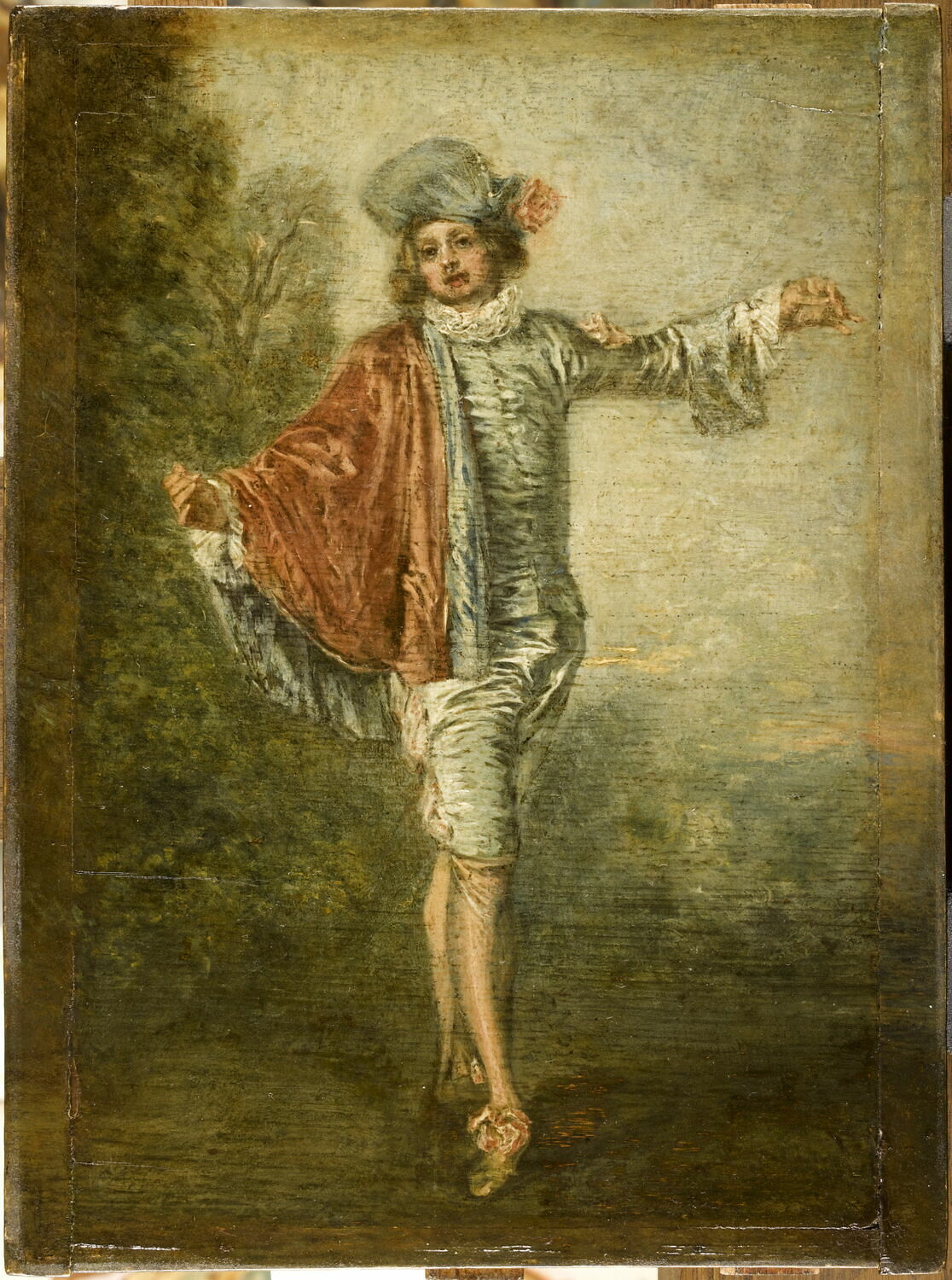
L'Indifférent
お目にかかれますか?
はい、お客様をお迎えしています

一般公開されています。裏付けとなる出典は下に記しています。
- 確認
- この状態になった日
- 出典
- 美術館
この絵画について
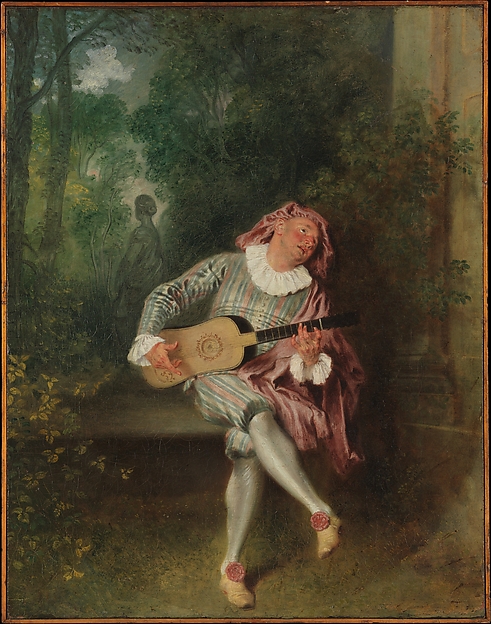
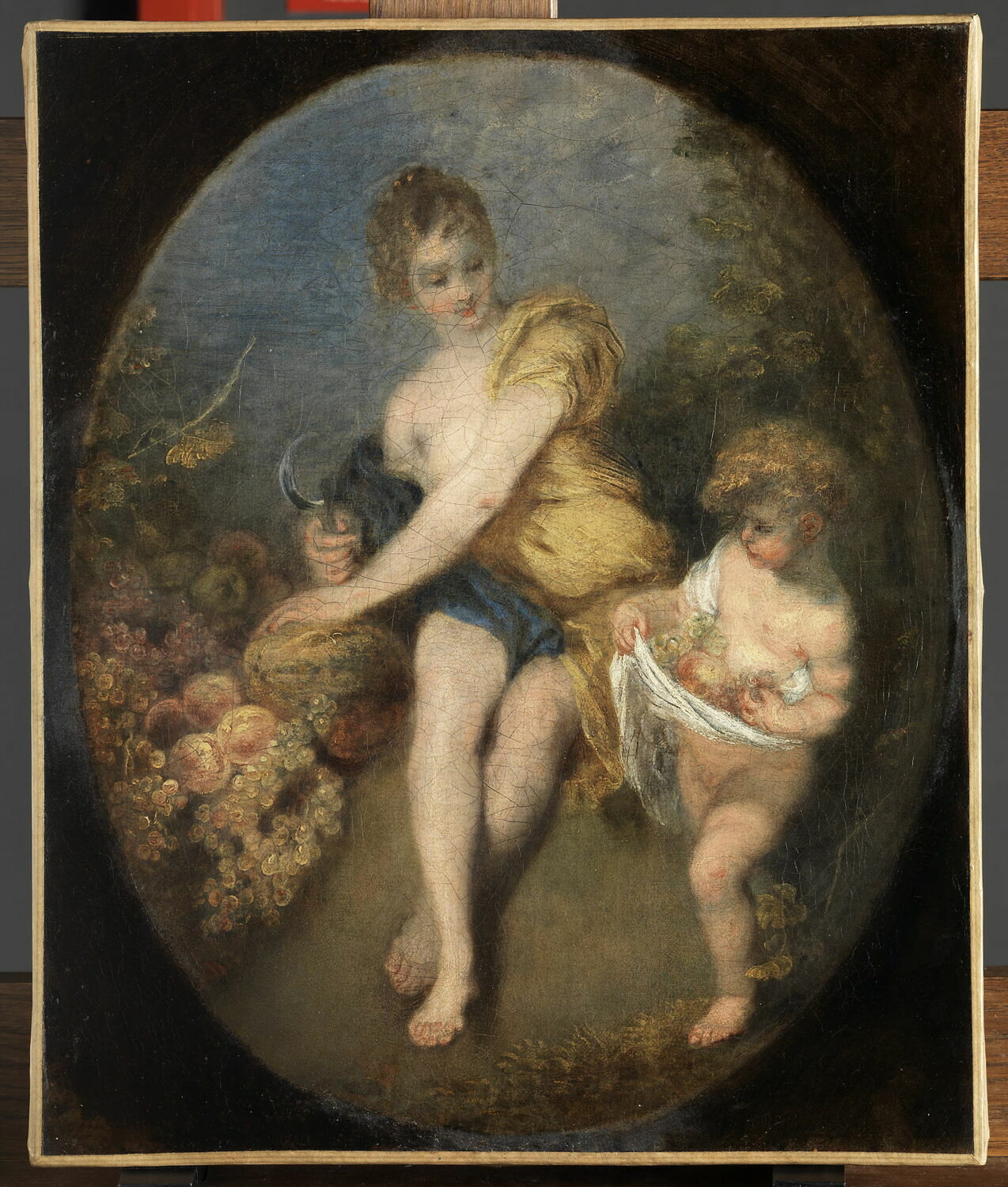
『無関心』(むかんしん、仏: L'Indifférent、英: L'Indifférent)は、18世紀フランス・ロココ期の巨匠アントワーヌ・ヴァトーが1716年に板上に油彩で制作した絵画である。作品は1869年に当時の所有者であったルイ・ラ・カーズから寄贈されて以来、パリのルーヴル美術館に所蔵されている。なお、画面は、拙い修復のために損傷を受けている。
作品データ
- 収蔵番号
- MI 1122
カタログ収録
出典
- ルーヴル美術館
- 画像: ルーヴル美術館 — © 2010 GrandPalaisRmn (musée du Louvre) / Stéphane Maréchalle
その頃、Jean-Antoine Watteauの人生では
生涯をすべて見る1710s
Meets Edme-François Gersaint
At Sirois's house Watteau meets his son-in-law, the art dealer Edme-François Gersaint, who soon becomes a close friend.
1710s
Tuberculosis sets in
Watteau's fame grows steadily, yet he is as a rule dissatisfied with everything that comes from his brush; at the same time he develops a serious illness, tuberculosis.
1714
Moves into the banker Crozat's mansion
Through Sirois, Watteau finds a patron in the very wealthy banker and collector Pierre Crozat and, at his invitation, moves into Crozat's newly built Paris mansion. There he gains access to the celebrated collection and eagerly copies drawings by the great masters; next door lives the academician Charles de La Fosse, with whom he is on good terms.
c. 1717
Crozat recommends Watteau to Rosalba Carriera
Watteau's fame spreads beyond Paris: the banker Crozat writes to the celebrated portraitist Rosalba Carriera in Venice that among Paris painters he knows no one but Watteau who could produce a work worthy of being shown to her. Crozat's patronage and lucrative commissions help to launch the painter's European reputation.
28 August 1717
Elected to the Academy: a “fête galante”
By 1717 Watteau's “gallant scenes” have had such wide success that an exception is made for his reception piece, “Pilgrimage to Cythera”: in the minutes the words “pilgrimage to Cythera” are struck out and replaced by “fête galante”. Watteau is elected a full member of the Academy; the ceremony is attended by the First Painter to the King, Antoine Coypel, by Claude Gillot and by the Regent, the Duke of Orléans.
1718
Leaves Crozat's house
Watteau's independent character does not let him stay long in such luxurious but constraining circumstances, and in 1718 he leaves the house of his patron, who does not lose interest in his art. “Gilles” was probably one of the last works painted in the large studio put at his disposal in Crozat's mansion.