 Théodore Géricaultフランス, 1791–1824
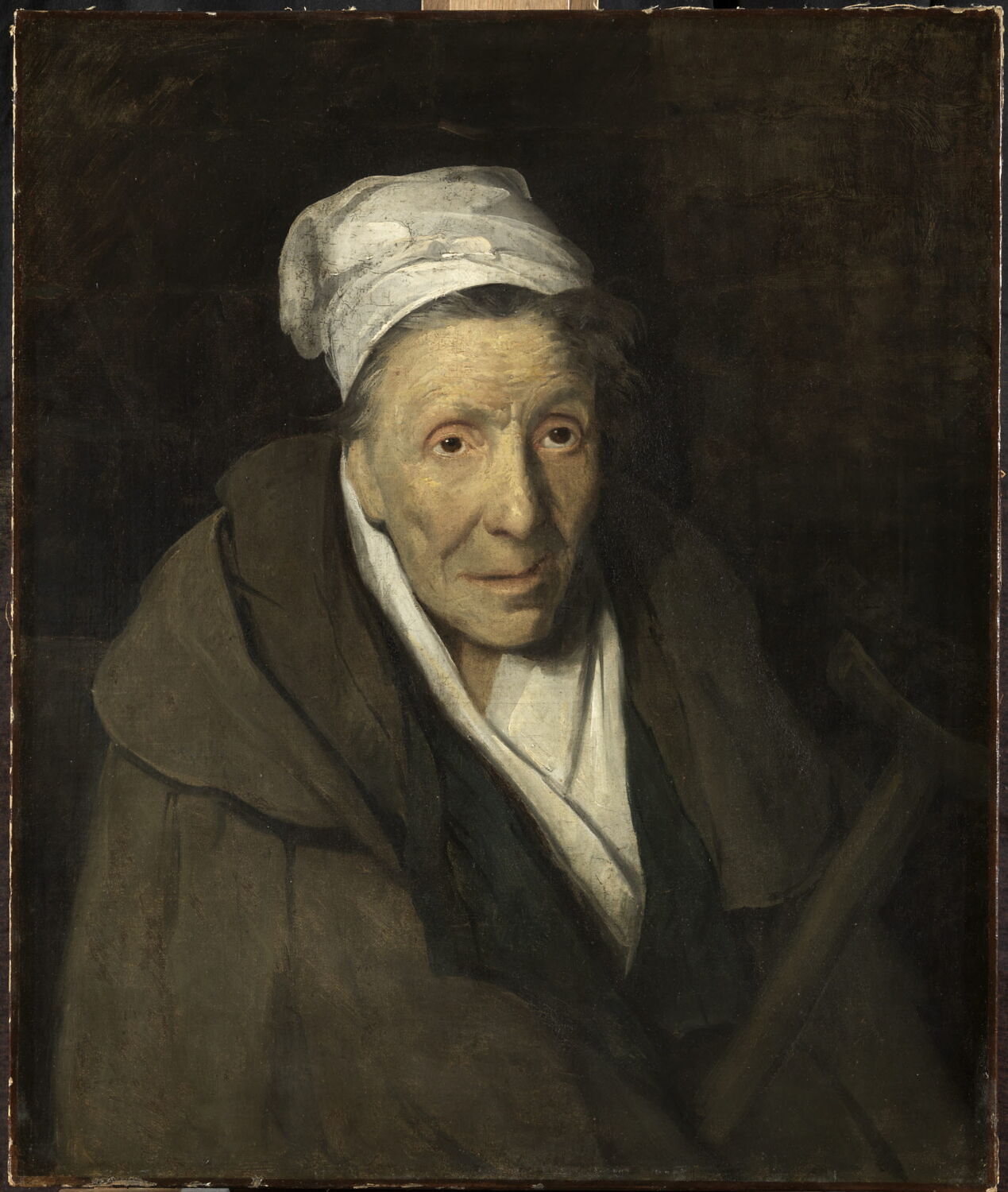
La folle monomane du jeu
お目にかかれますか?
はい、お客様をお迎えしています

一般公開されています。
- 確認
- この状態になった日
- 出典
- 美術館
この絵画について
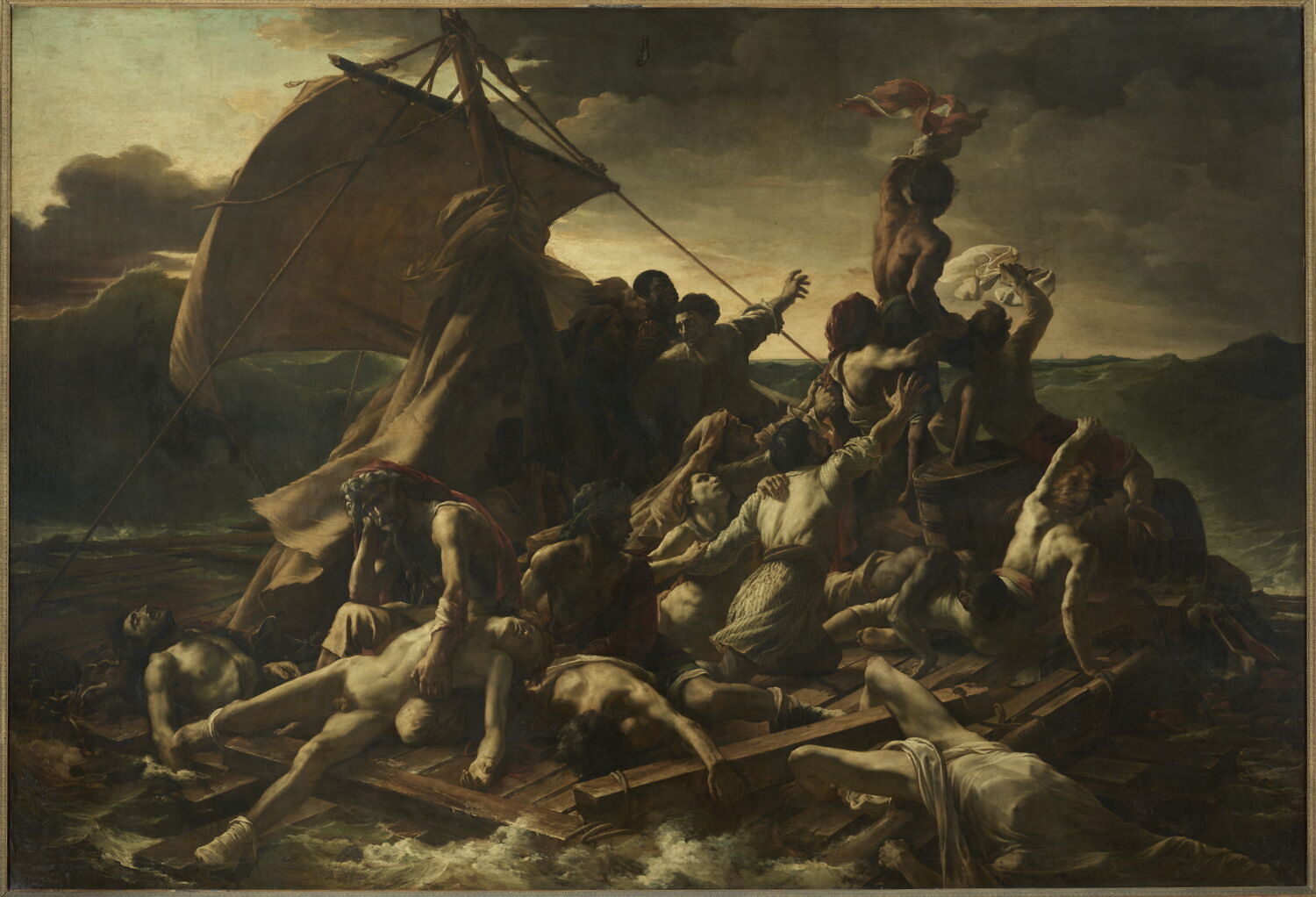
The Woman with Gambling Mania (French: La Folle Monomane du jeu) is an 1822 painting by Théodore Géricault. It is a member of a series of ten portraits of people with specific manias done by Géricault between 1820 and 1824, including Portrait of a Kleptomaniac and Insane Woman. Following the controversy surrounding his The Raft of the Medusa, Géricault fell into a depression. In return for help by psychiatrist Étienne-Jean Georget, Géricault offered him a series of paintings of mental patients, including this one, in a time when the scientific world was curious about the minds of the mentally insane. A solid example of romanticism, Géricault's portrait of a mental asylum patient attempts to show a specific form of insanity through facial expression.
This painting was acquired by the Louvre in 1938.
作品データ
- 収蔵番号
- RF 1938 51
カタログ収録
出典
- ルーヴル美術館
- 画像: ルーヴル美術館 — © 2015 GrandPalaisRmn (musée du Louvre) / Philippe Fuzeau
その頃、Théodore Géricaultの人生では
生涯をすべて見るautumn 1817
The book on the wreck of the Méduse reaches Géricault
In the autumn of 1817 the book “The Wreck of the Frigate Medusa” appeared, in which the eyewitnesses, the geographer-engineer Alexandre Corréard and the physician Henri Savigny, described the thirteen-day drift of the raft after the ship ran aground off the coast of Mauritania. The book reached Géricault, who saw in it the subject for the large painting he had long dreamed of.
1817–1818
Investigating the disaster: survivors, a model raft, morgues
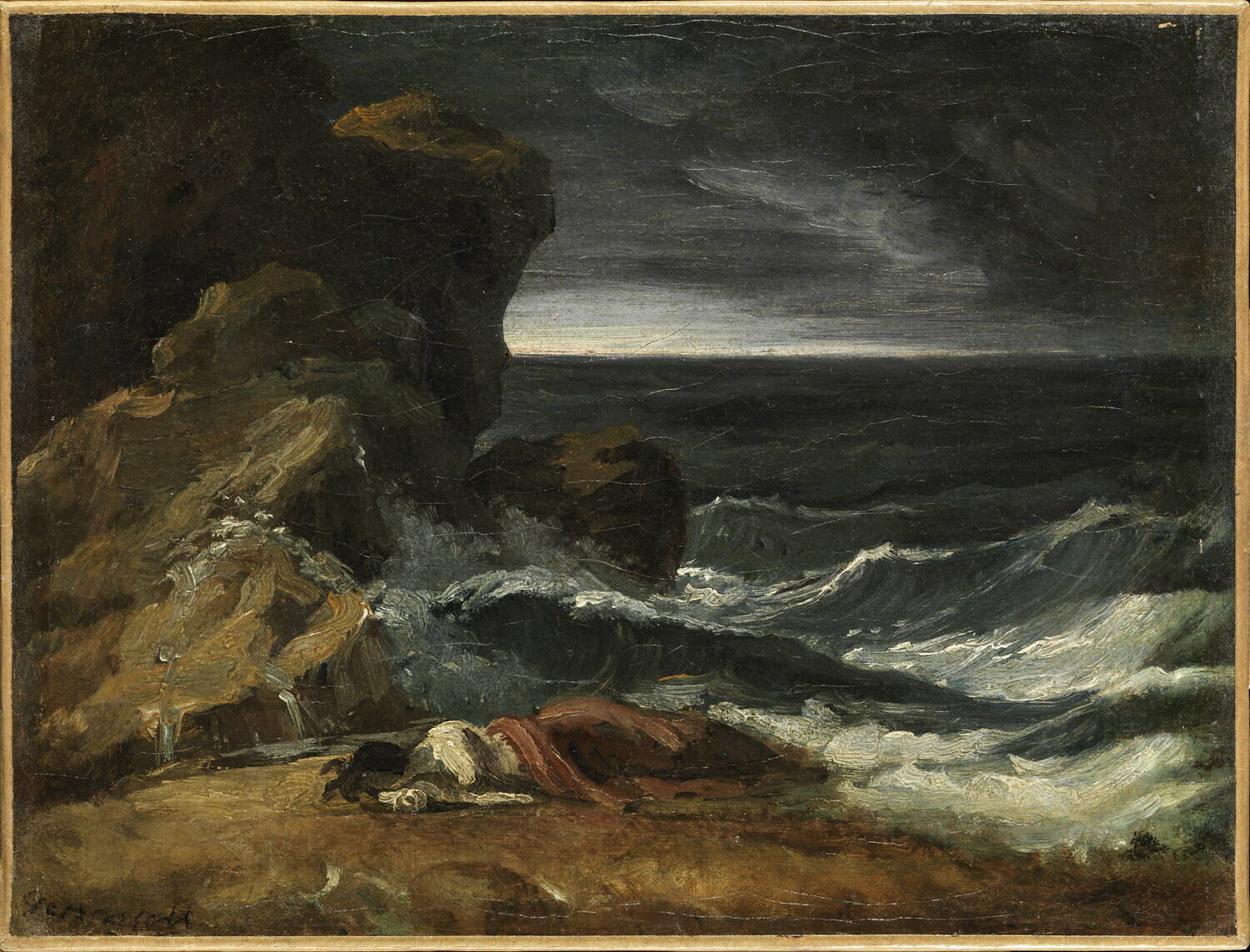
Géricault re-created the event by studying the available materials and meeting witnesses: he got to know Corréard and Savigny, a carpenter from the Méduse made a scale model of the raft for him, and the artist modelled wax figures himself. He visited hospital morgues, drawing dead heads, emaciated bodies and severed limbs, and the preparation ended with a trip to Le Havre, where he painted studies of sea and sky.
1819
“The Raft of the Medusa” sparks a political controversy at the Salon
When first exhibited at the Paris Salon of 1819, “The Raft of the Medusa” ignited political controversy: it indicted a corrupt establishment, in which the captain had left the crew and passengers to die, but also dramatized the eternal struggle of man against nature.
12 June – 30 December 1820
London: 50,000 visitors and 20,000 francs
The entrepreneur Bullock exhibited “The Raft of the Medusa” in London from 12 June to 30 December 1820; about 50,000 people saw it, critics called it a masterpiece, and its author was compared to Michelangelo and Caravaggio. Géricault was entitled to a third of the ticket receipts and received 20,000 francs.
1821–1824
Illness and falls from horses after his return from England
After returning to Paris from England Géricault was often ill, and his condition was made worse by several falls during horseback rides.
1824年1月26日
Died